
REVIEW · BUDAPEST
Budapest: Jewish History Guided Walking Tour with Historian
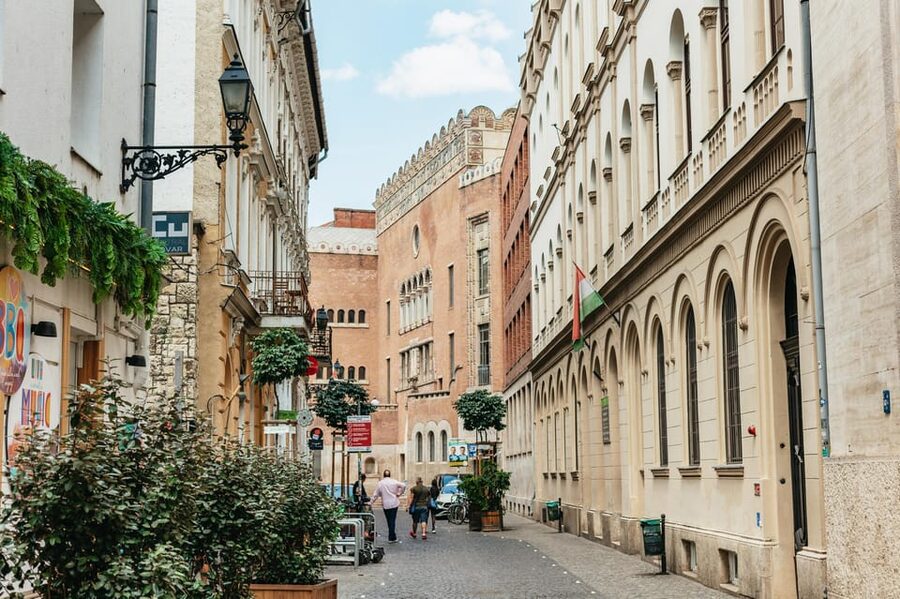
Budapest’s Jewish Quarter is not just a collection of grand synagogues and fashionable ruin pubs. It is a place where old Jewish life, wartime loss, postwar silence, and today’s busy city all occupy the same few streets. This walking tour gives you that difficult, human story, with time for the former Ghetto, memorials, local details, and a slice of flódni along the way.
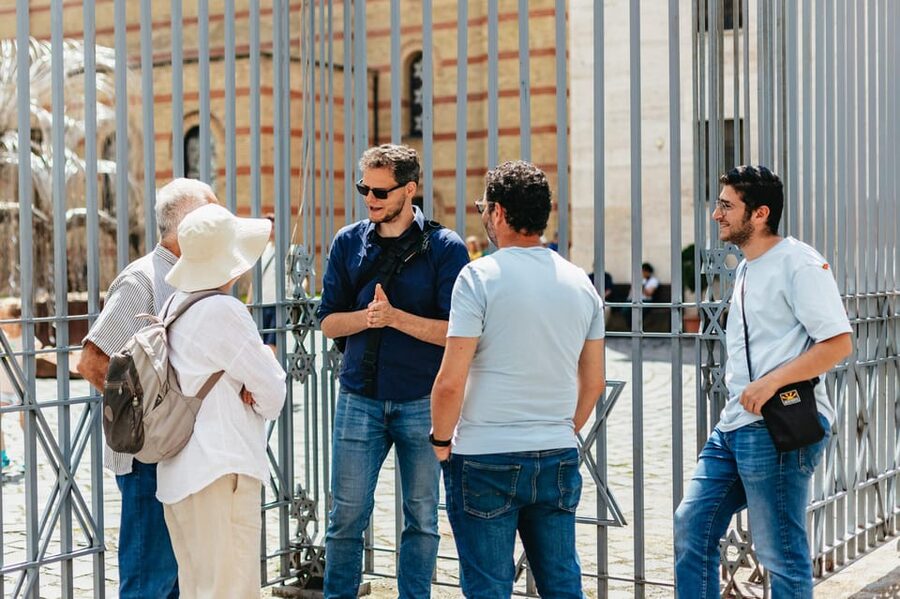
I like two things especially. First, the historian-led storytelling puts Jewish life into the wider story of Hungary, rather than treating the quarter as a string of disconnected sights. Second, the small groups, limited to 10 people, make it easier to hear guides such as Gábor, Noémi, András, Barbara, and Maggie, and to ask questions as you walk.
The main drawback is clear: synagogue visits are exterior only, and admission to all three buildings is excluded. If you want to see the interiors, you will need to arrange separate visits, and you should not book this tour expecting a full synagogue admission package.
Key points to know before you book
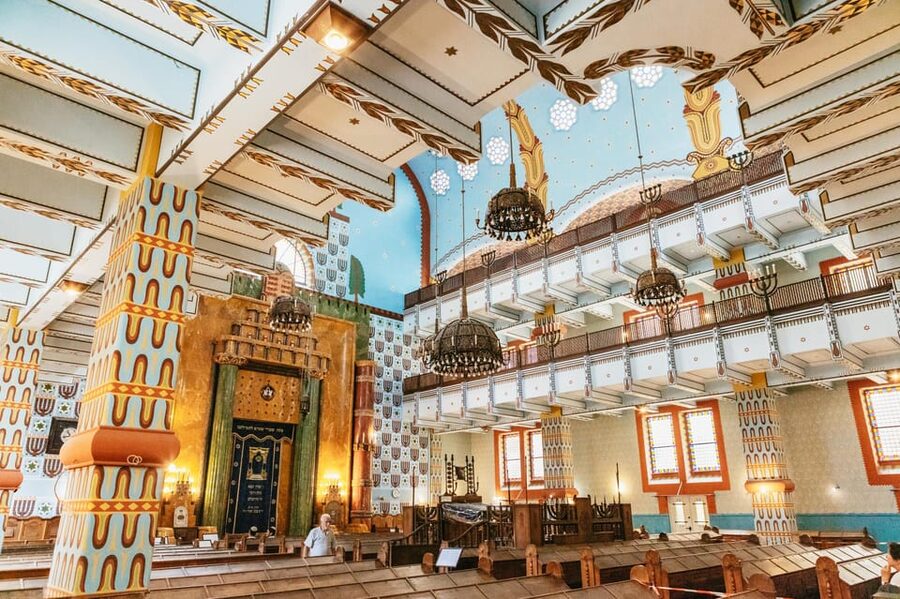
- Three major synagogue exteriors: See the Dohány Street, Rumbach Street, and Kazinczy Street synagogues from outside.
- A serious look at 1944 and 1945: Hear how Raoul Wallenberg, Carl Lutz, and other local heroes helped save Jewish lives.
- A small English-speaking group: The tour is capped at 10 people, useful on narrow streets and during busy periods.
- Flódni with a drink: The final café stop includes coffee or a soft drink and a traditional Jewish Hungarian cake.
- More than wartime history: The walk covers Jewish life before World War II, the former Ghetto, present-day community life, street art, kosher businesses, and ruin pubs.
- A 2.5-hour city walk: You cover a lot on foot, so comfortable shoes and weather-ready clothing matter.
Why the Jewish Quarter needs a guided walk
Budapest’s 7th district can look confusing if you explore it alone. One block has a synagogue, the next has a kosher shop, and around the corner you may find a ruin pub packed with nightlife. Street art covers walls that once formed part of a far more restricted and fearful neighborhood.
A guide helps you connect those pieces. The tour explains how Jewish culture developed in Budapest over more than two centuries, how laws and political pressure shaped Jewish life, and how the district changed through war, communism, neglect, renewal, and modern city life.
I value that wider frame. A walk focused only on World War II can leave you with a powerful but incomplete picture. Here, you also hear about earlier Jewish communities, religious divisions, social restrictions, and the reasons people moved into and out of Hungary and neighboring areas.
The subject is not softened. Several people praised guides for dealing plainly with Hungarian involvement in the persecution of Jews. That matters. You are not getting a cheerful city tour with a short tragic chapter added at the end. The hard parts are part of the story.
More Jewish Heritage Walks in Budapest:
- Amsterdam Anne Frank: Small-Group Walking Tour & Local Guide
★ 4.8 · 12,789 reviews - Anne Frank’s Story – Guided Walking Tour through Amsterdam
★ 5.0 · 11,619 reviews - Prague: Jewish Quarter Walking Tour with Admission Tickets
★ 4.7 · 3,729 reviews
Starting at Erzsébet Square
The meeting point is in front of the Kempinski Hotel Corvinus Budapest, facing the Ferris wheel on Erzsébet Square. This is a practical place to start because Deák Ferenc tér is one of Budapest’s main transport hubs.
You can reach it by the M1, M2, or M3 subway lines, as well as several buses and trams. Give yourself a few minutes to locate the guide, especially if the square is busy or you are arriving directly from a train or flight connection.
The opening section helps place Hungary on the European map. One guide used a tablet to show how Hungarian borders and territories changed over time, which helped explain why Jewish communities moved through the region and how political changes affected daily life.
That introduction is useful if Hungarian history is new to you. Some visitors arrive with a strong background in Jewish history but less knowledge of Hungary’s political past. Others know Budapest mainly through its architecture and nightlife. The guide adjusts the story to the group and answers questions as the walk develops.
Seeing the three synagogues from outside
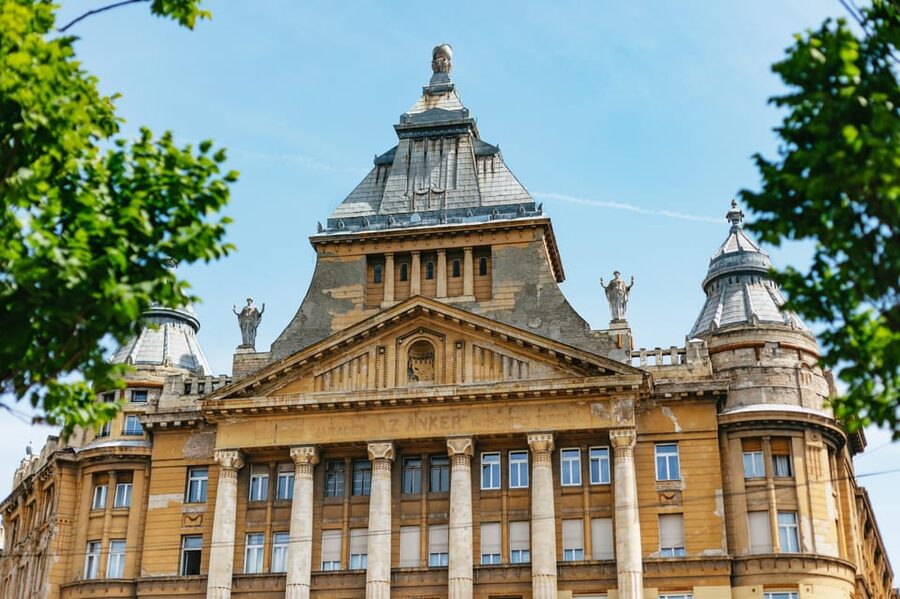
The route takes you toward the three major synagogues in the district:
- Dohány Street Synagogue
- Rumbach Street Synagogue
- Kazinczy Street Orthodox Synagogue
The Dohány Street Synagogue is the grandest exterior and one of the most important landmarks in the quarter. It is also described as the largest synagogue in Europe. From the outside, you can appreciate its scale and ornate design, but the tour does not include entry.
Rumbach Street Synagogue was built in 1872 by the Viennese architect Otto Wagner. Its exterior adds another architectural voice to the district, and the guide explains how it relates to the Jewish community and the wider development of Budapest.
The Kazinczy Street synagogue represents the Orthodox tradition. Seeing all three from the street helps you understand that Budapest’s Jewish community was never one single, uniform group. Religious practice, institutions, and community life had their own divisions and identities.
This is where expectations matter. The buildings are key sights, but you will not tour their interiors as part of this experience. If the Dohány Synagogue is high on your list, plan another visit for admission. This walking tour works better as a historical and neighborhood experience than as an architectural interiors tour.
Walking through the former Ghetto
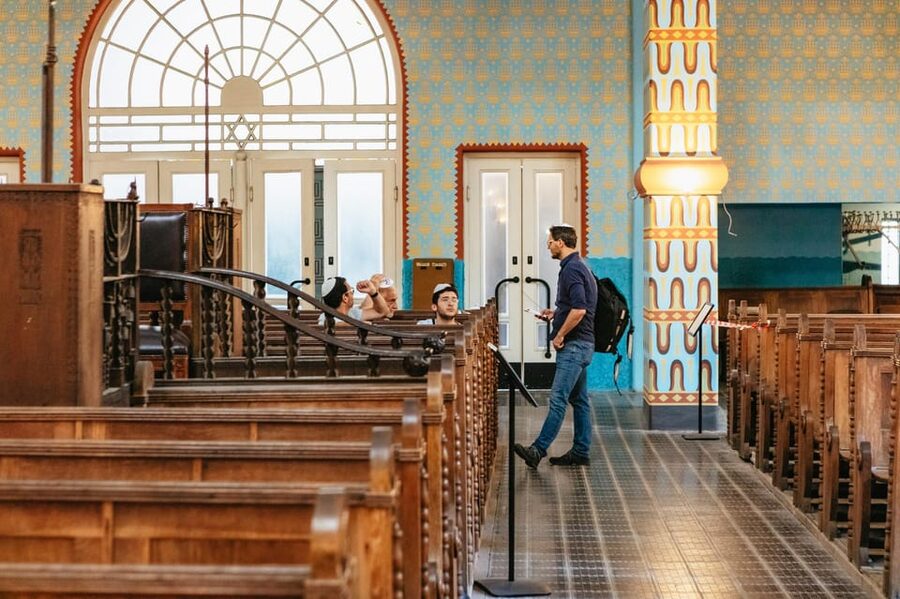
The route continues through streets of the former Ghetto. You see synagogues, memorials, kosher restaurants, kosher shops, and reminders of the community that once lived here.
A remaining section of the original Ghetto wall gives the history a physical scale. One past participant found it startling that the Ghetto existed for less than two months, yet caused such suffering and left such a lasting mark. That is the sort of detail that can be missed if you simply pass through the neighborhood with a map.
The walk also deals with daily life under increasing restrictions. Guides have explained the pressures placed on Jewish people, including limits on civil life and incentives to convert. These details help you understand that persecution did not begin with the final months of the war. It developed through policy, prejudice, social pressure, and political choices.
I appreciate this gradual approach. It shows how a functioning community was weakened over time, rather than suggesting that tragedy appeared without warning. At the same time, the tour keeps moving, so you get a broad account rather than a long academic lecture at one location.
More Guided Tours in Budapest:
- Budapest Guided Food Walking Tour with Drinks Included
★ 4.8 · 472 reviews - Budapest: Semlő-hegyi & Pál-völgyi Caves Guided Walking Tour
★ 4.8 · 343 reviews - Magical London: Harry Potter Guided Walking Tour
★ 4.7 · 22,044 reviews - History and Hauntings of Salem Guided Walking Tour
★ 5.0 · 14,564 reviews
Memorials to Raoul Wallenberg and Carl Lutz
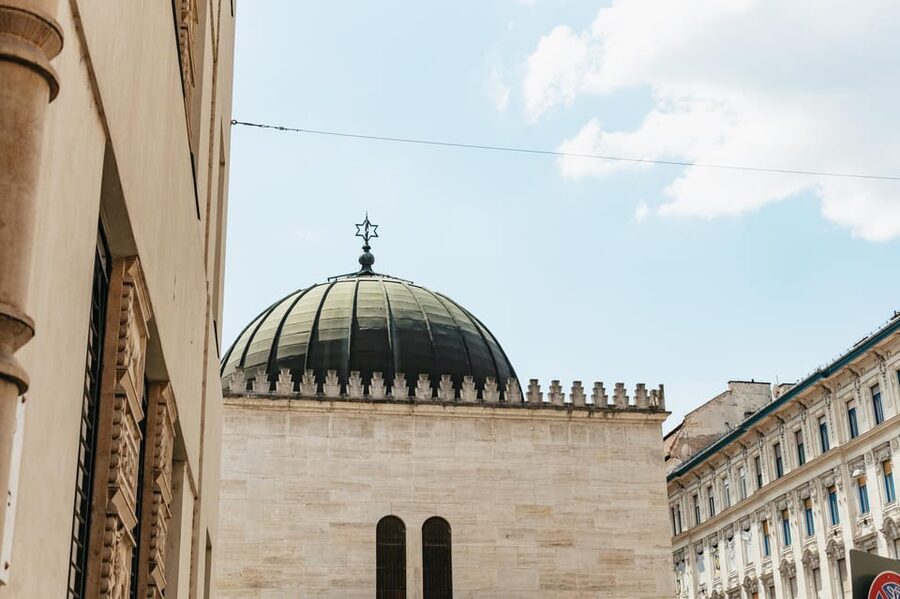
Two of the most moving stops focus on Raoul Wallenberg and Carl Lutz. Both helped save Jewish lives during the winter of 1944 and 1945 and are recognized among the Righteous Among the Nations.
The memorials give your guide a natural place to explain the actions of these men and the danger around them. Their stories bring attention to courage during a period when official systems were being used to persecute and deport people.
The tour does not present the rescue stories as a substitute for understanding the wider tragedy. That balance is important. You hear about individual bravery, but also about the political conditions that made such intervention necessary.
For many people, these stops become the emotional center of the walk. The stories are personal enough to hold your attention, but the guide also places them within the history of Budapest and Hungary. If you want a tour that deals with World War II without reducing the entire Jewish experience to that period, this section helps.
Gozsdu Passage, street art, and ruin pubs
The Jewish Quarter is not frozen in the past. The tour passes through lively Gozsdu Passage and points out street art, nightlife, and the famous ruin pubs of Elizabeth Town.
This part can feel like a sharp change after the memorials and former Ghetto. That contrast is useful. You see how the district functions today, with restaurants, bars, shops, and social spaces occupying streets that carry heavy memories.
Your guide also points out details you might walk past alone. Street art can show how the quarter’s identity keeps changing, while the ruin pubs reveal why the area draws so many people at night. The tour does not ask you to treat modern nightlife as a replacement for Jewish heritage. Instead, it shows the different layers sharing the same neighborhood.
If you are hoping for a street-art tour, this is not it. The art is a supporting part of the route, not the main subject. The same goes for ruin pubs. You get useful suggestions and context, but not an evening pub crawl.
The flódni stop
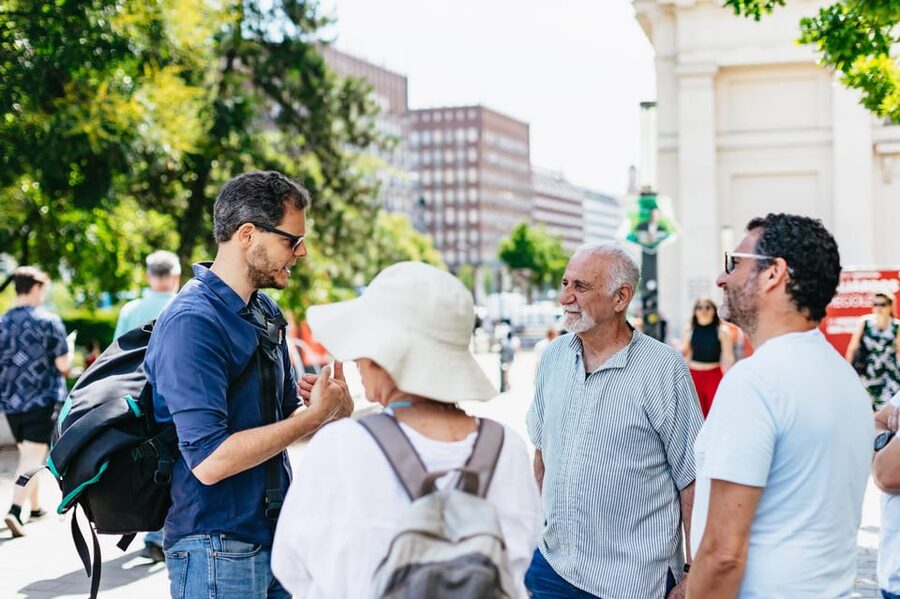
After roughly two hours and 15 minutes of walking and sightseeing, the tour includes about 15 minutes at a local café. You receive a Jewish cake called flódni along with coffee or a soft drink.
Flódni is a layered cake associated with Hungarian Jewish baking. The café stop gives you a taste of local culture without turning the tour into a food outing. It also offers a welcome pause after walking through the district.
I like this kind of small food stop because it connects the history to ordinary life. You have been hearing about institutions, restrictions, memorials, and community change. Sitting down with a traditional cake gives the neighborhood a more everyday dimension.
Do not expect a full meal. The included item is a cake and a drink, so eat beforehand if you need something substantial. The 15-minute timing also means the stop is brief, though that keeps the tour from losing its focus.
The guides make or break the experience
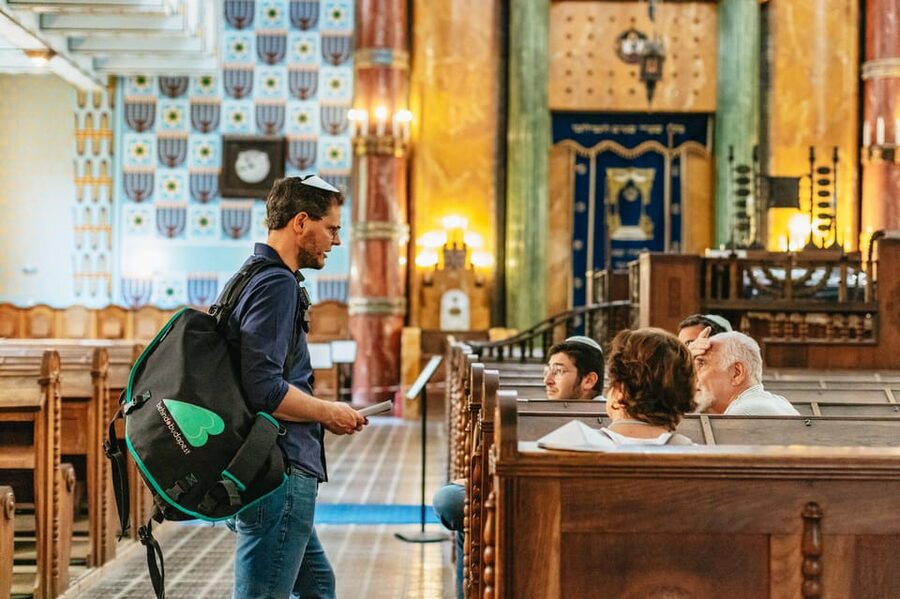
The tour uses different English-speaking guides, and the guide’s style will shape your experience. The strongest feedback centers on clear explanations, enthusiasm, humor, and the ability to answer questions without losing the thread of the walk.
Gábor has been described as engaging, funny, and comfortable handling questions about both Jewish history and Budapest in general. Noémi has been praised for her passion, strong communication, and ability to explain Hungarian participation in the treatment of Jews. András has received credit for an excellent account of both Hungarian history and the Jewish Quarter.
Other named guides include Barbara, Maggie, Judit, Zsolt, Daniel, Gabriel, and Barinka. One particularly personal tour used family experiences to add another layer to the history. That sort of connection can make the past feel less distant, though personal stories naturally vary by guide.
The small-group format helps. With no more than 10 participants, you have a better chance of hearing clearly, asking questions, and staying connected on crowded streets. A smaller group also lets the guide adjust the pace. One guide was praised for making accommodations for individual needs, while another was appreciated for setting a comfortable pace on a hot day.
The tour still involves a fair amount of walking. One person described it as good exercise, which is a polite way of saying you should not treat it as a short stroll between cafés. Wear comfortable shoes, carry water in warm weather, and dress for rain or cold because the walk operates in all weather.
Is $63 a fair price?
At $63 per person, the tour is not the cheapest way to see the Jewish Quarter. You are paying for a 2.5-hour guided experience with a historian, a small group, and a café stop, not simply transportation between sights.
The value is strongest if you want context. A self-guided walk can show you the same streets and synagogue exteriors, but it cannot easily explain how religious divisions, Hungarian politics, wartime rescue efforts, and present-day neighborhood life fit together.
The price is less compelling if your main goal is to enter the synagogues. Admission is not included, so you will need to budget separately for interior visits. In that case, think of this tour as the historical walking layer and arrange synagogue entry on another part of your Budapest schedule.
The free cancellation up to 24 hours before the start and the reserve-now, pay-later option make it easier to fit into a changing itinerary. Still, the main value comes from the guide, not the booking flexibility.
Who should book this walk?
I would choose this tour early in a Budapest visit if I wanted a better sense of the 7th district before returning on my own. The guide gives you useful orientation for restaurants, kosher shops, street art, and ruin pubs, while explaining why the streets matter.
It suits:
- First-time visitors who know little about Hungarian history
- People tracing Jewish family or cultural connections
- Visitors who want serious World War II history presented in a wider context
- Architecture fans who are happy to view synagogue exteriors
- Small groups who prefer questions and conversation
- Anyone interested in how historic neighborhoods change over time
It may not suit you if you need step-free sightseeing information, though the available details do not provide a full accessibility assessment. It may also disappoint if you expect long synagogue visits, a food tour, or a nightlife crawl.
The emotional weight is real, but guides appear to balance it with humor, current life, and ordinary local details. That makes the experience easier to absorb over two and a half hours.
Should you book the Budapest Jewish History Walking Tour?
Book it if you want the Jewish Quarter explained by a serious English-speaking guide rather than viewed as a backdrop for restaurants and bars. The strongest features are the small group, the clear historical structure, the memorials to Wallenberg and Lutz, and the willingness to address uncomfortable parts of Hungary’s past.
Skip it if synagogue interiors are your top priority and you have limited time for separate admissions. In that case, choose an experience that includes entry.
For most visitors interested in Budapest’s past, I would book this walk and schedule any synagogue interior visits separately. The flódni and coffee are a pleasant finish, but the real value is learning how the district’s architecture, memories, community life, and modern nightlife all occupy the same compact part of the city.
FAQ
How long does the Jewish History Walking Tour last?
The tour lasts 2.5 hours, including about 2 hours and 15 minutes of guided sightseeing and a 15-minute coffee and dessert stop.
Where does the tour meet?
Meet in front of the Kempinski Hotel Corvinus Budapest, facing the Ferris wheel on Erzsébet Square.
How can I reach the meeting point?
You can take the M1, M2, or M3 subway lines, along with several buses and trams. Get off at Deák Ferenc tér.
Are the three synagogues visited inside?
No. The tour visits the Dohány Street, Rumbach Street, and Kazinczy Street synagogues from the outside only. Entry is not included.
Is food included?
Yes. The tour includes a Jewish cake called flódni and either coffee or a soft drink at a local café.
What language is the tour in, and how large is the group?
The live tour is conducted in English, and the group is limited to 10 participants.
Just added around Budapest
- Budapest 3-Hour Walking Tour in Italian★ 4.6 · 217 reviews
- Budapest: Castle District Walking Tour★ 4.8 · 223 reviews
- Budapest Guided Food Walking Tour with Drinks Included★ 4.8 · 472 reviews
- Budapest: Walking Tour to the Shoes Memorial and Parliament★ 4.7 · 151 reviews
- Budapest: Walking Tour in the Buda Castle District★ 4.9 · 113 reviews
- Budapest: Walking Tour and Photoshoot with Digital Photos★ 4.7 · 82 reviews
- Budapest: 3-Hour Walking Tour of Pest with a Historian★ 4.9 · 81 reviews
- Budapest: Hungarian Cooking Class and Market Walk★ 5.0 · 91 reviews
Jewish Heritage Walking Tours, compared.
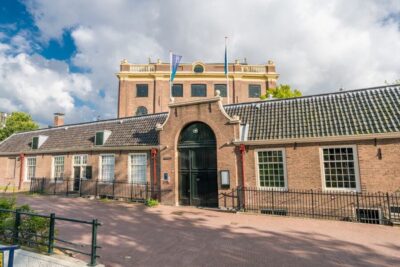
Amsterdam Anne Frank: Small-Group Walking Tour & Local Guide
Read our review →
Anne Frank’s Story – Guided Walking Tour through Amsterdam
Read our review →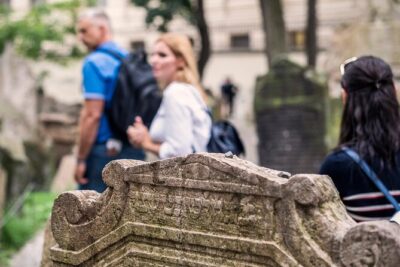
Jewish Quarter Walking Tour with Admission Tickets
Read our review →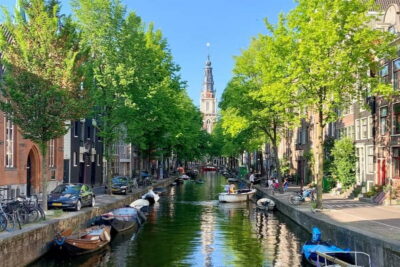
Anne Frank Guided Walking Tour in DE/EN/IT/ES
Read our review →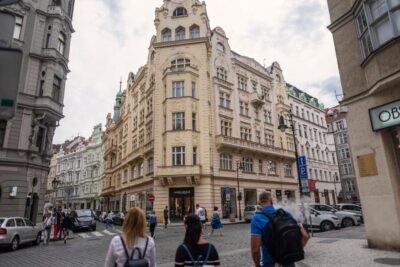
Old Town and Jewish Quarter Guided Walking Tour
Read our review →
Anne Frank Walking Tour Amsterdam Including Jewish Cultural Quarter
Read our review →
Anne Frank’s Last Walk & See Anne Frank House in Virtual Reality
Read our review →Browse the lists this tour appears in