
REVIEW · CHINA
Dark Side of Hong Kong – Kowloon Caged Homes Walking Tour
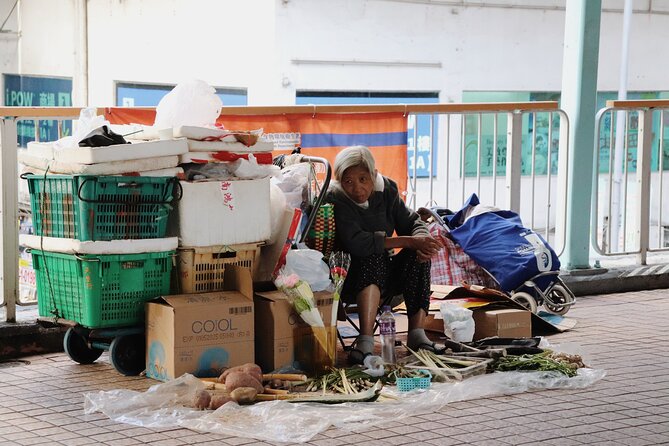
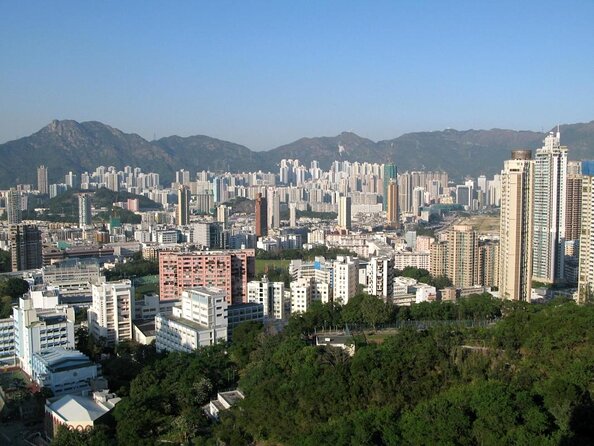
Hong Kong’s polished skyline tells only half the story. This two-hour Kowloon walk takes you through Prince Edward and Sham Shui Po, where subdivided flats, rooftop structures, street markets, and high-priced new apartments reveal the pressure behind the city’s housing crisis. I like the way the tour connects cramped homes to land supply, post-war growth, and Hong Kong’s economic model. I also like that it ends by asking what can be done, rather than simply showing hardship and moving on.
The strongest guides, including Alice, Isaac, Grace, Summer, and Wind, make the subject clear without turning the walk into a lecture. The main thing to understand is that you will not enter a real occupied cage home. The 100-square-foot interior is a staged display unit, and one stop can feel thin if you expect access to private homes.
Key points to know before you book
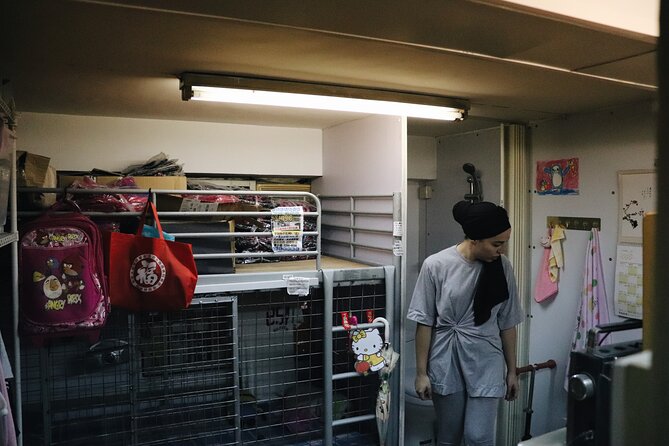
- See a staged 100-square-foot flat: The display shows how a bed, kitchen, and living space can fit into one tiny room.
- Walk through Sham Shui Po: Traditional markets, back streets, rooftops, and dense old buildings provide the setting for the discussion.
- Learn the causes, not just the symptoms: The guide explains land scarcity, population growth, housing policy, and the city’s low-tax economic model.
- Compare rich and poor side by side: New apartments priced around US$1.5 million can sit beside buildings packed with subdivided units.
- Expect a serious subject: This is a thoughtful social and urban-planning tour, not a cheerful sightseeing stroll.
- Finish with possible solutions: A visit to SoCo adds a civic and practical note to the final part of the walk.
Why this Kowloon walk changes the way you see Hong Kong
Hong Kong is famous for glass towers, harbor views, and efficient shopping districts. This tour shifts your attention to the people who keep that polished city running while living in very tight quarters.
The walk focuses on housing pressure and income gaps, but it also explains how those problems grew. You hear about post-war population growth, limited land, and an economic system built around low taxes and private enterprise. That background matters because the tour is not simply saying that homes are small. It shows why small homes became normal for many working people.
You will pass ordinary streets where daily life continues around the discussion. Markets, shopfronts, apartment blocks, and back lanes keep the tour grounded. I like this approach because the subject is easier to understand when you can see the buildings and street patterns instead of hearing only statistics.
This is also a tour about dignity. The aim is not to treat poverty as a spectacle. You are shown a staged interior and public areas, then given context about the people who may live in such conditions. The distinction matters. You should come ready to listen and think, not to photograph residents or expect dramatic access to private homes.
A few more walking tours around China worth a look
- Beijing Hutong Walking Food and Beer Tour at Hidden Restaurants
★ 5.0 · 1,132 reviews - Private Beijing Walking Tour of the Forbidden City with 7 Options
★ 5.0 · 675 reviews - Forbidden City Private Walking Tour with Optional Sights
★ 5.0 · 400 reviews
Starting at Prince Edward and Cedar Street
The meeting point is on Nathan Road near Prince Edward at 11:00 in the morning. From there, the first stop on Cedar Street introduces the basic idea of subdivision.
A typical 500-square-foot apartment may be split into five units of about 100 square feet each. The numbers are simple, but the effect is powerful. A space that many people would consider modest can become five separate homes, each holding the basic functions of daily life.
The guide uses this example to explain why Hong Kong is often described as the world’s least affordable city. You are not only looking at old buildings. You are considering the cost of rent, the shortage of space, and the way ordinary wages match up against property prices.
The first stop lasts about 15 minutes and is outdoors, so expect some standing and street noise. The guide may use the surrounding buildings to help you picture how subdivision works. Pay close attention here, because the rest of the tour builds on this introduction.
Ki Lung Street and the forces behind the crisis
At Ki Lung Street, the discussion widens. The guide explains how rapid population growth after the war met a limited supply of usable land.
That is only part of the story. The tour also looks at Hong Kong’s low-tax capitalist system and how property became central to the city’s economy. You get a basic urban-planning lesson without being buried in technical language.
I find this section useful because it prevents an easy but incomplete explanation. It is tempting to blame high prices on one factor, such as limited land. The tour presents a broader picture involving government choices, economic structure, population needs, and the sharp demand for homes in a compact city.
This stop takes about 10 minutes. The walking distance between stops gives you time to notice the contrast between narrow older buildings and newer development. You might also find that the busiest parts of the tour are not the formal stops, but the moments between them when the guide points out details in passing.
The 100-square-foot display flat on Cedar Street
The Cedar Street display is the tour’s clearest visual moment. You step inside a 100-square-foot subdivided flat designed to show how a minimum-wage family might fit a bed, kitchen, and living area into one room.
The room is a teaching tool, not a private home. That point should be clear before you book. You are not visiting a current resident or entering an occupied cage home. Instead, the display lets you see the scale directly and understand the lack of separation between sleeping, cooking, and living.
The same section introduces a cage home designed for one resident. The subject is difficult, but the small space makes the issue concrete. A short explanation about poverty can feel distant. Standing inside a room of this size gives you a better sense of what the measurements mean.
This stop lasts about 10 minutes. Because it is indoors, it can also provide a break from Hong Kong heat. One caution: if your main goal is to enter several genuine cage homes, this tour will not meet that expectation.
Same streets, a different route:
- Beijing: Forbidden City Tour(Group/Private)-Tickets Included
★ 4.8 · 7,974 reviews - Beijing: Forbidden City and Tian’anmen Square Waking Tour
★ 4.9 · 1,002 reviews - Beijing Private Hutong Food Walking Tour
★ 5.0 · 299 reviews - Introduction to Hong Kong: Central Tip Based Walking Tour
★ 5.0 · 202 reviews
Lui Seng Chun and the guide’s own housing story
At Lui Seng Chun, the guide brings the discussion closer to personal experience. You hear how someone navigated Hong Kong’s property market and housing system.
This is often where the walk becomes less abstract. Alice, Isaac, Grace, Summer, and other guides are praised for explaining the subject clearly and answering questions. The guide changes by departure, so you cannot select a particular person from the tour details, but the experience can be especially strong when your guide brings personal insight to the topic.
I would use this stop to ask practical questions. You might ask how housing choices differ by income, how subdivided units work, or what options exist for people who cannot buy. The guides are expected to handle questions, and several are described as calm, factual, and engaged.
The stop takes about 10 minutes. It is not a sightseeing attraction in the usual sense. Its value comes from connecting city policy with a person’s actual experience of trying to find a place to live.
Yee Kuk Street and Sham Shui Po’s harder edge
The walk then reaches Yee Kuk Street and the back lanes of Sham Shui Po. Here, the guide discusses the area’s illicit links between the drug and sex trades.
This part may feel more uncomfortable than the housing display. It adds another layer to the story of a lower-income district, but it can also feel broad if you are hoping for detailed investigation. The purpose is to show the less visible activity around the neighborhood, not to take you inside criminal operations.
Keep your expectations grounded. You are walking through public streets while the guide explains what has happened in the area. You will not be given a sensational tour of vice. That restraint is appropriate, especially on a walk that tries to treat local people with respect.
The stop lasts about 10 minutes. Together with the market streets, it gives you a picture of Sham Shui Po as a real residential district rather than a set built for tourists.
Hai Tan Street and the sharpest contrast
Hai Tan Street delivers the most striking comparison on the route. New apartments priced at about US$1.5 million can sit beside buildings filled with subdivided units and cage homes.
You do not need a long speech to grasp the gap. The buildings themselves make the point. One block suggests investment and wealth, while another contains homes divided into extremely small spaces. The two conditions exist side by side.
This is where the tour’s title becomes clear. The dark side is not hidden in a remote corner. It is part of the same city, sometimes on the same street, as the restaurants, offices, and luxury residences that define Hong Kong’s public image.
The stop takes about 10 minutes. Bring comfortable shoes, because the route continues on foot through active streets. You will be moving through ordinary neighborhoods, so keep your attention on the guide and avoid treating residents as scenery.
The Pei Ho Street rooftop view
At Pei Ho Street, you climb to a rooftop in central Sham Shui Po. From above, you can see the dense cluster of structures and the cramped housing conditions that are easy to miss at street level.
The rooftop gives you a wider view of the district. It helps explain how limited space is used, and how informal or makeshift housing can exist among conventional apartment buildings. The city’s vertical form becomes part of the lesson.
This stop can be especially useful for photographers, but the subject deserves care. Photograph buildings, signs, and public details rather than pointing a camera at people inside their homes. The guide may also point out small visual details that carry a larger story, such as building layouts and rooftop additions.
The stop lasts about 10 minutes. You should have a moderate level of fitness for the walking and climb. Exact conditions can vary, but the tour is not designed as a strenuous hike.
Kweilin Street, SoCo, and a more useful ending
The final stop is on Kweilin Street at SoCo, a charity with about 50 years of work supporting marginalized people. Here, the conversation turns toward solutions and the city’s future.
That ending improves the balance of the tour. Without it, the walk could leave you with a collection of sad images and no sense of what people are doing in response. At SoCo, you can discuss advocacy, social support, and the larger question of how Hong Kong might handle its housing problems.
The tour finishes at Sham Shui Po MTR Station. That makes it easy to continue exploring the district or leave by public transport. The walk begins near Prince Edward and ends in a different part of Kowloon, so you experience a gradual change in surroundings rather than returning to your starting point.
What the $32.82 price gets you
At $32.82 per person, the cost is reasonable if you value a focused local guide and a two-hour explanation of Hong Kong’s housing system. You are paying for access to a staged interior, a planned route through several neighborhoods, and the guide’s ability to connect street scenes with history and public policy.
You are not paying for major monuments, food, hotel pickup, or entry to private homes. The tour includes the local guide, but hotel pickup and drop-off are not included. If you judge value by the number of attractions entered, you may find it expensive.
I see the price differently for the right audience. A standard sightseeing tour can show you what Hong Kong wants to present. This walk explains what the city’s impressive wealth costs some of its residents. The value lies in interpretation, access to a difficult subject, and the chance to ask questions as you go.
The group can have up to 30 people. A larger group may make it harder to hear in noisy streets, though the guide-led format still gives the tour structure. If you want a private, slow photographic walk, this is not that experience.
Heat, rain, and practical comfort
The walk begins at 11:00, a useful time for anyone who wants to combine it with lunch or further sightseeing in Sham Shui Po. Hong Kong can be hot and humid, so wear light clothing, bring water, and use sun protection.
Some stops are indoors or provide shelter, but you should still prepare for time outside. The tour requires a moderate level of physical fitness because you will walk through city streets and climb to a rooftop.
The tour uses a mobile ticket and runs near public transportation. Service animals are allowed. Weather can affect the departure, and the tour requires a minimum number of people. If poor weather or low enrollment cancels it, you are offered another date or a full refund.
You can cancel for a full refund up to 24 hours before the start time. Changes or cancellations made within 24 hours are not accepted for a refund.
Who will appreciate this tour most
I would choose this experience if you want to understand Hong Kong beyond shopping, skyline views, and famous attractions. It suits people interested in housing, economics, social policy, photography, urban planning, and modern city life.
It can also work for families with older children. One family took a 16-year-old and found the subject difficult but worthwhile. I would explain the topic beforehand, since the walk deals with poverty, cramped living spaces, and illicit activity.
You may not enjoy it if you want an upbeat morning or a tour packed with famous sights. One of the main weaknesses is that the physical evidence can feel limited. Much of the experience consists of walking, looking, and listening. The staged flat is important, but it is still staged.
The guide makes a major difference. Alice, Isaac, Grace, Summer, Wind, Michael, Wing Man, and Simeone Lo are among the guides associated with strong experiences, but the assigned guide may vary. I would book this for the subject and format, not on the promise of one particular person.
Should you book the Dark Side of Hong Kong tour?
Book it if you want a direct look at Hong Kong’s housing crisis and are willing to spend two serious hours learning rather than sightseeing. The strongest parts are the 100-square-foot display flat, the side-by-side apartment contrast on Hai Tan Street, the rooftop view, and the clear explanations of how the crisis developed.
Skip it if you expect to enter real occupied cage homes or meet residents inside their private rooms. You will see a staged unit and public streets, not a documentary-style visit to someone’s home.
For me, the tour earns its place in a Hong Kong itinerary because it changes how you read the city afterward. Every tower, old apartment block, and narrow street carries more meaning once you understand the pressure behind the rent and the lack of space. It is sobering, sometimes uncomfortable, and useful.
FAQ
How long is the Dark Side of Hong Kong tour?
The tour lasts about two hours.
Where does the tour begin?
It begins on Nathan Road near Prince Edward in Hong Kong at 11:00 am.
Where does the tour finish?
It finishes in Sham Shui Po, near Sham Shui Po MTR Station.
Do you enter a real cage home?
No. The tour includes a staged 100-square-foot subdivided flat and shows a cage home designed for one resident, but it does not take you into an occupied cage home.
What is included in the price?
A local guide is included. Hotel pickup and drop-off are not included.
How large can the group be?
The activity can have a maximum of 30 people.
Can you cancel for a full refund?
Yes. You can cancel at least 24 hours before the start time for a full refund. If poor weather or insufficient enrollment cancels the tour, you are offered another date or a full refund.
Just added around China
- Hong Kong: Kowloon Street Market & Food Culture Walking Tour★ 5.0 · 105 reviews
- Full-Day Private Customized Walking Tour of Hong Kong★ 5.0 · 106 reviews
- Organic Chinese Dumpling Class with Market Walk★ 5.0 · 88 reviews
- Introduction to Hong Kong: Central Tip Based Walking Tour★ 5.0 · 202 reviews
- Beijing City Walk: Explore Hutongs Life and Old Beijing★ 5.0 · 146 reviews
- Forbidden City Private Walking Tour with Optional Sights★ 5.0 · 400 reviews
- Beijing Private Hutong Food Walking Tour★ 5.0 · 299 reviews
- Beijing Walking Food Tour with a Local Friend★ 5.0 · 73 reviews
Walking Tours, compared.

Magical London: Harry Potter Guided Walking Tour
Read our review →
Reykjavik Food Walk – Local Foodie Adventure in Iceland
Read our review →
History and Hauntings of Salem Guided Walking Tour
Read our review →
New Orleans Premier Ghost, Voodoo and Vampire Walking Tour
Read our review →
Amsterdam Anne Frank: Small-Group Walking Tour & Local Guide
Read our review →

Edinburgh Castle: Guided Walking Tour with Entry Ticket
Read our review →
Anne Frank’s Story – Guided Walking Tour through Amsterdam
Read our review →Browse the lists this tour appears in