
REVIEW · SYDNEY
Sydney Convicts, History & The Rocks 2.5-Hour Walking Tour
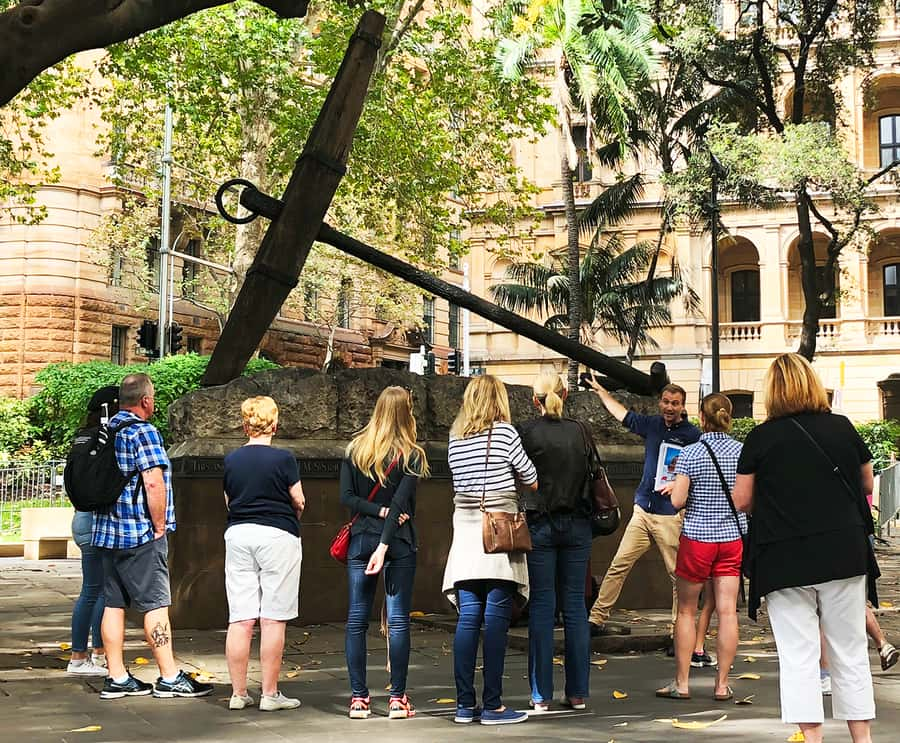
Sydney’s colonial past gets personal on this walk. You follow the route from Customs House through Circular Quay, Macquarie Place, and The Rocks, where convict labor, rum dealing, street gangs, and early Indigenous-settler contact shaped the city. The best moments come when an ordinary wall, cellar, or alley suddenly reveals what stood there before.
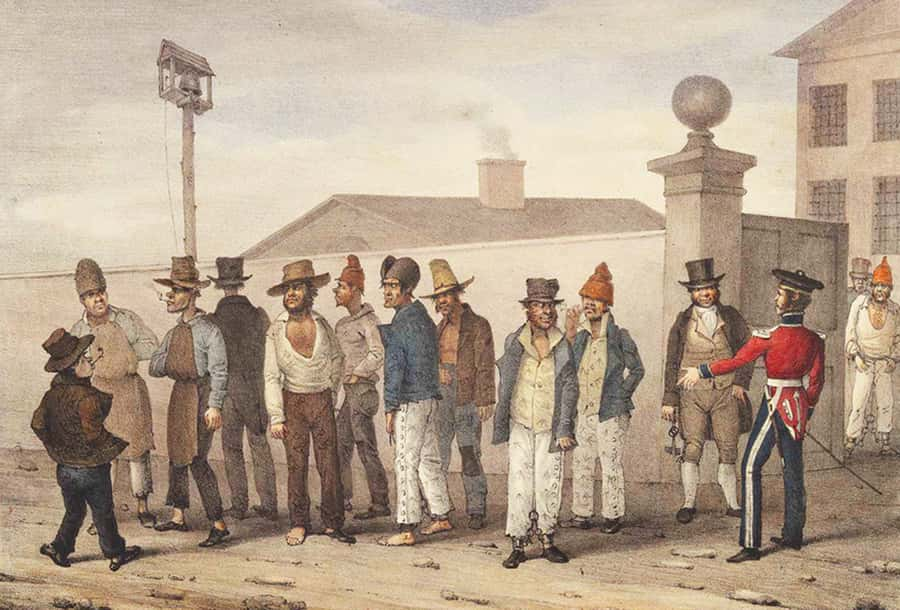
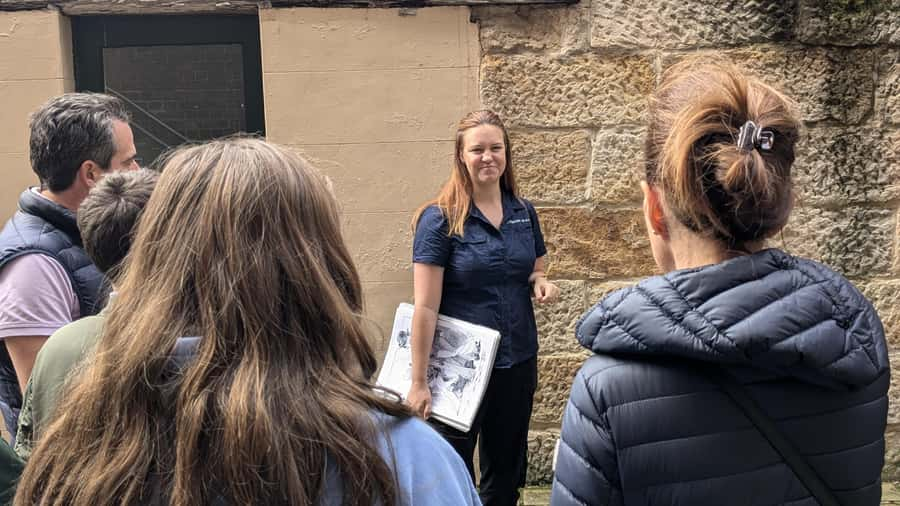
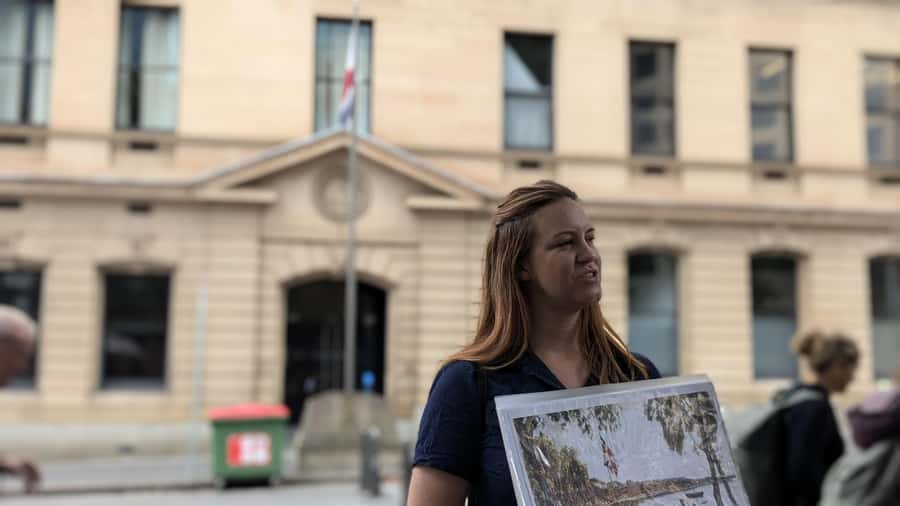
I like the strong storytelling, especially the way guides such as Bec, Max, Pete, and Alex connect names and buildings to real lives. I also like the use of old images, including the A3 picture folder some guides carry, which helps you picture streets and people that have disappeared. The main drawback is practical: there are unavoidable stairs, no large bags or strollers, and the tour is not suited to people with mobility impairments.
Key points at a glance
- A story-led route from Customs House to The Rocks: You cover several parts of central Sydney rather than staying in one small pocket.
- Convict history with human detail: Hear about transportation, prison life, rum dealers, gangs, and the teenage girl who rose from chains to wealth.
- Indigenous history is included: The tour addresses the effects of criminal transportation on Sydney’s Indigenous population.
- Architecture you could easily miss: Look for convict-cut sandstone, Georgian and Victorian buildings, ruins, corridors, and large old cellars.
- Guides who explain rather than perform: Bec, Max, Pete, and Alex are praised for clear answers, good pacing, humor, and enthusiasm.
- A useful first-day activity: The walk helps you read The Rocks with sharper eyes for the rest of your Sydney stay.
Why Sydney’s convict beginning works so well on foot
Sydney’s early story is not tidy. It includes transported prisoners, military officers, sailors, merchants, alcohol traders, ambitious governors, and the Gadigal people whose country was changed by British settlement. A walking tour suits this subject because the evidence is still under your feet and around your shoulders.
You are not simply shown a row of old buildings. You are asked to connect buildings with the systems that made the settlement work. Who built them? Who lived in them? Who profited from the trade? What happened to the people already living on the land?
The focus is the first years of Sydney and the way the penal colony developed into a commercial city. You hear about the process of criminal transportation to Australia and its immediate effect on Indigenous communities at the turn of the 19th century. That context matters. Without it, The Rocks can look like a pleasant heritage district. With it, the old stone becomes evidence of conflict, labor, ambition, and survival.
The adult themes are handled as part of the historical story, so I would choose this for older teenagers and adults. The suggested minimum age is 14, and that feels sensible given the subjects involved.
A few more walking tours around Australia worth a look
- Sydney Opera House Official Guided Walking Tour
★ 4.5 · 3,770 reviews - From Sydney: Blue Mountains Tour with Waterfall Walk & Lunch
★ 4.8 · 2,400 reviews - Sydney The Rocks Guided Walking Tour
★ 5.0 · 1,546 reviews
Starting at Customs House and Circular Quay
Meet your guide outside Customs House, on the right-hand side when you face the building. Customs House is a useful starting point because it places you beside the harbor, transport routes, and the administrative machinery of early Sydney.
The first part includes a guided look at Customs House and about 15 minutes of sightseeing and walking. Entrance into historic buildings such as Customs House and the Argyle Stores is included, although the exact access inside can depend on the tour’s schedule and conditions.
From there, the route moves toward Circular Quay, with roughly 25 minutes devoted to walking and explanation. This section helps you understand how the harbor linked Sydney to Britain, the military, shipping, and trade. The tour is not only about prisoners behind bars. It also considers sailors, soldiers, officials, merchants, and the people who turned a rough settlement into an economy.
I like this opening because it gives you orientation before the narrower lanes of The Rocks. You begin with the broad setting, then move into the details. If you arrive early, take care with the meeting point. Customs House is a busy central place, and you do not want to spend the opening minutes scanning the wrong side of the building.
Macquarie Place and the governor’s grand ideas
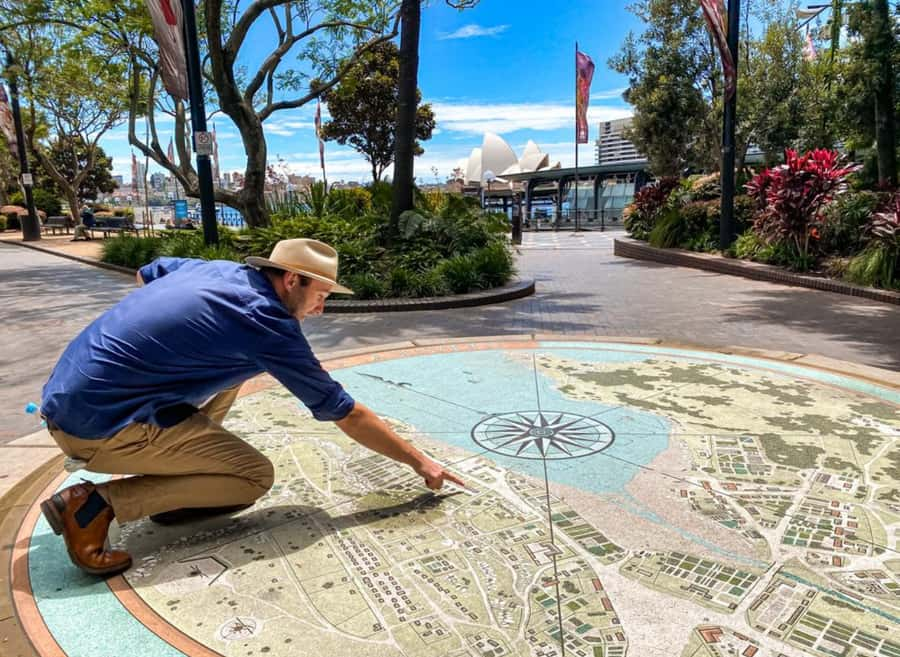
The walk continues to Macquarie Place Park for about 20 minutes of guided sightseeing and movement. Here, the emphasis shifts toward the ambitions of early governors and the effort to give the prison settlement a more orderly public face.
One of the tour’s most appealing stories concerns the governor who wanted to decorate and improve the colony, along with the convict architect connected to that vision. This pairing says a lot about colonial Sydney. The settlement depended on forced labor, yet some of its most important structures and plans required skill that officials could not easily find elsewhere.
You get a clearer sense of the tension between punishment and opportunity. A person could arrive in chains and still possess abilities the colony needed. That does not make transportation humane, but it complicates the usual picture of convict history and shows how status could change over time.
The guides are especially useful here because the subject can become a list of names and dates. Bec has been praised for using images to support her explanations, while Max is known for explaining the colonial story carefully and without rushing. Those habits make a difference when you are trying to keep several governors, architects, and buildings straight.
Entering The Rocks through stone, alleys, and old cellars
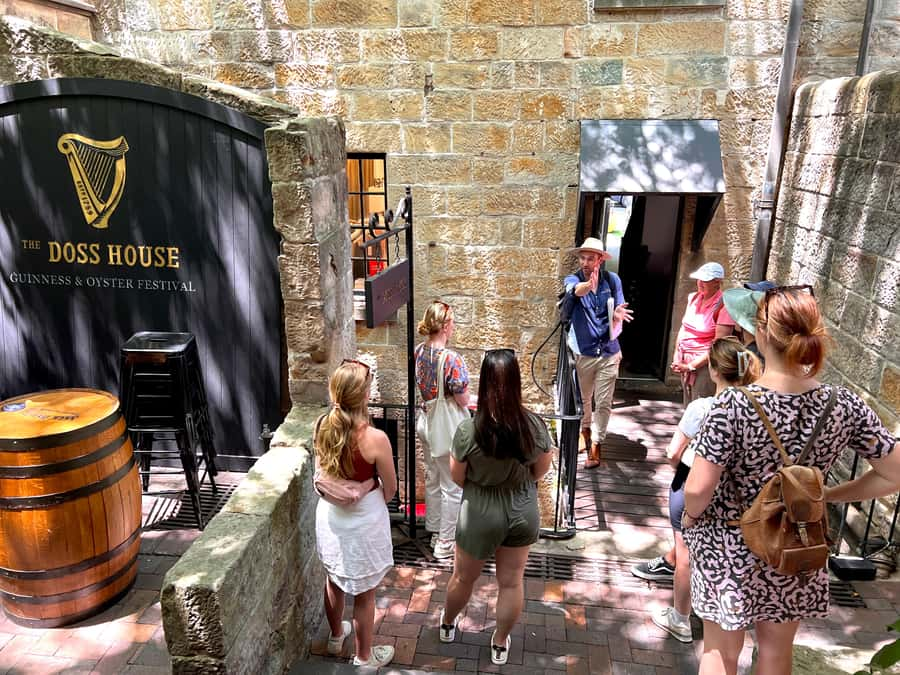
The longest section takes place in The Rocks, with about 75 minutes of guided walking and sightseeing. This is the heart of the experience. You move through cobblestone lanes and past sandstone structures, abandoned slums, hidden ruins, narrow corridors, and large cellars once used for spirits and stores.
The physical remains are what make this more than a lecture with scenery. You may pass a wall without noticing it on your own, then learn how its stone was cut by convict labor or how its building once functioned. The point is not just to admire old masonry. It is to understand the cramped, commercial, and often rough conditions of early Sydney.
The tour also explores local pubs, rum dealers, and street gangs. Rum was not a side issue in colonial Sydney. It was bound up with trade and power, and the stories of those who controlled it show how informal economies shaped the settlement. The subject gives the walk some color, but the better value is the explanation of why alcohol, shipping, and authority became tangled together.
The teenage girl who rose from chains to riches provides another memorable thread. Her story brings economic history down to human scale. Instead of hearing only about governors and male merchants, you follow the remarkable rise of a young convict who became influential in Sydney’s economy.
You should expect some stairs. The Rocks has an uneven layout, and the tour cannot avoid every change in level. Wear proper walking shoes, carry water, and do not bring a large bag. Baby strollers are not allowed, and assistance dogs are permitted while other pets are not.
Same streets, a different route:
- Ultimate Melbourne Walking Tour: History, Laneways & Culture
★ 5.0 · 1,451 reviews - Sydney: The Rocks 90-Minute History Walking Tour
★ 4.7 · 1,092 reviews - Great Ocean Road Tour Plus Koalas, Forest Walk and Morning Tea
★ 4.5 · 1,068 reviews - Blue Mountains Small Group Tour with Waterfall Walk & Fresh Lunch
★ 5.0 · 628 reviews
The buildings you would otherwise walk past
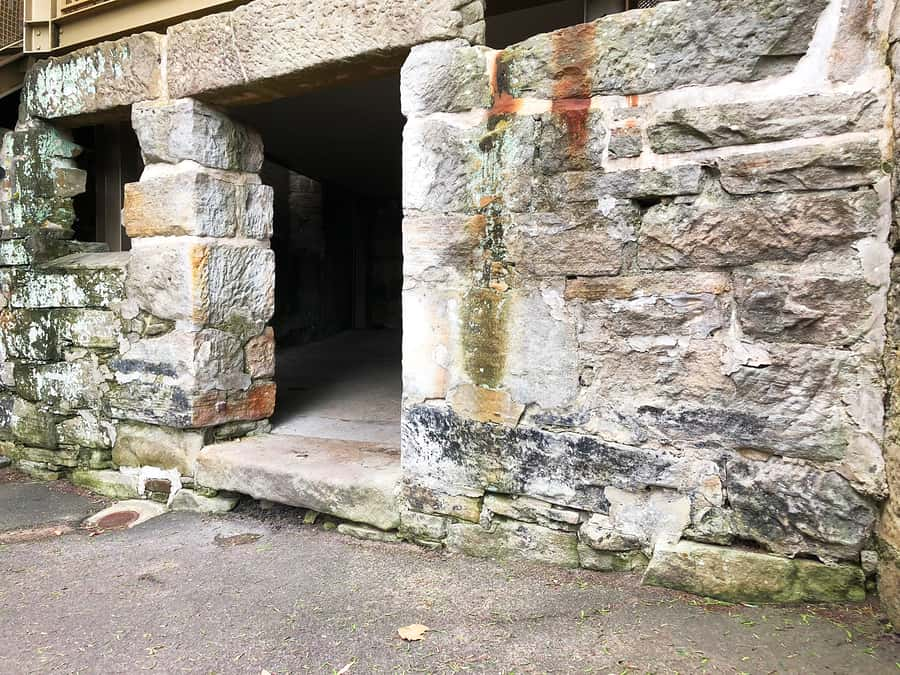
The tour’s strongest practical feature is its attention to details that are easy to miss. You may already have walked through The Rocks and seen sandstone walls, old pubs, or heritage facades without knowing what they meant. A guide gives those features a job in the story.
Look for:
- Convict-cut sandstone, which connects the built environment to forced labor.
- Georgian and Victorian architecture, showing how Sydney changed as the settlement became a city.
- Hidden corridors and cellars, which reveal the storage, trade, and domestic life behind public facades.
- Ruins and altered buildings, which show that The Rocks is not a frozen museum but a place rebuilt over time.
- Historic pubs and former stores, which help explain how people drank, traded, worked, and socialized.
A guide may also use images to show an earlier view of a building or person. This is a simple tool, but it works. The old image lets you compare the present street with the earlier settlement, and it helps you follow stories about people who left little obvious trace.
What the guides do best
The feedback about the guiding is unusually consistent. Bec, also referred to as Rebecca, is praised for clear explanations, personal warmth, good volume, and thoughtful use of shade during talks. Max is repeatedly described as funny, passionate, and careful with detail. Pete has been praised for drawing each person into the subject and adapting explanations to different interests. Alex is noted for a well-paced, informative presentation.
That matters because two and a half hours is long enough for a weak guide to lose you. Here, the best guides appear to use several methods: stories rather than dates alone, images when a person or place is hard to picture, direct answers to questions, and occasional humor to keep the pace light.
I especially value the guides’ willingness to say when they do not know something. That is a small but important sign of good historical practice. You get interpretation without the sense that every gap must be filled with a confident guess.
The tour can also work for locals. Several guides have helped people who grew up in New South Wales notice details they had missed before. If you already know the major landmarks, the value lies in the smaller stories and the spaces you might normally pass without stopping.
Weather, pace, and physical effort
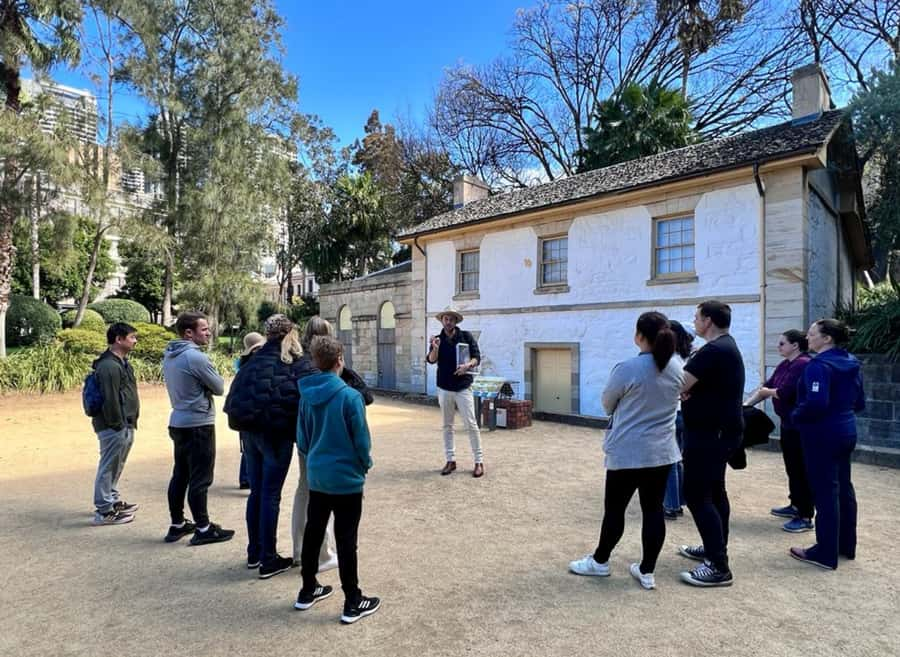
This is a walking tour, not a sightseeing bus with short stops. The route lasts 150 minutes and includes outdoor time in several central areas. The walk has been described as easy to navigate, but that does not mean it is ideal for every body. Stairs, uneven surfaces, and standing during explanations are part of the experience.
The tour continues in wet or wild weather. Bring an umbrella or raincoat rather than assuming bad conditions will cancel it. One guide has kept the group engaged during a heavy downpour, but you should still dress for comfort. Sydney sun can be strong, and finding shade for every stop cannot be guaranteed.
A water bottle and comfortable shoes are sensible. Avoid large luggage, since it is not allowed. If you need special assistance, contact the operator in advance. People with mobility impairments should choose a different activity, as the tour is specifically not considered suitable for them.
The pace seems to favor explanation over rushing. One guide has been praised for keeping the group together and making sure everyone could hear. That is important in The Rocks, where narrow lanes, traffic, and other pedestrians can make a loose group difficult to follow.
Is $36 good value for 2.5 hours?
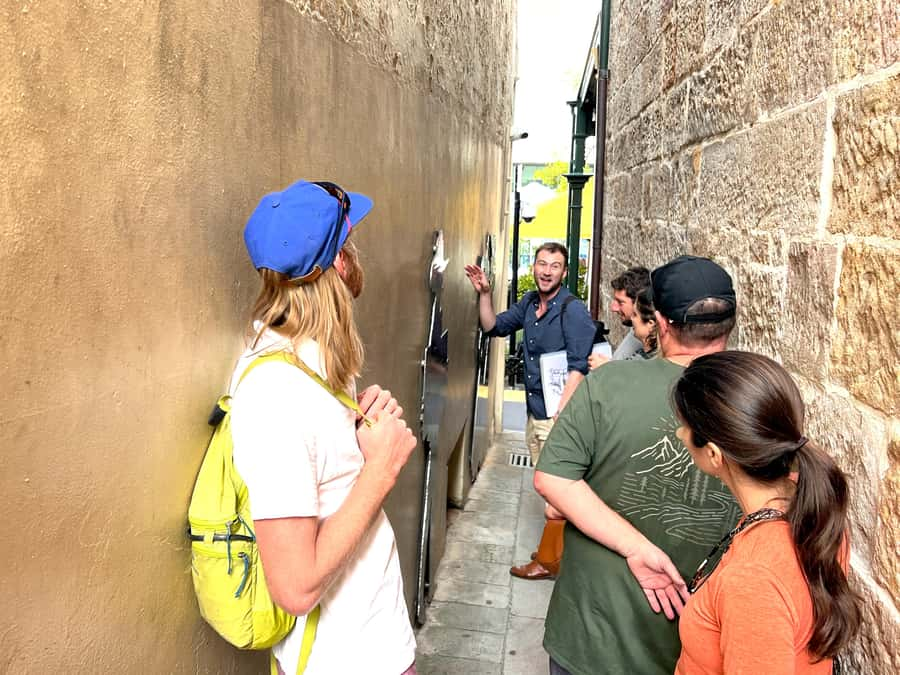
At $36 per person, this is a reasonably priced guided experience for central Sydney. You are paying for 150 minutes with a local historian, access to historic buildings such as Customs House and the Argyle Stores, and an organized route through several important areas.
The value is strongest if you want context rather than a quick collection of photo stops. A free walk can show you where The Rocks is, but this tour explains why its streets, cellars, pubs, and stone walls matter. You also begin at Customs House and finish at Argyle Cut, so the route covers more than the best-known harbor viewpoints.
The price is less compelling if you prefer to explore alone, read at your own pace, or avoid adult historical subjects. It is also not the right buy if stairs are a serious concern. For most people interested in Sydney’s origins, though, the fee is modest for the amount of interpretation packed into the time.
Cancellation is flexible up to 24 hours before the start for a full refund, and you can reserve now while paying later. That is useful when weather or a changing Sydney schedule makes advance planning uncertain.
Who should book this walk?
I would choose this tour early in a Sydney visit. Once you understand the convict beginnings, Indigenous context, rum trade, and changing architecture, you will see The Rocks differently when you return on your own.
It suits adults, older teenagers, history fans, architecture fans, and locals who want more than the standard harbor view. It is also a good choice if you like guides who welcome questions and explain the gaps between the famous stories.
You may want to skip it if you need a fully step-free route, dislike walking in poor weather, have large luggage with you, or want a relaxed food-and-drink tour. The subject includes crime, punishment, transportation, and colonial disruption, so it is not a light sightseeing stroll.
Should you book the Sydney Convicts, History & The Rocks tour?
Book it if you want Sydney’s oldest quarter to make sense. The best reasons are the human stories, the access to historic interiors, and the guides’ ability to connect ordinary stonework with the difficult beginnings of the city.
The tour is especially worthwhile with Bec, Max, Pete, or Alex at the front, but guide assignments can vary. Give yourself comfortable shoes, water, weather protection, and enough attention for stairs. If you do that, $36 buys a thoughtful introduction to Sydney that goes well beyond the postcard version of The Rocks.
FAQ
Where does the walking tour begin?
Meet the guide outside Customs House, on the right-hand side when facing the building.
Where does the tour finish?
The walk finishes at Argyle Cut in The Rocks.
How long does the tour last?
The tour lasts 150 minutes, or 2.5 hours.
What language is the tour conducted in?
The live tour guide speaks English.
Is entry to historic buildings included?
Yes. Entrance into historic buildings such as the Argyle Stores and Customs House is included.
Is the tour suitable for children?
The tour is most suitable for people older than 14 because it includes adult themes and concepts.
Can I join with a stroller or large bag?
No. Large bags, luggage, baby strollers, and pets are not allowed. Assistance dogs are allowed.
Just added around Australia
- Old Hobart Pub Walking Tour★ 4.5 · 91 reviews
- Southwest Tasmania Wilderness Experience: Fly Cruise and Walk Including Lunch★ 5.0 · 233 reviews
- Hobart History, People & Places – 2 hour city walk★ 5.0 · 224 reviews
- Walk with Wildlife: Guided Tour in Great Ocean Road★ 5.0 · 148 reviews
- Darwin Heritage Walk★ 4.5 · 101 reviews
- Freycinet Walking Tour★ 5.0 · 100 reviews
- Daintree Rainforest Night Walk in Cape Tribulation★ 4.5 · 141 reviews
- Night Walk in Cairns Botanic Gardens – Let’s Go Buggin★ 5.0 · 153 reviews
Walking Tours, compared.

Magical London: Harry Potter Guided Walking Tour
Read our review →
Reykjavik Food Walk – Local Foodie Adventure in Iceland
Read our review →
History and Hauntings of Salem Guided Walking Tour
Read our review →
New Orleans Premier Ghost, Voodoo and Vampire Walking Tour
Read our review →
Amsterdam Anne Frank: Small-Group Walking Tour & Local Guide
Read our review →

Edinburgh Castle: Guided Walking Tour with Entry Ticket
Read our review →
Anne Frank’s Story – Guided Walking Tour through Amsterdam
Read our review →Browse the lists this tour appears in