
REVIEW · NEW YORK CITY
SoHo, Little Italy, and Chinatown 2-Hour Guided Walk
SoHo’s cast iron façades may look like a backdrop for fashion shoots, but they are only the opening chapter of this compact New York walk. In two hours, you move from art galleries and celebrity addresses to old Italian businesses, mob history, Chinese gang lore, and the narrow streets of Chinatown.
I like the strong mix of architecture and street-level history, especially the E.V. Haughwout Building and the Manhattan Well Murder site. I also like the way the walk connects food to migration, with stops and suggestions around Alleva Dairy, pizza, cannoli, and Little Italy restaurants.
The main consideration is pace and footing. You cover three neighborhoods in 120 minutes, and the walk is not suitable for people with mobility impairments. Food is not included, so plan to pay separately if you want to sample something along the way.
Key points to know before booking
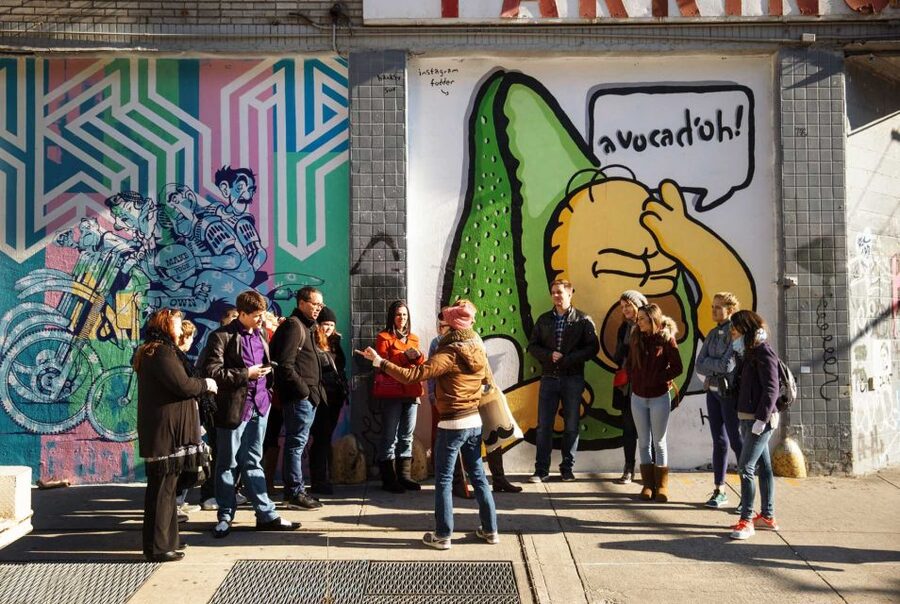
- Three neighborhoods in two hours: See SoHo, Little Italy, and Chinatown without spending a full day on foot.
- Cast iron and celebrity history: Look for the E.V. Haughwout Building, the historic Cast Iron district, and 421 Broome Street.
- Serious stories, told with humor: Expect immigrant struggles, the Manhattan Well Murder, Mafia history, and Chinatown gang violence.
- A guide makes the difference: Guides including Angela, Steve, George, Felipe, Alex, and Ari have been praised for clear explanations, energy, and local stories.
- Food advice, not a food tour: You may hear about pizza, cannoli, cheese, and other specialties, but food costs are extra.
- Useful ending point: The walk finishes at Columbus Park, a practical place to continue exploring Chinatown.
Why this short walk works in Lower Manhattan
SoHo, Little Italy, and Chinatown sit close together, but they do not feel alike. That makes this a smart introduction to Lower Manhattan. You get three distinct chapters without spending time on subway transfers or trying to connect the neighborhoods yourself.
The walk begins at Spring Street Park, with the exact meeting point depending on the option you book. From there, the guide leads you through SoHo before continuing toward Little Italy and Chinatown. Each neighborhood receives roughly 40 minutes, so this is an overview rather than a slow architectural or food tour.
That short format has a real advantage. You can fit it into a morning or afternoon and still have time for museums, shopping, a meal, or another New York sight. The tradeoff is that some stops are viewed from the street, with a story and explanation rather than an interior visit.
The guide is the heart of the experience. Past guides have included Angela, Steve, George, Felipe, Alex, Ari, and others. The best praised qualities are consistent: clear speaking, humor, practical food suggestions, attention to traffic, and the ability to answer questions without losing the group.
If you are traveling with family or friends, the storytelling style should help keep different interests together. There is architecture for design fans, crime history for true crime followers, immigrant stories for history-minded visitors, and food advice for anyone planning lunch.
More Two-Hour Tours in New York City:
- Berlin’s Best: 2 Hour Walking Tour Third Reich and the Cold War
★ 5.0 · 5,486 reviews - Budapest City Landmarks Walking Tour in 2 Hours
★ 5.0 · 2,048 reviews - Leipzig: 2-Hour Guided Walking Tour in German
★ 4.8 · 1,612 reviews
SoHo: cast iron, fashion, and a darker story
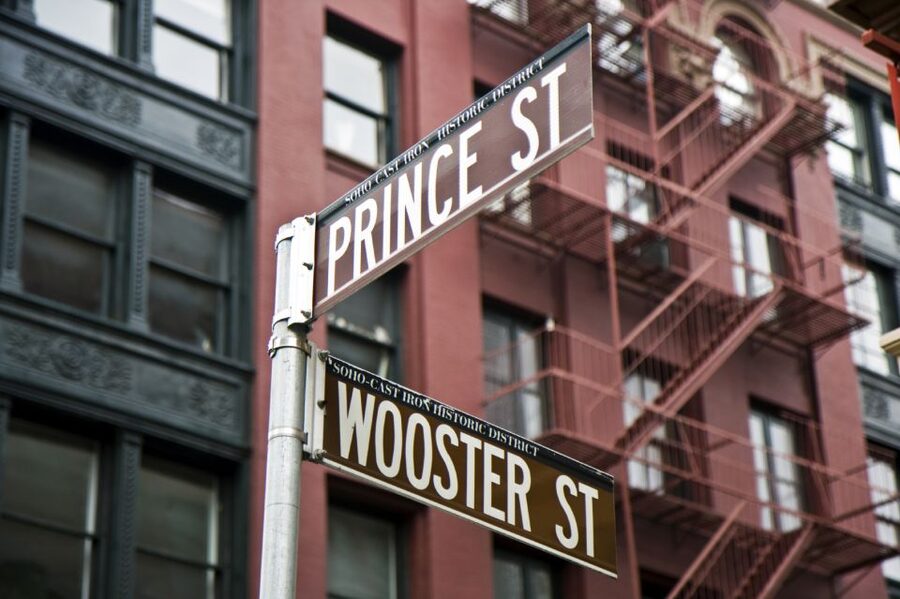
SoHo can seem polished today, filled with boutiques, galleries, and expensive apartments. The guide helps you look past the shopping windows and read the district as an old industrial neighborhood.
The Cast Iron district is the main visual draw. Decorative iron fronts allowed builders to create broad windows and ornate façades at a lower cost than carved stone. The result is one of the most recognizable streetscapes in Manhattan, and the walk gives you a way to understand why these buildings matter instead of simply photographing them.
The E.V. Haughwout Building is a particularly good stop. It is associated with the first safety elevator, a small piece of engineering history that changed how buildings could be designed and occupied. You can connect that invention to the taller, more ambitious city that followed.
The route also includes Greene and Spring streets, the site of the Manhattan Well Murder, described as the first recorded murder case in New York City. This is one reason the tour feels more varied than a standard architecture walk. The façades are elegant, but the stories attached to these blocks can be grim.
You may also pass 421 Broome Street, known for the death of Heath Ledger in Mary Kate Olsen’s apartment. That stop brings modern celebrity history into a neighborhood already associated with fashion and film.
Keep your expectations sensible around celebrity spotting. The tour invites you to watch for actors, fashion figures, and other well-known people in SoHo, but no sightings are promised. The reliable reward is the neighborhood itself, its façades, lofts, storefronts, and changing identity.
SoHo is also where the tour can feel most crowded. Sidewalks may be busy, and groups need to stay together near traffic and intersections. One past guide was specifically praised for watching the group carefully around cars, a useful quality on any Manhattan walk.
Little Italy: immigration, churches, and organized crime
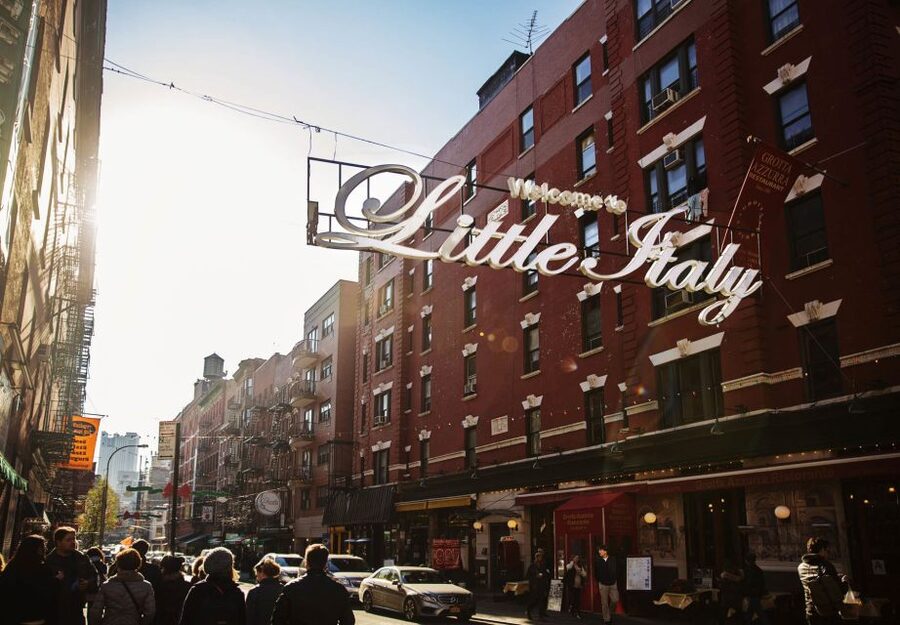
From SoHo, the walk moves into Little Italy. Today, Mulberry Street is the obvious center, with Italian restaurants, signs, and food shops, but the guide adds the migration story behind the neighborhood.
You hear about immigrant struggles and the work that shaped this part of New York. The point is not simply that Italians arrived here. It is how families built businesses, churches, food traditions, and community networks while dealing with poverty and pressure in a new city.
Old Saint Patrick’s adds an important religious and architectural layer. The church helps show how institutions gave immigrant communities a place to gather and maintain a shared identity.
Alleva Dairy brings the subject down to street level. It is associated with cheese making for a hundred years, giving you a tangible link between old neighborhood commerce and the food culture that still attracts visitors. The tour does not include food costs, but this is a good place to note what you might want to try later.
The Italian American Museum is connected with the site of the Triangle Shirtwaist Factory fire. This is a serious part of the walk, and it broadens the story beyond restaurants and organized crime. The fire remains tied to the working conditions, immigrant labor, and public safety problems of early twentieth-century New York.
The route also includes Umberto’s, known as the site of the mob hit on Joe Gallo. Nearby, the Ravenite Club brings in the story of John Gotti. These stops explain why Little Italy appears so often in movies and crime stories, but the guide also places that material beside ordinary neighborhood life.
That balance matters. The Mafia material is memorable, but Little Italy was not created by gangsters, and it is not only a crime-fiction set. The strongest version of this tour uses mob stories as one strand in a larger account of immigration, work, family, religion, and food.
You may have time to pause and look around Little Italy on your own. One guide described a break for a bite and suggested places to eat and things to do. Since the exact handling of the pause can vary by guide and group, do not count on a full sit-down meal during the two-hour schedule.
Chinatown: narrow streets and hard-edged history
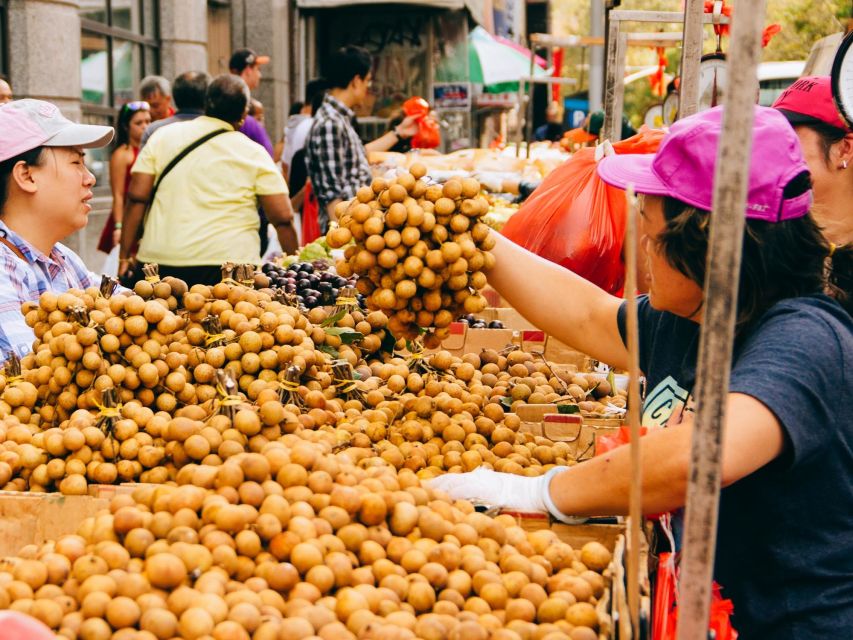
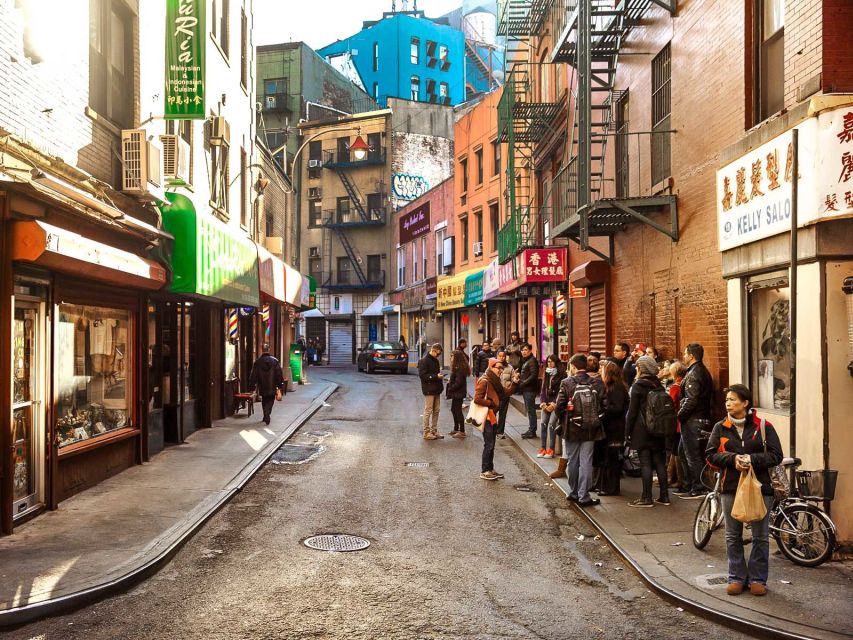
The final neighborhood is Chinatown, ending at Columbus Park. Here, the tour turns toward Chinese immigration, street life, gang history, and the businesses that have shaped the area.
Doyers Street, known as the Bloody Angle, is one of the most striking stops. Its sharp bend made it difficult to see what was ahead, and the guide uses that setting to explain the area’s reputation for conflict. You hear about Chinese gang violence and the old opium den culture associated with Chinatown.
These stories can be sensational if handled carelessly. A good guide gives them context and avoids turning a living neighborhood into a crime exhibit. The strongest feedback about guides such as George, Felipe, Steve, and Angela points to humor and explanation rather than empty shock value.
The National Shrine Church of San Gennaro is another unusual stop. The guide may explain the story of the liquefaction of the saint’s blood, a religious tradition that adds a memorable touch to the transition between Little Italy and Chinatown.
Columbus Park is the final drop-off point and a useful place to end. It is connected with the reputation of the neighborhood shown in Gangs of New York, and it gives you a chance to continue exploring instead of being left on an anonymous street corner.
Chinatown is also where food advice can become especially useful. The tour is not designed as a tasting route, so you pay for anything you eat. Still, a guide who knows the streets can point you toward possibilities and help you decide where to return after the walk.
More Guided Tours in New York City:
- Central Park Guided Walking Tour
★ 5.0 · 774 reviews - NYC Greenwich Village Italian Food Guided Walking Tour
★ 5.0 · 627 reviews - NYC Professional Photoshoot and Walking Tour with Private Guide
★ 5.0 · 608 reviews - New York City: Greenwich Village Guided Walking Tour
★ 4.8 · 300 reviews
What the guides add to the experience
The supplied guide names vary, so you cannot select a particular person unless booking options allow it. Still, several names appear repeatedly in the strongest feedback.
Angela is praised for energy, humor, and the sheer amount of history she brings to the walk. Steve is described as a long-time local who uses personal memories alongside New York history. George is known for answering questions and keeping the mood friendly.
Felipe is associated with food tips, true crime stories, and an easy pace. Alex is praised for clear explanations and suggestions for the rest of your visit. Ari is described as both funny and well informed, with practical recommendations.
This matters because the subject can become dense. Three neighborhoods, several centuries of change, religious sites, crime stories, architecture, and food traditions are a lot to cover. A guide who speaks clearly and adds humor keeps the tour from feeling like a list of dates.
The experience has also worked for families, including a private group with three children. That does not mean every child will enjoy every crime story, but the format can suit mixed-age groups if your family likes walking and storytelling.
Price, pace, and practical value at $39
At $39 per person, this is a reasonable price for a live, two-hour introduction to three central neighborhoods. You are paying mainly for the guide’s interpretation and route planning, not for admissions or a meal.
I see the value in the number of themes covered. You get architecture, immigration, religion, labor history, organized crime, popular culture, and food recommendations in one compact outing. Recreating that route alone is possible, but you would miss much of the meaning behind the buildings and street corners.
The price is less attractive if you want a slow food tour or detailed access to interiors. You should also avoid booking it as your only in-depth look at any one neighborhood. The 40-minute sections provide orientation, not exhaustive coverage.
Wear comfortable shoes and dress for the weather. The walk is outdoors, and conditions can affect your enjoyment. On hot days, a past guide made an effort to find shade, but you should still bring water and plan for sun.
The tour is not suitable for people with mobility impairments. Even though one past description calls the pace easy and comfortable, the activity remains a walking route through city streets, with traffic, sidewalks, and continuous movement.
Free cancellation is available up to 24 hours before the activity for a full refund, and you can reserve now and pay later. Starting times depend on availability, and the meeting point may vary according to the option booked, so check those details before you leave for Spring Street Park.
Who should book this Lower Manhattan walk
I would choose this tour early in a New York visit. It gives you useful orientation, especially if you plan to return to Little Italy or Chinatown for lunch, shopping, or a longer wander.
It suits first-time visitors who want context without committing to a full-day history tour. It also works for repeat visitors who have walked these streets before but never understood the stories connected to the buildings.
Food lovers should book it for recommendations, not tastings. True crime fans will appreciate the Manhattan Well Murder, Ravenite Club, Umberto’s, Doyers Street, and the old opium den story. Architecture fans will get the most from SoHo, particularly the cast iron façades and Haughwout Building.
I would hesitate if you dislike group walking, prefer long stops inside museums, or need step-free access. I would also choose a more specialized food tour if eating is your main goal.
Should you book it?
Yes, if you want a lively first look at three neighborhoods that are easy to visit but easy to misunderstand. The price is fair, the route is efficient, and the mix of architecture, immigration, crime, religion, and food gives you plenty to remember.
Book it with realistic expectations. You will not taste a full menu, tour every interior, or become an expert on SoHo, Little Italy, and Chinatown in two hours. You will, however, leave with a better sense of what you are seeing, where to return, and why these nearby streets tell such different New York stories.
FAQ
How long is the SoHo, Little Italy, and Chinatown walk?
The guided walk lasts two hours. The route is divided into approximately 40 minutes in SoHo, 40 minutes in Little Italy, and 40 minutes in Chinatown.
Where does the tour begin?
The listed starting location is Spring Street Park. The exact meeting point may vary depending on the booking option you select.
Where does the tour finish?
The walk ends at Columbus Park in Chinatown.
What language is the tour conducted in?
The tour is conducted in English with a live English-speaking guide.
Is food included in the price?
No. Food costs are not included, so you pay separately for anything you choose to eat.
What should I bring?
Bring comfortable shoes and clothing suited to the weather.
Is the walk suitable for people with mobility impairments?
No. The activity is listed as not suitable for people with mobility impairments.
Can I cancel for a refund?
Yes. You can cancel up to 24 hours in advance for a full refund. You can also reserve now and pay later.
Just added around New York City
- New York City: Superheroes of NYC Guided Walking Tour★ 4.5 · 271 reviews
- West Harlem: Gospel Church Service and Sunday Walking Tour★ 4.3 · 411 reviews
- New York City: Food Walking Tour of Chinatown & Little Italy★ 4.8 · 195 reviews
- NYC: Brooklyn Graffiti & Street Art Walking Tour in Bushwick★ 4.8 · 492 reviews
- NYC: Brooklyn Bridge and Dumbo Guided Walking Tour★ 4.5 · 186 reviews
- New York City’s Hell’s Kitchen: Walking Food Tour★ 4.8 · 200 reviews
- New York City: Central Park Walking Tour★ 4.7 · 82 reviews
- NYC: History of Slavery & Underground Railroad Walking Tour★ 4.7 · 87 reviews
Walking Tours, compared.

Magical London: Harry Potter Guided Walking Tour
Read our review →
Reykjavik Food Walk – Local Foodie Adventure in Iceland
Read our review →
History and Hauntings of Salem Guided Walking Tour
Read our review →
New Orleans Premier Ghost, Voodoo and Vampire Walking Tour
Read our review →
Amsterdam Anne Frank: Small-Group Walking Tour & Local Guide
Read our review →

Edinburgh Castle: Guided Walking Tour with Entry Ticket
Read our review →
Anne Frank’s Story – Guided Walking Tour through Amsterdam
Read our review →Browse the lists this tour appears in