
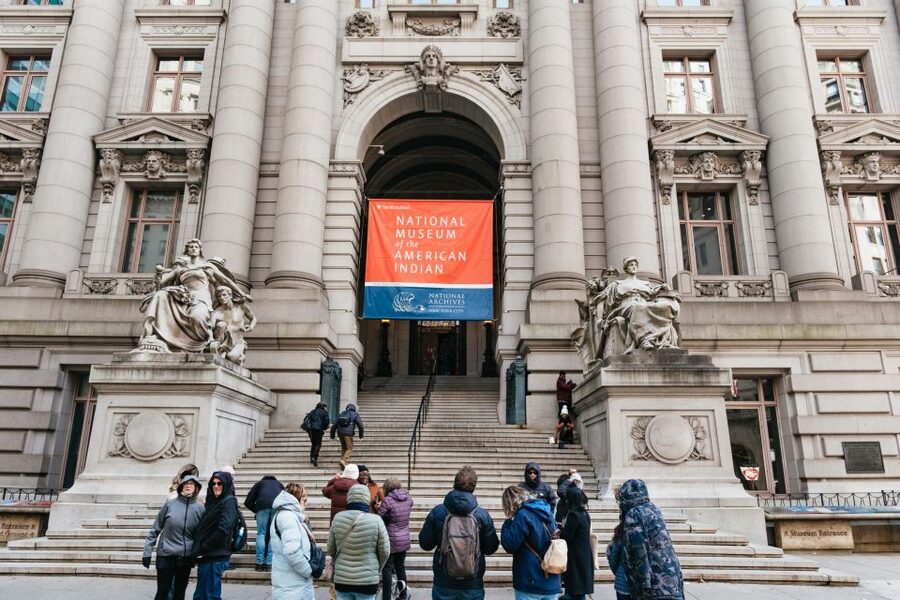
REVIEW · NEW YORK CITY
NYC: History of Slavery & Underground Railroad Walking Tour
New York’s financial district is also a place of slavery, resistance, escape, and remembrance. This walking tour brings that past into view, starting near the American Indian Museum and leading you to the African Burial Ground National Memorial, former Underground Railroad locations, Wall Street, Trinity Church, and Fraunces Tavern. I like that it connects famous sights with stories often left out of standard city tours. I also like the emphasis on real people who risked property, safety, and freedom to help others. The main drawback is that this is a serious subject, and two and a half hours of standing and walking may feel demanding on a hot, wet, or cold day.
You will get the most from this experience if you want context rather than a quick photo stop. Guides including Maia, Maya, Shawn, Shaun, Ludie, and Damaras have led past tours, and the strongest part of the experience is the guide’s ability to explain difficult material clearly while leaving room for questions. Comfortable shoes and weather-ready clothing matter, even though one past participant felt the walking itself was fairly light.
Key points
- African Burial Ground National Memorial: Begin at an archaeological site honoring enslaved Africans buried in colonial New York.
- Underground Railroad stories: Learn how secret routes, safe houses, and trusted contacts helped people flee slavery.
- Lower Manhattan landmarks: See Wall Street, Trinity Church, Fraunces Tavern, and other sites through a different lens.
- New Amsterdam connections: Follow African American history from the city’s early colonial period through abolition.
- Strong guide-led discussion: The tour works best when you ask questions and take time with the human stories.
- Flexible booking: The $49 price includes the walking tour and licensed English-speaking guide, with cancellation up to 24 hours before departure.
Starting at the African Burial Ground
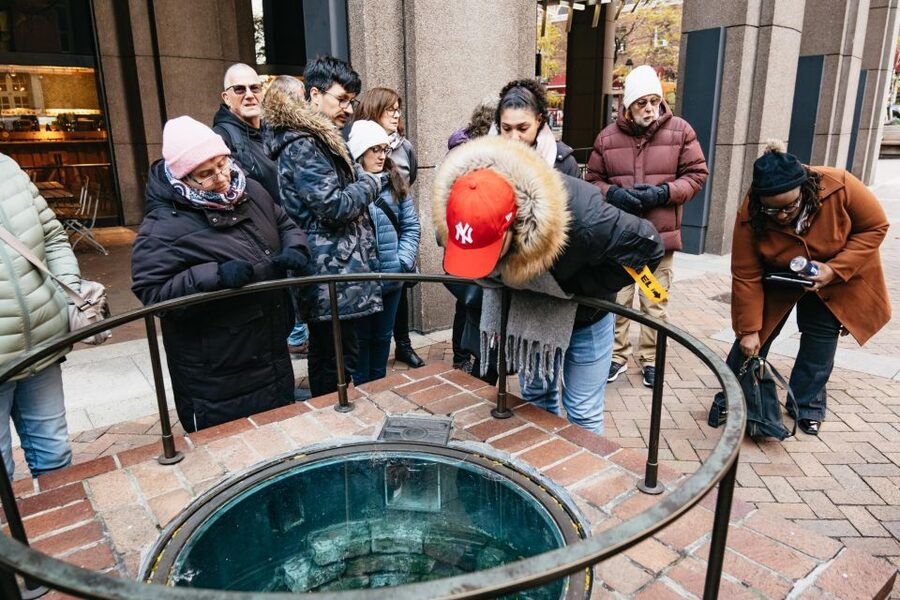
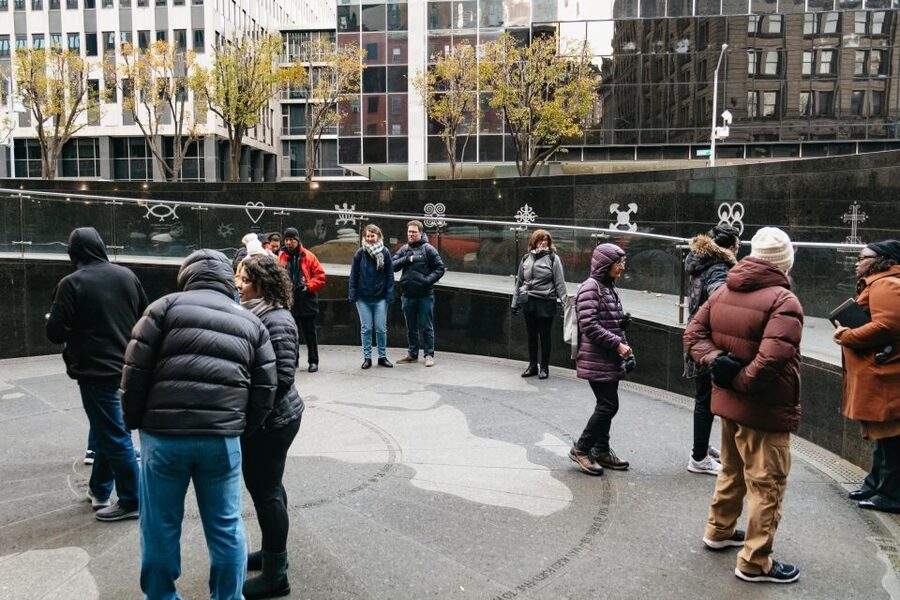
The tour meets in front of the American Indian Museum, a useful Lower Manhattan reference point. From there, the walk turns to the African Burial Ground National Memorial, one of the most important stops of the day.
This archaeological site and memorial honors enslaved Africans and their descendants who were buried outside the original colonial settlement. The burial ground was forgotten for generations before its rediscovery brought national attention to the lives and deaths of people who helped build early New York.
That makes the opening especially effective. You are not beginning with a broad lecture about slavery in the United States. You are standing in a particular place, in the city, with a clear reminder that enslaved people were part of New York from its earliest colonial years.
The memorial also sets the tone. This is not a tour that treats slavery as a distant subject belonging only to plantations in the South. You will learn how slavery shaped New Amsterdam and later New York, including the labor, wealth, laws, and power structures that helped the city grow.
Allow yourself time to listen here. The stop is valuable partly because it corrects a common misunderstanding: New York’s past was not separate from the history of slavery. The city’s northern location did not make it free from the institution.
A few more walking tours around New York City worth a look
- SoHo, Little Italy, and Chinatown Walking Tour in New York
★ 5.0 · 3,153 reviews - Secrets of Grand Central Station Walking Tour New York City
★ 5.0 · 1,796 reviews - Greenwich Village Walking and Food Tasting Tour
★ 5.0 · 1,572 reviews
Following African American New York from New Amsterdam onward
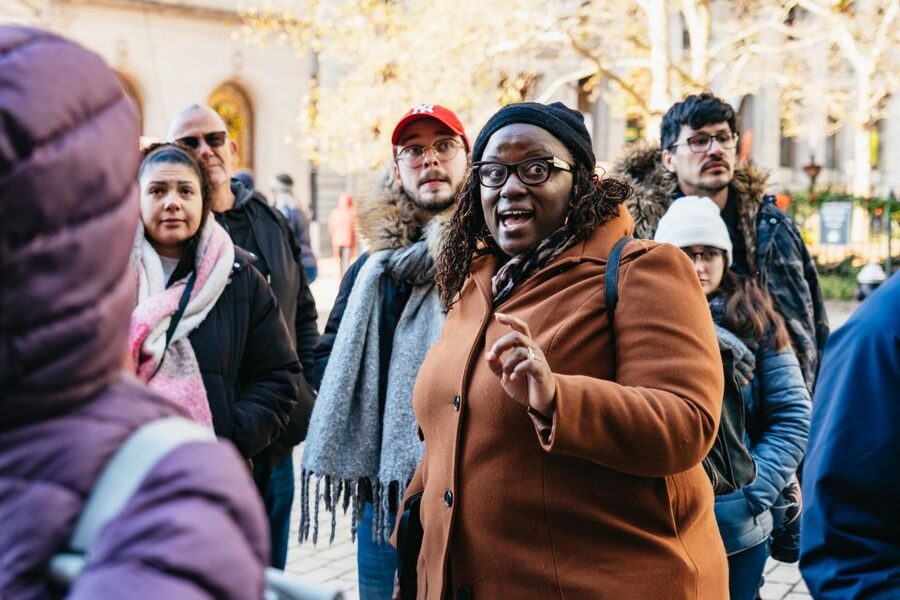
As you walk between stops, the guide places individual stories into the larger story of New York. The tour covers African American life from the formation of New Amsterdam through the period of slavery, resistance, abolition, and the Underground Railroad.
That long time span is one of the tour’s strengths. You are not given a single heroic story and then sent on your way. Instead, the guide explains how laws, commerce, migration, kidnapping, revolt, and resistance affected Black New Yorkers over time.
The subject can be difficult, particularly when the discussion turns to enslaved people being separated from families, targeted by kidnappers, or punished for resisting. A good guide needs more than dates and names. The most effective guides on this walk have included Shawn and Shaun, Maia and Maya, Ludie, and Damaras, with past groups praising their clear explanations, patience, warmth, and willingness to answer uncomfortable questions.
Guide assignments can change, so you should not book expecting a particular person. Still, the repeated strength of the guiding is important. This tour depends on interpretation. You will see streets and buildings that can look ordinary at first glance, and the guide’s job is to explain what happened there and why it mattered.
Wall Street with its earlier history in view
Wall Street is one of New York’s most famous names, usually linked to finance, markets, and modern power. On this tour, you see it as part of a much older system of trade and labor.
The stop helps explain how slavery could exist in a northern commercial center. New York merchants, officials, landowners, and institutions were tied to an economy that depended on enslaved labor and the trade surrounding it. The point is not to claim that every building you pass was an Underground Railroad station. It is to show how a city’s wealth and public life developed alongside the exploitation of Black people.
That shift in viewpoint is useful. You can visit Wall Street on many tours and hear about money, revolution, or skyscrapers. Here, you are asked to consider who worked, who profited, who was denied freedom, and who challenged the system.
The guide also discusses uprisings and other acts of resistance. These stories matter because they place enslaved people at the center of their own lives. They were not simply passive victims of events. They resisted, escaped, organized, protected one another, and pressed against laws designed to keep them controlled.
Trinity Church and the city’s institutions
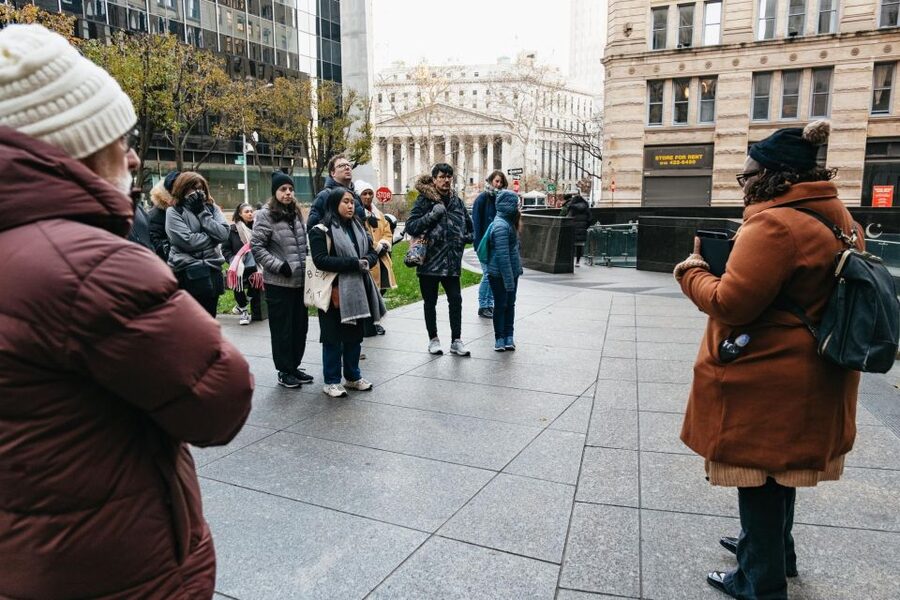
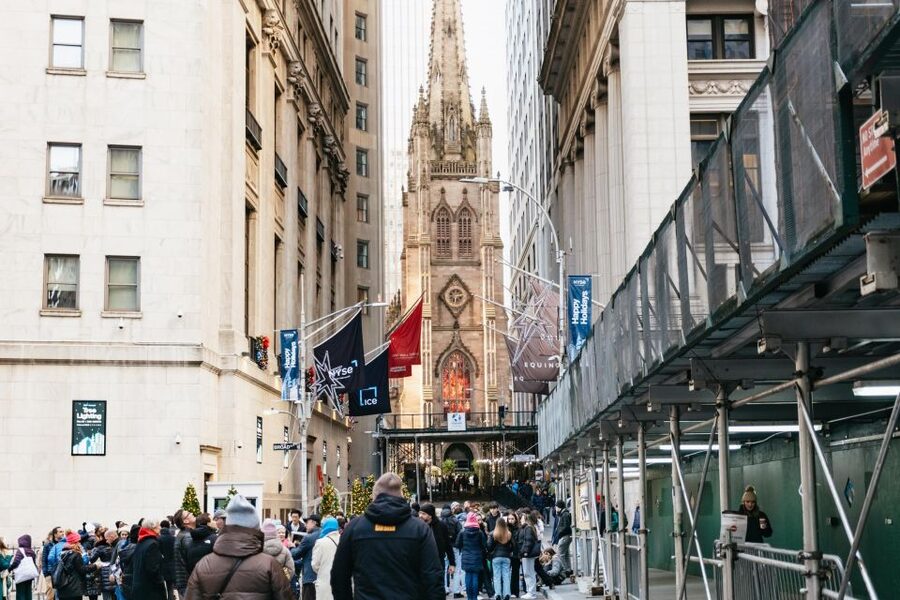
Trinity Church is another familiar Lower Manhattan sight that takes on a different meaning during the walk. The church and the surrounding area connect the tour to the institutions that shaped colonial and early American New York.
The exact details you receive depend on the guide and the flow of the outing, but the larger lesson is clear: religious, political, legal, and commercial institutions all played roles in the city’s treatment of enslaved and free Black residents.
This is where a live guide adds value over a self-guided walk. Plaques and memorials can tell you what a building is, but they rarely explain the links between a church, a street, a business district, and a person trying to escape bondage.
You should expect some of the information to be delivered while standing outdoors near a landmark rather than inside it. The tour is a walking experience, not an interior sightseeing program. If you want to explore Trinity Church or another attraction at length, plan a separate visit.
Same streets, a different route:
- Artistic, Alternative Greenwich Village Walking Tour
★ 5.0 · 971 reviews - True Crime NYC: Mafia Walk w/Ret. NYPD Detective and Local Food
★ 5.0 · 848 reviews - Central Park Guided Walking Tour
★ 5.0 · 774 reviews - New York City: Private Walking Tour with a Local
★ 4.6 · 771 reviews
Fraunces Tavern and the people behind the escape network
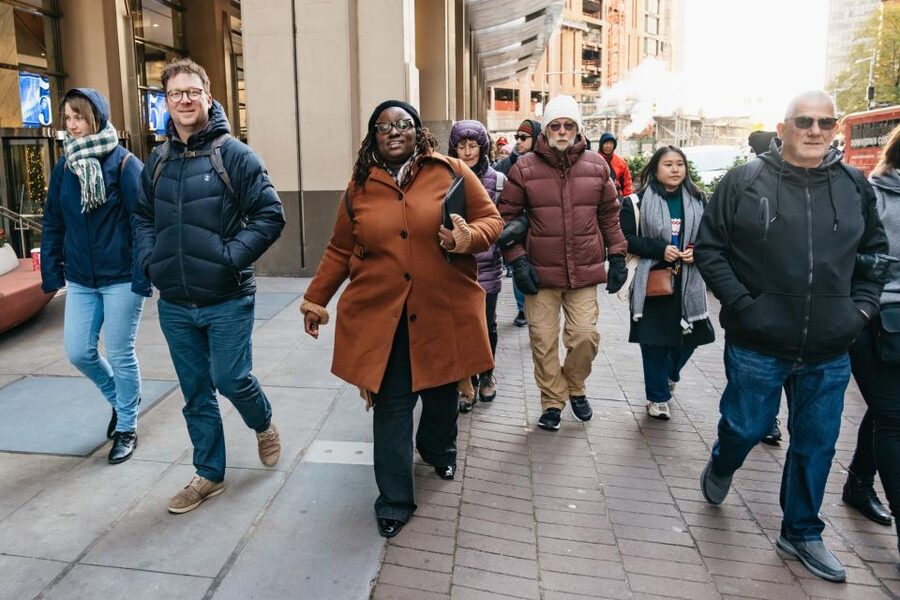
Fraunces Tavern gives the walk another recognizable setting. The building is well known for its place in New York’s early political history, but the tour uses it as part of a wider conversation about slavery, freedom, and the people who moved through the city.
The most compelling stories here concern New Yorkers who helped people escape slavery. These individuals risked their homes, businesses, safety, and property to provide assistance. The guide explains that the Underground Railroad was not a literal railroad and did not operate as one central organization. It was a loose network of secret routes, safe houses, contacts, and short-term refuge.
That distinction is worth hearing. Popular images can make the Underground Railroad seem like a neat chain of marked stations. In reality, secrecy was essential. People depended on trust, coded communication, quick decisions, and the courage of those willing to help.
You will also hear about kidnappings and the danger faced by Black people even in places described as free. Escape did not always mean safety. A person could still be captured, forced back into slavery, or targeted under laws that favored slaveholders.
This section gives the tour emotional weight without turning the past into simple legend. Courage is present, but so are fear, uncertainty, and the very real cost of helping another person.
Former Underground Railroad sites and difficult stories
The tour continues to places associated with the Underground Railroad. Some are former stations or locations connected with escape activity. The value of these stops comes from the contrast between their present appearance and their earlier use.
Today, you may see a normal street corner or an unremarkable building. The guide explains how such places could function as temporary shelters or meeting points, and how people moved through a city without drawing attention.
Do not expect a theatrical reenactment or a trail of obvious signs. The history is often hidden in plain sight. That can make the walk more demanding intellectually, but also more rewarding. You have to picture how a person might have traveled through a crowded city while avoiding police, bounty hunters, informers, and anyone who could expose the escape.
The discussion also covers the revolts, kidnappings, and dramatic escapes that shaped this period. These accounts can be disturbing, so this is not the right tour for someone seeking only light sightseeing. It is designed for people willing to listen carefully and think about the choices faced by enslaved people, free Black New Yorkers, abolitionists, and those who profited from the system.
Why the guide matters more than the walking route
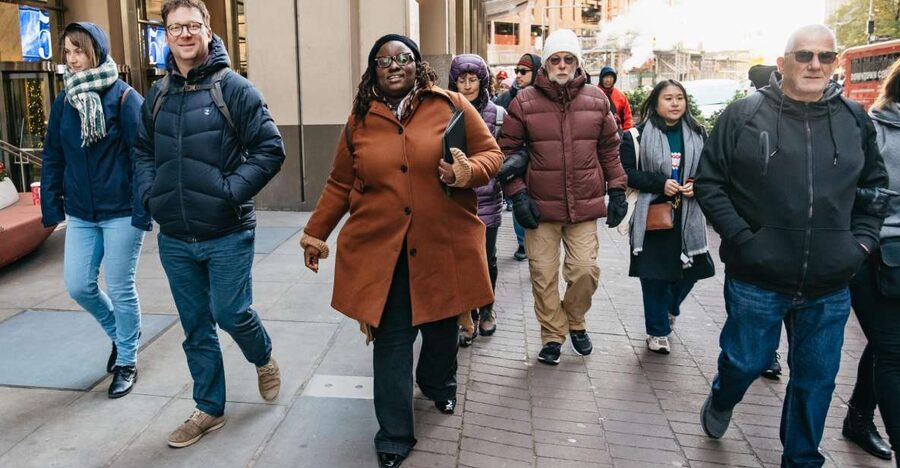
The route includes important places, but the guide is the heart of the experience. Several guides have been praised for making a hard subject understandable, asking thought-provoking questions, and answering questions without avoiding difficult points.
That matters because the physical walk is not especially strenuous by city standards, but the material requires attention. You will spend time listening, looking at sites, and connecting one part of the story to another. A guide who simply recites dates would make the route feel flat. A guide who can explain the human choices behind the events makes the streets easier to read.
The tour has also worked well for local residents. People who grew up in New York have found that it showed them parts of the city’s past they had never studied. That is a good sign for anyone who already knows Lower Manhattan. You do not need to be a first-time visitor to find value here.
Past tours have included people from different countries and backgrounds, and one outing was an intimate group of only three people. Group size can vary, so do not count on a private-feeling walk, but the format allows questions when the group is manageable.
Is $49 a fair price for 150 minutes?
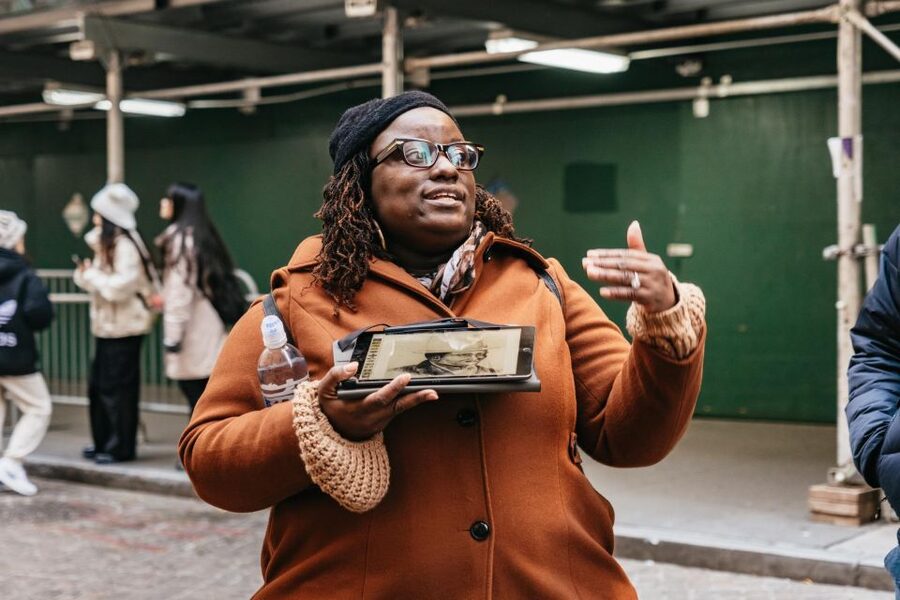
At $49 per person, this is not the cheapest way to walk around Lower Manhattan. You are paying for two and a half hours with a licensed English-speaking guide, not for museum admission, transport, food, or hotel pickup.
I think the price is fair if you want interpretation and a focused subject. The tour covers several significant sites and gives you a framework for understanding them. A free walk can take you past Wall Street, Trinity Church, and Fraunces Tavern, but it will not necessarily explain their connection to slavery, resistance, and Black New York.
The value is lower if you prefer to explore at your own pace, dislike standing in one place to listen, or already know this particular history well. You may also want to budget for a separate visit if you want to go inside historic buildings or spend more time at the African Burial Ground National Memorial.
The booking terms add some practical flexibility. You can reserve now and pay later, and you can cancel up to 24 hours ahead for a full refund. Starting times vary, so check the available departure before planning the rest of your day.
Practical advice for a better walk
Wear comfortable shoes. The walk is described as manageable rather than strenuous, but 150 minutes outdoors still means time on pavement and periods of standing.
Dress for the weather. Much of the experience takes place outside, and rain did not prevent one past group from enjoying the tour because the guide shared some information under shelter. Still, that is not a reason to arrive unprepared.
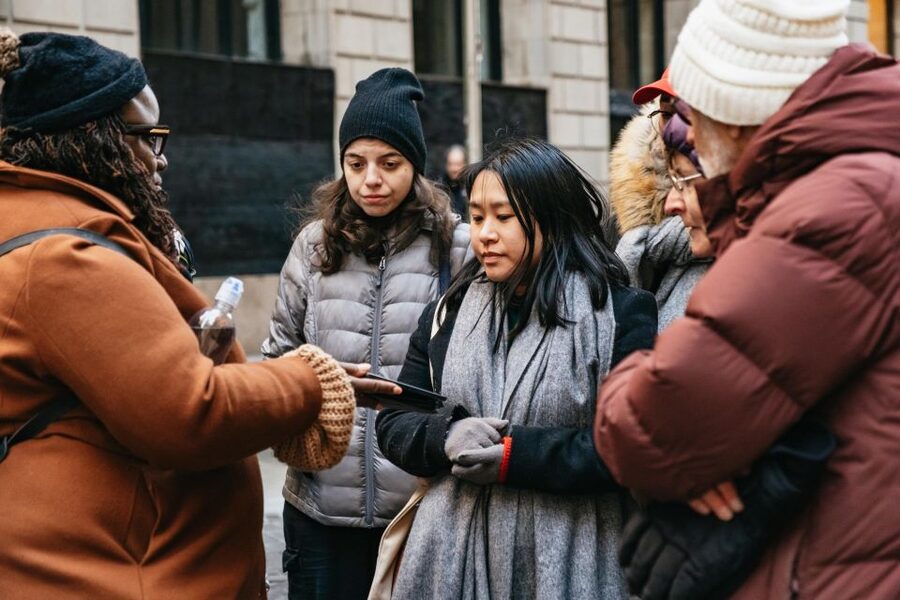
Bring your questions. The best version of this tour is interactive, and past guides have welcomed awkward or challenging questions. You will gain more if you are willing to ask how the Underground Railroad worked, why New York was involved in slavery, and what freedom meant in practice.
Give yourself room afterward. The tour covers slavery, kidnapping, revolt, escape, and abolition in a fairly concentrated period. You may want time to visit the memorial again, read more, or simply process what you heard rather than rushing straight to another major attraction.
Who should book this Lower Manhattan tour?
I would recommend it to first-time visitors who want a more honest picture of New York, local residents who think they already know downtown, students, families with older children, and anyone interested in African American history or abolition.
It is especially useful if you have already seen the standard landmarks and want to understand them in context. The tour does not replace a museum visit or a full study of slavery in New York, but it gives you a strong starting point and a clearer sense of where to continue learning.
I would be cautious about booking it for very young children or anyone expecting an entertaining sightseeing stroll. The material is serious, and the experience depends on listening. The walk is not described as especially difficult, but weather and standing can affect your comfort.
Should you book it?
Book this tour if you want Lower Manhattan to tell a fuller story. The African Burial Ground, Wall Street, Trinity Church, Fraunces Tavern, and Underground Railroad sites become more meaningful when you understand the people and systems connected to them.
Skip it if your priority is interiors, shopping, or a fast tour of famous sights. For $49, the main product is the guide’s explanation and the chance to examine familiar streets through African American history. If that is what you came to New York to learn, the 150 minutes are well spent.
FAQ
Where does the tour meet?
The meeting point is in front of the American Indian Museum.
How long does the tour last?
The walking tour lasts 150 minutes, or two and a half hours.
What language is the tour conducted in?
The tour is conducted in English with a live guide.
What is included in the price?
The $49 price includes the walking tour and a licensed New York tour guide.
Is hotel pickup included?
No. Hotel pickup and drop-off are not included.
Which major sights are included?
The route includes the African Burial Ground National Memorial, Wall Street, Trinity Church, Fraunces Tavern, and other significant locations connected with African American history and the Underground Railroad.
What will I learn about the Underground Railroad?
You will learn how secret routes, safe houses, and networks of trusted people helped enslaved African Americans escape to free states and Canada. The tour also covers revolts, kidnappings, and individual escapes.
What should I bring?
Bring comfortable shoes and clothing suitable for the weather.
Can I cancel the booking?
Yes. You can cancel up to 24 hours before the tour for a full refund. You can also reserve now and pay later.
Just added around New York City
- New York City: Superheroes of NYC Guided Walking Tour★ 4.5 · 271 reviews
- West Harlem: Gospel Church Service and Sunday Walking Tour★ 4.3 · 411 reviews
- SoHo, Little Italy, and Chinatown 2-Hour Guided Walk★ 4.6 · 566 reviews
- New York City: Food Walking Tour of Chinatown & Little Italy★ 4.8 · 195 reviews
- NYC: Brooklyn Graffiti & Street Art Walking Tour in Bushwick★ 4.8 · 492 reviews
- NYC: Brooklyn Bridge and Dumbo Guided Walking Tour★ 4.5 · 186 reviews
- New York City’s Hell’s Kitchen: Walking Food Tour★ 4.8 · 200 reviews
- New York City: Central Park Walking Tour★ 4.7 · 82 reviews
Walking Tours, compared.

Magical London: Harry Potter Guided Walking Tour
Read our review →
Reykjavik Food Walk – Local Foodie Adventure in Iceland
Read our review →
History and Hauntings of Salem Guided Walking Tour
Read our review →
New Orleans Premier Ghost, Voodoo and Vampire Walking Tour
Read our review →
Amsterdam Anne Frank: Small-Group Walking Tour & Local Guide
Read our review →

Edinburgh Castle: Guided Walking Tour with Entry Ticket
Read our review →
Anne Frank’s Story – Guided Walking Tour through Amsterdam
Read our review →Browse the lists this tour appears in