
REVIEW · LONDON
Secret Old London Walking Tour
London’s polished financial district hides a rougher past. On this 90-minute walk from Barbican, you’ll pass a former plague burial ground, the site of public executions, a medieval church, and the remains of a church destroyed in the Blitz. It is London with the fancy cover peeled off.
I like the strong storytelling, especially when guides such as Jess, Rosie, Jeremy, and Pepe connect history with architecture, politics, language, and local legends. I also like the compact route: for $26, you get a focused look at corners most visitors miss without giving up half a day.
The main drawback is that the tour covers a lot in a short time. You may wish for more time at several stops, and one participant felt the advertised William Wallace connection was not covered. Bring comfortable shoes, and remember that the walk runs outdoors in London weather.
Key points to know before you go
- Start at Barbican Underground Station: The meeting point puts you in the middle of one of London’s most layered districts from the first step.
- Walk through Charterhouse Square: This quiet garden area once served as a burial ground during the Black Death.
- Face Smithfield’s grim past: Medieval jousts and executions took place around this historic open space.
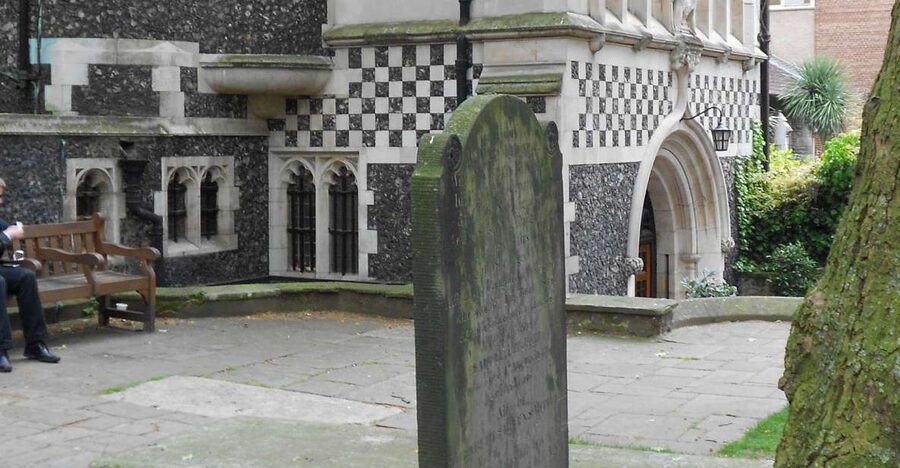
- Visit St Bartholomew the Great: The medieval church has appeared in Four Weddings & a Funeral and Sherlock Holmes.
- Find a memorial to heroic self-sacrifice: The route includes a touching memorial tucked into a city park.
- Finish near Roman and Blitz-era remains: You’ll locate the old Roman amphitheatre site and enter the shell of a church destroyed during the Blitz.
Why this old London walk is different
Many London walks follow a familiar script: royal palaces, grand avenues, famous bridges. This one heads into the City of London, where modern office blocks sit over layers of Roman, medieval, Tudor, and wartime history.
I like that contrast. You might be looking at glass towers one moment and then hearing about plague pits, religious houses, or public executions the next. The route makes an important point about London: the past is not kept in one tidy historic quarter. It is under your feet, behind office buildings, and sometimes tucked into a small churchyard.
The tone is not a solemn lecture. The subject matter includes disease, executions, violence, and death, but the guides use humor and vivid stories to keep the walk moving. Past participants have singled out the entertaining delivery of Jess, Rosie, Jeremy, and Pepe. One guide was praised for linking history with politics, architecture, and the development of language.
That variety matters. You are not simply memorizing dates. You are learning how old London worked, how its streets changed, and why certain places still feel unusual today.
A few more walking tours around London worth a look
- Magical London: Harry Potter Guided Walking Tour
★ 4.7 · 22,044 reviews - London: The Original Jack the Ripper Walking Tour
★ 4.7 · 7,833 reviews - Tour for Muggles The Ultimate Harry Potter Walking Tour in London
★ 5.0 · 4,684 reviews
Starting at Barbican and entering old London
The meeting point is outside Barbican Underground Station. This is a useful starting place because the Barbican area itself reflects the way London has been rebuilt over and over. You begin in a modern district, then move toward older streets and sites with medieval connections.
The walk is 1.5 hours, so the guide has to keep a firm pace. The route is long enough to feel substantial, but short enough to fit into a morning or afternoon alongside other plans. I would schedule it early in a London stay if you want a better sense of the City before exploring it on your own.
You will be on foot for the whole experience. Comfortable shoes are listed as essential, and that is sensible advice. London weather can change quickly, and the tour continues outdoors in rain or cold. One winter participant enjoyed the walk but felt that longer pauses for pictures made it harder to stay warm. On a cold day, keep moving and dress for the forecast.
The tour is listed as wheelchair accessible. If you use a wheelchair and want to confirm the exact route conditions, ask the operator before booking, since historic streets and older sites can vary in ease of access.
Charterhouse Square and the Black Death
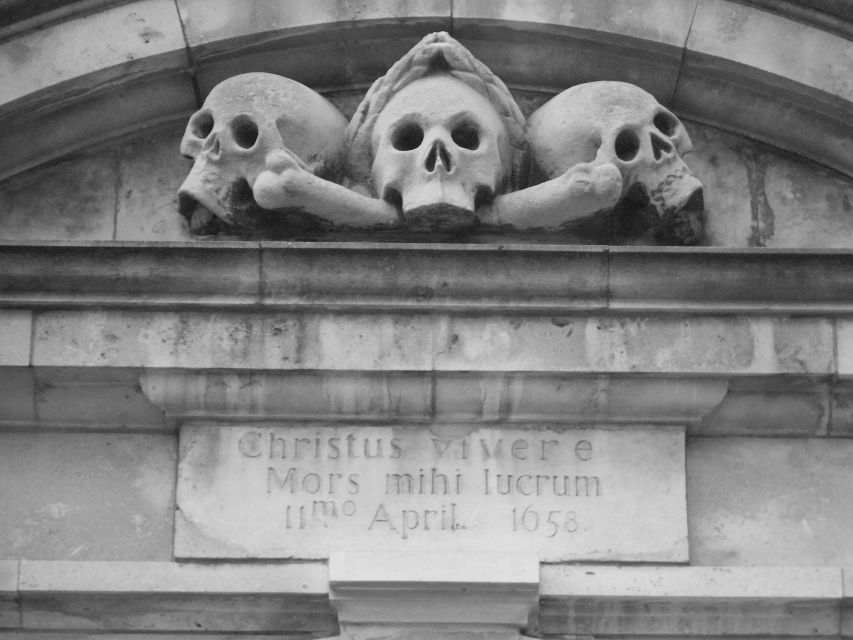
Charterhouse Square is one of the route’s best mood changes. Its quiet, green setting may feel removed from the noise of central London, but six centuries ago it was associated with one of the city’s worst plague burial areas.
This is where the walk’s darker side begins. The Black Death killed on a huge scale across Europe and changed London’s population, economy, religious life, and daily habits. You do not need a long academic explanation to understand the force of the place. A peaceful square becomes more troubling once you know what lies beneath its story.
The guide’s job here is to connect the setting with ordinary people. Rather than treating the plague as a distant disaster, a good explanation helps you picture a crowded medieval city with limited medical knowledge and little ability to control infection.
The square is also a reminder that London’s quietest corners can carry the heaviest stories. You may pass through without noticing anything unusual if you are on your own. With a guide, the place becomes a key to understanding the city’s past.
Smithfield, executions, and public spectacle
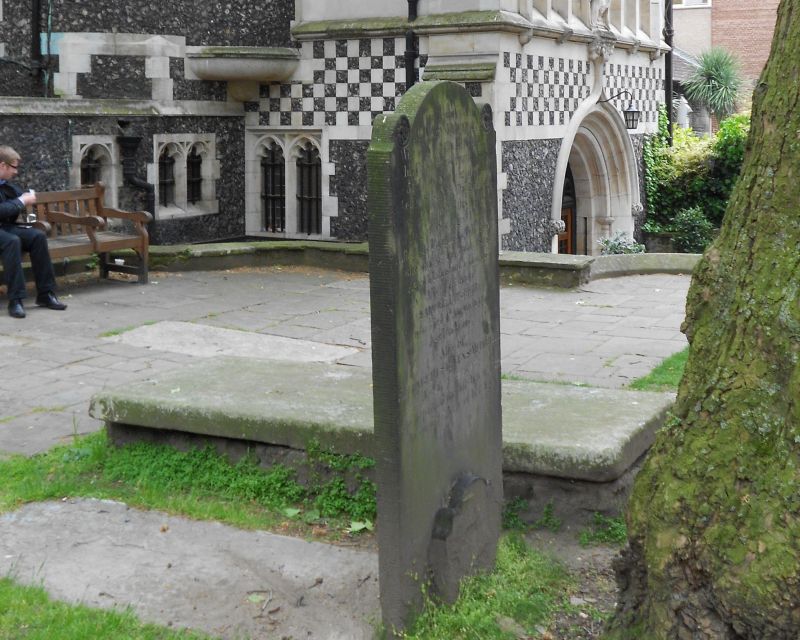
From Charterhouse Square, the route reaches Smithfield, an open space with a long history of markets, public events, jousts, and executions. This is the portion most likely to appeal to anyone interested in London’s grimmer stories.
Smithfield was not simply a place where people were punished. It was also a public stage. Medieval and Tudor authorities used events like executions to display power, warn the population, and make an example of the condemned. The tour asks you to imagine the fear and noise of those gatherings while you stand in a place that now feels far more ordinary.
William Wallace, the Scottish figure associated with Braveheart, is included in the tour’s advertised themes. One important point for your planning: at least one participant felt the guide did not mention him, so do not book this walk solely for that story. The broader Smithfield history remains central, but individual topics may depend on the guide and the time available.
I appreciate that the walk does not soften the past. London’s history includes courage and beauty, but it also includes punishment, disease, religious conflict, and spectacle. You get a more honest picture when all of those parts are included.
Same streets, a different route:
- London Jack The Ripper Guided Walking Tour
★ 5.0 · 3,131 reviews - London: Harry Potter Movies Walking Tour (Kids Go Free)
★ 4.7 · 3,071 reviews - London Bridge & Borough Market Food Tour with 7 Authentic Dishes
★ 5.0 · 1,972 reviews - Changing of the Guard Guided Walking Tour in London
★ 5.0 · 1,793 reviews
St Bartholomew the Great and medieval London
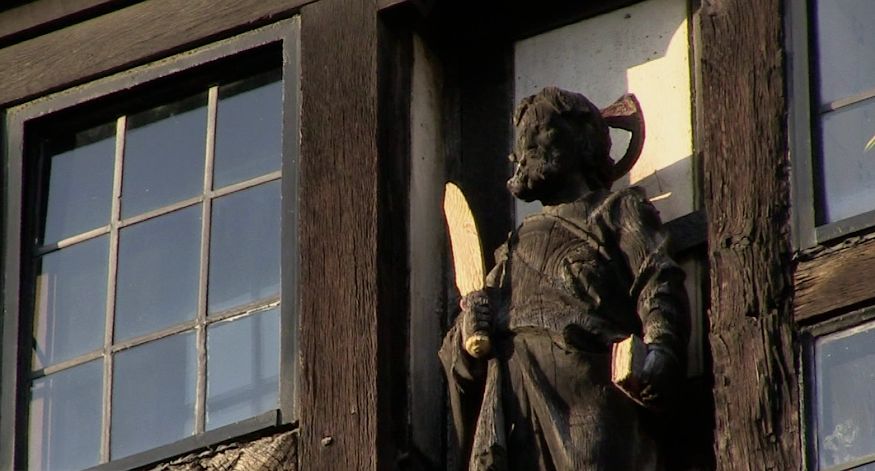
Between the plague grounds and Smithfield is St Bartholomew the Great, one of London’s most important medieval churches. Its age and setting give the tour a welcome change of pace after the harsher Smithfield stories.
The church is also familiar from film. It was used in Four Weddings & a Funeral and Sherlock Holmes, which gives you a fun bit of modern context without reducing the building to a movie location. The main reason to stop is its medieval character and its connection to the religious institutions that once shaped this part of London.
The guides bring extra value here by discussing monasteries, church life, architecture, and the way the surrounding area developed. Catherine specifically appreciated learning about monasteries and small gardens that she would not have found by searching online. That is the strength of a good walking tour: the guide can point out relationships between places that a map does not explain.
You should expect observation and storytelling rather than a long formal visit inside every building. The tour has several stops, and the guide must balance detail with forward movement. If you want a slow architectural study of St Bartholomew the Great, return later with more time.
A church shell and the memory of the Blitz
Later, the route passes through the shell of a church destroyed during the Blitz. The remains offer a different kind of history from the medieval sites. Here, the damage is recent enough to feel connected to modern London, yet the ruined structure has already become part of the city’s everyday surroundings.
I like this stop because it shows how London preserves destruction as well as beauty. A restored church can tell you about craftsmanship and faith. A bombed-out shell also tells you about loss, survival, and the choices a city makes after war.
The contrast with St Bartholomew the Great is useful. One church carries medieval survival; the other records twentieth-century damage. In a short walk, you see how religious buildings can serve as markers for several different eras.
The site also helps prevent the tour from becoming only a procession of medieval horrors. The walk moves from plague and executions to wartime memory, then back toward Roman London. The result is a broader portrait of the city rather than a single-theme ghost walk.
The memorial to heroic self-sacrifice
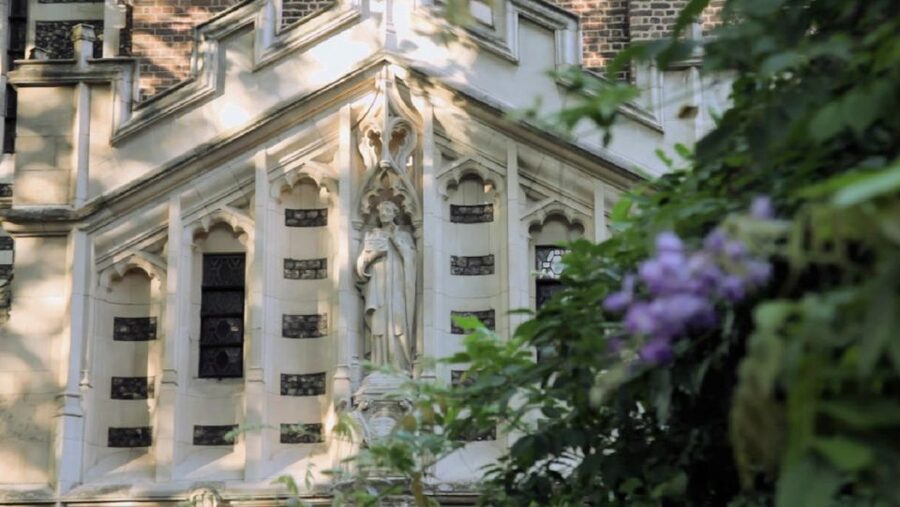
The route includes a small memorial in a city park honoring people who died while saving others. It is one of the more touching stops, and it gives the tour an emotional balance.
After hearing about executions and plague, you get a place focused on courage and ordinary acts of self-sacrifice. The memorial is easy to overlook if you do not know where to look. That is precisely why the stop works well with a guide. You are not only shown a monument, you are given the human stories that make it matter.
This part of the walk may appeal to you if you prefer history tied to individual lives. The most effective city tours move between large events and small personal choices. Here, the guide can make a quiet park feel as important as a famous square.
It is also a good reminder that the tour is not simply about gore. The darker material attracts attention, but the route includes compassion, bravery, faith, and memory as well.
Finding London’s lost Roman amphitheatre
The final major historical layer is Roman London. The walk takes you to the location and perimeter of the city’s long-lost Roman amphitheatre.
You should set your expectations correctly. This is a location-based discovery, not a full amphitheatre visit with towering ruins in the open air. The value comes from understanding where the Roman structure once sat and how much of ancient London has been absorbed into the modern city.
That kind of stop rewards imagination. The guide helps you picture a Roman public building beneath the streets and offices around you. It also ties the whole route together. London was not created in the medieval period, and it did not begin with the Romans either, but Roman foundations shaped the city that followed.
For me, this is one of the best reasons to choose the walk over a standard sightseeing circuit. You learn to read the city by clues. A street line, an open space, or an odd gap between buildings can point to an earlier London that is no longer visible at first glance.
The guides make or break the experience
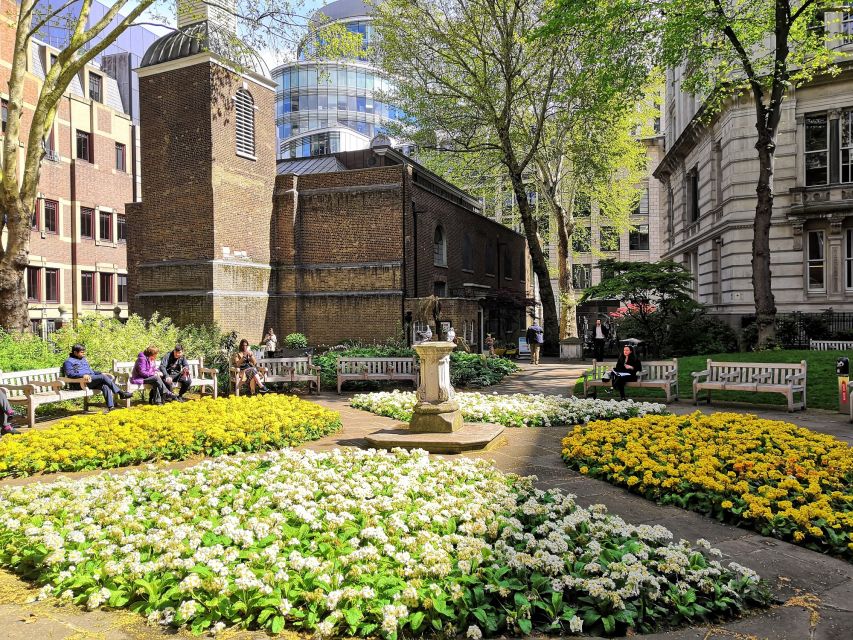
The strongest praise is directed at the guides’ delivery. Jess is described as funny, enthusiastic, and very well prepared. Rosie is praised for lively talks and a wide range of stories. Jeremy is remembered for making detailed information entertaining, while Pepe is described as a real star.
Those comments point to a clear pattern: the experience depends heavily on who leads your group. The content is strong, but the guide’s timing, humor, and ability to answer questions shape the day.
You should expect an English-language tour. A good guide will keep the stories moving and give you enough context to understand what you are seeing. The pace has been described as comfortable, though one person felt there was so much information that it was hard to remember everything.
Do not worry about retaining every date. Focus on the places and the connections between them. You can always return to a church or square later if one story catches your interest.
Price, pace, and who should book
At $26 per person, this is good value if you want a compact introduction to lesser-seen central London. You are paying for 90 minutes of guiding rather than entry to a major attraction, so the value rests on the quality of the explanation. The strong rating of 4.8 from 154 reviews suggests that the guides have generally delivered that value well.
The price is especially reasonable for London if you enjoy history and would otherwise walk past these sites without understanding them. It is less useful if you prefer to move at your own pace, take long photographs, or spend half an hour inside one church.
I would recommend it for:
- First-time visitors who have already seen the main royal sights
- Repeat visitors who want a less familiar side of London
- London residents looking for a smart local day out
- History fans interested in Roman, medieval, Tudor, and wartime London
- Families with children over 12 who can handle grim historical subjects
- Small work or social groups looking for an easy shared activity
I would think twice if you dislike stories about executions, plague, or death. The walk is not suitable for pets, apart from guide dogs, and large bags or luggage are not allowed. Video recording is also not permitted. Refreshments are not included, so have water or a drink before you meet the guide.
Should you book the Secret Old London Walking Tour?
Book it if you want London history delivered through places rather than a museum display. The route gives you Charterhouse Square, Smithfield, St Bartholomew the Great, a Blitz-damaged church, a memorial to self-sacrifice, and the Roman amphitheatre site in one manageable outing.
I would choose it for the guide-led stories and the unusual route, not for a promise that every advertised detail will receive equal attention. Ask about William Wallace if that subject matters to you, and leave extra time after the tour to revisit the church or explore the area on your own.
For $26, this is a practical way to see an older, stranger, and more human side of London. Put on good shoes, dress for the weather, and expect to look at familiar streets differently by the time you finish.
FAQ
Where does the Secret Old London Walking Tour begin?
The tour begins outside Barbican Underground Station.
How long does the walking tour last?
The tour lasts 1.5 hours.
How much does the tour cost?
The listed price is $26 per person.
What language is the tour conducted in?
The live tour is conducted in English.
Is the tour suitable for children?
The tour is suitable for people over 12.
Is the tour wheelchair accessible?
The activity is listed as wheelchair accessible.
Are dogs allowed?
Dogs are not permitted, except for guide dogs.
What should I bring?
Bring comfortable shoes. Refreshments are not included, and large bags or luggage are not allowed. Video recording is also prohibited.
Just added around London
- German London : The Ultimate Walking tour★ 4.8 · 400 reviews
- London: Medieval History Walking Tour from The Tower★ 4.9 · 318 reviews
- The Beatles London Walking Tour★ 4.2 · 147 reviews
- Secrets of London Walking Tour★ 4.7 · 562 reviews
- London: Notting Hill Walking Tour★ 4.5 · 254 reviews
- London: Old City Walking Tour★ 4.8 · 135 reviews
- London: Witches and History Bankside Walking Tour★ 4.8 · 223 reviews
- London: Palaces and Parliament Walking Tour★ 4.8 · 365 reviews
Walking Tours, compared.

Magical London: Harry Potter Guided Walking Tour
Read our review →
Reykjavik Food Walk – Local Foodie Adventure in Iceland
Read our review →
History and Hauntings of Salem Guided Walking Tour
Read our review →
New Orleans Premier Ghost, Voodoo and Vampire Walking Tour
Read our review →
Amsterdam Anne Frank: Small-Group Walking Tour & Local Guide
Read our review →

Edinburgh Castle: Guided Walking Tour with Entry Ticket
Read our review →
Anne Frank’s Story – Guided Walking Tour through Amsterdam
Read our review →Browse the lists this tour appears in