
REVIEW · ROME
Rome: Trastevere Street Food Walking Tour with Local Expert
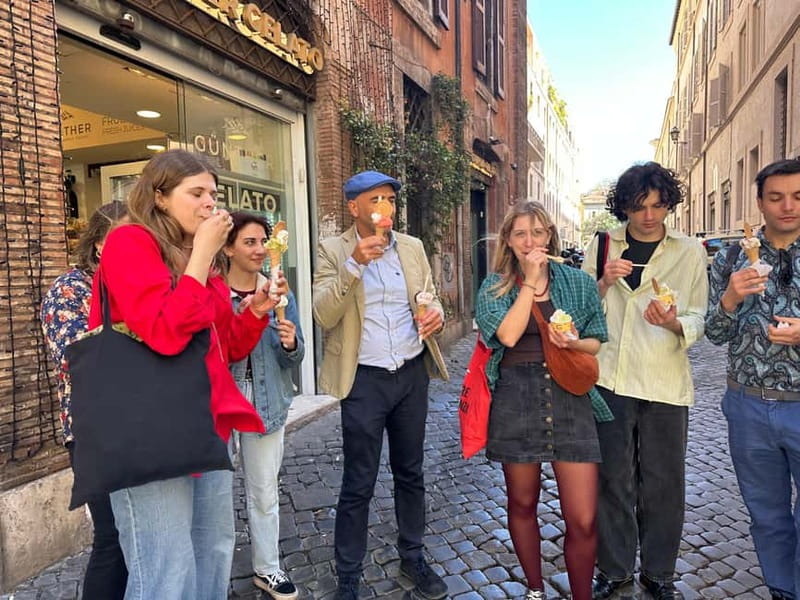
Trastevere is at its best when you are walking slowly, eating often, and letting a local guide connect the food to the neighborhood. This tour begins on Tiber Island and threads through old lanes, bakeries, food shops, churches, and riverside viewpoints, ending with artisanal gelato near Ponte Sisto.
I like the mix of Roman street food and local history, especially the chance to try supplì, pizza, cured meats, cheese, pastries, and gelato in one outing. I also like the small-group limit of 14 people. The main caution is that the portions vary, and the included wine and beer may feel modest if you are expecting full drinks at every stop.
Key points
- Supplì and Roman pizza: Try two of the city’s most familiar quick bites, along with pastries and other local specialties.
- A walk through old Trastevere: See Santa Cecilia, Santa Maria in Trastevere, Piazza Trilussa, and Ponte Sisto.
- Friendly local guides: Guides including Ramona, Marco, Mattia, Chiara, Francesca, and Tiziano bring personal stories and food knowledge.
- A relaxed 2.5-hour pace: The route includes short walks between stops, making it manageable for most visitors who can walk comfortably.
- Useful early-trip experience: Guides often share restaurant tips and help you get your bearings in Trastevere.
- Dietary limits matter: Vegetarian choices are available, but the tour is not suitable for vegans or people with gluten intolerance.
Why this Trastevere food walk works
At $57 per person, this is not the cheapest way to eat in Rome. But you are paying for several tastings, drinks, a licensed guide, and a guided walk through one of Rome’s most atmospheric districts.
The real value is variety. Instead of ordering one Roman meal and hoping you chose well, you sample a string of foods in different settings. You also get explanations along the way, which helps you understand the difference between a snack such as supplì and the bakery foods you might otherwise pass without noticing.
I especially like this kind of tour at the beginning of a Rome stay. You learn where Trastevere sits, how its lanes connect, and which foods you may want to seek out again. Several guides also offer practical dining suggestions at the end, giving you ideas for later meals.
The tour is conducted in English and normally stays to a small group of no more than 14 people. That matters in narrow streets and small shops. It also gives you a better chance to ask questions, hear the guide, and keep the group moving without a lot of waiting.
More Food Walking Tours in Italy
- Rome: Guided Food Walking Tour with Wine in Trastevere
★ 4.9 · 3,105 reviews - Rome: Trastevere & Campo de Fiori Street Food Walking Tour
★ 4.9 · 2,768 reviews - Rome Food Tour in the Historic Centre with 8+ Food Tastings
★ 5.0 · 1,000 reviews
Starting on Tiber Island
You meet by the obelisk in front of the Church of San Bartolomeo on Piazza San Bartolomeo all’Isola. This is a useful meeting point because Tiber Island is easy to identify, but give yourself time to find the obelisk rather than simply searching for a street address.
Tiber Island sits in the middle of the Tiber and provides a natural bridge between central Rome and Trastevere. From here, the tour crosses into the medieval side of the neighborhood, where the pace quickly shifts from major monuments to small streets and local businesses.
The opening sightseeing stop includes the Church of Saint Benedict, followed by a short walk. You then begin reaching the food stops. This gradual start works well because the guide can set the scene before the eating begins.
Santa Cecilia and the traditional side of Trastevere
One of the early sights is the Church of Santa Cecilia, associated with the patron saint of musicians. The stop helps show that Trastevere is more than a nightlife district. Its lanes still contain churches, old workshops, food shops, and family-run businesses.
The neighborhood has changed over time, but the tour focuses on places connected with everyday Roman food culture. You may pass old-school craftsmen and traders whose work has not been reshaped entirely for visitors. That local detail is part of the appeal.
I would not book this expecting a formal church tour. Sightseeing stops are short, often around five to ten minutes, and the emphasis stays on the neighborhood and its food. You get useful context, then keep moving.
Bakery pastries and the first tastes
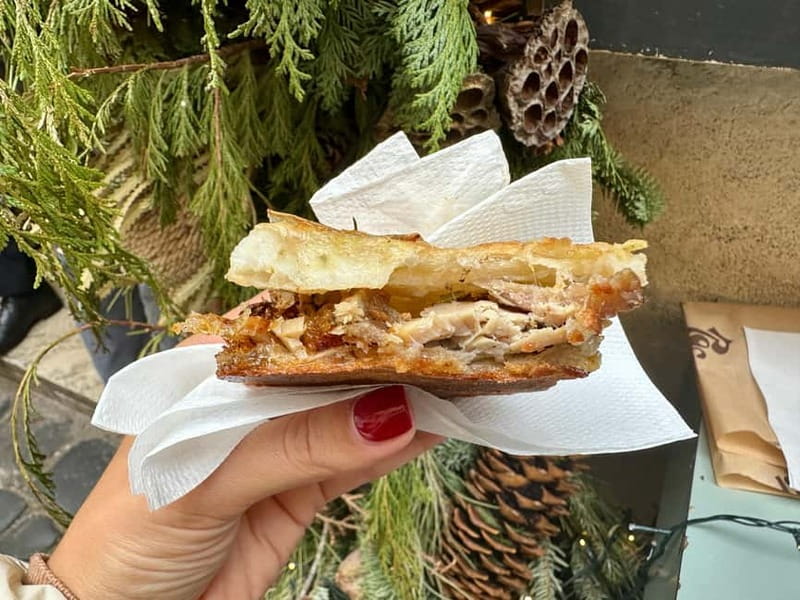
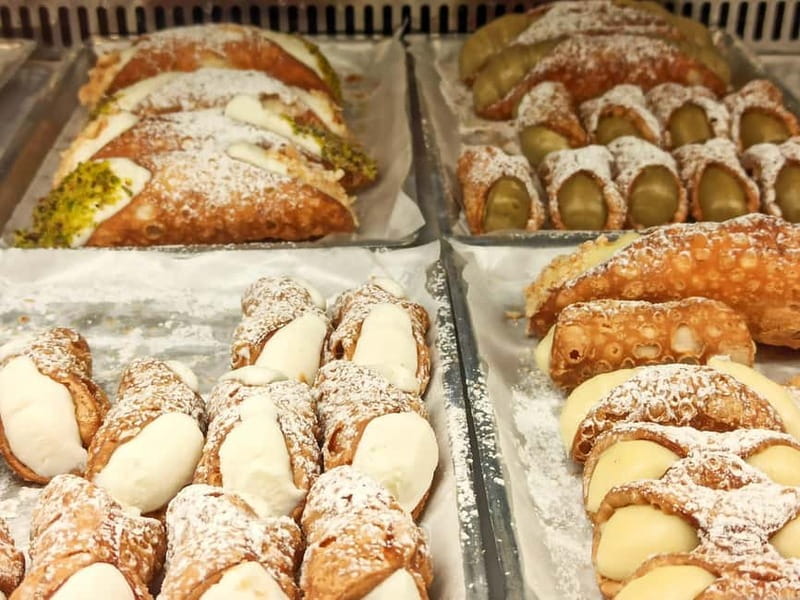
A local bakery provides one of the first substantial food stops. You can expect regional pastries and a chance to see how bakery food fits into Roman daily life.
The route then moves to another food stop, described as a carefully chosen local shop. A typical tasting includes cured meats and cheese, paired with wine. This is a good reminder that Roman street food is not limited to fried snacks and pizza. Simple ingredients, local curing, and the setting of an old food shop are part of the experience.
The guide may explain how the food is made or how it has been eaten in Roman homes. Guides such as Marco and Ramona have been praised for connecting the dishes to family traditions and personal memories. That kind of storytelling can make a small slice of salami more interesting than it sounds on paper.
Portions are tasting portions, not a succession of restaurant meals. One person specifically found some servings light, while another found the total amount enough to replace dinner. Your appetite and the day’s schedule will make the difference.
Same streets, a different route:
- Rome: Paranormal Night Walking Tour & Secret Backstreets
★ 4.9 · 1,921 reviews - Rome: Colosseum Arena, Roman Forum & Palatine Hill Tour
★ 4.5 · 1,874 reviews - Rome: Small-Group Guided Day or Night Walking Tour
★ 4.8 · 1,009 reviews - Rome by Night Walking Tour – Legends & Criminal Stories
★ 4.5 · 1,003 reviews
Supplì, Rome’s essential fried snack
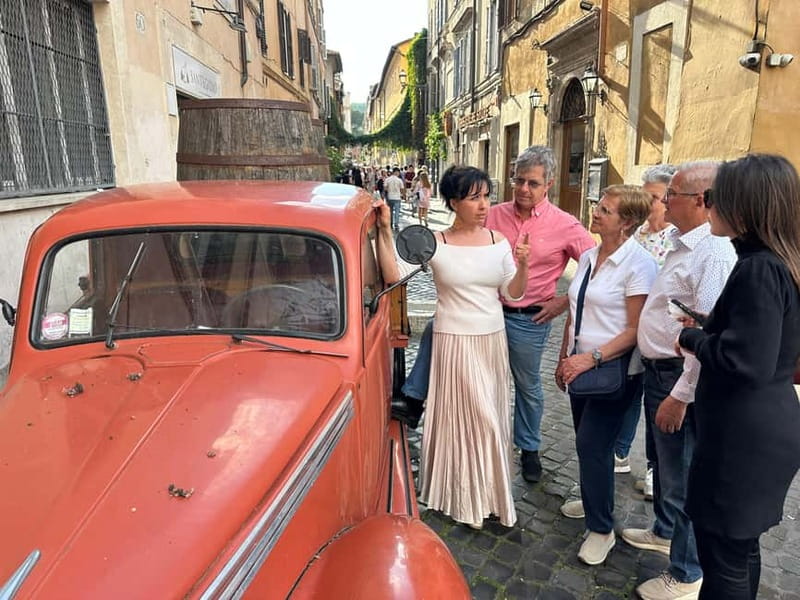
Supplì is one of the most important stops on the walk. This handmade Roman snack is a fried rice ball, commonly associated with tomato and cheese, though the exact preparation can vary.
For many people, it is the tour’s best introduction to Roman street food. It is compact, filling, and easy to eat while standing or walking between stops. Several comments singled it out as a favorite, so this is the bite I would pay close attention to.
The tour does not treat food as a checklist. Your guide may explain what makes supplì Roman and how it differs from other fried foods found around Italy. That context is useful when you later see supplì on a menu and want to order it without hesitation.
The short walks between stops also help. You are not sitting down for a long lunch. Instead, you eat a little, walk through Trastevere, and let the next stop reset your appetite.
Santa Maria in Trastevere
Santa Maria in Trastevere is the district’s largest and most important church, and the route pauses here for sightseeing and photographs. The church gives the tour a strong visual center after the smaller lanes and food shops.
You should think of this as a brief orientation stop rather than an extended art-history visit. The guide may point out features and explain the church’s place in Trastevere, but the schedule allows around ten minutes.
That balance suits the tour. You get enough time to appreciate the building, then return to the neighborhood streets. If you want a long, quiet visit inside Santa Maria in Trastevere, plan to return on your own.
Pizza, beer, and the busiest food stretch
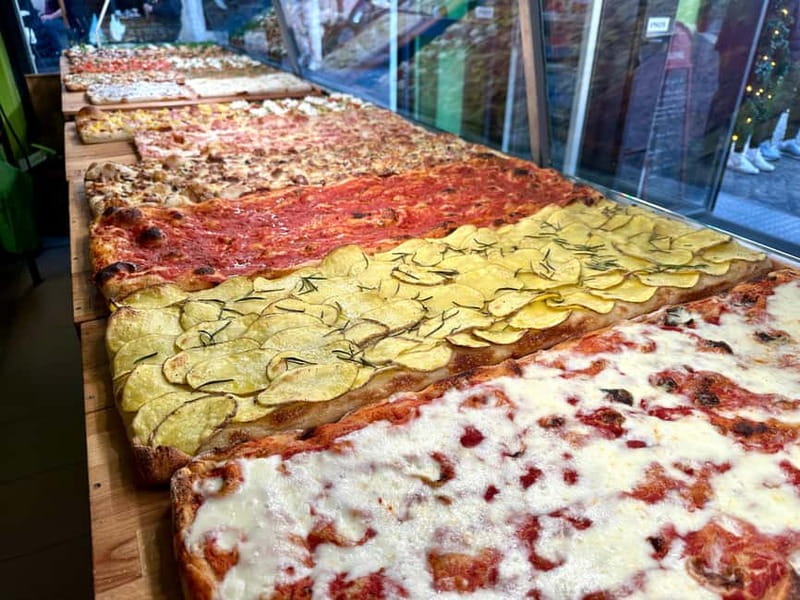
A traditional bakery or local food stop follows, with several kinds of pizza and a fresh beer. Roman bakery pizza is often sold by weight or in cut pieces, making it different from the round sit-down pizzas many visitors expect.
This is one of the most practical tastings because it shows you how locals can eat quickly without settling into a full restaurant meal. You can compare toppings and textures, then ask the guide what to look for when buying pizza elsewhere.
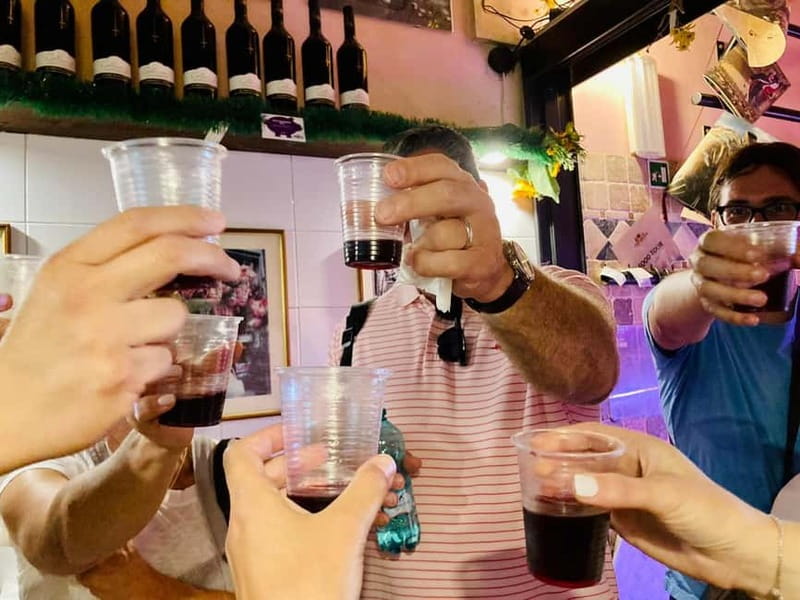
The included beer adds a welcome change from wine. Still, be realistic about the drinks. The tour includes samples of wine and beer, but extra drinks are not included. One group felt that the amount of wine was small for a large party, so you may want to buy another drink if you prefer a fuller serving.
The food schedule is generous enough that you should not eat a large meal immediately beforehand. At the same time, you may not feel ready for a late dinner afterward. The exact amount depends on the day’s stops and your guide.
Piazza Trilussa and the evening atmosphere
After the savory stops, the walk continues toward Piazza Trilussa. The square is named for a well-known Roman poet of the last century and serves as one of the neighborhood’s recognizable gathering places.
This is a good place to pause and watch Trastevere’s social life without turning the tour into a nightlife crawl. The square connects the food route with the wider character of the district: public spaces, fountains, lanes, and people meeting before dinner.
The guide’s role matters here. Tiziano, Mattia, Chiara, Francesca, and other guides have been praised for mixing local stories with food explanations. The strongest guides help you notice how the neighborhood feels, not just where the next tasting is located.
The route remains fairly leisurely. People who dislike rushed walking should appreciate that. You still need comfortable shoes, since the tour involves several sections on foot and uneven city streets.
Ponte Sisto and the view toward Saint Peter’s
The walk reaches Ponte Sisto for a short photo stop and scenic views. Bring your camera for the view of Saint Peter’s dome, known locally as the big Cupolone, appearing beyond the bridge.
This is a fine visual pause near the end of the route. After spending most of the tour among close lanes and food counters, the bridge opens the view and gives you a clearer sense of Rome’s scale.
The bridge stop is brief, around three minutes, so do not expect a long photography session. You will have time for a quick look and a few pictures before continuing to the final tasting.
The tour ends on Via dei Pettinari, close to the river and within reach of central Rome. You are not returned to the meeting point, so pay attention to the ending location when planning your next stop.
Gelato finishes the route
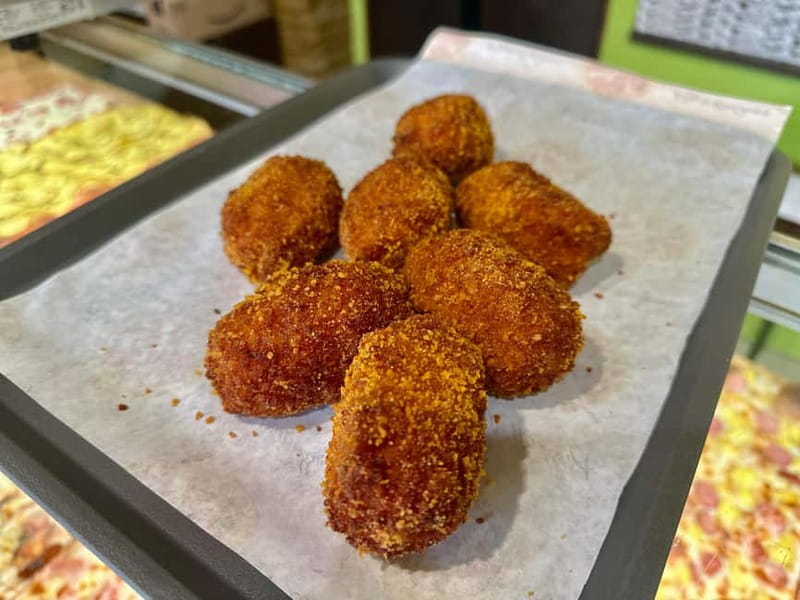
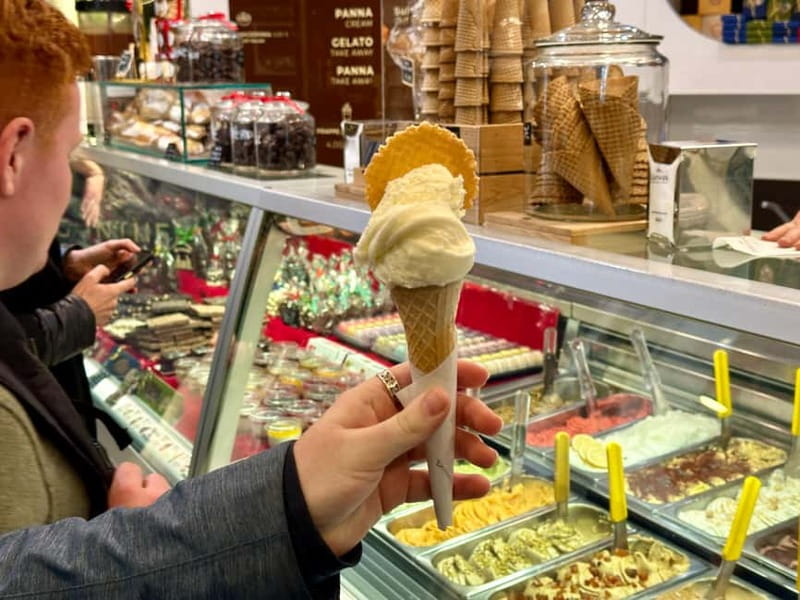
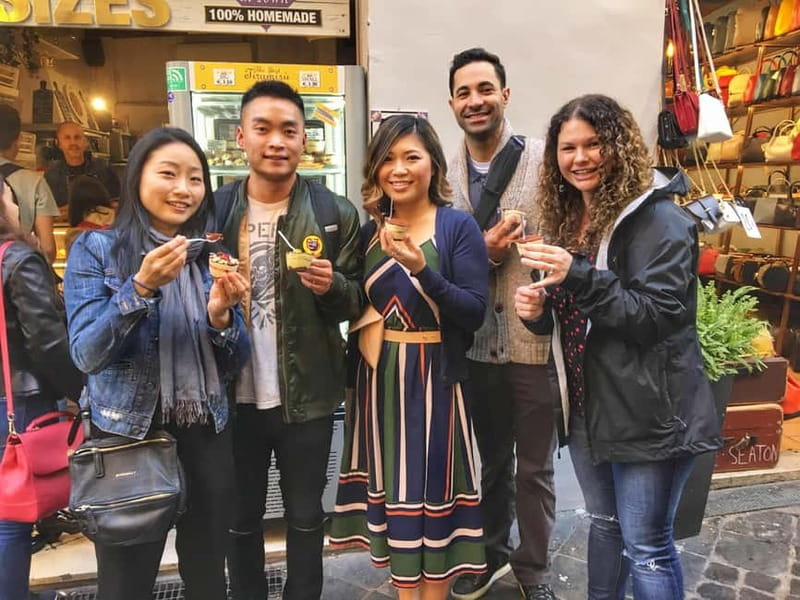
The final food stop is an artisanal gelato tasting. It is an effective finish because it changes the mood from savory food and wine to something cold and sweet.
The gelato also gives you a simple test for later visits. You can ask the guide how to spot a good shop and which flavors are worth trying. Since gelato is often eaten casually between sights, this advice can be useful throughout your stay.
The final stop is not a full dessert course in a restaurant. It is a tasting, so those expecting a large serving should adjust their expectations. Still, ending with gelato after pizza, cured meats, pastries, and supplì gives the route a satisfying shape.
What the guides add
The guide can make or break a food tour, and this experience has a strong record in that area. Names that appear across the tour team include Ramona, Marco, Mattia, Chiara, Francesca, Tiziano, Kristian, and others.
Ramona is described as warm, funny, patient, and especially good at sharing stories about childhood, family, and food. Marco is often praised for combining Roman history with practical restaurant suggestions. Mattia is known for strong energy and pride in Rome, while Chiara and Francesca bring a friendly, clear approach to the area and its cuisine.
Of course, you cannot choose a particular guide unless the booking arrangement allows it. The useful point is that the experience depends on a team of local English-speaking guides rather than a recorded script.
The best fit for you is a guide who can keep the group together, explain food without lecturing, and adjust the pace. The feedback about a relaxed walking rhythm is encouraging, especially if someone in your party is tired after a full day of sightseeing.
Dietary needs and practical limits
Vegetarian choices are available at each stop, but you should tell the provider about allergies and dietary needs when booking. The tour is not suitable for vegans or people with gluten intolerance.
This restriction is important. Bread, pizza, pastries, fried foods, cured meats, cheese, and gelato form much of the route, so gluten-free participation would be difficult. If you have a serious allergy, ask for confirmation before paying rather than relying on substitutions.
The tour is not described as wheelchair accessible, so do not assume that narrow lanes, bakery counters, and short street walks will work for every mobility need. The supplied information only confirms that comfortable shoes are recommended and that the pace is generally manageable for people who can walk.
Free cancellation is available up to 24 hours before the start, and you can reserve while paying later. Those policies are useful if your Rome schedule is still shifting.
Who should book this tour?
Book it if you want an easy introduction to Trastevere, prefer tasting several foods over sitting through one long meal, and enjoy local stories mixed with sightseeing. It is especially useful on your first or second day in Rome, when you can use the neighborhood tips for later meals.
It also suits couples, families with older children, and small groups who want a relaxed outing. The 2.5-hour length leaves room for another evening plan, though the food may be enough that you will not want dinner right away.
Skip it if you need vegan or gluten-free food, want large restaurant portions, or prefer a detailed church and monument tour. You should also budget for extra drinks if wine or beer samples are not enough.
For most visitors who can eat the listed foods and walk comfortably, I think the $57 price is fair. You get a guided neighborhood walk, several tastings, wine and beer, landmark stops, and practical Rome food advice. The best reason to book is not one single dish. It is the combination of supplì, bakery pizza, old food shops, churches, river views, and a guide who helps you understand what you are eating.
FAQ
How long does the Trastevere street food tour last?
The guided walking tour lasts 2.5 hours.
Where does the tour begin?
Meet by the obelisk in front of the Church of San Bartolomeo in Piazza San Bartolomeo all’isola on Tiber Island.
Where does the tour end?
The tour finishes on Via dei Pettinari.
What foods are included?
Tastings include local pastries, cured meats, cheese, supplì, different kinds of pizza, regional specialties, and artisanal gelato.
Are drinks included?
Samples of wine and beer are included. Extra drinks are not included.
Is the tour available in English?
Yes. The live tour guide language is English.
Can vegetarians join the tour?
Yes. Vegetarian options are available at each stop, but you should provide your dietary information when booking.
Is the tour suitable for vegans or people with gluten intolerance?
No. The activity is not suitable for vegans or people with gluten intolerance.
More Street Food Walks in Rome
- Ho Chi Minh City Street Food Tour & Sightseeing By Motorbike
★ 5.0 · 9,413 reviews - Private Street Food Evening Walking Tour in Ho Chi Minh City
★ 5.0 · 3,175 reviews - [HOT] Hanoi Old Quarter Walking Street Food – Small Group Tour
★ 5.0 · 2,163 reviews - Super Niche Walking Street Food Tour in Ho Chi Minh City
★ 5.0 · 1,636 reviews
More Street Food Tours in Italy
- Naples: Street Food Walking Tour with Local Guide
★ 4.9 · 4,976 reviews - Palermo Original Street Food Walking Tour by Streaty
★ 5.0 · 2,105 reviews - Palermo: Street Food and History Walking Tour
★ 4.9 · 1,486 reviews - Florence: Street Food Walking Tour with Wine
★ 4.9 · 719 reviews
Just added around Rome
- Dark Heart of Rome – Facts, Legend & Mystery Walking Tour★ 4.5 · 329 reviews
- Alternative Walking Tour of Rome’s City Center & Hidden Gems★ 4.8 · 244 reviews
- Rome: Colosseum, Palatine Hill, & Roman Forum Walking Tour★ 4.7 · 423 reviews
- Rome: Haunted City Night Walking Tour★ 4.9 · 616 reviews
- Rome Walking Tour with Piazza Navona, Trevi Fountain and Pantheon★ 4.5 · 676 reviews
- Rome: Guided Small Group Walking Tour of City Highlights★ 5.0 · 682 reviews
- Rome: Forbidden History Walking Tour & Pub Crawl with Drinks★ 4.9 · 688 reviews
- Best of Rome Walking Tour including Trevi Fountain★ 4.5 · 923 reviews
Street Food Tours, compared.
Ho Chi Minh City Street Food Tour & Sightseeing By Motorbike
Read our review →
Private Street Food Evening Walking Tour in Ho Chi Minh City
Read our review →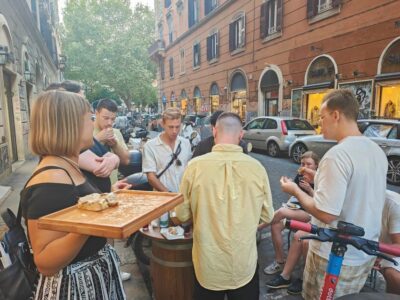
Trastevere & Campo de Fiori Street Food Walking Tour
Read our review →![[HOT] Hanoi Old Quarter Walking Street Food – Small Group Tour](https://2.thewalkingtraveler.com/wp-content/uploads/hot-hanoi-old-quarter-walking-street-food-small-group-tour-400x267.jpg)
[HOT] Hanoi Old Quarter Walking Street Food – Small Group Tour
Read our review →
Palermo Original Street Food Walking Tour by Streaty
Read our review →
Super Niche Walking Street Food Tour in Ho Chi Minh City
Read our review →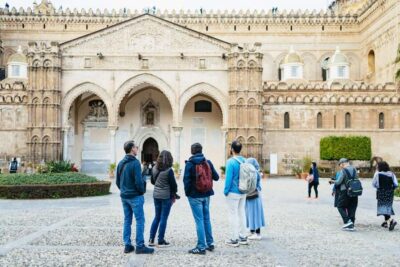
Palermo: Street Food and History Walking Tour
Read our review →Browse the lists this tour appears in