
REVIEW · ROME
Rome Private Family Walking Tour with Games for Kids
Rome can be a hard sell to a child. Ancient temples and baroque fountains are wonderful, but a six-year-old may need more than dates and architectural terms. This private walk fixes that with treasure hunts, simple challenges, and prizes, turning the city center into one large game board.
I especially like two things here: the route links major sights with neighborhoods you could easily miss, and the guide can adjust the pace to your family. Elisabetta, Enzo, Julieta, Simone, and others have been praised for speaking directly to children, including toddlers and shy kids. The main consideration is food: tastings are part of the appeal, but the exact mix and amount may vary.
Key points
- A child-focused route from Sant’Ignazio to Trastevere: You cover famous squares and lesser-known corners without a large group.
- Treasure hunts keep children moving: Kids search for details in the streets and receive prizes along the way.
- Rome’s classic snacks are built into the walk: Expect chocolate, pizza, supplì, and gelato, though portions and stops can vary.
- The guide matters here: Elisabetta, Enzo, Julieta, Simone, and other guides have been praised for their warm approach with children.
- Three hours gives you a useful city-center introduction: You see the Pantheon, Piazza Navona, Campo de’ Fiori, the Jewish Ghetto, Tiber Island, and Trastevere.
- The finish is family-friendly: The tour ends in Trastevere, with gelato and a playground for the children.
Why this Rome walk works for families

This is less a formal lecture and more a guided city adventure. You move through central Rome while the guide gives adults the context they want and gives children things to spot, answer, and collect.
That balance is the real value. You are not parking your children beside a monument and asking them to listen quietly for twenty minutes. Instead, the guide uses the Pantheon, fountains, markets, streets, and bridges as clues in a treasure hunt.
The private format helps. Your group does not need to match the pace of strangers, and the guide can pause for questions, a drink, a toilet break, or a tired child. One family with grandparents, three adults, and young children found the guide flexible about both pace and entertainment. That is exactly the sort of help you want in Rome, where a short walk can become a long one in the heat.
At three hours, this is a good first look at central Rome. You cover plenty of ground, but you do not enter the Colosseum, Roman Forum, or Vatican Museums. Think of it as a street-level introduction rather than a full ancient Rome tour.
A few more walking tours around Rome worth a look
- Rome: Guided Food Walking Tour with Wine in Trastevere
★ 4.9 · 3,105 reviews - Rome: Trastevere & Campo de Fiori Street Food Walking Tour
★ 4.9 · 2,768 reviews - Rome: Paranormal Night Walking Tour & Secret Backstreets
★ 4.9 · 1,921 reviews
Starting beneath Sant’Ignazio’s painted ceiling
Meet at the entrance to the Church of Sant’Ignazio di Loyola. This is a smart starting point because the church is often missed by people hurrying between the Pantheon and Trevi Fountain.
Inside, you get about ten minutes to look at the spectacular frescoed ceiling and the church’s baroque decoration. The opening stop gives the guide a chance to meet the children and begin the first questions or clues.
The church is also a useful reminder that Rome’s best sights are not always the ones with the longest lines. Your children can begin with something visual and dramatic, while you get a taste of the city’s theatrical baroque style.
Chocolate first, then the Pantheon
The next stop is Venchi Cioccolato e Gelato, where you can try one of the chocolate varieties. This is a small but effective move. A sweet taste early in the walk gives younger children a reason to stay interested, and it introduces a famous Italian food tradition without requiring a long sit-down meal.
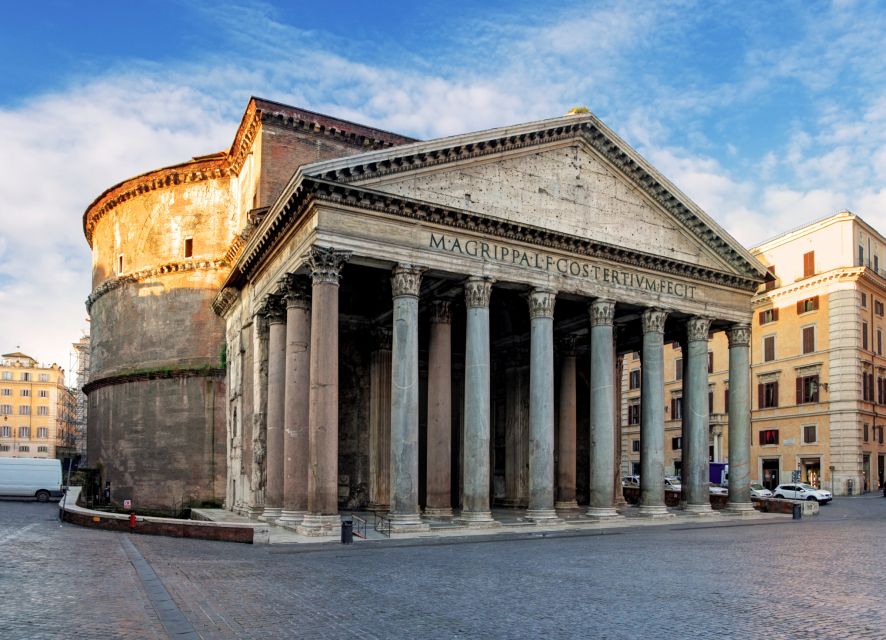
Afterward, the route reaches the Pantheon. The guide explains this ancient building and its connection with the Roman emperors and their gods. The Pantheon is one of Rome’s best teaching stops because its scale, dome, and open central oculus are easy for children to understand visually.
The scheduled visit here lasts about fifteen minutes. That is enough for a focused explanation and family photos, but not enough for a detailed architectural seminar. I like that limit. Children usually absorb one or two strong ideas better than a long chain of dates.
The guide also sets up a treasure search in the square. Rather than simply looking at the Pantheon, your children have something specific to find. This keeps them close to the group and gives you time to look up, take pictures, and listen.
Piazza Navona and the theater of Rome

Piazza Navona gets another fifteen-minute guided stop. This long, elegant square is a natural family classroom, with fountains, open space, and plenty of visual detail.
Your guide can point out the fountains and explain how the square became one of Rome’s grand public places. The format remains active, with children looking for details and answering questions instead of standing still while adults listen.
Piazza Navona is also one of the more crowded parts of this route. Keep your children close and expect the pace to slow if the square is busy. The private guide helps, but this is still a central Rome walk, not a quiet village stroll.
Same streets, a different route:
- Rome: Colosseum Arena, Roman Forum & Palatine Hill Tour
★ 4.5 · 1,874 reviews - Rome: Trastevere Street Food Walking Tour with Local Expert
★ 4.8 · 1,784 reviews - Rome: Small-Group Guided Day or Night Walking Tour
★ 4.8 · 1,009 reviews - Rome by Night Walking Tour – Legends & Criminal Stories
★ 4.5 · 1,003 reviews
Campo de’ Fiori, ovens, and Roman snacks
From Piazza Navona, you continue to Campo de’ Fiori. The market adds a change of pace. Instead of ancient stone and fountains, you see food stalls and local products, giving children a more direct sense of everyday Italian eating.
The route includes stops at Forno Campo de’ Fiori and Antico Forno Roscioli. These bakery visits are meant to connect the walk with Roman food, especially pizza. You can expect to taste Italian specialties along the way, with pizza listed among the main treats.
Here is where I would keep expectations flexible. The tour description includes pizza, chocolate, supplì, and gelato, but the actual tastings may not all be equal in size or timing. One family specifically wished there had been more pizza or gelato, while another enjoyed a wider mix that included coffee cream, cheese, and pesto. The safest way to think of this is as a snack-based walking tour, not lunch.
That distinction matters for families. Bring water and do not plan to replace a meal unless your guide confirms the food schedule. The stops are valuable because they show you where Romans buy and eat simple foods, but children may still need a proper meal later.
Julius Caesar, the Jewish Ghetto, and Tiber Island
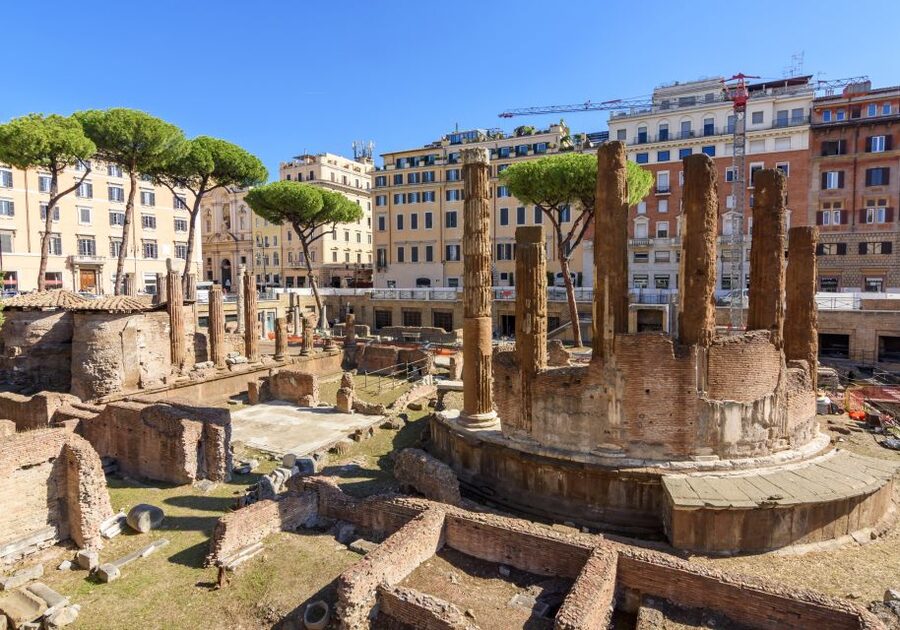
The walk then reaches Largo di Torre Argentina, a major archaeological area known as the place where Julius Caesar was murdered. The guide uses the site to connect Rome’s visible ruins with one of the city’s most famous political stories.
The stop lasts about ten minutes, so expect a clear explanation rather than a long archaeological tour. Children often respond well to the human drama here: a powerful leader, a conspiracy, and a sudden turning point in Roman history.
Next comes the Portico of Octavia and the Jewish Ghetto. This part of the route broadens the picture of Rome. You are no longer seeing only imperial monuments and grand churches. The guide introduces an older neighborhood with its own identity and landmarks.
The exact depth of the explanation will depend on your guide and your children’s attention. That is one advantage of booking privately. If your eight-year-old wants more history, you can ask. If your two-year-old has reached the end of the road, the guide can keep the walk moving.
The route crosses the bridge to Tiber Island, a natural photo stop for the whole family. This is a good moment to pause and record the day before heading into Trastevere.
Trastevere, supplì, and the final gelato
The final neighborhood is Trastevere, where the walk ends. Its narrow streets and local feel provide a pleasant change from the formal squares earlier in the route.
Here you taste supplì, a Roman fried rice croquette. It is a useful introduction to a food many children can understand immediately: crisp on the outside, warm and filling inside. The tour also includes gelato near the end, with a playground where children can play while the adults say goodbye to the guide.
That ending is well judged. Kids often need a physical break after three hours of sightseeing, and parents appreciate finishing with something easy rather than another major monument.
The final location also gives you choices for the rest of the day. You can stay in Trastevere, find a meal, or continue elsewhere in Rome. Since the tour does not return you to Sant’Ignazio, plan your next stop from Trastevere rather than assuming a round trip.
What the guides do especially well

The strongest part of this experience is not a single monument. It is the guide’s ability to make children feel included.
Enzo has been singled out for making a child feel important. Elisabetta is praised for including children aged seven, five, and two, even when the adults were tired and jet-lagged. Julieta engaged both an eight-year-old and a two-year-old, while Simone kept two young children involved throughout the route.
That range is important. A tour that works for an eight-year-old may lose a toddler, and a game designed for a five-year-old may bore a teenager. The private setup gives the guide room to switch tactics.
Parents also get useful help beyond the main commentary. One guide helped a family find a toilet, and another found a cool café when the group needed drinks and a rest. Those small interventions can save a family afternoon.
The tour is offered in English, Spanish, or Italian. You should select the language that lets your children answer questions comfortably. A shy child may take time to join in, but the reports about guides helping reserved children participate are encouraging.
Pace, walking comfort, and access

The route lasts three hours and covers a long chain of sights on foot. The stated stops are short, usually ten to fifteen minutes, but the full experience includes walking between them.
A family with a stroller or wheelchair should note that the activity is listed as wheelchair accessible. Rome’s historic center still has old paving and crowded streets, so ask the provider for current route details if a member of your party needs a particularly smooth path.
The guide can adjust the pace, which is a major benefit in hot weather or with grandparents. Still, you should treat this as an active walking outing. Comfortable shoes, water, and sun protection are sensible choices.
The walk is especially well suited to families with children under ten, based on the age range successfully engaged by the guides. Toddlers can join, but their attention will naturally come and go. Older children may enjoy the history more if they like puzzles, food, and spotting details.
When to book it, and what value means here
No price is provided, so I cannot judge the exact cost against other Rome tours. The value depends on the size and needs of your private group.
For a family of several people, a private tour can make sense because you are paying for flexibility as well as information. You get a guide who can address your children by name, alter the pace, and stop when someone needs a break. You also avoid spending three hours trying to keep young children quiet in a large group.
The food adds some value, but I would not book this mainly for the meal. Tastings are an appealing bonus and may include several Roman favorites, but portions and selections can differ. Book it for the combination of family attention, city orientation, games, and snacks.
I would book it near the start of a Rome stay, not on the final day. One family wished they had done it first because the guide pointed out places they wanted to revisit. That is good advice. The walk helps you learn where the Pantheon, Campo de’ Fiori, the Jewish Ghetto, and Trastevere fit together.
The activity allows free cancellation up to 24 hours before departure and offers reserve-now, pay-later booking. Those terms help if your family schedule is still shifting.
Should you book this family tour?
Book it if you want Rome’s center explained in a way that gives children an active role. The best reasons are the private format, the treasure games, the broad route, and guides who have proved good at handling very young, shy, tired, and mixed-age children.
Skip it if your main goal is the Colosseum, Roman Forum, Vatican, or a long specialist lecture. Those sites are not part of this walk. Also skip it if you need a guaranteed full meal rather than a set of small tastings.
For families who want a gentle introduction to Rome, I would choose this early in the visit. You get famous monuments, less obvious corners, local snacks, and a guide who can help your children see the city as a place to explore rather than a string of adult errands.
FAQ
Where does the Rome family walking tour start?
The tour starts at the entrance of the Church of Sant’Ignazio di Loyola in central Rome.
Where does the tour finish?
The tour finishes in Trastevere, after the final gelato stop and children’s playground time.
How long does the tour last?
The walking tour lasts three hours.
What languages are available?
Live guides are available in English, Spanish, and Italian.
Is this a private tour?
Yes. The activity is offered for a private group.
What food can you taste during the tour?
The experience includes chocolate, pizza, supplì, and gelato. Depending on the stops, additional tastes may include items such as cheese, pesto, or coffee cream.
Is the tour wheelchair accessible?
Yes, the activity is listed as wheelchair accessible. Because Rome’s historic streets can have uneven paving and crowded areas, confirm route details with the provider if you have specific access needs.
Just added around Rome
- Rome: Colosseum and Ancient Rome Guided Walking Tour★ 4.5 · 95 reviews
- Rome Walking Tour: Pantheon, Trevi, Navona & Hidden Gems★ 4.8 · 501 reviews
- Rome: Underground Trastevere Guided Walking Tour★ 4.8 · 87 reviews
- Rome: Trastevere and Roman Ghetto Guided Walking Tour★ 4.7 · 79 reviews
- Rome: Guided Walking Tour and Pantheon Priority Entry Ticket★ 4.3 · 317 reviews
- Rome: Trevi Fountain, Spanish Steps & Pantheon Walking Tour★ 4.6 · 336 reviews
- Rome Night Mysteries Guided Walking Tour★ 4.9 · 119 reviews
- Rome: Relics from the Passion of the Christ Walking Tour★ 4.9 · 84 reviews
Walking Tours, compared.

Magical London: Harry Potter Guided Walking Tour
Read our review →
Reykjavik Food Walk – Local Foodie Adventure in Iceland
Read our review →
History and Hauntings of Salem Guided Walking Tour
Read our review →
New Orleans Premier Ghost, Voodoo and Vampire Walking Tour
Read our review →
Amsterdam Anne Frank: Small-Group Walking Tour & Local Guide
Read our review →

Edinburgh Castle: Guided Walking Tour with Entry Ticket
Read our review →
Anne Frank’s Story – Guided Walking Tour through Amsterdam
Read our review →Browse the lists this tour appears in