

REVIEW · OSLO
Oslo Nature Walks: Island Hopping Tour
Oslo’s best surprise may be just offshore. This island-hopping walk trades city streets for public ferries, forest paths, beaches, old cannons, and small wooden homes, all within easy reach of the center. Hovedøya supplies the strongest historical stop, with abbey ruins nearly 1,000 years old.
I like the mix of short ferry rides and real walking, since you see the fjord from the water and then explore it at ground level. I also like the guides’ personal touch. Shaf, Patrick, Giovanni, Carolina, Neil, and others are praised for history, local tips, humor, and careful attention to the pace.
The main consideration is the season. From April through August, you visit three islands and spend 4 to 4.5 hours out. From September through March, the tour lasts about 3.5 hours and visits two islands, often in cold, wet, icy conditions. You need good shoes and a willingness to walk roughly 7 kilometers.
Key points to know before you book

- Hovedøya combines abbey ruins, beaches, birch woods, and Napoleonic-era defenses in the tour’s most varied stop.
- The ferry rides are part of the sightseeing, not just transport, with a fine return view of Akershus Fortress, City Hall, and Aker Brygge.
- Summer adds a third island, usually a cabin island such as Lindøya, with flower gardens, wooden homes, and lookout points.
- Winter includes warm drinks, while in the warmer months you should carry your own picnic lunch, water, swimwear, and towel if wanted.
- Expect about 7 kilometers of walking over gravel, dirt, and stones, so this is a nature walk rather than a gentle boat cruise.
- Guiding adds the real value, especially for the islands’ Viking-to-Christian history, military past, local life, and practical Oslo advice.
Why this is one of Oslo’s better half-day outings
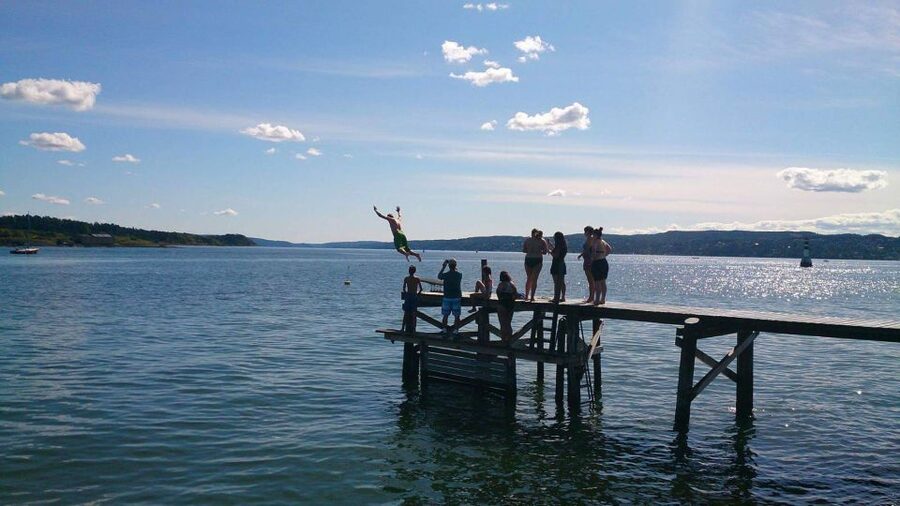
Oslo is unusually easy to leave behind without leaving the city. At Rådhusbrygge 4, you meet near Platform E beside the Fisketorget restaurant, then board a public ferry. Ten minutes later, the blocks and traffic feel distant.
That contrast gives this tour its appeal. You are not being taken to a remote wilderness site with a long transfer. You are using Oslo’s own ferry system to reach islands where people keep summer homes, sheep graze, military remains sit among trees, and rocky shores open toward the fjord.
At $69 per person, the price is reasonable if you want more than transportation. Your fee covers the guide and public ferry tickets, and the guide turns a simple ferry trip into a four-hour introduction to Oslo’s coast, history, and outdoor culture. You could reach some of these islands independently, but you would need to plan ferry connections, choose a route, and supply the historical context yourself.
I would not book this as a substitute for a classic Oslo sightseeing tour. It does not focus on the Royal Palace, museums, or the city’s main streets. I would book it as a change of pace, especially after a day indoors or if you want to understand why access to nature matters so much in Norway.
A few more walking tours around the world worth a look
- Magical London: Harry Potter Guided Walking Tour
★ 4.7 · 22,044 reviews - Reykjavik Food Walk – Local Foodie Adventure in Iceland
★ 5.0 · 18,952 reviews - History and Hauntings of Salem Guided Walking Tour
★ 5.0 · 14,564 reviews
Hovedøya: abbey stones and open fjord views
Hovedøya, meaning Main Island, is the first major stop and usually the most rewarding. You spend about an hour walking with the guide, stopping for photos, history, and views along the way.
The island’s centerpiece is the remains of a Cistercian abbey founded nearly 1,000 years ago. English monks came to post-Viking Oslo as Christianity spread through Norway and wider Europe. The ruins let you see that change in physical form: old chambers, walls, and rooms scattered through a green setting rather than locked behind museum glass.
I find this a useful way to approach Norwegian history. The Viking era is often treated as a separate story, but here you hear how Norway moved toward Christian institutions, European ties, and a new political order. The guide’s explanation makes the stones easier to read, even if you are not an expert in medieval buildings.
The route then moves through birch forest and sheep pasture. This is where the tour shifts from history lesson to outdoor walk. You may pass open grass, low woodland, and rough coastal paths before reaching old ramparts and cannons connected with the Napoleonic Wars.
The shoreline brings the best views. Expect rocky stretches, beaches, and lookout points rather than a single grand viewpoint with railings and signs. Your guide may pause at several spots, giving you time for photographs and questions. The path is not technically described as difficult, but stones, dirt, and gravel make sturdy footwear important.
Hovedøya is also where weather matters most. In sunshine, the beaches and water give the walk a bright summer feel. In rain or winter cold, the same exposed coast can feel raw and dramatic. Wear layers and bring rain gear, since rain protection is not included.
Gressholmen: nature reserve and traces of Oslo’s past
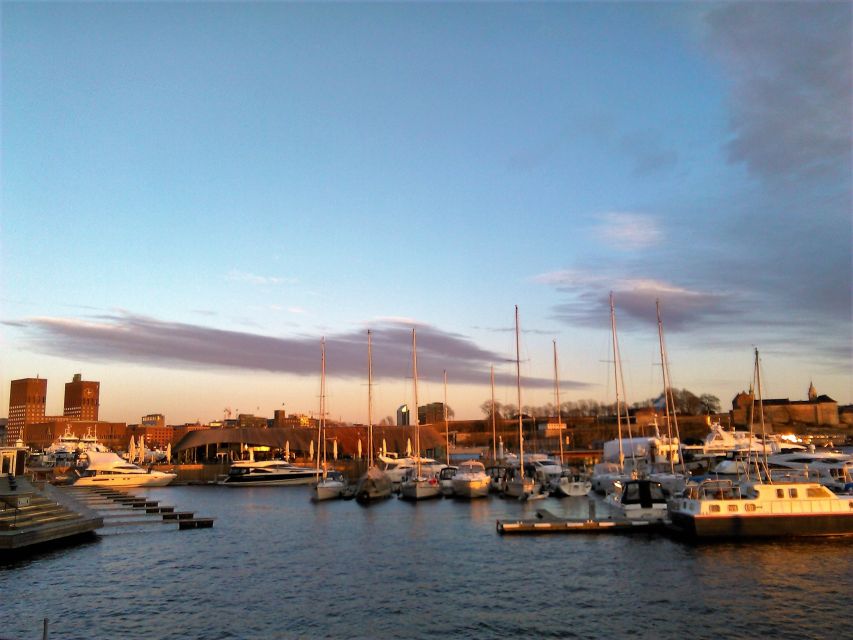
The next ferry takes about ten minutes, and Gressholmen offers a different sort of interest. You walk for about an hour through a nature reserve while learning about the island’s military and transport history.
One unusual stop is the remains of Oslo’s first airport. The site gives you a glimpse of an earlier city, before modern aviation moved elsewhere and the island returned more fully to nature. You also see buildings and locations tied to military use, so Gressholmen works well for anyone who enjoys places where ordinary-looking ruins carry several layers of history.
This stop is less about a single famous monument and more about connecting small details. A building, a former airport site, and a quiet path can explain how Oslo used the fjord for defense, transport, and recreation. A good guide helps you notice those links instead of simply walking past them.
The nature reserve also gives you a breather after Hovedøya’s history. You will still be walking on uneven ground, but the pace includes stops for photos and explanation. The combination of ferry, path, and short pauses keeps the outing from feeling like a nonstop hike.
If you take the tour between September and March, Gressholmen may be one of only two islands visited. That shorter plan is sensible in the colder season, when daylight, ferry schedules, icy paths, and weather can limit the amount of time outdoors. You still receive a proper half-day outing, but you should not expect the full three-island summer route.
Lindøya and the cabin-island way of life
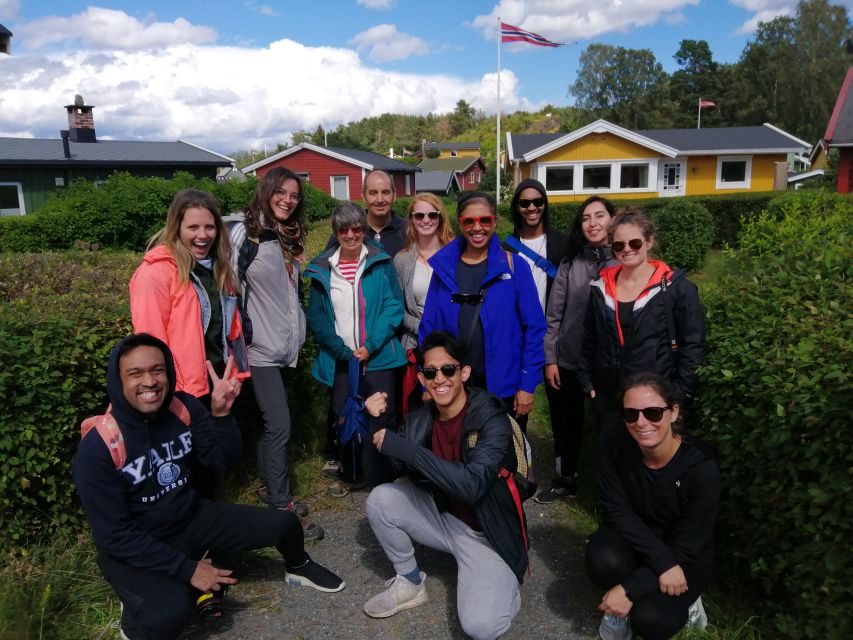
From Gressholmen, the ferry ride to the cabin-island stop takes about 15 minutes. In the warmer season, this is generally Lindøya, where the focus turns from monasteries and military sites to everyday island life.
Traditional wooden cabins, small gardens, and bright flowers line the paths. The homes are close together in places, creating a village feel, yet the fjord is always nearby. You get a look at a distinctly Norwegian holiday tradition: simple wooden retreats, time outdoors, and a strong connection to the water.
This is one of the tour’s most charming sections, though it is less dramatic than Hovedøya’s abbey and coastline. You are not visiting a preserved historic monument in the same way. Instead, you are seeing how people use the islands now, and how a short ferry ride from central Oslo can lead to a quieter seasonal community.
The walk lasts about 90 minutes, making it the longest island section. Paths wind among cabins and gardens and lead to lookout points. Bring your camera, but be respectful around private homes. The point is to observe the setting, not treat the island like an open-air stage set.
A picnic stop fits naturally here. From April through September, you are encouraged to bring lunch, water, and perhaps swimwear and a towel. Depending on weather and opening hours, you may be able to buy snacks or ice cream at a local kiosk, but do not plan your meal around that option.
In colder months, the tour is shorter and the guide provides warm drinks. Several guides have also served coffee, tea, hot chocolate, and ginger biscuits during winter outings. That small break matters when you have been walking beside the water in cold weather.
Same streets, a different route:
- New Orleans Premier Ghost, Voodoo and Vampire Walking Tour
★ 4.5 · 12,856 reviews - Amsterdam Anne Frank: Small-Group Walking Tour & Local Guide
★ 4.8 · 12,789 reviews - Edinburgh: Harry Potter Magical Guided Walking Tour
★ 4.8 · 11,944 reviews - Edinburgh Castle: Guided Walking Tour with Entry Ticket
★ 4.7 · 11,699 reviews
The ferry ride back is part of the payoff

After the final island, you return to the city by public ferry. The ride takes about ten minutes, but it gives you a useful final view of Oslo from the water.
As the ferry approaches the center, look for Akershus Festning, Oslo City Hall, and the redeveloped Aker Brygge waterfront. These landmarks are familiar from land, but the angle from the fjord helps you understand the city’s shape and its relationship with the water.
I like that the tour ends at the same place where it began, Rådhusbrygge 4. You do not need to arrange a separate return transfer or figure out a distant endpoint. From there, you can continue into the center, find lunch, or use the guide’s restaurant and sightseeing suggestions.
Several guides are especially good at adding this practical layer. Shaf has been praised for Oslo walking and dining suggestions, while Neil, Patrick, Giovanni, and others are described as generous with local information. Guide assignments can change, but the experience clearly depends in part on who leads your group.
How hard is the 7-kilometer walk?

You should think of this as an active sightseeing tour. The stated distance is about 7 kilometers, or roughly 10,000 steps, across gravel, dirt paths, stones, and sometimes slippery ground.
Comfortable shoes are the minimum. I would choose trail shoes with solid grip, especially in winter. One guide supplied crampons on an icy day, but you should not assume that will happen every time. Warm layers, waterproof clothing, a small backpack, water, and food are practical additions.
The tour is not suitable for wheelchair users or children under nine. It may work for older children and adults who walk regularly, but the uneven surfaces and ferry transfers require basic mobility.
The guides appear attentive to pacing. Individual accounts describe pauses, checks to make sure no one was left behind, and thoughtful help for people managing a knee problem or icy paths. Still, this is not a stroll on a smooth promenade. If you prefer minimal walking, choose a fjord cruise instead.
Summer or winter: which season makes more sense?
Summer gives you the fullest version of the route. From April through August, you visit three islands and spend four to four and a half hours outside. Flowers, open gardens, beaches, longer daylight, and the option of a swim make this the easiest season for the cabin-island section.
Bring your own lunch from April through September. A picnic near the water is part of the experience, and carrying food gives you more choice than depending on the kiosk.
Winter and the shoulder months offer a different mood. From September through March, the outing lasts about three and a half hours and visits two islands. Cold, rain, snow, and ice can make the views feel stark and striking, but they also demand proper clothing.
Warm drinks are provided from October through March, often with cookies or gingerbread. That helps, but it does not replace gloves, waterproof shoes, and a warm outer layer. If you dislike cold ferry rides or wet walking, book for the warmer season.
The winter route can still be rewarding. You get a quieter feel, fewer distractions, and a memorable view of the islands under changing weather. Just allow extra time to dress properly and accept that the day may feel more rugged than a summer outing.
What makes the guiding worth paying for?

The ferries are public, so the guide is not selling exclusive transport. The value comes from interpretation, route planning, and company on paths that would otherwise be easy to explore without context.
You hear why Hovedøya mattered to Christian Norway, how the islands fit into Oslo’s military past, where the first airport operated, and what the cabin communities mean to local life. You also get time to ask questions about Oslo, food, walks, and places to visit afterward.
Guides bring different personalities. Patrick is described as warm and funny, Shaf as energetic and helpful with city suggestions, Giovanni as strong on Norwegian history and culture, and Carolina as attentive and full of small local details. Lola has even added Norwegian folk songs to the walk. You cannot choose your guide, but the range of positive experiences suggests that the human side is a major part of the outing.
The best guides also manage the practical rhythm: ferry boarding, walking pace, rest stops, photo breaks, and weather. That matters more here than on a simple city tour because the route covers several islands and includes outdoor conditions.
Price, meeting point, and practical value
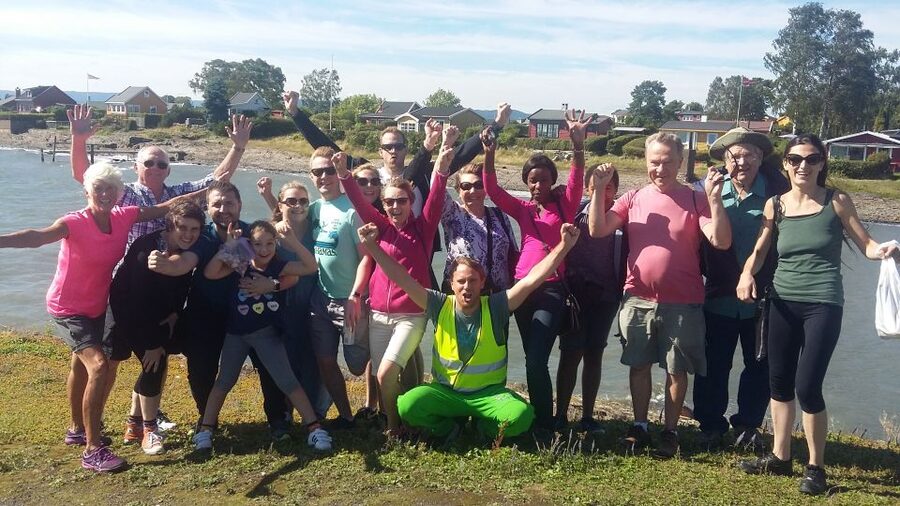
The $69 price includes the guided walk and public ferry tickets. Food, drinks in the warmer months, and rain gear are extra. I consider it fair value if you want a structured half-day with history, nature, transportation, and local advice in one package.
Arrive about 10 minutes early at Rådhusbrygge 4, near Platform E beside Fisketorget. The meeting point is close to the public ferry departure area, so leave enough time to identify the correct platform before the group boards.
Free cancellation is available up to 24 hours before departure, and you can reserve now and pay later. The tour is in English. Transport receives especially strong marks, but remember that public ferries are part of the plan, so the experience is shared rather than private.
Should you book the Oslo island-hopping tour?
Book it if you want to see a quieter side of Oslo, enjoy walking, and like history explained in the places where it happened. It suits couples, active families with children over nine, solo visitors, and anyone who wants a useful first or second day outside the city center.
I would especially recommend it for a first Oslo visit when you want both orientation and fresh air. Hovedøya gives you medieval and military history, Gressholmen adds nature and aviation, and Lindøya shows a more personal side of fjord life.
Skip it if you want a purely scenic cruise, have difficulty on uneven paths, or are visiting in bad weather without suitable clothing. For everyone else, the mix of ferry rides, old stones, quiet beaches, cabins, and strong local guiding makes $69 a sensible way to spend half a day.
FAQ
How long does the Oslo island-hopping tour last?
From April through August, the tour lasts about four to four and a half hours and visits three islands. From September through March, it lasts about three and a half hours and visits two islands.
Which islands does the tour visit?
The route includes Hovedøya and Gressholmen. In the warmer season, it also visits a cabin island, listed in the route as Lindøya.
How much walking is involved?
You walk approximately 7 kilometers, or about 10,000 steps, on gravel, dirt paths, and stones. Good trail shoes are recommended.
Is lunch included?
No. From April through September, you are encouraged to bring your own lunch for the picnic stop. A kiosk may be open for snacks or ice cream, depending on weather and opening hours. From October through March, warm drinks are provided.
Where does the tour meet?
The meeting point is at Rådhusbrygge 4, near the public ferry departure area at Platform E, next to Fisketorget. You should arrive 10 minutes before the start time.
Is the tour suitable for children and wheelchair users?
The tour is not suitable for children under nine or wheelchair users. The route includes uneven paths, stones, gravel, dirt, and ferry boarding.
Just added around the world
- Fira: Guided Foodie Walking Tour with Tastings★ 4.9 · 474 reviews
- Fez: Guided Walking Tour of the Historic Medina★ 5.0 · 359 reviews
- Fez: Walking Tour in the Ancient City of Fez★ 4.8 · 73 reviews
- Faro: Old Town Guided Walking Food Tour★ 4.9 · 94 reviews
- Feel like a local – Walking Tour in Mykonos Town 2hours★ 4.4 · 77 reviews
- Fez: Half-Day City Private Walking Tour with a Guide★ 4.6 · 114 reviews
- Fanal / Assobiadores – Levada Walk★ 4.6 · 93 reviews
- Fes: A Guided Walking Tour Through the Historic Medina★ 4.4 · 97 reviews
Walking Tours, compared.

Magical London: Harry Potter Guided Walking Tour
Read our review →
Reykjavik Food Walk – Local Foodie Adventure in Iceland
Read our review →
History and Hauntings of Salem Guided Walking Tour
Read our review →
New Orleans Premier Ghost, Voodoo and Vampire Walking Tour
Read our review →
Amsterdam Anne Frank: Small-Group Walking Tour & Local Guide
Read our review →

Edinburgh Castle: Guided Walking Tour with Entry Ticket
Read our review →
Anne Frank’s Story – Guided Walking Tour through Amsterdam
Read our review →Browse the lists this tour appears in