
REVIEW · NAPLES
Naples Essentials: Monuments, Local Life & Street Art
Naples reveals itself best on foot, and this tour gets quickly to the good stuff: grand royal monuments, narrow lanes, laundry overhead, and the Maradona murals that explain a great deal about local pride. I like the smart route from Piazza del Plebiscito to Toledo, and I like the way history shares the stage with ordinary Neapolitan life.
I also like the guide-led storytelling. Davide is praised for his humor and for keeping even a reluctant teenager interested. The main consideration is pace: two hours covers a lot, but you will mostly see exteriors and walk through busy, uneven streets. This is an orientation tour, not a long museum visit.
Key points to know before booking
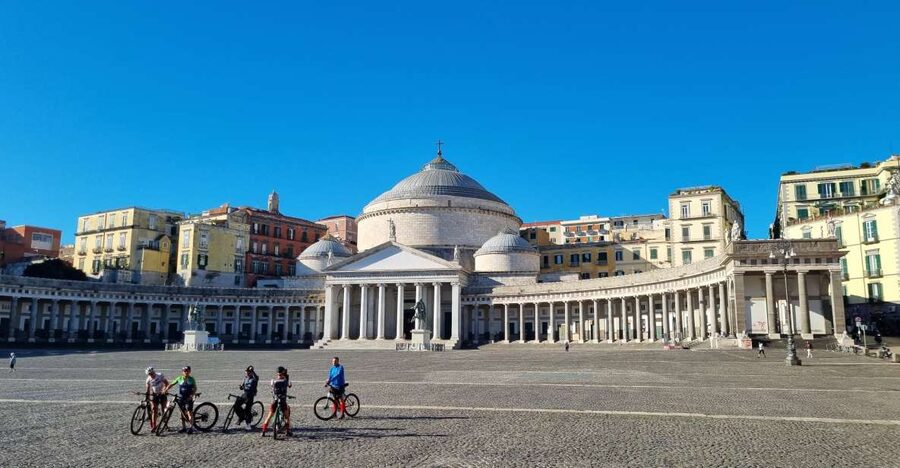
- Piazza del Plebiscito opens the story well: You see the Royal Palace, Basilica of San Francesco di Paola, and San Carlo Opera House in one impressive setting.
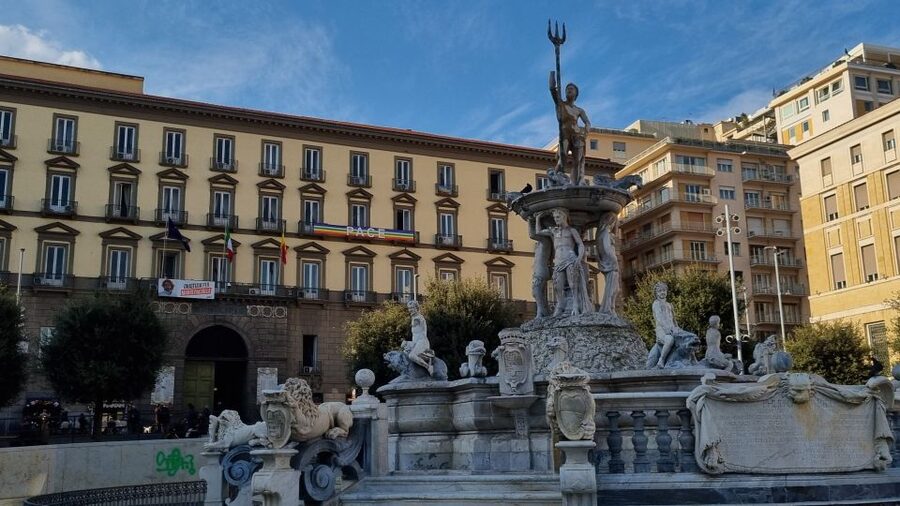
- The route mixes monuments with street life: After the grand center, you enter the Quartieri Spagnoli, where local routines matter as much as architecture.
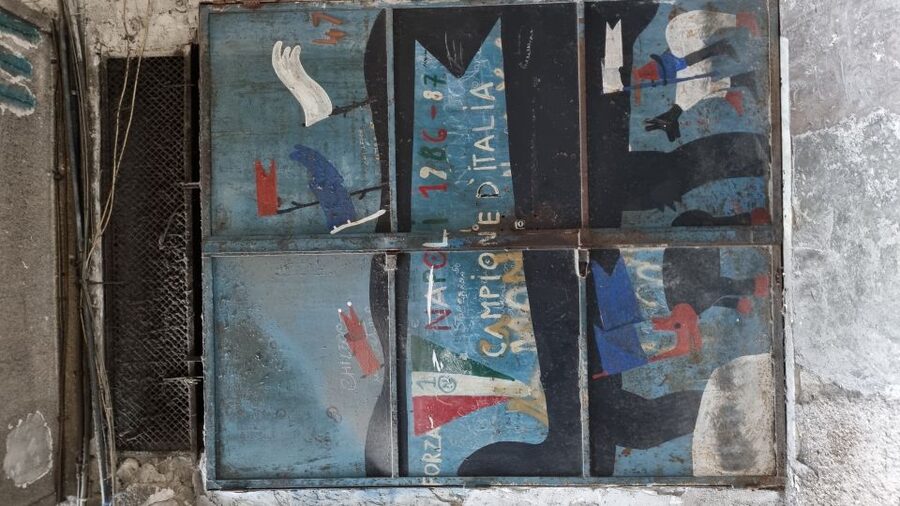
- Maradona is treated as culture, not just sport: The murals offer a way to understand Naples’ emotional bond with Diego Armando Maradona.
- The finish at Toledo Metro is useful: You end near a major city street and one of Europe’s most admired metro stations.
- Davide has a lively guiding style: His humor and storytelling have helped make the two-hour walk enjoyable for adults and teenagers alike.
- The $28 price is fair for orientation: A licensed guide, audio headsets when needed, and a focused introduction to central Naples are included, but attraction entries and food are extra.
Why this two-hour Naples walk works
Naples can feel like several cities at once. Royal buildings and opera houses sit close to streets where scooters, shopkeepers, neighbors, and football loyalties set the tone. This walk gives you both sides without asking you to spend a full day on your feet.
I see it as a first-look tour. You get a map in your head, a little historical context, and a better sense of how the city’s famous sights connect. You will not have time for lengthy interior visits, but you will see where to return later.
The route also avoids the common mistake of treating Naples as a string of monuments. The Quartieri Spagnoli section matters because it shows the city as a lived-in place, not just an open-air museum. The Maradona murals add another layer, one that is emotional and very specific to Naples.
The tour costs $28 per person and lasts two hours. That is a reasonable price if you want a local guide to explain the city rather than simply point out buildings. It is less appealing if your main goal is entry into the Royal Palace, Castel Nuovo, or San Carlo Opera House, since admission is not included.
More Street Art Walks in Naples:
- Naples Spanish Quarters Walking Tour Street Art, Folklore & Sweet
★ 5.0 · 797 reviews - Naples: Street Art, Wine and Food Tasting Walking Tour
★ 5.0 · 163 reviews - London: Street Art and Graffiti Guided Walking Tour
★ 4.9 · 1,354 reviews
Piazza del Plebiscito and Naples’ royal face
The walk begins at Piazza del Plebiscito, one of the city’s grandest public spaces. It is broad, formal, and designed to make you look up. The square is also a meeting place for Neapolitans, so it gives you both ceremonial architecture and everyday city movement.
The Royal Palace faces the square, and you view its exterior during this tour. Your guide can place the building within Naples’ royal past and explain how the city’s rulers shaped this part of the center. Since you do not enter, I would treat this stop as an introduction rather than a substitute for a palace visit.
Across the square, the Basilica of San Francesco di Paola provides one of Naples’ most recognizable views. Its curved colonnade and grand front give the piazza much of its character. A guide is useful here because the scale can make the space feel impressive but slightly abstract when you first arrive.
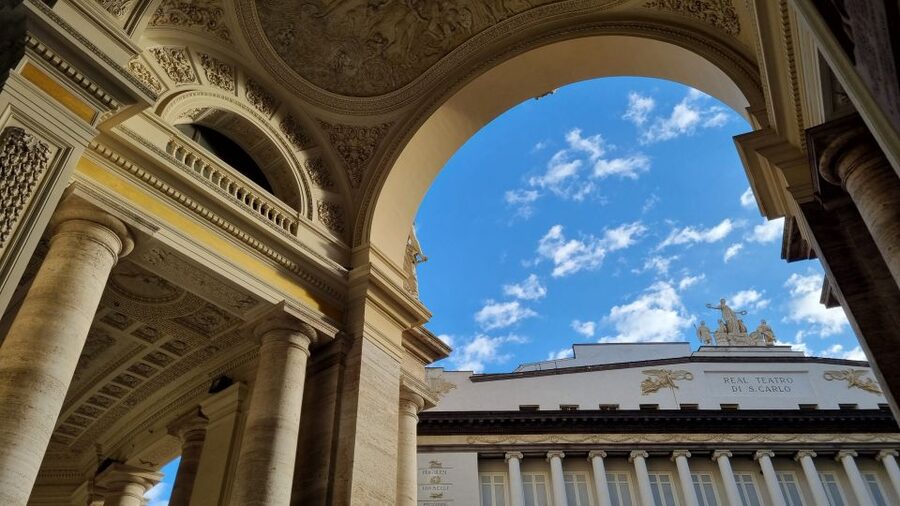
The San Carlo Opera House is another key stop. It is the oldest opera house still in use in Europe, and its presence shows Naples’ long connection with music, court life, and public performance. Again, you see it from outside, but that is enough to place it on your list if you later want an interior visit.
I like this opening because the three sights work together. The Royal Palace represents power, the basilica gives the square its monumental religious presence, and San Carlo brings in the city’s artistic life. You get a fast lesson in how Naples presents its official face.
Castel Nuovo and the medieval city
From the royal square, the route continues toward Castel Nuovo, also called Maschio Angioino. The castle is a medieval symbol of Naples and one of the easiest landmarks to recognize in the center.
The focus here is the Arch of Triumph, a monumental entrance that recalls Naples’ importance as a Mediterranean capital. Your guide fills in the political story and the role of the castle, so the stonework becomes more than a dramatic backdrop for photographs.
There is a practical limit to this stop. The tour does not include entry to Castel Nuovo, and two hours is not enough for a full examination of the castle’s rooms and displays. If you want to go inside, plan a separate visit and use this walk to understand why the building matters.
Still, an exterior stop is valuable early in a Naples visit. You see how the medieval fortress connects with the later royal center, and you begin to notice the city’s layers. Naples is not arranged in one neat historical period. Ancient, medieval, royal, and modern life sit close together.
Galleria Umberto I and the city’s grand passage
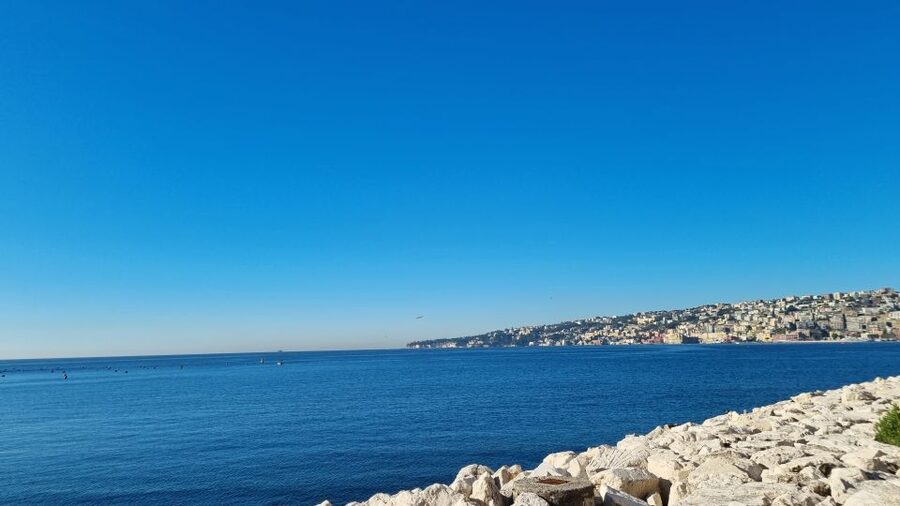
Next comes Galleria Umberto I, an elegant covered arcade with a large glass dome. Its Belle Époque atmosphere offers a change of mood after the heavy stone of the castle and the formal scale of Piazza del Plebiscito.
This is a good place to slow down for a moment and look up. The glass roof, patterned floor, and surrounding facades make the gallery one of the most photogenic stops on the route. Your guide can also connect it to the city’s public life and architectural ambitions.
The gallery is more than a pretty shortcut. It shows how Naples once imagined modern urban life: bright, covered, social, and closely tied to shopping and entertainment. The route’s strength is this movement between different kinds of public space. One minute you are in a royal square, then beside a medieval fortress, then under an ornate glass roof.
You should keep expectations realistic. This is a walking stop, not a shopping excursion or architecture lecture. The guide’s stories give the setting meaning, but the visit remains brief.
Same streets, a different route:
- Naples: Street Food Walking Tour with Local Guide
★ 4.9 · 4,976 reviews - Naples: Panoramic Walking Tour with Funicular
★ 4.8 · 828 reviews - Authentic Naples Food Tour with 8+ Tastings of Pizza, Wine & More
★ 5.0 · 824 reviews - From Naples: Guided tour of Pompeii skip-the-line and round-trip train
★ 4.5 · 811 reviews
Entering the Quartieri Spagnoli
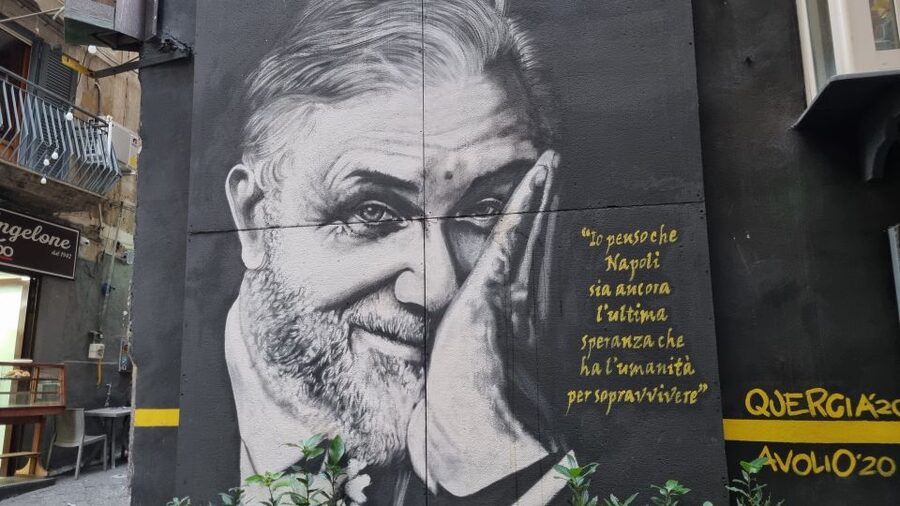
The biggest change comes when you leave the formal center and enter the Quartieri Spagnoli. The streets become narrower, the atmosphere more intimate, and the details more local. Laundry hangs overhead, voices carry through the lanes, and street art appears beside ordinary homes and businesses.
This is where the tour feels most like an introduction to present-day Naples. You are not just looking at monuments built for kings or religious institutions. You are walking through a neighborhood where daily routines shape the view.
The streets are uneven and can be crowded, so wear shoes with a good grip. The tour runs in all weather, and an umbrella is a sensible item to carry. Large bags and luggage are not allowed, which is worth remembering if you are arriving directly from a station or checking out of accommodation.
I like the balance here. The guide does not leave you with the idea that Naples is only grand architecture. You see a neighborhood with its own character and learn how the city’s past continues to affect its streets.
The Quartieri Spagnoli section also needs a little patience. You may pause in narrow spaces while the guide explains a story, and the flow of pedestrians does not always match the pace of a tour group. That is part of walking through a real neighborhood, but it means you should not expect the controlled movement of a museum visit.
Maradona murals and the meaning of local pride
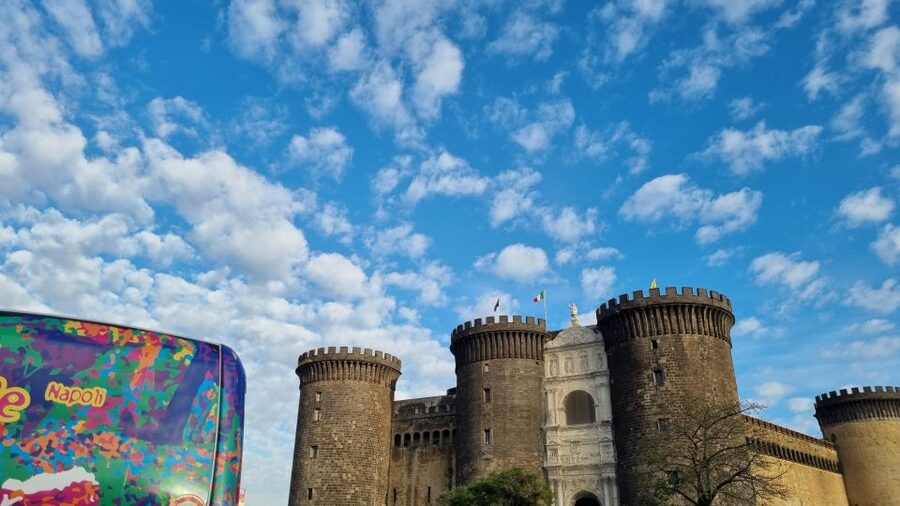
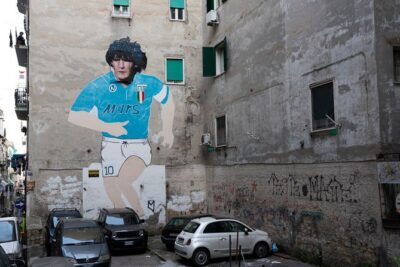
The Maradona street art is one of the tour’s most memorable stops. Diego Armando Maradona is still deeply loved in Naples, and the murals are treated as a cultural symbol rather than a simple football attraction.
Your guide explains why his image carries such weight. You do not need to be a football fan to understand the point. Maradona represents achievement, identity, and a powerful emotional connection between a city and a sporting hero.
This is also where a little humor can help. One guide, Davide, has a style that mixes facts with jokes, and a playful debate over whether Maradona was better than Pelé can easily become part of the conversation. If you have strong football loyalties, prepare for some friendly disagreement.
The mural stop is not a formal gallery visit. It is street art in a working neighborhood, so the setting matters as much as the painted image. You see how public walls can become places of memory and pride.
For me, this is the point that makes the tour different from a standard monument walk. The major squares could belong to any polished city tour. The Maradona murals show something harder to explain from a guidebook: the way Neapolitans attach feeling to place.
Via Toledo and the Toledo Metro finish
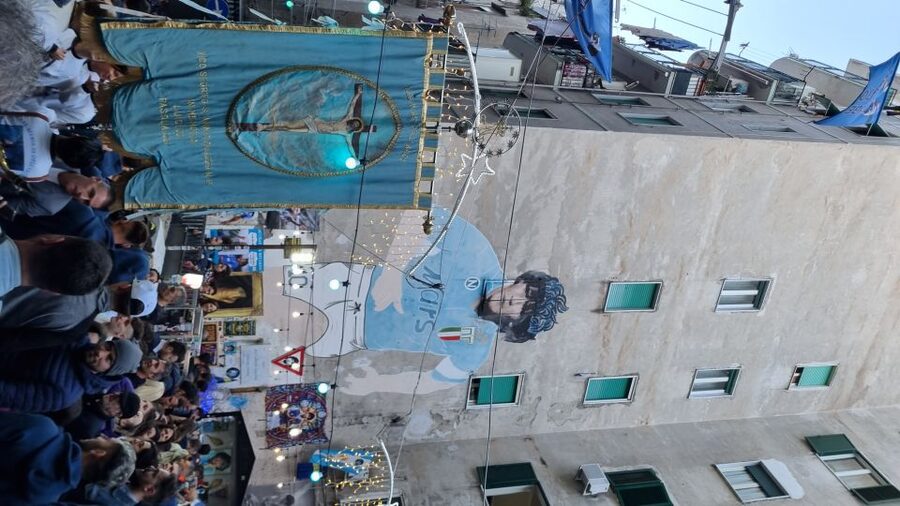
The walk ends along Via Toledo, one of Naples’ main streets. After the tight lanes of the Quartieri Spagnoli, Via Toledo feels more open and more connected to the city’s modern commercial life.
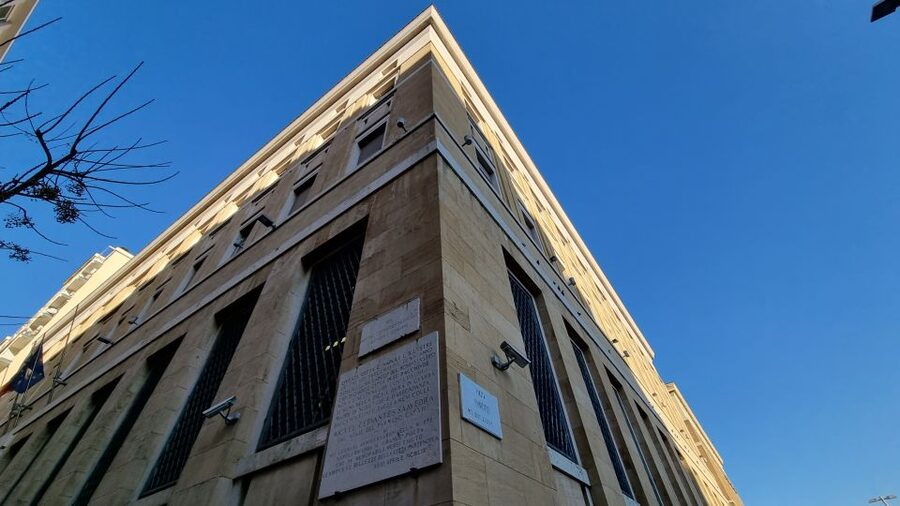
The route points out the historic Bank of Naples and finishes near Toledo Metro Art Station. The station is widely regarded as one of Europe’s most beautiful metro stations, so it is a fitting final stop. You get a modern design experience after spending much of the walk with older buildings and neighborhood traditions.
This ending is practical as well as attractive. Via Toledo is a useful part of central Naples, and finishing here gives you a clear place from which to continue exploring. The tour does not provide transport, but its final location helps you orient yourself for the rest of your day.
I also like the contrast. The route begins with the controlled grandeur of Piazza del Plebiscito and finishes with a public transport station that turns a daily necessity into an artful space. That arc says something about Naples: old and new are not separated into tidy zones.
Guide style, languages, and group choices

The tour is available in English, Spanish, and Italian. A licensed local guide leads the walk, and headsets are provided when required for clear audio. That can matter in busy streets, especially when several groups are nearby.
Davide receives particular praise for his humor, professionalism, and ability to keep the story moving. One Italian family found that even a reluctant teenager stayed interested, which suggests the presentation is not built around long, dry lectures. Your guide may vary, but the format favors local stories, legends, and conversation.
A private group can be arranged on request, subject to availability. This may suit families, friends, or small groups that want a different time slot or a more personal pace. The standard format is a guided walking group, so ask about private arrangements before booking if flexibility is important.
The tour is not suitable for children under 10, wheelchair users, or people using electric wheelchairs. That is not a minor footnote. Narrow lanes, moderate walking, uneven surfaces, and busy streets make the route demanding for anyone with mobility limits.
What the $28 price includes
At $28, the value comes from the guide and the route, not from admissions. You are paying for a licensed local guide, a two-hour explanation of central Naples, and headsets when needed. Food, drinks, and entry to attractions are not included.
I think the price works best for a first day in Naples. A good orientation can help you decide which places deserve a longer return visit. The walk also saves you from piecing together the connections between the royal center, Castel Nuovo, Quartieri Spagnoli, and Via Toledo on your own.
The value is weaker if you already know central Naples well or want indoor sightseeing. You will see the outside of the Royal Palace, San Carlo Opera House, and Castel Nuovo, but you will not tour their interiors during this experience.
Free cancellation up to 24 hours before the start and a reserve-now, pay-later option make the booking fairly flexible. The meeting point can vary by the option you choose, so check that detail carefully before setting out.
Who should book this walking tour?
I would choose this for a first-time visitor who wants a clear introduction without giving up half a day. It suits people who enjoy city stories, public squares, street art, and local neighborhoods more than long museum sessions.
It is also a good fit if you want to understand Naples beyond its headline sights. The Quartieri Spagnoli and Maradona murals give the walk an emotional and social side that a purely architectural route would miss.
Families with older children may enjoy the pace and humor, but the minimum age is 10. Teenagers who dislike formal sightseeing may respond better to the street art and football discussion than to a sequence of palace facts.
You should choose something else if you need step-free access, dislike uneven streets, or want a food-focused experience. You should also bring comfortable shoes and an umbrella, since the walk operates in all weather.
FAQ
How long does the Naples walking tour last?
The tour lasts two hours.
What languages are available?
The live tour guide is available in English, Spanish, and Italian.
Which Naples sights are included on the route?
The route includes Piazza del Plebiscito, the exterior of the Royal Palace, Basilica of San Francesco di Paola, San Carlo Opera House, Castel Nuovo, Galleria Umberto I, the Quartieri Spagnoli, Maradona murals, Via Toledo, the historic Bank of Naples, and Toledo Metro Art Station.
Are attraction entrance fees included?
No. Entry to attractions is not included.
Is food included?
No. Food and drinks are not included.
Is the tour suitable for children?
The tour is not suitable for children under 10 years old.
Can wheelchair users join?
No. The tour is not suitable for wheelchair users or people using electric wheelchairs.
What should I bring?
Bring comfortable shoes and an umbrella. Large bags and luggage are not allowed.
Should you book Naples Essentials?
Book it if you want a lively two-hour introduction to Naples that combines famous monuments with the city’s everyday side. The strongest parts are the Quartieri Spagnoli, the Maradona murals, and the guide’s storytelling, especially when Davide is leading.
Skip it if you want detailed interior visits, a food tour, or an accessible route. For most first visits, though, $28 is a fair exchange for context, local stories, and a useful walk from royal Naples to the streets where the city’s personality is most visible.
Just added around Naples
- Naples: Street Food Experience With 6 Stops★ 4.7 · 392 reviews
- Naples: Street Art, Wine and Food Tasting Walking Tour★ 5.0 · 163 reviews
- Napoli: Walking Tour of Naples with Local Tour Guide★ 4.9 · 95 reviews
- Naples: Old Town Guided Walking Tour★ 4.8 · 553 reviews
- Naples: Historic Center and Sansevero Chapel Walking Tour★ 4.8 · 208 reviews
- Naples: Diego Maradona Guided City Walking Tour★ 4.4 · 77 reviews
- Naples: City Walking Tour w/ Underground Roman Ruins Ticket★ 4.6 · 284 reviews
- Naples: Maradona Stadium Guided Exterior Walking Tour★ 4.3 · 113 reviews
Street Art Walking Tours, compared.


Naples Spanish Quarters Walking Tour Street Art, Folklore & Sweet
Read our review →


NYC: Brooklyn Graffiti & Street Art Walking Tour in Bushwick
Read our review →

Browse the lists this tour appears in