
REVIEW · BOSTON
Cambridge, Massachusetts: MIT and Harvard Walking Tour
MIT and Harvard are only two subway stops apart, yet they feel worlds apart. This 3.5-hour walking tour links MIT’s playful, invention-driven campus with Harvard’s older courtyards, statues, and academic traditions. You’ll hear about pranks, architects, alumni, student housing, and the famous Smoot markings on Harvard Bridge.
I like the mix of serious history and odd campus lore, and I like that the subway ride is part of the story rather than a hassle between sights. Guides such as Jenny, Alexandria, Maria, Holly, and Marybeth have earned strong praise for clear explanations, humor, patience, and help with photos. The main drawback is simple: you do not go inside MIT or Harvard buildings, and almost four hours on foot can be tiring in heat, rain, or cold.
Key points to know before you book

- MIT comes first: Start beside the Kendall/MIT subway station, then walk through MIT’s modern buildings, courtyards, labs, and student hangouts.
- The Harvard Bridge has its own measuring system: Learn how the unusual Smoot markings came to be and enjoy views toward Boston.
- The subway fare is included: The guide leads you two stops from MIT to Harvard while explaining the oldest subway system in the United States.
- Harvard is an outdoor history lesson: See Harvard Yard, the John Harvard Statue, Memorial Hall, Widener Library, Wadsworth House, and Harvard Square.
- Expect stories, not admissions advice: This tour covers architecture, traditions, legends, and history. It is not for prospective students comparing programs or entrance requirements.
- Comfortable shoes matter: The route includes extended walking and is not suitable for wheelchair users or people with mobility impairments.
Why the MIT to Harvard route works so well
The best feature of this tour is its contrast. MIT began in the 19th century with a practical, scientific mission, while Harvard dates to 1636 and carries the visual weight of America’s oldest college. Seeing both in one outing gives you a useful sense of how different American universities can be.
You begin at Ripple Cafe, next to the MIT/Kendall subway station. Look for a guide wearing a Boston Hidden Gems shirt. Starting beside the station makes the meeting point easy to reach, especially if you are already exploring Cambridge or coming from Boston by subway.
The tour is led in English. Names that have appeared frequently among the guides include Jenny, Alexandria, Maria, Holly, Marybeth, and Alex. The strongest guide comments focus on clear storytelling, humor, and good pacing. That matters here because the route includes a lot of stops, and a guide who knows when to move on keeps the tour from becoming a lecture.
A few more walking tours around Boston worth a look
- Boston: Freedom Trail History Small Group Walking Tour
★ 5.0 · 6,450 reviews - Harvard University Campus Guided Walking Tour
★ 4.5 · 3,632 reviews - Boston Freedom Trail Walking Tour with Costumed Guide
★ 4.5 · 2,531 reviews
MIT Media Lab and the opening look at campus design
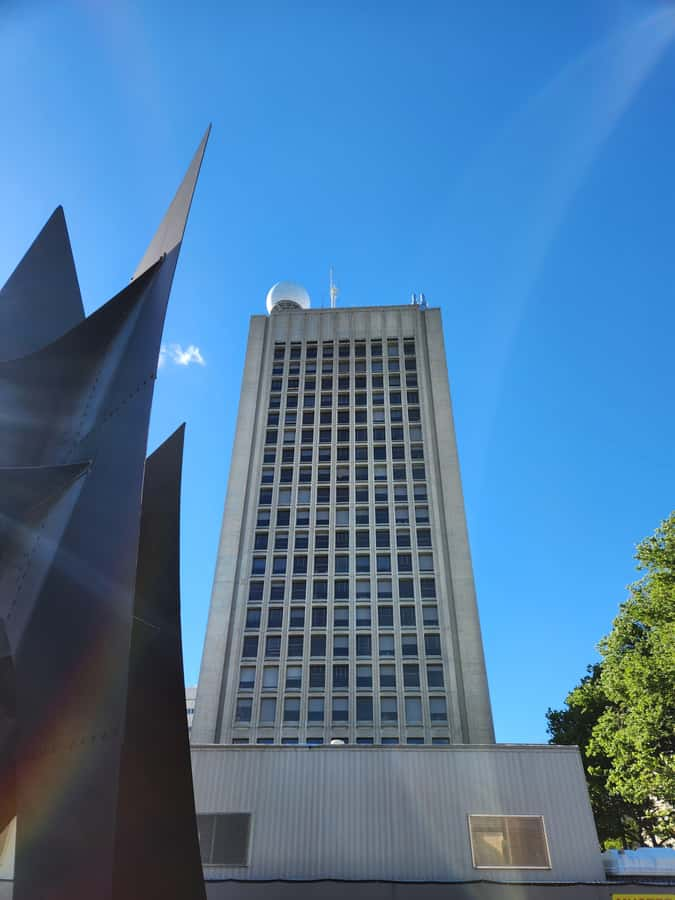
The first substantial stop is the MIT Media Lab, with about 15 minutes for explanation and sightseeing. This is a good introduction to MIT’s outward-looking character. The tour places the building within the school’s larger story, then uses the campus itself to show how design and invention shape daily life here.
You will not enter the Media Lab or any other MIT building. Still, the outdoor view is useful because the route is designed around architecture, not just famous names. Your guide points out buildings considered both successful and controversial, giving you a more honest look at the campus than a simple parade of attractive facades.
Next comes Gray House, a short stop of about five minutes. It is followed by the Green Building, where you spend around ten minutes. These stops help explain how MIT’s campus developed and how its buildings reflect different periods and purposes.
The Green Building is especially useful for visitors who enjoy architecture. You can expect discussion of its design and place within MIT, rather than an interior visit. Keep your camera ready, but listen closely too. The point is not only to collect photos. It is to understand why this campus looks so unlike Harvard.
Killian Court, the Great Dome, and MIT’s grander side
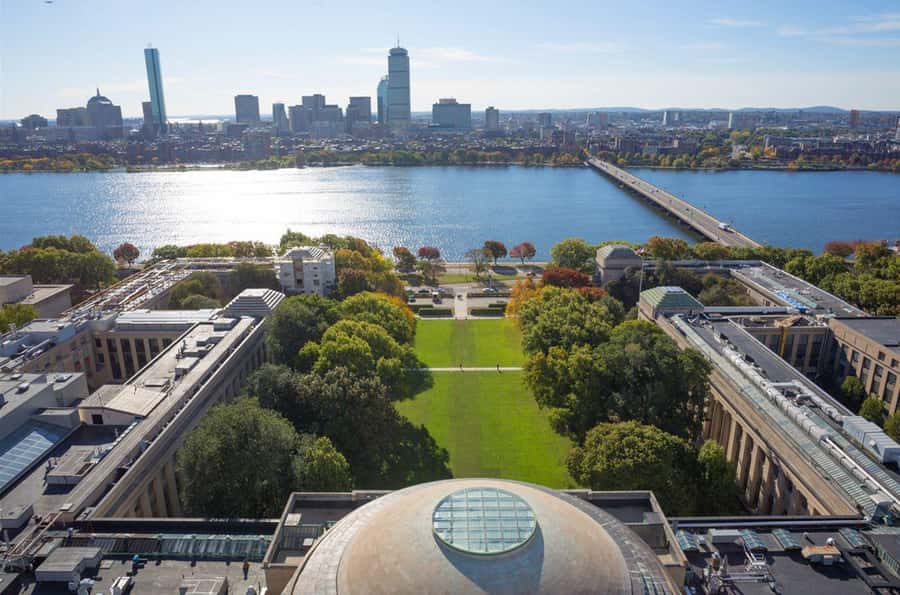
Killian Court offers a change of mood. After the more modern and experimental architecture, this open court gives you a classic view of MIT. The tour spends roughly ten minutes here, explaining campus traditions and the school’s identity.
The Great Dome is another key photo stop. You get about five minutes there, enough for pictures and a short explanation. The dome is one of the easiest images to associate with MIT, so this is the moment to take the familiar campus shot without losing the larger story.
The route also includes the MIT School of Architecture and Planning. Here, your guide continues the discussion of design and famous architects, including Frank Gehry and I. M. Pei. The tour does not treat architecture as background scenery. It uses the buildings to show the tension between practical engineering, experimental ideas, and visual drama.
That approach is one reason many people end up enjoying MIT more than they expected. Harvard is the obvious draw for many visitors, but MIT often wins people over with its unusual buildings, student traditions, and playful atmosphere.
MIT.nano, the Banana Lounge, and campus humor
MIT.nano receives a brief five-minute stop. The name alone hints at the university’s focus on very small-scale science and engineering. Your guide places it within MIT’s modern research culture, while keeping the explanation suitable for a general audience.
Then comes the MIT Banana Lounge, another short stop. It is the sort of quirky campus detail that makes this tour different from a standard architecture walk. MIT is known not only for serious research but also for student humor and unusual hangout spots. The tour makes room for both sides.
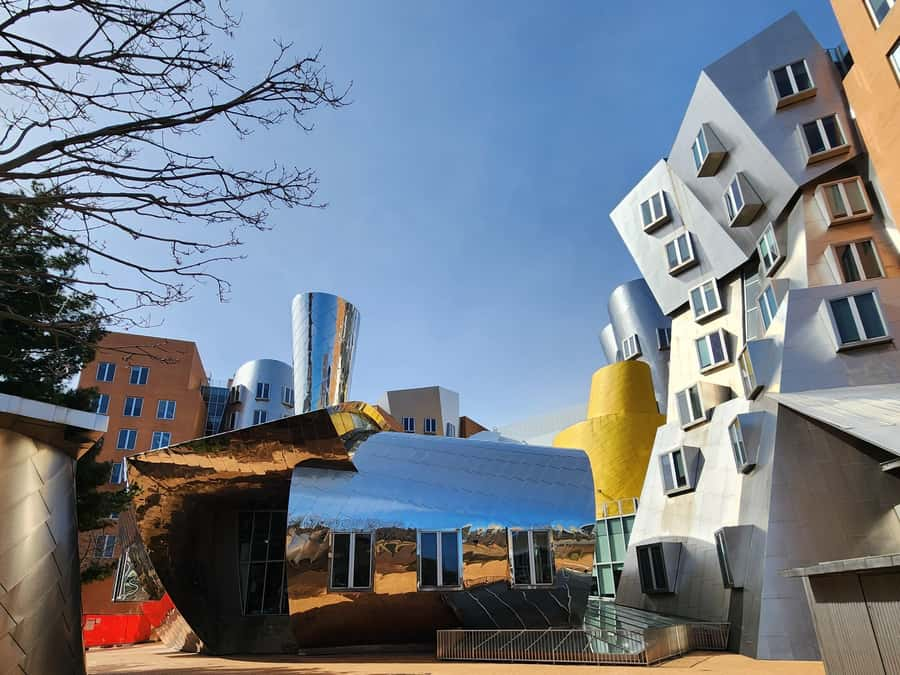
The Stata Center gets about 15 minutes, one of the longer MIT stops. Designed by Frank Gehry, it is a building that tends to provoke an opinion. The unusual forms and competing angles make it a natural place to discuss the difference between bold design and practical comfort.
This is also where the guide’s personality matters. The best moments come when architectural facts are mixed with student stories and the occasional campus prank. Alexandria, Jenny, and other guides have been praised for keeping groups involved with a steady flow of facts and humor. If you like architecture but do not want a technical seminar, this balance should suit you.
Same streets, a different route:
- The Full Revolutionary Story Epic Small Group Boston Walking Tour
★ 5.0 · 2,356 reviews - Boston’s Freedom Trail: A Revolutionary Walking Tour
★ 4.9 · 1,748 reviews - Boston: Freedom Trail History Small Group Walking Tour
★ 4.9 · 1,590 reviews - Boston North End Food Tour of 6+ Tastings, Cannoli, Lobster Roll
★ 5.0 · 1,404 reviews
The Harvard Bridge and the Smoot markings
The route continues to Harvard Bridge, on the Boston side of the Charles River. The bridge stop lasts about ten minutes and gives you a wider view of Boston as well as a famous MIT tradition.
The Smoot markings are one of the tour’s most memorable details. Instead of using ordinary feet to measure the bridge, the markings use the height of an MIT student named Oliver Smoot. The markings became part of the bridge’s identity and remain a favorite example of MIT student humor.
This stop also gives the tour some breathing room. You move from enclosed-feeling campus paths to open river views, then return to the academic setting. On a clear day, it is an excellent place for photographs. On a hot day, shade may be limited, so bring water and listen if your guide suggests a cooler position.
The walk across or beside the bridge is also a practical reminder of the tour’s physical demands. Comfortable shoes are essential. The route covers a lot of ground, and the bridge section is only one part of the walking.
The break and the short subway ride to Harvard
After the MIT portion, the itinerary includes a 15-minute break. This is a useful pause for water, a snack, or a quick reset before Harvard. The timing helps keep the tour from feeling like three and a half uninterrupted hours of standing and walking.
The trip to Harvard uses the subway and takes about 20 minutes. Your subway fare is included, and the guide explains some of the history of America’s oldest subway system while you wait and ride. This is a practical perk, but it also connects the two campuses in a natural way.
The subway section is not a private transfer. You are using the public system with the group, so stay close to the guide and be ready to board when the train arrives. The ride covers two stops, making it simple, but the group may need a moment to gather at the other end.
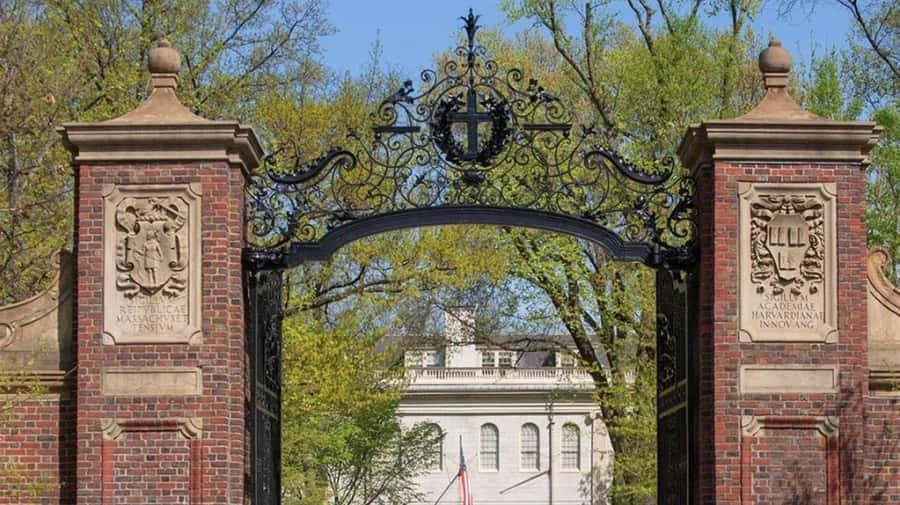
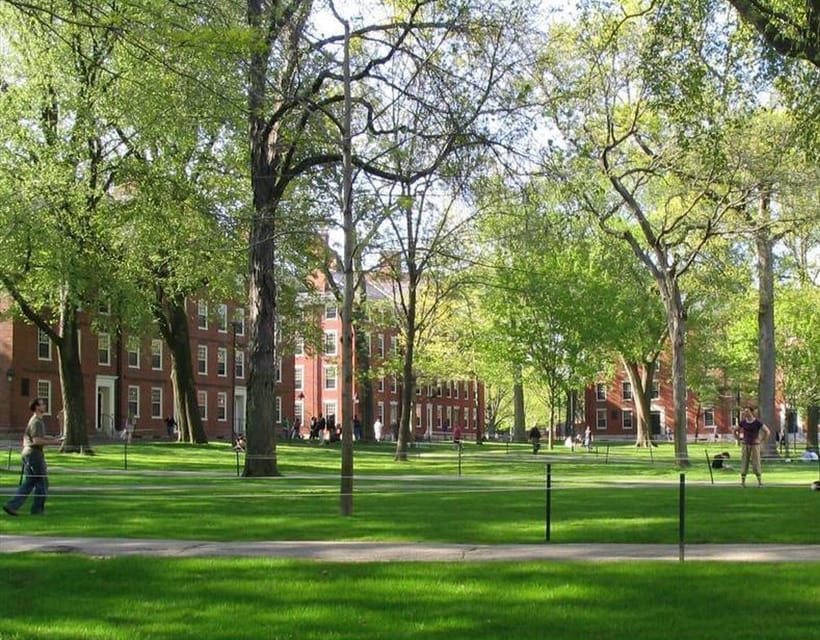
The Harvard portion begins at Johnston Gate in Cambridge. By this point, the atmosphere changes quickly. MIT feels modern, experimental, and playful. Harvard’s approach, gates, brick buildings, and formal spaces create a more traditional sense of place.
Harvard Yard and the Statue of the Three Lies
Johnston Gate receives about ten minutes, followed by a short guided stop nearby. Your guide introduces Harvard’s origins and explains how the university developed from its 1636 founding into one of the best-known colleges in the United States.
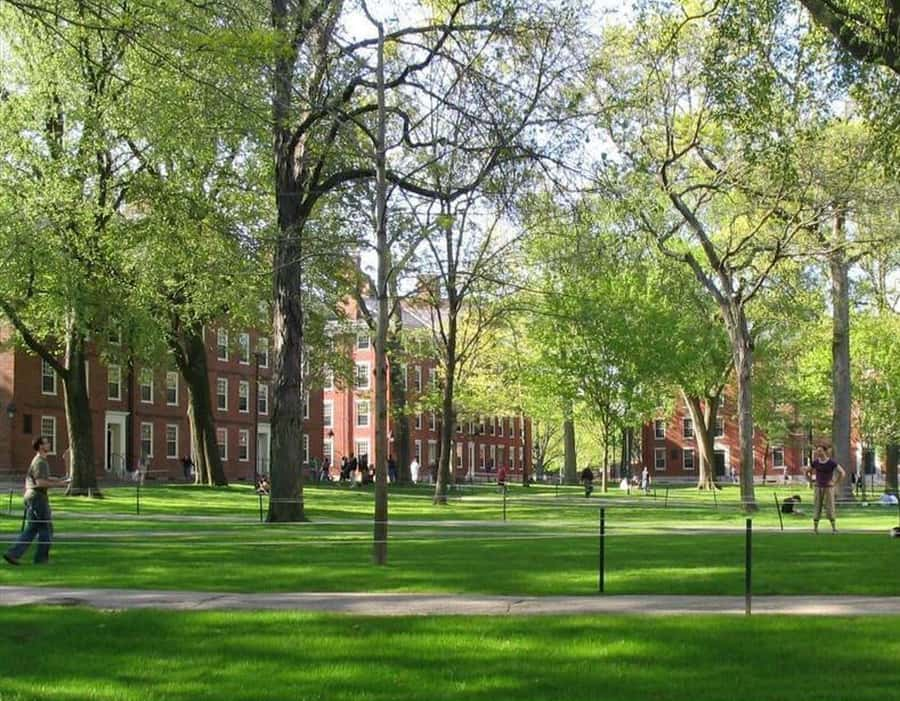
Harvard Yard is the heart of this section. You spend around ten minutes there, though the exact experience can depend on campus access and events. One past tour had to adjust when Harvard Yard was closed for a concert, so it is wise to understand that outdoor campus access can occasionally change. A good guide can shift the route, but the exact sequence may not always be fixed.
The John Harvard Statue is another major stop, with about ten minutes for the story and photos. This is the statue often connected with the so-called Statue of the Three Lies. Your guide explains the three misleading details associated with it, including the identity of the figure, the founding claim, and the dating. The worn toe is a familiar photo target, though you should follow any campus guidance about touching monuments.
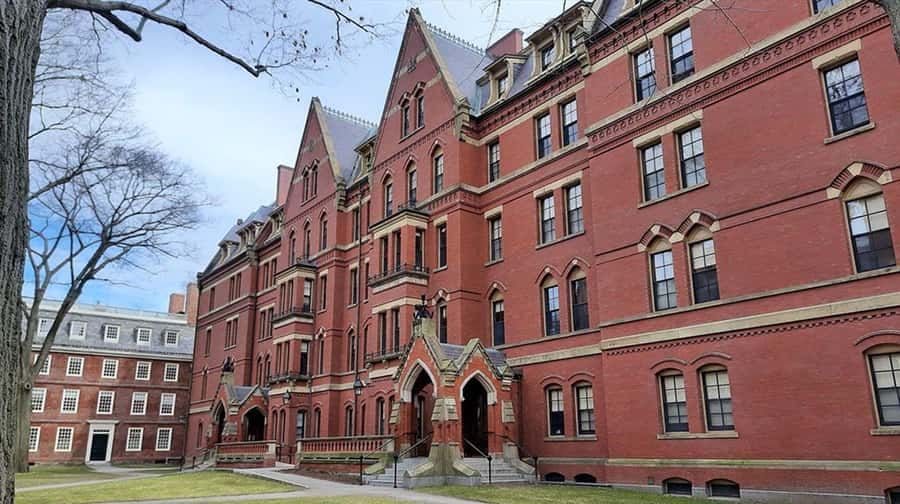
This part of the tour is less about academic departments and more about traditions, symbols, and stories that make a place memorable. You hear about Harvard’s role in American history, student customs, and the buildings where students live after Housing Day at the end of freshman year.
Memorial Hall, Memorial Church, and Widener Library
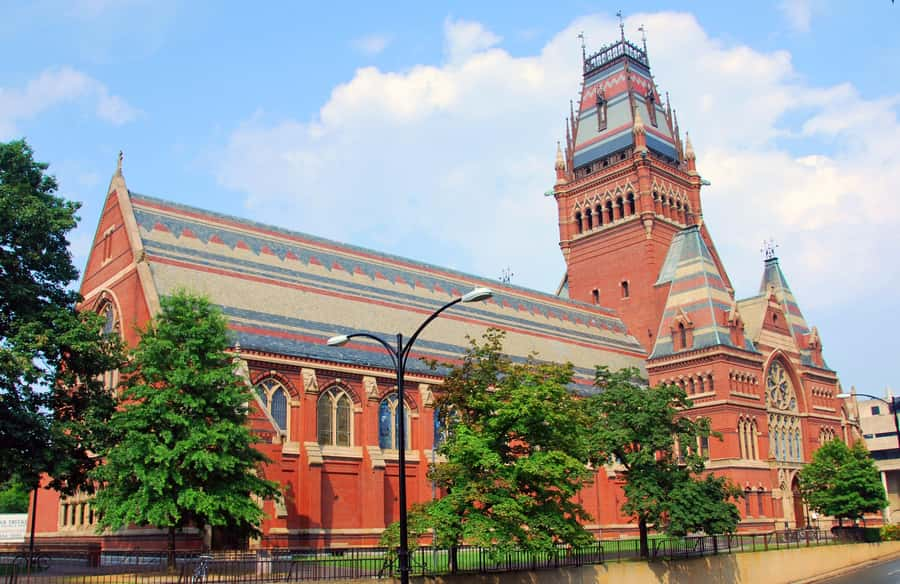
Memorial Hall gets about ten minutes. The building adds another layer to Harvard’s story, linking the campus to national events and the people associated with them. Memorial Church follows, also with around ten minutes.
These buildings are viewed from outside. Harvard does not permit non-students to enter campus buildings as part of this experience, so do not book expecting an interior tour of lecture halls, libraries, or student rooms.
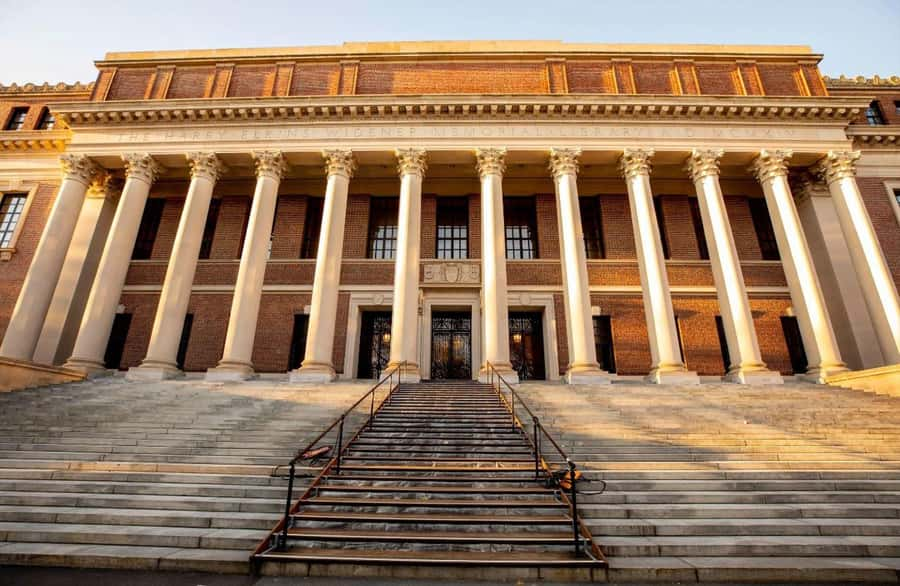
Widener Library is one of the strongest photo stops on the Harvard section. You have about ten minutes to take in the facade and hear about its place in Harvard’s academic world. The view is grand and formal, a sharp contrast with Gehry’s Stata Center and MIT’s more experimental style.
If you want a classic Harvard picture, Widener Library is the place to take it. Your guide can also help with photos. One of the practical strengths repeatedly noted about the guiding style is a willingness to take group pictures, which is useful when you are traveling with family or do not want to rely on strangers.
Wadsworth House, student residences, and Harvard Square
Wadsworth House receives about ten minutes and connects Harvard’s campus to the American Revolution. The tour includes the house where George Washington stayed during his visit to Boston and explains Harvard’s part in the war.
The route then continues toward Lowell House and Kirkland House. These stops help you understand where students live and how Harvard’s residential system works. Kirkland House receives about 15 minutes, the longest of the residential stops, so expect more context there than a quick exterior glance.
You will not go inside the residences. Instead, your guide explains the traditions and organization that shape student life, including the Housing Day process mentioned earlier. This is useful if you want to see Harvard as a functioning college rather than only a collection of famous facades.
The tour ends in Harvard Square after a final guided stop of about ten minutes. This gives you an easy place to continue your day. You can ask the guide for suggestions before departing, and several guides have been praised for offering useful ideas about what to do afterward.
What the $49 price really covers
At $49 per person, the value depends on how much structure you want. You are paying for a licensed English-speaking guide, roughly 210 minutes of narration and direction, a substantial walking route, and the subway fare from MIT to Harvard.
If you tried to connect all these points alone, you could see the exteriors, but you would miss much of the meaning. The tour adds the stories behind the Smoot markings, the Three Lies statue, student housing, Harvard’s revolutionary connections, MIT pranks, and the buildings designed by Gehry and Pei.
The price does not include gratuity. It also does not buy access to either university’s interiors, admissions offices, or student facilities. If your main goal is to compare programs, ask about grades, or see classrooms, this is not the right product. Contact the schools directly for admissions information.
I consider the cost fair for visitors who want both campuses in one outing and prefer not to organize the subway, route, and background themselves. It is less compelling if you only want a quick Harvard photo or if you already know both campuses well.
Pace, weather, and accessibility
The pace has been praised as comfortable, with enough information to feel substantial without becoming exhausting from facts alone. Still, the physical side is real. You will walk outdoors for most of the 210 minutes, with a subway ride and a short break in the middle.
Wear shoes you can trust. In summer, bring water and sun protection. Guides have made an effort to keep groups in the shade during very hot weather, but shade cannot be guaranteed at every stop. In rain or cold, the tour continues outdoors, so dress for the forecast.
This activity is not suitable for people with mobility impairments or wheelchair users. Mobility scooters, electric wheelchairs, crutches, walking sticks, and unaccompanied minors are listed as not allowed. A guide has helped a family with a stroller, but that should not be taken as a promise of full accessibility.
The tour is also listed as unsuitable for people over 95. That may sound unusually specific, but it reinforces the need to judge the walking requirement honestly.
Who will get the most from this tour
I would choose this tour for first-time visitors to Boston and Cambridge who want context rather than a checklist of buildings. It also works well for families with teenagers, especially students interested in science, architecture, American history, or college traditions.
The mix of serious subjects and strange details keeps younger participants involved. One family found the tour suitable even for children aged 13 and 15, while another guide helped a parent traveling with a three-year-old. The route is not designed as a children’s program, but the stories can hold the attention of older children and teens.
You should also book it if you enjoy photography. The MIT Dome, Harvard Bridge, Widener Library, Harvard Yard, and the John Harvard Statue provide plenty of recognizable images.
I would skip it if you need indoor shelter, step-free access, or a formal admissions presentation. I would also avoid it if three and a half hours of walking sounds like too much. There is no shortcut through the outdoor nature of the route.
Should you book the MIT and Harvard walking tour?
Book it if you want to see two very different universities in one well-organized outing, with a guide filling in the stories you would miss on your own. The included subway fare, clear meeting point, strong guide roster, and broad mix of architecture, history, and student traditions make the $49 reasonable.
Go in with the right expectations. You will see buildings from the outside, not tour their interiors. You will walk in changing weather, and Harvard access can occasionally shift because of campus events.
For most curious visitors, that is a good trade. MIT’s pranks and bold buildings balance Harvard’s statues, courtyards, and old institutions. If you want a lively introduction to Cambridge rather than an admissions tour, this is a smart way to spend half a day.
FAQ
Where does the MIT and Harvard walking tour begin?
Meet in front of Ripple Cafe next to the MIT/Kendall subway station. The guide wears a Boston Hidden Gems shirt.
Where does the tour end?
The tour finishes in Harvard Square.
Is the subway fare included?
Yes. The subway ticket from MIT to Harvard is included in the tour price.
Do you go inside MIT or Harvard buildings?
No. The tour visits the outdoor portions of both campuses. Harvard does not allow non-students to enter campus buildings as part of this activity.
Is this an admissions tour for future students?
No. The tour focuses on history, architecture, traditions, pranks, and legends. It does not provide a prospective-student admissions presentation.
What should I bring, and is the tour accessible?
Bring comfortable shoes. The activity is not suitable for wheelchair users or people with mobility impairments, and mobility scooters, electric wheelchairs, crutches, and walking sticks are not allowed. Assistance dogs are allowed, but other pets are not.
Just added around Boston
- Boston’s Architecture, History + Photo Walking Tour (SMALL Group)★ 5.0 · 91 reviews
- Beacon Hill Boston History + Photo Walking Tour (SMALL Group)★ 5.0 · 163 reviews
- Boston Private Food Tour of 6+ Tastings, Cannoli, Lobster Roll★ 5.0 · 165 reviews
- Haunted Boston’s Historic Streets Walking Guided Tour★ 4.5 · 184 reviews
- Boston’s North End Food and History Walking Tour★ 5.0 · 459 reviews
- Freedom Trail Guided Walking Tour (SMALL GROUP)★ 4.5 · 98 reviews
- 2 Hour North End ‘Little Italy’ Walking Tour★ 4.5 · 125 reviews
- Haunted Boston Booze and Boos Ghost Walking Tour★ 4.5 · 155 reviews
Walking Tours, compared.

Magical London: Harry Potter Guided Walking Tour
Read our review →
Reykjavik Food Walk – Local Foodie Adventure in Iceland
Read our review →
History and Hauntings of Salem Guided Walking Tour
Read our review →
New Orleans Premier Ghost, Voodoo and Vampire Walking Tour
Read our review →
Amsterdam Anne Frank: Small-Group Walking Tour & Local Guide
Read our review →

Edinburgh Castle: Guided Walking Tour with Entry Ticket
Read our review →
Anne Frank’s Story – Guided Walking Tour through Amsterdam
Read our review →Browse the lists this tour appears in