
REVIEW · MALTA
Malta: Mdina and Rabat Walking Tour with Catacombs
Mdina’s narrow lanes, grand palazzos, and honey-colored stone make it one of Malta’s most memorable places. This 2.5-hour walk adds the underground world of Rabat, including catacombs, St. Paul’s Grotto, and World War II shelters, so you get much more than a quick look at the Silent City.
I like the way the tour combines Mdina’s grand streets with Rabat’s practical, lived-in history, and I like that the entry fees are included in the $29 price. Guides such as Matthew, Carmel, Mario, and Dylan are praised for clear storytelling, humor, and patience with questions. The main drawback is simple: this is a walking tour with standing, stairs, and underground spaces, so it may feel demanding in hot weather or uncomfortable for anyone with limited mobility.
Key points to know before you book
- Two historic towns in one outing: See Mdina’s palaces and churches, then continue into Rabat for its underground sites.
- Several admissions included: The price covers the catacombs, St. Paul’s Grotto, and World War II shelters at the Wignacourt Museum.
- Strong guiding is the main attraction: Guides including Matthew, Carmel, Mario, and Dylan are known for good pacing, local detail, and an easy sense of humor.
- Expect more than a short stroll: The advertised duration is 2.5 hours, though some outings may run closer to three hours.
- Best for history-minded visitors: You get context about Malta’s rulers, religion, wartime life, architecture, and local culture.
- Bring practical gear: Comfortable shoes, water, sunscreen, a hat, and light clothing will make the walk easier.
Why Mdina makes such a good starting point
Mdina sits on a plateau in the middle of Malta, and its walls and bastions give it a commanding position above the surrounding countryside. It was once Malta’s capital, long before Valletta took that role. The old name, Città Notabile, translates as the noble city, which is a good clue to its character.
The city’s appeal is not just that it is old. It is that the basic shape of the place has changed little over a very long period. The narrow streets, enclosed corners, quiet lanes, and heavy stone buildings create a strong sense of separation from modern Malta.
That atmosphere can be striking, but it can also be hard to understand without a guide. A quick independent walk may show you attractive buildings without explaining why Mdina was built here, how Arab rule shaped its layout, or why its importance declined after Valletta was built.
This tour gives you that missing framework. Your guide explains Mdina’s changing names, rulers, religious life, and rebuilding after the earthquake of 1693. The result is a more useful visit. You are not simply looking at old stone. You are learning why the city looks the way it does.
The meeting point is outside Mdina Gate, next to the playing field. Take a moment to get your bearings before the guide arrives, since the gate area can be busy with people arriving independently. The walk begins with the city itself rather than a hotel pickup, so you need to arrange your own transport to Mdina.
A few more walking tours around the world worth a look
- Magical London: Harry Potter Guided Walking Tour
★ 4.7 · 22,044 reviews - Reykjavik Food Walk – Local Foodie Adventure in Iceland
★ 5.0 · 18,952 reviews - History and Hauntings of Salem Guided Walking Tour
★ 5.0 · 14,564 reviews
Mdina Gate, Greeks Gate, and the city walls
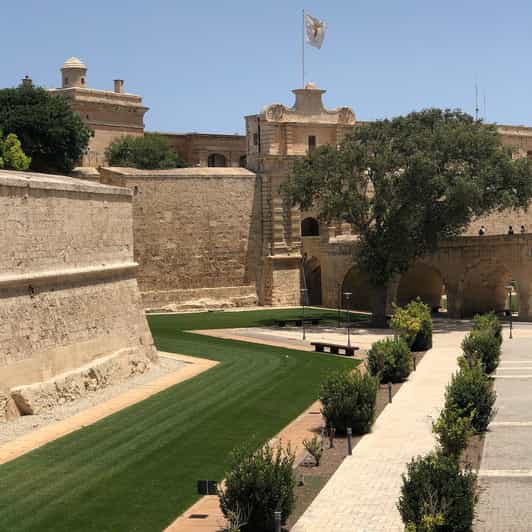
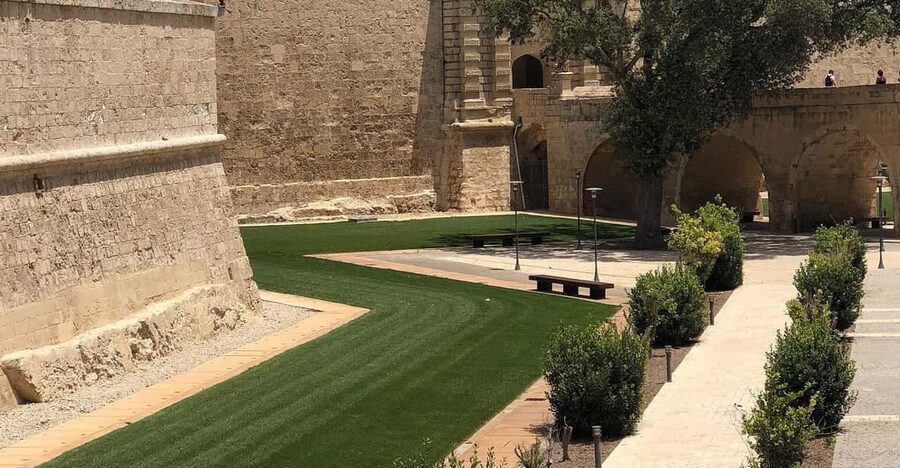
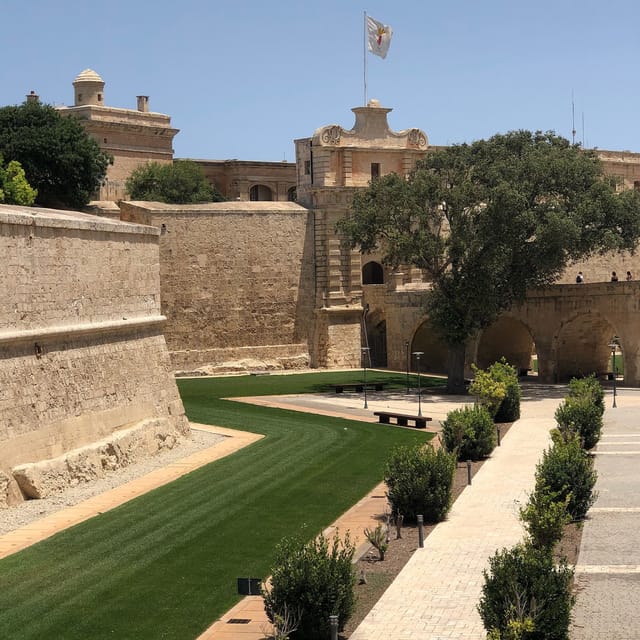
The approach through Mdina Gate sets the tone. The gate is one of the city’s most recognizable entrances, and Greeks Gate adds another important architectural stop as you move through the old fortifications.
Your guide will point out how the entrances controlled access to the city and how the walls helped protect its elevated position. This is one of the places where a few minutes of explanation can transform what might otherwise be a simple photo stop.
The bastion walls provide some of the tour’s best open views. The city is compact, but the elevated setting gives you a broad outlook across central Malta. Bring a hat and water, especially in warmer months, because the exposed sections can feel hot and bright.
The walking itself is not described as a strenuous hike, but the tour includes repeated periods of standing and plenty of time on stone streets. Comfortable shoes matter more than fashionable ones. Smooth or thin soles will not be your friends on an old surface.
Palazzos, chapels, and the Mdina Cathedral
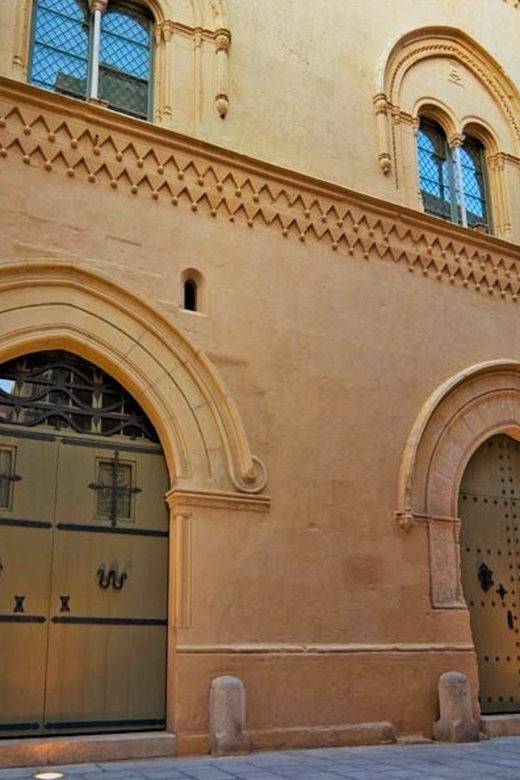
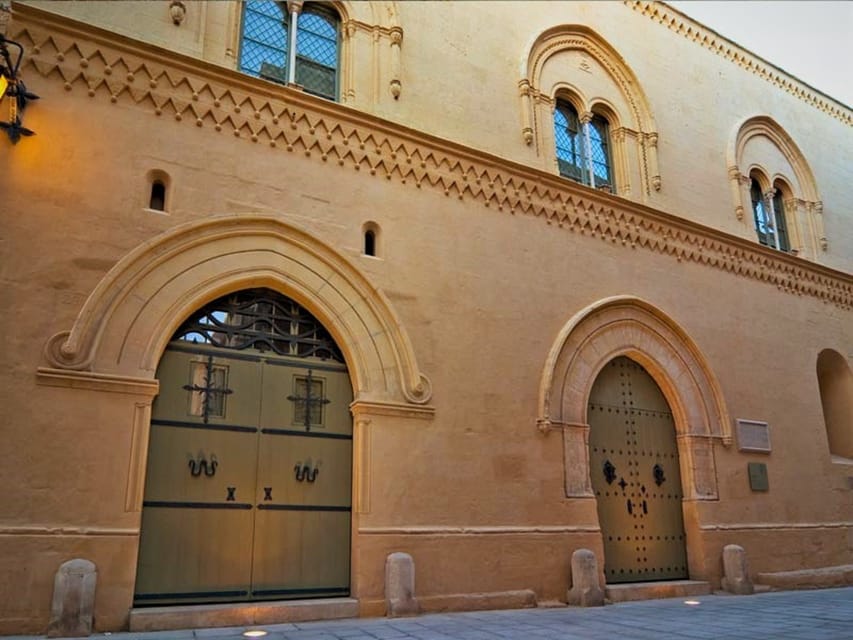
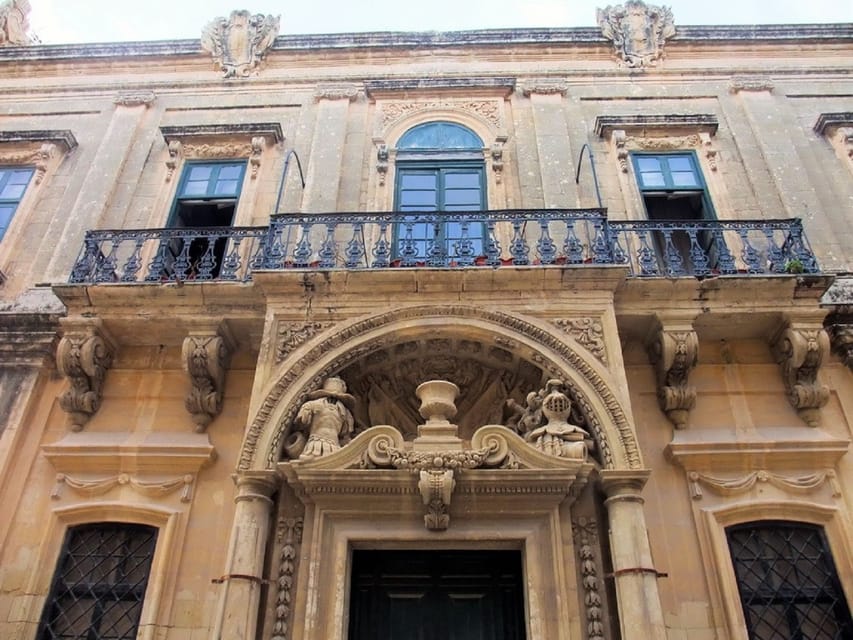
Inside Mdina, the route passes several notable buildings, including Vilhena Palace, Palazzo Falzon, St. Agatha’s Chapel, the Banca Giuratale, and Mdina Cathedral. Each adds a different piece to the city’s story.
Palazzo Falzon is one of the more appealing stops for anyone interested in domestic life and aristocratic architecture. It helps you picture Mdina not just as a fortress, but as a place where prominent families lived, worked, and displayed their status.
St. Agatha’s Chapel brings the focus back to religion. Malta’s churches are central to its identity, and the guide links the buildings you see to the island’s wider Catholic tradition.
The Banca Giuratale introduces the civic side of Mdina. This is useful because the city was not only a royal or religious center. It also needed officials, administration, law, and public institutions.
Mdina Cathedral is the visual centerpiece. Its baroque style reflects the rebuilding that followed the 1693 earthquake. Your guide will help you distinguish the medieval structure and street plan from the later baroque additions, which is one of the most interesting contrasts in Mdina.
The walk does not simply rush from one monument to the next. The strongest guides, including Carmel, Matthew, and Mario, are praised for stopping to answer questions and for explaining Malta in plain language. Mario is also described as a former history teacher, which helps explain the classroom-like clarity and storytelling that people appreciate.
The transition from Mdina into Rabat
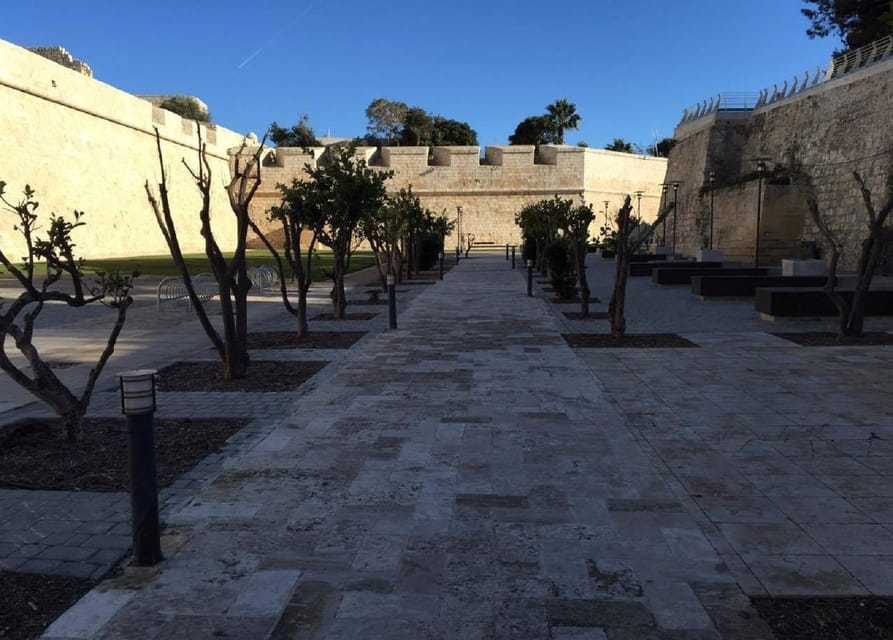
Rabat sits beside Mdina, but the two places feel different. Mdina is fortified, formal, and quiet. Rabat is more connected to everyday life and to the underground remains that reveal how people used this part of Malta over time.
That change makes the itinerary work well. You get the polished surface of palaces and churches first, then move into spaces tied to burial customs, religious tradition, and wartime protection.
The Rabat section also prevents Mdina from becoming a one-note visit. If all you want is photography among old streets, you could see much of Mdina independently. The Rabat sites provide the extra substance that makes the $29 fee easier to justify.
The guide’s role is especially useful here because the sites cover different periods. You move from ancient and early Christian remains to the Second World War, and the story could feel scattered without a clear explanation. Guides such as Dylan and Carmel are praised for joining these periods together in an engaging way.
Same streets, a different route:
- New Orleans Premier Ghost, Voodoo and Vampire Walking Tour
★ 4.5 · 12,856 reviews - Amsterdam Anne Frank: Small-Group Walking Tour & Local Guide
★ 4.8 · 12,789 reviews - Edinburgh: Harry Potter Magical Guided Walking Tour
★ 4.8 · 11,944 reviews - Edinburgh Castle: Guided Walking Tour with Entry Ticket
★ 4.7 · 11,699 reviews
Wignacourt Museum and the underground sites
In Rabat, the tour enters the Wignacourt Museum. The included admission covers the catacombs, St. Paul’s Grotto, and World War II shelters, giving you three very different experiences under one roof or site complex.
The catacombs are the most unusual part for many people. They offer a look at ancient burial practices and the layers of history beneath Rabat’s streets. The spaces are described as fascinating rather than frightening, but they are still underground, and some sections may feel airless to sensitive visitors.
One practical point is worth taking seriously: the catacombs are not a quick glance from the doorway. You go down into the site and spend time walking and standing. If enclosed spaces make you uncomfortable, tell the guide before descending. One guide has been praised for clearly explaining the conditions so that people could decide how far they wanted to go.
St. Paul’s Grotto connects the Rabat visit with Malta’s Christian tradition. It is an important religious site, and the guide supplies the background needed to understand why it matters. This is more useful than treating the grotto as a standalone curiosity.
The World War II shelters add a modern layer. Malta endured heavy bombing during the war, and the shelters show how civilians adapted underground for protection. This section is often especially effective because it shifts the story from ancient remains to the experiences of ordinary Maltese people during a recent crisis.
If you are mainly interested in military history, the shelters may become one of your favorite parts. If you prefer architecture and art, Mdina’s cathedral and palazzos may appeal more. The value of the tour comes from having both.
How the guides shape the experience
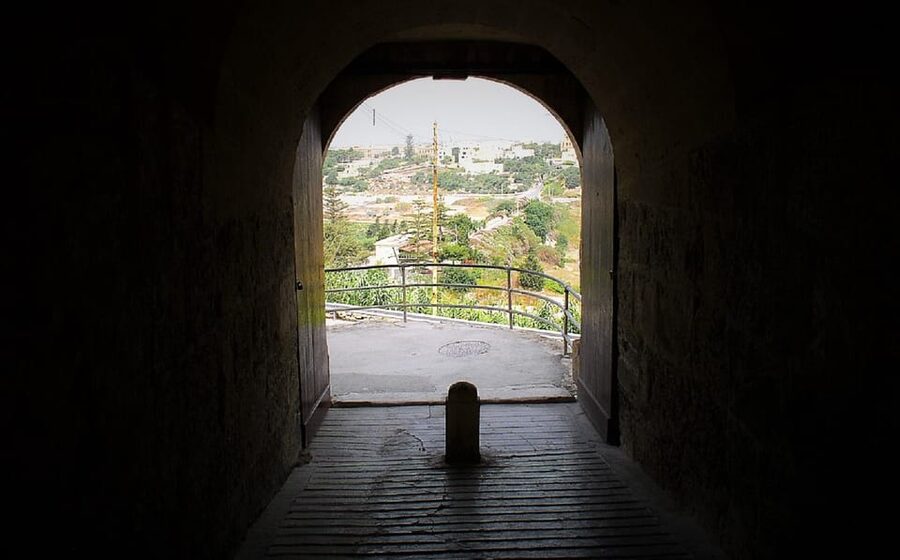
The guide can make or break a history walk, and this one has a strong record in that department. Matthew is repeatedly praised for being friendly, clear, and able to handle many questions without losing the thread of the walk. He has also guided visitors in Valletta, which can be useful if you happen to have him on more than one outing.
Carmel is described as warm, humorous, and especially good at adding local details. Mario, known to some groups as the history teacher, uses stories and facts to bring the places to life. Dylan is praised for making the history easy to follow while keeping the mood light.
Other guides, including Allysia, Michael, and Carmen, have also been singled out for clear explanations and an engaging manner. You should not book expecting one particular guide unless the operator confirms that in advance, but the repeated praise for several guides is encouraging.
The best feature is not simply factual knowledge. It is the willingness to answer questions and connect the sites to Maltese culture, family stories, commerce, war, and daily life. One guide even added Game of Thrones filming information for a group, which may appeal to fans, though the historical material remains the main reason to come.
Timing, pace, and what the $29 price buys

At $29 per person, this is a reasonable deal if you plan to visit the included underground sites anyway. Buying the entries separately would reduce the convenience and leave you without the historical explanations that connect them.
The advertised duration is 2.5 hours. Some outings have taken closer to three hours, so avoid scheduling a tight lunch reservation or another activity immediately afterward. The extra time may come from questions, group pace, or the number of stops.
The walk is generally described as well paced, neither hurried nor painfully slow. That matters in Mdina, where rushing would make it difficult to notice the details. It also matters in the catacombs, where you need time to listen and move carefully.
This is an English-language tour with a professional licensed guide. Food and drinks are not included, and there is no hotel pickup or drop-off. Bring your own water and food if you need them, though the tour information does not specify meal or refreshment stops.
The booking terms are flexible: you can cancel up to 24 hours before the activity for a full refund, and you can reserve now and pay later. Those are useful protections if your Malta plans depend on weather or transport.
Weather, clothing, and mobility concerns
Malta’s sun can be strong, and parts of Mdina’s walls are exposed. Wear sunscreen, carry water, and bring a sun hat. Light, comfortable clothing is a sensible choice.
Rain does not necessarily end the tour. A guide has been praised for moving people under cover during the wettest parts and continuing when conditions improved. Still, the experience is better with a small rain layer or poncho if the forecast looks unsettled.
The information for this activity gives mixed accessibility details. It is marked as wheelchair accessible in one section, but it is also listed as unsuitable for people with mobility impairments and wheelchair users. Because the route includes old streets, underground areas, stairs, and extended standing, you should contact the provider before booking if mobility is a concern.
Families with older children may find plenty to interest them, especially the shelters and stories about Malta. Very young children may struggle with the amount of listening and standing. The tour suits adults, older children, history fans, and first-time visitors who want context rather than a quick photo walk.
Who should book this Mdina and Rabat walk
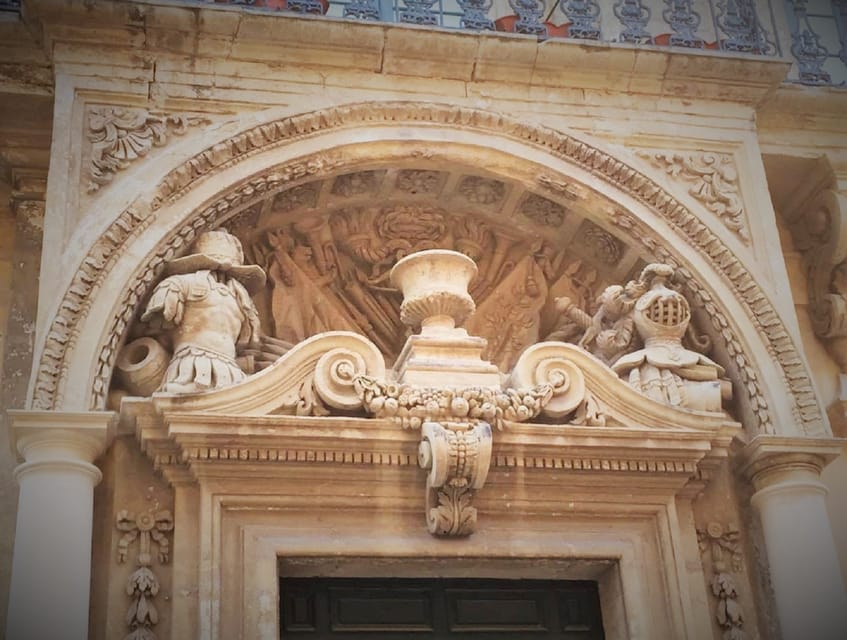
You should book it if you want to understand how Mdina and Rabat fit into Malta’s story. The combination of medieval streets, baroque architecture, Christian sites, ancient burial spaces, and wartime shelters gives you a broad introduction in a short period.
It is also a good choice if you are visiting Mdina for the first time and do not want to spend hours researching the city beforehand. The guide supplies the structure, while the included admissions save you from arranging the underground visits separately.
You may prefer to explore independently if you dislike fixed walking routes, have very limited stamina, or want to spend a long time inside one church or museum. The 2.5-hour format gives you breadth, not extensive free time at every stop.
Final verdict: book it if you want the story behind the stone
I would choose this tour for a first visit to Mdina and Rabat, especially at $29. The included catacombs, St. Paul’s Grotto, and WWII shelters make it better value than a simple city walk, and the guides add the context that Mdina’s quiet streets do not provide on their own.
Book it for the history, the underground sites, and the chance to ask questions. Skip it only if you want a slow, private wander or if extended walking and enclosed spaces will make the outing uncomfortable.
FAQ
Where does the tour meet?
Meet your guide outside the Mdina Gate, next to the playing field.
How long does the tour last?
The stated duration is 2.5 hours. Some outings may take around three hours, so allow a little extra time.
What language is the tour conducted in?
The live guided tour is conducted in English.
Is a guide included?
Yes. A professional licensed guide leads the walk.
Which entrance fees are included?
Admission to the catacombs, World War II shelters, and St. Paul’s Grotto is included.
Does the tour include hotel pickup?
No. Hotel pickup and drop-off are not included, so you must make your own way to the meeting point.
Are food and drinks included?
No. Food and drinks are not included. Bring water and any food you may need.
What should I bring?
Bring comfortable shoes, water, sunscreen, a sun hat, food if needed, and comfortable clothing.
Can I cancel the booking?
Yes. You can cancel up to 24 hours in advance for a full refund.
Is the tour suitable for wheelchair users?
The activity information gives conflicting accessibility details. It is marked as wheelchair accessible in one place but also listed as unsuitable for wheelchair users and people with mobility impairments. Contact the provider before booking if this applies to you.
Just added around the world
- Fira: Guided Foodie Walking Tour with Tastings★ 4.9 · 474 reviews
- Fez: Guided Walking Tour of the Historic Medina★ 5.0 · 359 reviews
- Fez: Walking Tour in the Ancient City of Fez★ 4.8 · 73 reviews
- Faro: Old Town Guided Walking Food Tour★ 4.9 · 94 reviews
- Feel like a local – Walking Tour in Mykonos Town 2hours★ 4.4 · 77 reviews
- Fes: A Guided Walking Tour Through the Historic Medina★ 4.4 · 97 reviews
- Fez: Half-Day City Private Walking Tour with a Guide★ 4.6 · 114 reviews
- Fanal / Assobiadores – Levada Walk★ 4.6 · 93 reviews
Walking Tours, compared.

Magical London: Harry Potter Guided Walking Tour
Read our review →
Reykjavik Food Walk – Local Foodie Adventure in Iceland
Read our review →
History and Hauntings of Salem Guided Walking Tour
Read our review →
New Orleans Premier Ghost, Voodoo and Vampire Walking Tour
Read our review →
Amsterdam Anne Frank: Small-Group Walking Tour & Local Guide
Read our review →

Edinburgh Castle: Guided Walking Tour with Entry Ticket
Read our review →
Anne Frank’s Story – Guided Walking Tour through Amsterdam
Read our review →Browse the lists this tour appears in