
REVIEW · SWEDEN
Gothenburg: Haga Old Town Walking Tour
Haga is the part of Gothenburg where a short walk tells a much larger story. You’ll pass wooden houses, old working-class streets, cafés, shops, and the steep path toward Skansen Kronan, while a local guide explains how this once-poor district became one of the city’s most popular places to wander. I especially like the clear sense of place and the way guides connect Haga’s past with daily Swedish life today.
I also like the small-group feel. Several guides, including Sarah, Sara, Kalina, and Luka, have given private or near-private tours when bookings were light, leaving plenty of room for questions and restaurant advice. The main caution is practical: the walk to Skansen Kronan is steep, and the advertised duration varies between 1.5 and 2 hours.
Key points at a glance
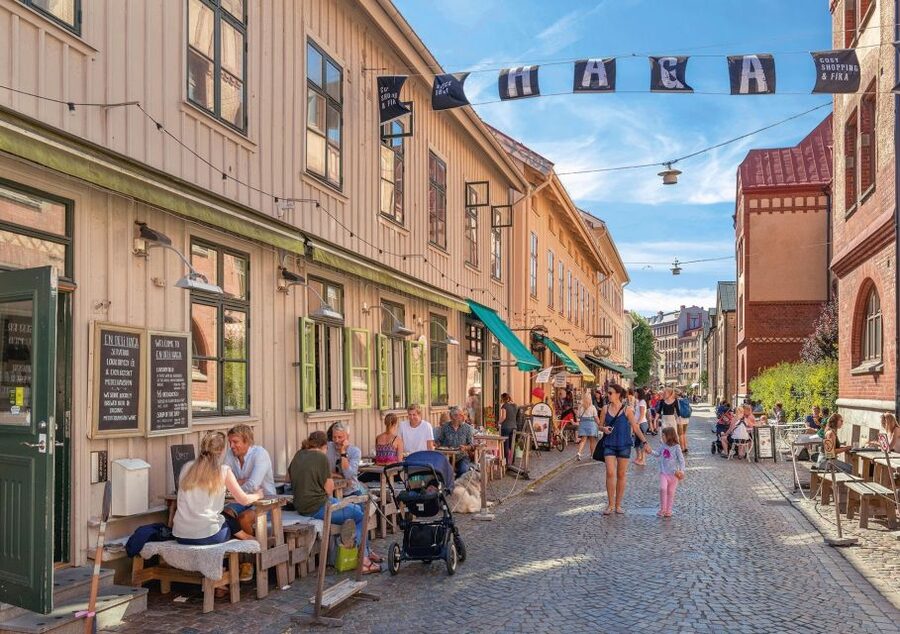
- Haga Nygata’s wooden houses: See Gothenburg’s distinctive landshövdingehus, with a brick ground floor and wooden upper floors.
- A neighborhood with a sharp turnaround: Learn how Haga changed from a 19th-century slum with a seedy reputation into a fashionable café and shopping district.
- Skansen Kronan viewpoint: The route may include a steep climb to the former fort, with broad views over Gothenburg.
- Guides who personalize the walk: Sarah, Sara, Kalina, Luka, Helena, Karen, and others are praised for storytelling and local recommendations.
- More than buildings: Expect conversation about Swedish education, parental leave, food, culture, and everyday life.
- Useful first-day orientation: At $55 per person, the tour is most valuable if you use the guide’s suggestions for the rest of your Gothenburg stay.
Haga Nygata, where Gothenburg’s old wooden town begins

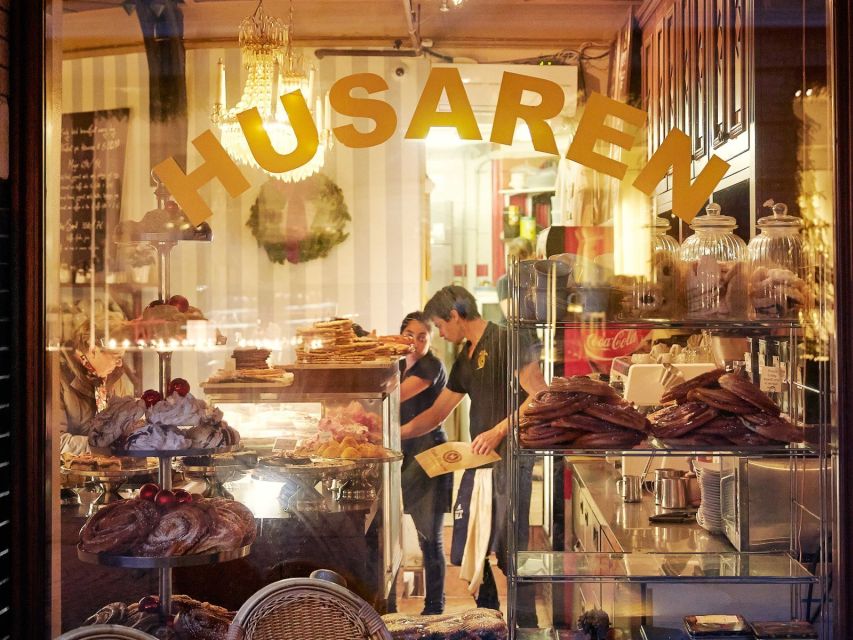
The tour meets outside the main entrance of Haga Church. That location is easy to identify, but check your confirmation carefully because one booking instruction reportedly named Café Husaren instead. The church entrance is the stated meeting point, and a past guide waited when guests went to the wrong place, but you’ll save time by confirming the location before setting out.
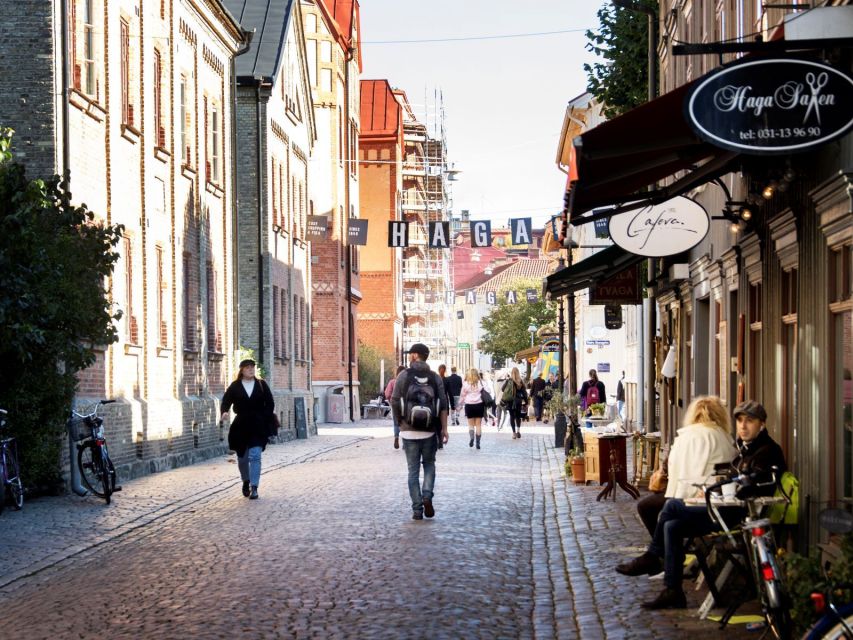
From here, the walk moves into Haga, one of Gothenburg’s oldest neighborhoods. The central pedestrian street, Haga Nygata, is lined with preserved wooden buildings, cafés, delicatessens, and independent shops. This is not a museum district frozen behind glass. You’ll see a functioning neighborhood where old façades now frame coffee stops, small businesses, and places to eat.
The buildings are one of the tour’s best reasons to go with a guide. Haga is known for landshövdingehus, a Gothenburg building style with one floor in brick and the remaining floors in wood. On your own, you can admire the colors and proportions. With a guide, you get the detail that explains why these houses look the way they do and what they reveal about the city’s development.
I would pay close attention to the transitions between streets. The appeal is not only one grand sight. It is the repeated contrast between modest old homes, later changes, and the polished cafés and shops of present-day Haga.
More Old Town Walking Tours in Sweden:
- Stockholm Gamla Stan: Old Town Walking Tour with Local Guide
★ 4.7 · 1,714 reviews - Walking Tour of Stockholm Old Town
★ 5.0 · 1,175 reviews - Stockholm: Old Town Private Walking Tour
★ 4.7 · 675 reviews
From poor quarter to popular address
Haga’s past gives the walk some bite. In the 19th century, the district had a reputation as a slum and a rough place to live. Today, it is often described as Gothenburg’s hippest area, with a steady flow of people looking for coffee, food, and local shopping.
That change is worth discussing rather than treating it as a simple success story. A guide can show you how the neighborhood’s image changed while explaining the lives of the people who once lived there. The tour’s strongest guides make this shift understandable through stories, not just dates.
Sara and Sarah are especially praised for bringing the area to life and for explaining how it feels to live in Gothenburg now. Kalina has also been singled out for linking Haga with wider Swedish culture and city life. If you enjoy asking questions, this is where a small group makes a real difference.
The subject can also lead to thoughtful conversations about gentrification. One guest described Haga as a successful example of it, while the area’s older reputation reminds you that fashionable streets often have complicated pasts. The tour does not appear to be only a polished architectural stroll. It gives you a chance to think about who a neighborhood serves at different points in its life.
The stories behind the façades

This is a story-led walking tour rather than a stop-and-snap photo circuit. Your guide points out buildings and places with historical importance, then adds local folklore and personal observations. The exact route can vary, especially when a guide adjusts the pace for a small group or answers questions along the way.
Several guides have received praise for clear voices, humor, and an easy way of explaining the past. Sarah has been described as a strong storyteller, while Luka has been praised for an entertaining and informative approach. Helena and Karen have also led walks that felt friendly and personal.
You may hear more than Haga’s story. Guides have connected the district to Gothenburg as a whole, explaining how the old city developed and how different neighborhoods fit together. That wider context is useful if you have only a short stay or want help deciding what to see next.
The personal element is a real benefit. Guests have used the time to ask about Swedish education, university costs, maternity and paternity leave, and everyday life. Those topics are not a separate lecture. They come up naturally when you have a local guide who welcomes questions.
The climb to Skansen Kronan
The biggest physical consideration is the possible walk up to Skansen Kronan, the former fort on the hill above Haga. The views over Gothenburg are a strong reward, and the fort adds a second layer to the tour beyond the street-level houses.
The route is steep. One guest specifically noted that the climb and descent could be difficult for anyone with mobility issues. Another party had a member who could not make the ascent, and the guide modified the route so the group could return and meet that person.
This matters because the standard description does not make the hill prominent enough. If you have limited mobility, a leg injury, or simply do not want a strenuous uphill walk, ask about the current route before the tour begins. The activity is listed as wheelchair accessible, but the reported climb to the fort may not suit every wheelchair user or anyone who finds steep paths difficult.
For those who can manage it, Skansen Kronan changes the rhythm of the walk. You leave the close-up streets and gain a broader view of Gothenburg. I would treat this as a valuable extra, but not the only reason to book. The Haga streets and the guide’s storytelling remain the core of the experience.
A few more walking tours around Sweden worth a look
- Stockholm: Ghost Walk and Historical Tour
★ 4.7 · 2,685 reviews - Stockholm: Swedish Food Guided Walking Tour
★ 4.5 · 1,167 reviews - The Original Stockholm Ghost Walk and Historical Tour – Gamla Stan
★ 4.5 · 1,165 reviews - Best of Stockholm Walking Tour-3 Hours, Small Group max 10 people
★ 5.0 · 645 reviews
Cafés, fika, and useful local advice
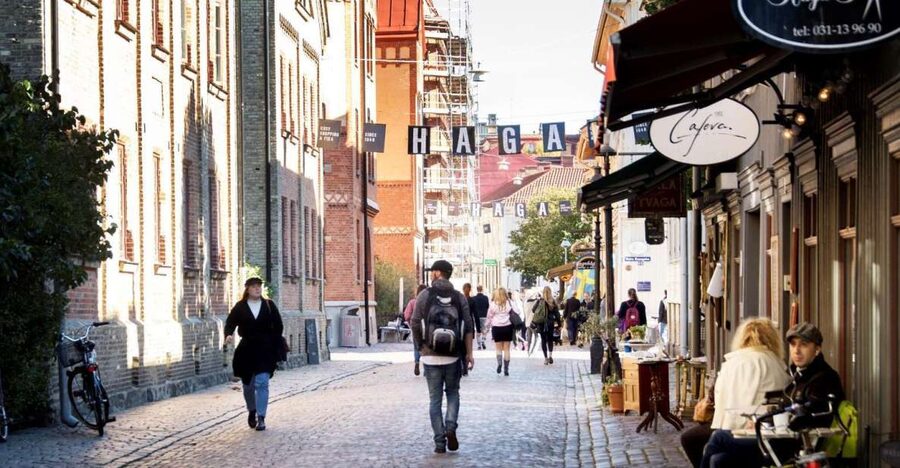
Haga is well suited to a walking tour because its history and present-day life sit close together. You can move from old wooden façades to cafés, delicatessens, and independent shops without needing transport between sights.
The tour does not include food or drinks, so budget separately for a coffee or cake afterward. Guides have recommended cafés and places for fika, and several guests received tips on where to eat later in the day. One guide’s coffee-and-cake suggestion was specifically appreciated, while another helped guests choose a dinner spot that suited them well.
That advice can be worth more than a generic list of restaurants. A local guide can tailor suggestions to your interests, schedule, or preferred type of outing. You might also get ideas for sightseeing beyond Haga and recommendations for authentic souvenirs.
I would not book this expecting a dedicated food tour. Fika is a useful part of the neighborhood experience, but the included service is the walking tour and guiding. Plan to stop independently after the walk if you want to eat.
How long the walk really takes
The information gives two different timings: the summary states 1.5 hours, while the main description and inclusion list refer to a 2-hour walk. One guest reported an exact two-hour tour, while other accounts describe walks lasting around an hour and a half.
In practice, the length may depend on group size, questions, weather, and whether the Skansen Kronan climb is included. A private or tiny group can move at a flexible pace, while a larger group may follow a more set rhythm.
I would leave a two-hour window, plus time afterward for coffee and exploring. Do not schedule a tight museum booking immediately after the advertised start and end time. The walk is not long by city-tour standards, but the conversations and hill can stretch the experience.
Small groups and the guide you get
The group size is not specified, but many bookings have turned into very small groups or one-to-one walks. That is one of the strongest features of this experience. Guests have been able to ask detailed questions about Sweden, request restaurant ideas, and adjust the pace.
A private-style walk is not guaranteed, so you should not book solely on that expectation. Still, the pattern of small groups gives the tour a more personal feel than a large city walk. Guides have continued with solo bookings, and some have offered extra time or additional suggestions when the schedule allowed.
The individual guide matters. Sarah and Sara appear often in the feedback, along with Kalina, Luka, Helena, and Karen. The common thread is local experience, strong knowledge of Haga, and a willingness to talk about more than the prepared route.
If you want a silent, fast-paced sightseeing circuit, this may feel too conversational. If you like asking how people live, eat, study, and work in Sweden, the format should suit you well.
Is $55 a fair price?

At $55 per person, this is not the cheapest way to walk through Haga. You can explore Haga Nygata, look at the wooden houses, and climb toward the fort without paying for a guide.
The price makes more sense if you value context and practical advice. You are paying for an English-speaking local guide, the story of Haga’s transformation, explanations of the landshövdingehus, broader Gothenburg history, and recommendations for the rest of your visit. A small group also improves the value because you can ask questions instead of simply listening from the back.
I would consider it good value for a first visit, especially if you have only a day or two in Gothenburg. It is less compelling if you already know Haga well, prefer to explore independently, or mainly want photographs of the buildings.
Tips are not included. Gratuity is optional and separate from the $55 price.
Weather, pace, and practical comfort
This is an outdoor walking experience, so Gothenburg weather matters. One guide adjusted the departure time on a very wet day, and another kept a group engaged through rain and wind. That shows some flexibility, but you should still dress for conditions and wear shoes suitable for the hill.
A hot midday walk can also be tiring. One guest took the tour in very warm weather and appreciated the guide’s care, but the combination of sun, pavement, and the Skansen Kronan climb is worth considering.
The tour is offered in English with a live guide. It is listed as wheelchair accessible, though the fort climb deserves a direct question before booking. If someone in your party has mobility limitations, explain that in advance and ask whether the route can be adjusted.
Free cancellation is available up to 24 hours before the tour for a full refund, and you can reserve now and pay later. Those terms are useful if your Gothenburg plans may change.
Who should book this Haga walk?
I would recommend it to first-time visitors who want a readable introduction to Gothenburg rather than a list of isolated sights. It also suits solo visitors, couples, and families who like history with room for conversation.
You should book it if you want:
- A clear introduction to Haga and Gothenburg
- Local stories rather than only architectural facts
- Advice about cafés, dinner, sightseeing, and souvenirs
- A small-group or private-style experience when numbers are low
- The chance to ask about Swedish culture and daily life
- A hilltop view from Skansen Kronan, if you are comfortable with the climb
I would think twice if you need a completely flat route, dislike weather-dependent activities, or have only a narrow gap between appointments. The route can also feel short if you want a full-day Gothenburg tour.
My verdict on the Haga Old Town Walking Tour
Book this tour if you want Haga to make sense, not just look pretty. The wooden houses and cafés are easy to enjoy on your own, but a good guide adds the neighborhood’s older working-class story, explains the landshövdingehus, and connects Haga with modern Swedish life.
The best value comes from using the tour as a starting point. Take notes on the café and restaurant suggestions, ask about other Gothenburg neighborhoods, and leave time afterward to wander or stop for fika. Just confirm the meeting point, allow up to two hours, and ask about the Skansen Kronan climb if mobility is a concern.
FAQ
Where does the Haga walking tour meet?
You meet your guide outside the main entrance to Haga Church.
How long does the tour last?
The activity information gives a duration of 1.5 hours, while the main tour description and inclusion details state 2 hours. Plan for up to 2 hours.
What language is the tour conducted in?
The live tour guide speaks English.
What is included in the price?
The price includes the walking tour and a professional local guide.
Is food or fika included?
No. Food, drinks, and gratuity are not included, though guides may recommend cafés and places for fika.
Does the tour visit Skansen Kronan?
The route can include Skansen Kronan, the former fort on the hill above Gothenburg. The walk up is steep and may be challenging for some people.
Is the tour wheelchair accessible?
The activity is listed as wheelchair accessible. However, the possible steep route to Skansen Kronan may not suit every wheelchair user, so confirm the route before booking.
What kind of buildings will I see?
You will see preserved wooden houses, including Gothenburg-style landshövdingehus with one brick floor and upper floors made of wood.
Can I cancel for a refund?
Yes. You can cancel up to 24 hours in advance for a full refund.
Can I reserve the tour without paying immediately?
Yes. The reserve-now-and-pay-later option lets you book your place without paying at the time of reservation.
Just added around Sweden
- Stockholm: Old Town Walking Tour★ 4.3 · 596 reviews
- Stockholm: Old Town Walking Tour★ 4.6 · 400 reviews
- Stockholm: Walking tour of Gamla Stan, the Old Town★ 4.9 · 101 reviews
- Stockholm: Old Town Historical Walking Tour, small group★ 4.9 · 411 reviews
- Stockholm: Old Town Walking Tour, stories and secrets★ 4.8 · 275 reviews
- Stockholm: Private Walking Tour with a Local★ 4.4 · 291 reviews
- Stockholm: Guided Historic Old Town Walking Tour with Local★ 4.8 · 618 reviews
- The Nordic Food Walk Stockholm★ 4.5 · 642 reviews
Old Town Walking Tours, compared.
Underground Vaults Walking Tour in Edinburgh Old Town
Read our review →
3-Hour Walking Tour of Old Town & Prague Castle
Read our review →



Old Town and Jewish Quarter Guided Walking Tour
Read our review →
Marrakech: Ben Youssef, Secret Garden, & Souks Walking Tour
Read our review →Browse the lists this tour appears in