
REVIEW · GLASGOW
Glasgow: The streets with a Glaswegian guide: Walking Tour
Glasgow’s story is best told with a bit of theater, and this tour uses the city centre as its stage. An actor-guide leads you from grand George Square through medieval Glasgow, merchant lanes, political upheaval, and the grim old Mercat Cross. I like the way the tour joins big historical events to ordinary Glaswegian life, and I like that guides such as Gordon, Martin, Luke, and Ian bring their own style to the same two-hour route.
The main drawback is that two hours can only sketch a city as layered as Glasgow. You will see and hear about important places, but you will not have time to visit the museums or spend long inside Glasgow Cathedral. Some international visitors may also need a moment to tune into a local accent.
Key points at a glance
- A theatrical history walk: Professionally trained actor-guides use stories, humor, poetry, and performance rather than simply reciting dates.
- A route through old Glasgow: The walk links George Square, Merchant City, Candleriggs, and Mercat Cross.
- More than grand buildings: Expect stories about tobacco, rebellion, Irish immigration, socialism, executions, grave robbing, and local food spots.
- Good value at $20: Two hours of live guiding costs less than many city attractions, and the guide helps you plan the rest of your Glasgow visit.
- Easy walking: The route takes place on flat terrain and is wheelchair accessible, though you still need comfortable shoes and weatherproof clothing.
- A flexible starting point: Until August 2026, meet at the corner of Cochrane Street and George Square because of square refurbishment.
Why Glasgow works so well as a walking story
Glasgow can take a little explaining. Its grand Victorian architecture, medieval remains, industrial wealth, political movements, and working-class identity are not always obvious from the street. A good guide connects those pieces, helping you see why a handsome building mattered, who paid for it, and what happened after the money changed hands.
That is the strength of this tour. You are not simply shown a series of facades. You are given a story that moves from Glasgow’s early Christian and Roman past to its role in global trade, capitalism, and socialism. The tone is lively, but the subject matter is not watered down.
The actor-guide format matters here. Gordon has used poetry and old-fashioned storytelling; Martin’s dramatic training helps him project to a large group; Luke is praised for clear, funny explanations; and Ian is especially good at answering questions and offering ideas for food and further sightseeing. Since different guides lead the walk, the exact delivery will vary, which is part of the character of the experience.
More Guided Tours in Glasgow:
- Glasgow City Centre Walking Tour with Local Guide
★ 5.0 · 1,326 reviews - Glasgow: City Center Guided Walking Tour
★ 4.7 · 1,076 reviews - Glasgow: Ghouls, Ghosts & Gruesome Tales Guided Walking Tour
★ 4.9 · 887 reviews
George Square and the name Glasgow inherited
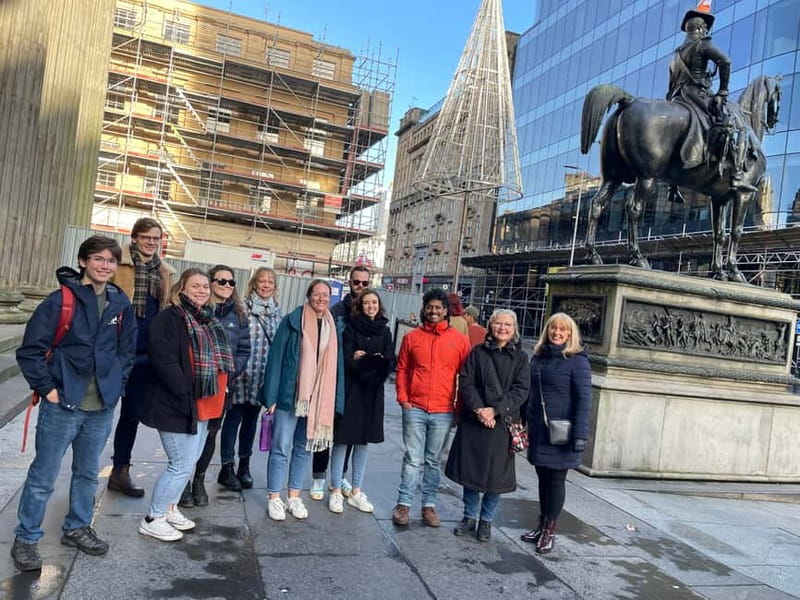
The meeting point is at the corner of Cochrane Street and George Square until August 2026, while refurbishment work affects the square. If there is a major disruption, the backup meeting point is Piper Whisky Bar, also at the corner of Cochrane Street and George Square.
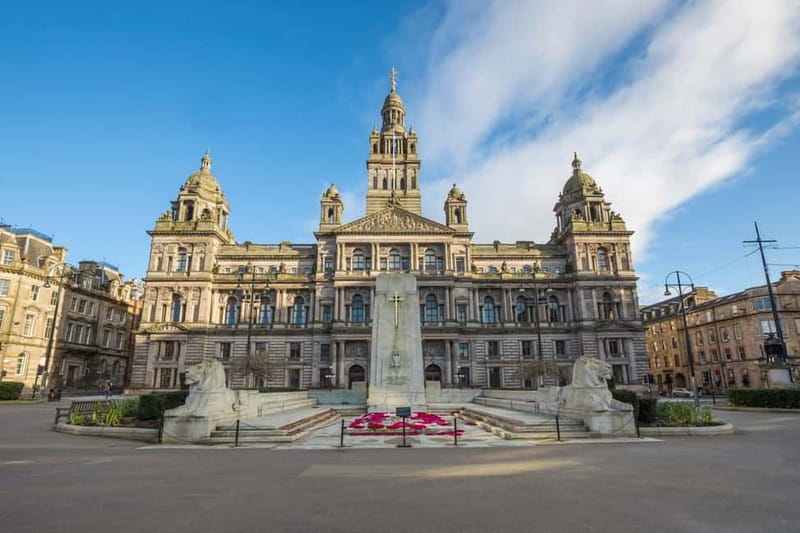
Once gathered, you begin among some of central Glasgow’s most formal architecture. George Square is framed by buildings such as the City Chambers and Merchants’ House, giving the tour a strong visual opening. The guide uses this setting to explain how Glasgow developed civic pride and commercial power.
One of the better opening details is the question of the square’s name. George Square sounds thoroughly Scottish, but it honors an English king. That small fact sets the tone for the tour: Glasgow’s identity is full of crossings, tensions, and outside influences.
You will have time for photographs and a short introduction to the buildings around you. The guide also helps you read the square as more than a pretty civic space. It is a place where monarchy, commerce, public life, and national identity meet.
From early Glasgow to a city shaped by trade
The route then moves through the city centre while the guide lays out Glasgow’s long timeline. You hear about early Christian beginnings and Roman activity before reaching the period when Glasgow became a major trading centre.
The tour gives particular attention to tobacco and merchant wealth. Glasgow’s connections with the Atlantic world brought money into the city, but that prosperity was tied to complicated and often troubling systems of commerce. The guide also explores the role of rebellion and the idea that Glaswegians helped ignite events connected with the American War of Independence.
This is where the storytelling format earns its price. A list of trade facts can feel remote. A skilled performer can show how ambition, money, political anger, and personal risk worked together. The emphasis is not only on famous names. It is on how a city’s commercial choices affected people far beyond Scotland.
You will also hear about the rise of capitalism and socialism. Glasgow’s past cannot be reduced to grand merchants and fine buildings. Industrial growth created wealth, but it also produced sharp social divisions and helped form the political traditions for which the city became known.
Merchant City and the lanes behind the grand streets
The Merchant City section is the longest walk on the route, lasting about 30 minutes. Here, the experience becomes more intimate. Instead of looking only at major civic buildings, you move through streets, alleys, and lanes connected with Glasgow’s commercial past.
These smaller spaces help explain how the city functioned. Merchants, workers, immigrants, and traders all occupied the same urban centre, but not on equal terms. The guide’s anecdotes give the streets a human scale, with stories of ambition, hardship, rebellion, and everyday Glasgow life.
The tour also covers the role of Irish immigrants in Glasgow’s growth. This is an important part of the city’s story, and it keeps the narrative from becoming a simple account of wealthy merchants and civic architecture. Glasgow grew through movement between places, and the guide makes that human side part of the walk.
Expect humor here, along with darker material. The experience can include stories of murder, ghosts, grave robbing, and public punishment. Those subjects are handled as part of the city’s social past rather than as a separate ghost tour, so you get atmosphere without losing the wider historical context.
A few more walking tours around Glasgow worth a look
- Glasgow Street Art Daily Walking Tour: 2pm
★ 5.0 · 648 reviews - Gander Walking Tours in Glasgow
★ 5.0 · 506 reviews - Gothic Glasgow Walking Tour
★ 5.0 · 448 reviews - Glasgow: Street Art Guided Walking Tour
★ 4.8 · 385 reviews
The Gallery of Modern Art and useful stops for later
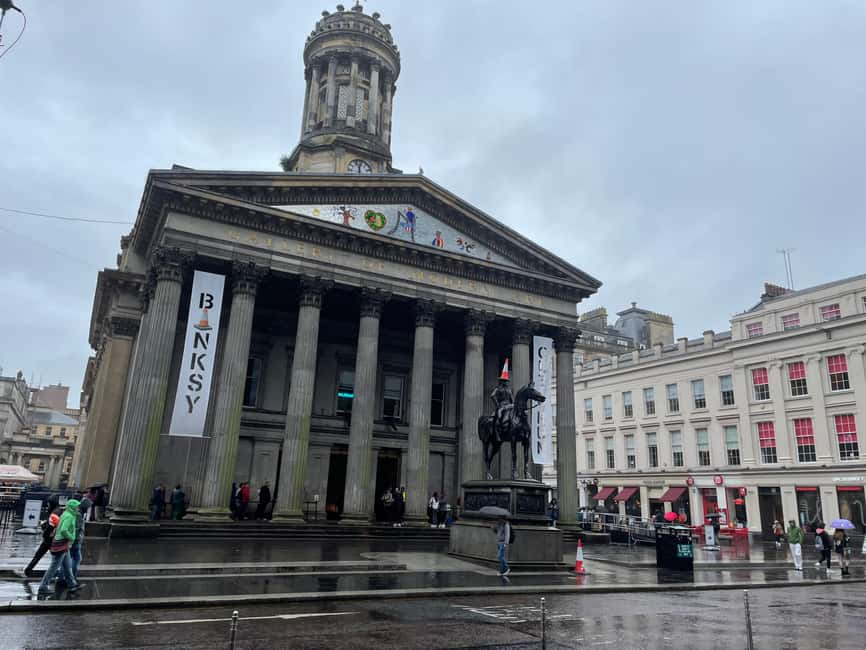
The route passes the Gallery of Modern Art, one of the city centre’s notable cultural stops. The guide points it out and gives it context, but the two-hour walk does not leave enough time for a proper museum visit.
That is not a serious flaw if you plan ahead. Glasgow’s museums and galleries are free to visit, so you can return later without paying another admission charge. Treat the stop as a useful orientation point rather than a gallery tour.
This is also where the guide can help shape the rest of your day. Ian, in particular, is praised for answering questions after the walk about places to see, eat, and visit. Other guides also give local suggestions. That practical advice can be worth a lot when you have limited time and do not want to choose a restaurant or museum at random.
The Police Museum may also be pointed out as an optional place to explore later. The tour does not have time to take you through every museum, but it gives you a map of possible follow-up stops.
Candleriggs and Glasgow’s medieval centre
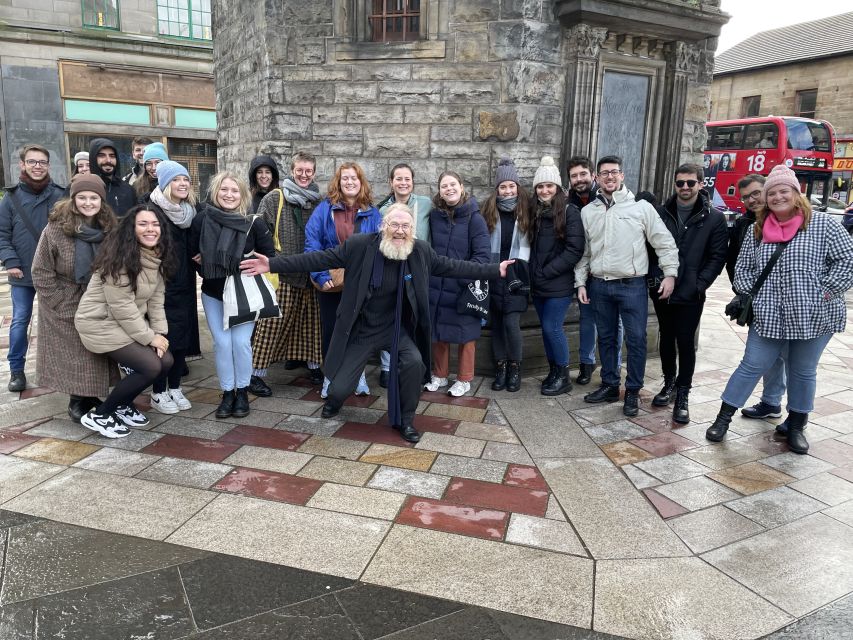
At Candleriggs, the route reaches an area tied to Glasgow’s older city centre. You make a short photo stop here, and the guide continues the story of how the medieval city developed before later expansion covered or altered much of it.
This part is useful because Glasgow’s history is not always visible in one complete medieval quarter. You need someone to explain where the original centre was and how later commercial and civic development changed the city. The guide supplies that missing connection.
The stop is brief, so do not expect a long archaeological explanation or a quiet period for independent exploration. Its value comes from placing the area within the larger route. By this point, you have moved from civic Glasgow to merchant Glasgow and then back toward the older heart of the city.
Mercat Cross and the darker ending
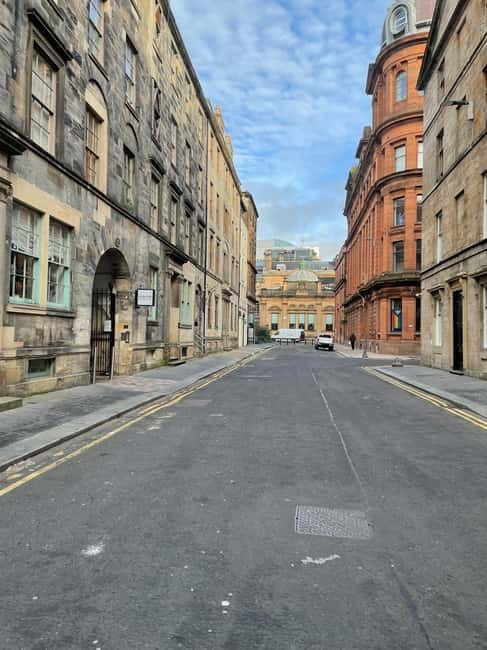
The walk finishes at Mercat Cross, traditionally known as Glasgow Cross. This is an effective ending because it brings the tour back to public life, commerce, and punishment.
The location was once associated with public executions, giving the final section a darker tone. It is a reminder that the city centre was not only a place for trade and civic ceremony. It was also where authority was displayed in the most public and unsettling way.
Finishing here gives you a useful base for continuing your day in the old centre. You can use the guide’s suggestions for food, museums, or further walks. The ending also leaves you with a clearer sense of how Glasgow’s streets changed purpose over time.
What the actor-guide style adds
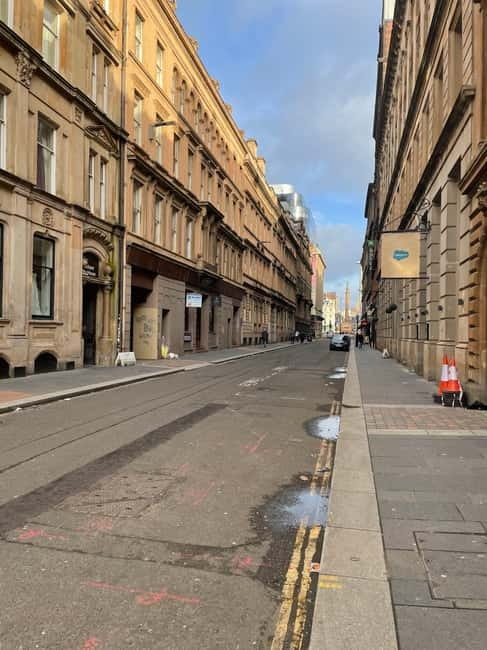
The guides are professionally trained actors who live in Glasgow, and that background shows in the delivery. They project their voices, use dramatic timing, and turn historical material into scenes and characters.
Gordon is associated with poetry, humor, and an old-style storytelling manner. Martin brings strong stage presence and connects well with large groups. Luke is described as easygoing, funny, and clear. Ian combines historical explanation with a warm, personal approach and stays behind to answer questions.
You should not expect an identical performance every time. The guide’s personality shapes the walk, and that means one tour may feel more theatrical while another feels more conversational. The common thread is a focus on stories rather than a dry list of facts.
A large group can affect the experience. One guide has been praised for making people feel individually included even with around 35 participants, but a group that size can still make it harder to ask questions or hear in a noisy street. The guides generally project well, though visitors unfamiliar with Scottish accents may need to concentrate at times.
Is two hours enough for Glasgow?
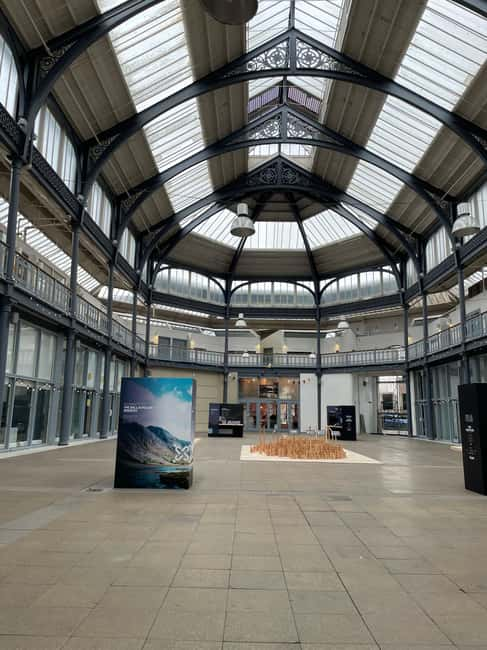
Two hours is enough for a strong introduction, not a complete study of the city. You cover the central story rather than a large distance, and the route is more demanding in attention than in walking.
That balance suits a first morning in Glasgow. You can get your bearings, learn which buildings deserve a second look, and collect ideas for the rest of your stay. Several guides also help you understand where to eat and what to do next.
The shorter route has a tradeoff. You will not cover every major landmark, and the tour does not make extended stops inside the Cathedral, Gallery of Modern Art, or Police Museum. One person could reasonably wish it lasted longer, especially if you enjoy social history and architecture.
I see that as a fair limitation at this price. The tour aims to give you a lively framework for Glasgow, not replace a full day of independent sightseeing.
Price, walking conditions, and who will enjoy it
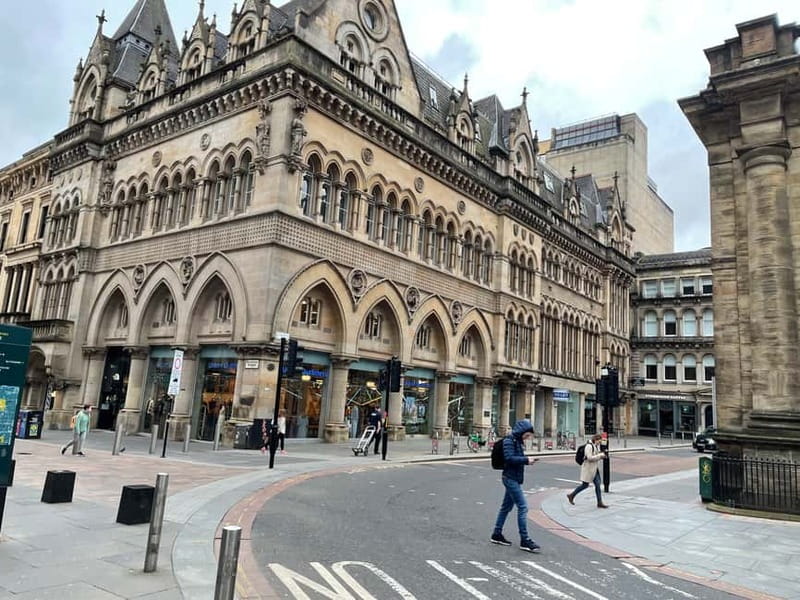
At $20 per person, this is good value if you want context rather than transport or entry tickets. The price pays for two hours of live guiding, performance, local anecdotes, and practical suggestions. Since Glasgow museums and galleries are free, you can combine the walk with inexpensive follow-up visits.
The route is on flat terrain and is wheelchair accessible. You still need comfortable shoes because the tour lasts two hours and takes place outdoors. It runs rain or shine, so bring a waterproof layer and clothing suited to the forecast.
You should book this if you:
- Want history told through stories, humor, and performance
- Are visiting Glasgow for the first time
- Like social and political history as much as architecture
- Want local suggestions for food and later sightseeing
- Prefer a central walking tour without steep ground
- Enjoy a guide who can answer questions rather than rush away
You may prefer another option if you want long museum visits, a very wide route, or a strictly academic presentation. The actor-led style is engaging, but it is not designed for people who want every date and architectural detail delivered in textbook order.
Free cancellation up to 24 hours before the start gives you some flexibility, and you can reserve now and pay later. The tour is offered in English only.
Should you book the Glasgow streets walking tour?
I would book this as an early activity, ideally near the start of your Glasgow stay. It gives you a clear sense of the centre and helps you decide which places deserve more time.
The best reason to choose it is the mix of history and performance. You get George Square’s grand buildings, Merchant City’s commercial story, medieval Glasgow, Irish immigration, tobacco wealth, socialism, and the grim history of Glasgow Cross, all tied together by a local actor-guide.
At $20, the tour offers plenty for the money. Just arrive prepared for weather, listen closely if you are not used to a Scottish accent, and remember that the museums are signposts for later rather than extended stops on the walk.
FAQ
How long is the Glasgow streets walking tour?
The tour lasts two hours.
How much does the tour cost?
The price is $20 per person.
Where does the tour meet?
Until August 2026, the meeting point is at the corner of Cochrane Street and George Square because of refurbishment work in George Square.
Is there a backup meeting point?
If a major disruption affects the square, the meeting point is Piper Whisky Bar at the corner of Cochrane Street and George Square.
Is the walking route wheelchair accessible?
Yes. The tour takes place on flat terrain and is wheelchair accessible.
Does the tour run in bad weather?
Yes. The tour takes place rain or shine, so bring weather-appropriate clothing and comfortable shoes.
Are museum entry fees included?
The tour does not include museum entry, but Glasgow’s museums and galleries are free to visit. The guide points them out for visits later, since the walk does not have time for extended museum stops.
Just added around Glasgow
- Merchant City Music Walking Tour of Glasgow★ 5.0 · 94 reviews
- Stirling Castle, Loch Lomond Walk & Whisky Distillery Tour from Glasgow★ 5.0 · 79 reviews
- Walking Tour of Glasgow★ 5.0 · 96 reviews
- Gothic Glasgow Walking Tour★ 5.0 · 448 reviews
- Glasgow: Pubs & History Walking Tour with Beer Tasting★ 5.0 · 81 reviews
- Glencoe, Scenic Walk & Highlands Guided Tour starting Glasgow★ 5.0 · 121 reviews
- Gander Walking Tours in Glasgow★ 5.0 · 506 reviews
- Glasgow: Pubs & History Guided Walking Tour with Beer★ 4.9 · 74 reviews
Walking Tours, compared.

Magical London: Harry Potter Guided Walking Tour
Read our review →
Reykjavik Food Walk – Local Foodie Adventure in Iceland
Read our review →
History and Hauntings of Salem Guided Walking Tour
Read our review →
New Orleans Premier Ghost, Voodoo and Vampire Walking Tour
Read our review →
Amsterdam Anne Frank: Small-Group Walking Tour & Local Guide
Read our review →

Edinburgh Castle: Guided Walking Tour with Entry Ticket
Read our review →
Anne Frank’s Story – Guided Walking Tour through Amsterdam
Read our review →Browse the lists this tour appears in