REVIEW · WALKING TOURS
Sofia: Communist Walking Tour
Sofia’s communist past is easiest to understand on foot, where grand government buildings, awkward monuments, and ordinary streets reveal how ideology shaped daily life. This three-hour walk links the former party headquarters, secret police sites, Stalinist architecture, and memorials to the people who suffered under the regime.
I like the balanced treatment of communism, with room for both its promises and its failures. I also like the personal, human angle: guides such as Daniel, Vasil, Martin, Dino, and Stefan explain housing, work, religion, food, and family life instead of offering only dates and political slogans.
The main drawback is physical. You walk for about three hours, and some stops are outdoors with little shelter. Winter darkness can make a few details hard to see, while summer heat can make the afternoon feel long.
Key points to know before you go
- A ground-level look at 1944 to 1989: Learn how Bulgaria entered communist rule, how the system worked, and why it ended.
- Major Sofia landmarks in one walk: See the former Communist Party headquarters, Rila Hotel, Soviet Army Monument, mausoleum site, and National Palace of Culture.
- Daily life matters as much as politics: Hear about housing, industry, religion, culture, shortages, and ordinary family routines.
- Personal guides shape the experience: Daniel, Vasil, Martin, Stefan, Dino, Niki, and others are praised for clear explanations and lively storytelling.
- A three-hour city walk: Start at the Palace of Justice and finish near the National Palace of Culture and a section of the Berlin Wall.
- Good value for history-minded visitors: At $21 per person, the tour costs less than many museum-led experiences and gives you a useful framework for the rest of your Sofia stay.
Why this walk helps you read modern Sofia
Communist Sofia can be easy to miss. The city has churches, Roman remains, leafy parks, and busy shopping streets, but many of its most important political clues are large, severe, and easy to pass without context.
This tour gives those places a story. You learn how Bulgaria’s government shifted after World War II, how the Soviet model affected public life, and how political control reached into work, housing, faith, art, and education. The period covered is 1944 to 1989, a span long enough to shape several generations.
I especially value the focus on cause and effect. Instead of treating communism as a block of gray buildings and official speeches, the guide explains why the system gained support, how it operated, and why it eventually lost its grip. That makes the tour useful even if you already know the broad outline of Eastern European history.
The discussion also reaches present-day Bulgaria. You get help connecting the old political order with modern attitudes, public spaces, monuments, and debates about memory. That context can make the rest of your time in Sofia more meaningful.
A few more walking tours around the world worth a look
- Magical London: Harry Potter Guided Walking Tour
★ 4.7 · 22,044 reviews - Reykjavik Food Walk – Local Foodie Adventure in Iceland
★ 5.0 · 18,952 reviews - History and Hauntings of Salem Guided Walking Tour
★ 5.0 · 14,564 reviews
Starting at the Palace of Justice
Meet outside the Palace of Justice on Vitosha Boulevard, in front of the large white building with its two lion statues. This is a clear central meeting point, but arrive with enough time to find the correct side of the building and your guide.
The tour begins in a part of Sofia where older architecture and newer city life sit close together. That contrast helps set up one of the walk’s central ideas: communist Bulgaria did not erase everything that came before it. Instead, the new state placed its symbols, institutions, and priorities on top of an older city.
From here, the guide lays out the basic political story. You will cover World War II, the events that led to communist rule, and the way Bulgaria became closely tied to the Soviet Union. The strongest guides make this opening interactive, allowing questions instead of delivering a long speech before the walk begins.
Rila Hotel and the look of official Sofia
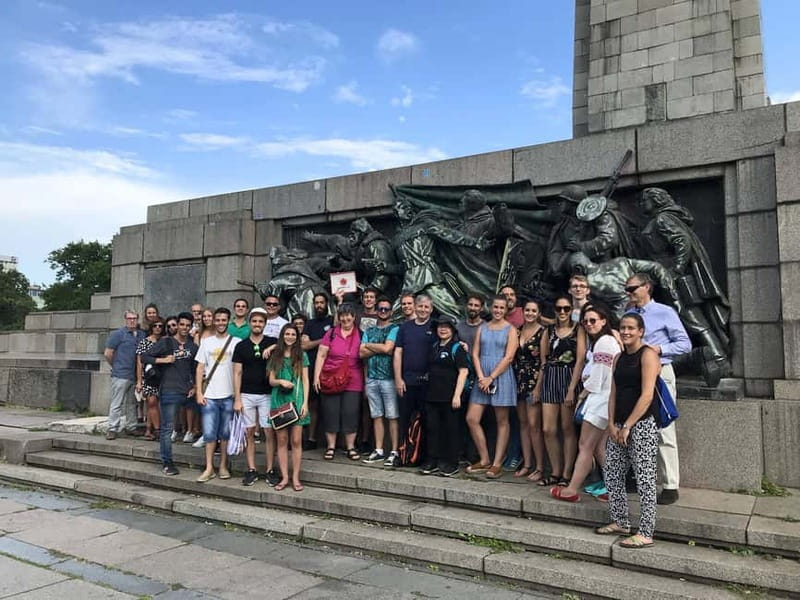
The Rila Hotel offers a useful introduction to communist-era design. Its size and location show how the state presented Sofia as a modern capital built for official visitors, organized public life, and controlled prestige.
The building is not important only because it is a hotel. It is part of a wider visual language: broad facades, practical interiors, monumental scale, and an emphasis on function over decoration. Your guide uses it to explain how architecture communicated power.
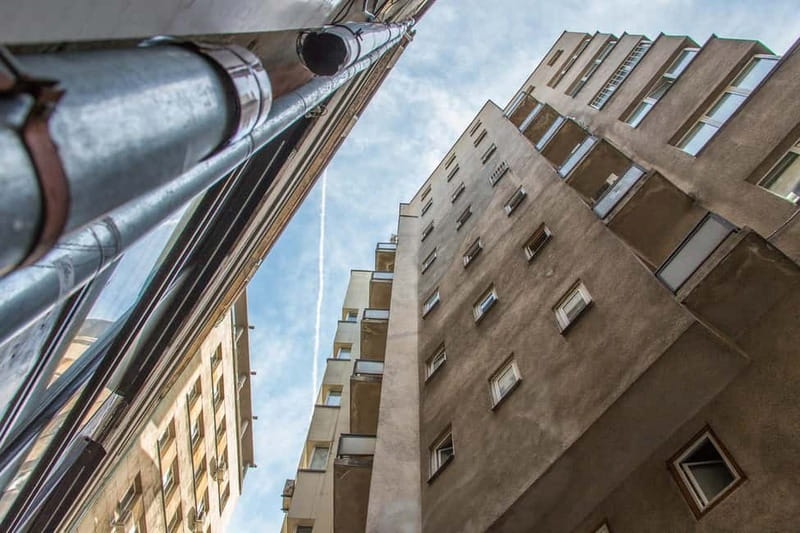
You will also see examples of the Stalinist architectural ensemble created in Sofia during the 1950s. These buildings were designed to make the state feel permanent and important. Look for the sense of order and scale, then compare it with the older streets and churches nearby.
I like this part because it turns architecture into evidence. You do not need specialist knowledge to notice that the buildings feel different. The guide supplies the political reason behind that difference.
A medieval church beside a communist state
The medieval Orthodox Church of St. Nicholas the Wonderworker, dating from the 13th century, brings an important tension into the walk. Communist rule promoted atheism and placed limits on religious institutions, yet Bulgaria’s Orthodox traditions were far older than the regime and could not simply be removed.
This stop gives the guide a chance to discuss religion under communism. You learn how faith, public worship, and the state interacted, and how religious life fit into a society officially organized around communist ideology.
The church also gives you a visual pause from the large state buildings. Its scale, age, and religious purpose make the surrounding political architecture feel less absolute. Sofia’s past is layered, and this small medieval building helps you see that the communist period was one chapter, not the whole story.
Same streets, a different route:
- New Orleans Premier Ghost, Voodoo and Vampire Walking Tour
★ 4.5 · 12,856 reviews - Amsterdam Anne Frank: Small-Group Walking Tour & Local Guide
★ 4.8 · 12,789 reviews - Edinburgh: Harry Potter Magical Guided Walking Tour
★ 4.8 · 11,944 reviews - Edinburgh Castle: Guided Walking Tour with Entry Ticket
★ 4.7 · 11,699 reviews
The National Assembly and the machinery of power
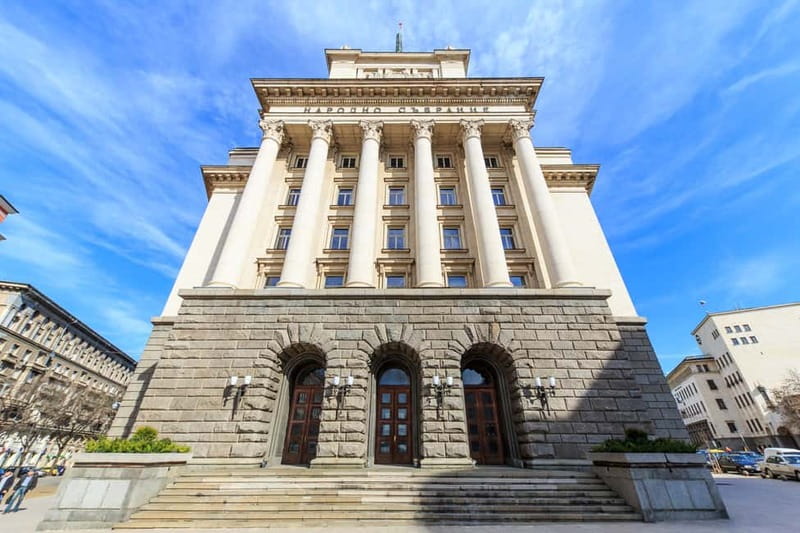
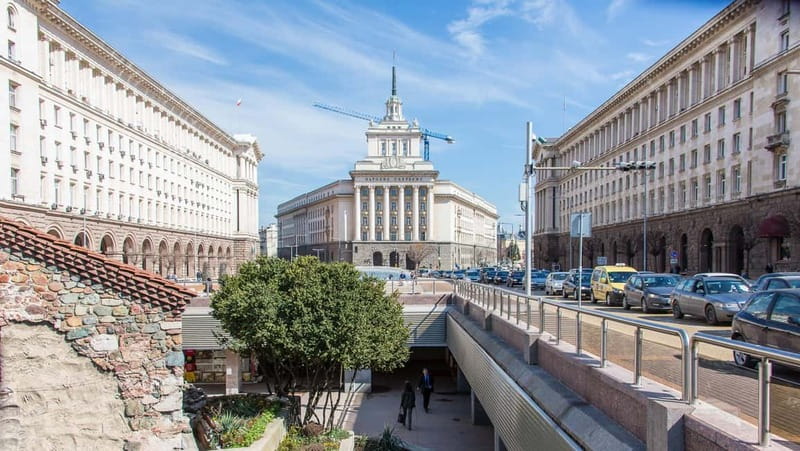
At the National Assembly of Bulgaria, the discussion turns to government. This is where abstract ideas about the party, the state, and political authority become easier to place in the city.
Your guide explains how power was organized and how public institutions related to the Communist Party. The walk also addresses why the ideology appealed to some people, at least at certain points, while making clear the cost of political control and restricted freedom.
This balance is one of the tour’s best features. You are not pushed toward a simple good-versus-bad script. Instead, you hear about the promised advantages of the system, such as employment and state housing, alongside shortages, surveillance, limited choice, and political repression.
Malko Tarnovo Street and the secret police
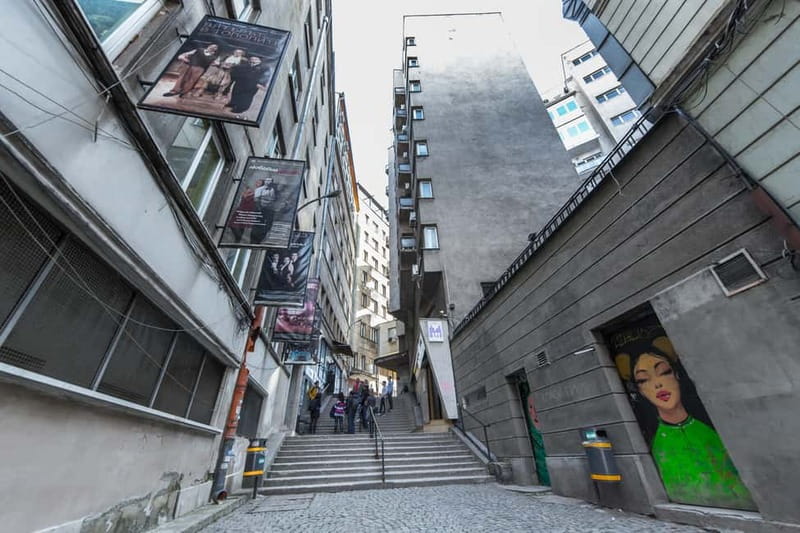
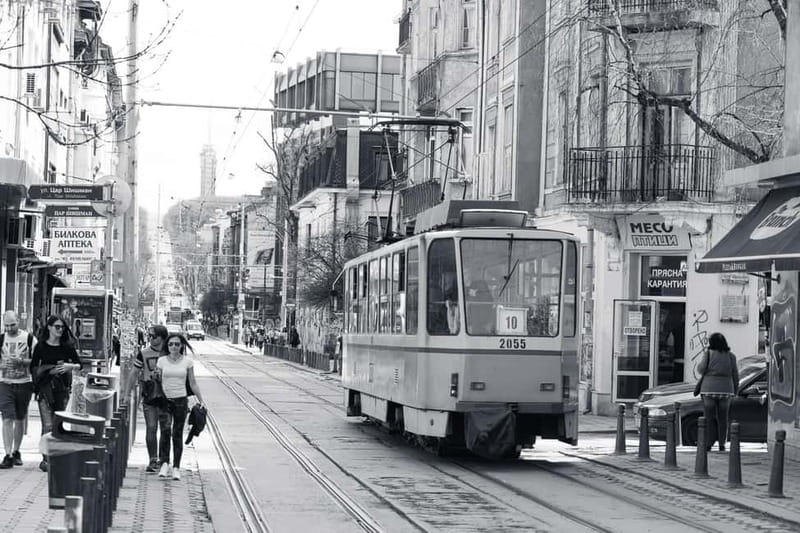
The narrow street of Malko Tarnovo leads into one of the tour’s darker subjects: the security apparatus. Here, the guide discusses a secret police investigation facility and the methods used to monitor, question, and control people.
This stop matters because it moves the subject away from grand monuments. Communist rule was experienced not only through parades and public buildings, but also through fear, caution, and the need to watch what you said.
You may find this section more serious than the architectural stops, and rightly so. The guide presents it as part of the human cost of the system, not as a dramatic sideshow. If you want a light sightseeing walk, this may feel heavy. If you want to understand how political power reached into ordinary life, it is essential.
Archives, parks, and the official public story
At the State Agency Archives, the tour connects public memory with written records. Archives can seem less visually striking than a monument, but they help explain how governments preserve, classify, and sometimes control the story of the past.
The walk then moves through Sofia’s City Garden and Knyazheska Garden. These green spaces give you room to absorb the information and see how public areas functioned under the old system. Parks were places for walking, gathering, and daily life, but public space was also shaped by official ceremony and political messaging.
These stops are useful for pacing. Three hours on city streets can feel long, especially in hot weather, so the change of setting helps. In summer, shade matters. In winter, you will want warm clothing, since the walk includes several outdoor explanations and the city gets dark early.
The vanished mausoleum and the problem of memory
The site of the destroyed mausoleum of Bulgaria’s first communist leader is one of the most revealing places on the route. The building is gone, but its absence is the point.
A missing monument can tell you as much as a surviving one. Its destruction shows how quickly official symbols can lose legitimacy after a political system ends. The guide explains what the mausoleum represented and why the site remains part of Sofia’s argument with its past.
This is also a good place to think about political memory. Some people want old symbols removed. Others see them as evidence that should remain visible. The tour does not reduce that debate to a simple answer, and that makes the stop more useful than a photograph of a building that no longer exists.
The Soviet Army Monument, where history stays contested
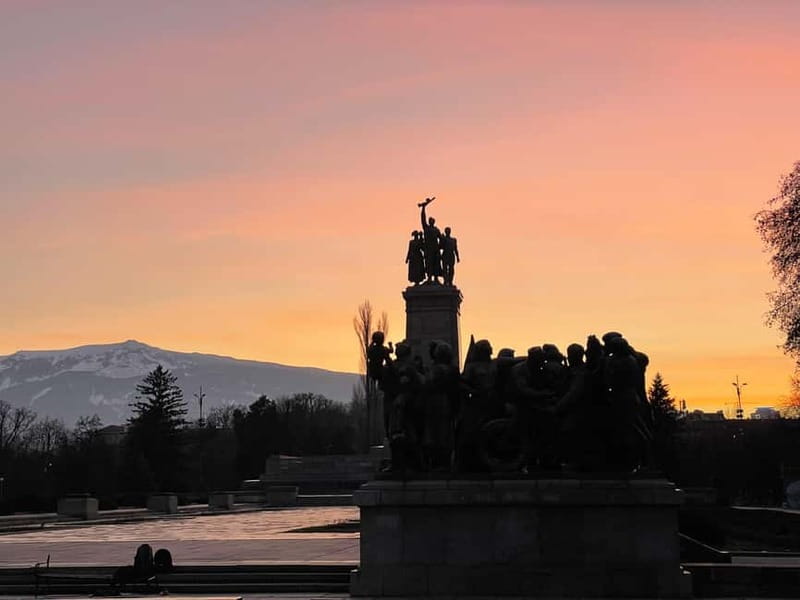
In the second half, you reach the controversial Monument of the Soviet Army. It is one of Sofia’s most recognizable communist-era landmarks and one of its most disputed.
The monument raises questions about liberation, occupation, national independence, and who gets to define public memory. The guide explains how Bulgaria’s relationship with the Soviet Union shaped the monument’s meaning, then connects that history with present-day arguments about its future.
This is a good stop for questions. The subject is not tidy, and you should expect a discussion rather than a single official interpretation. The monument also makes clear why communist history remains politically active in Bulgaria. It is not sealed away in a museum.
The National Palace of Culture and the final Berlin Wall fragment
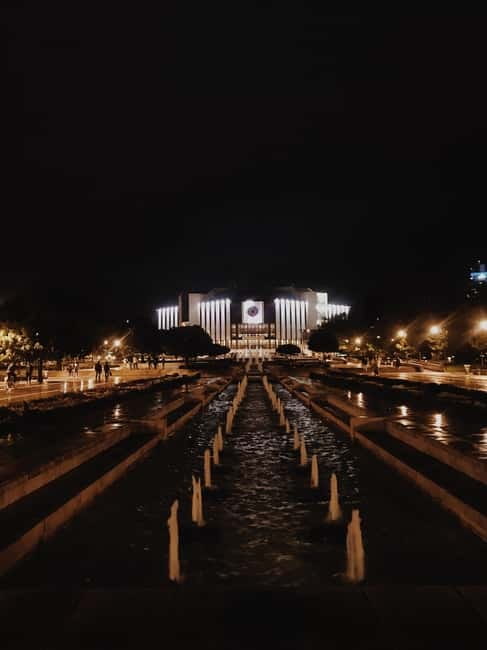
The tour ends in the area of the National Palace of Culture, Sofia’s large late-communist cultural complex. Its size and purpose reflect the state’s use of culture as a public tool. Concerts, conferences, exhibitions, and official events all fit within the wider idea of presenting a confident, modern Bulgaria.
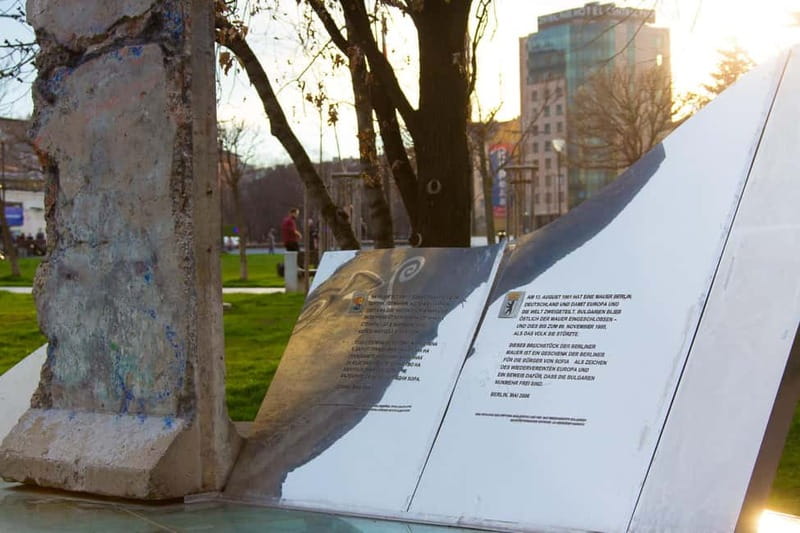
The final stop is a section of the Berlin Wall. It gives the tour a strong closing image. The wall’s fall in 1989 helped mark the end of communist rule across Eastern Europe, including Bulgaria’s transition away from the old system.
Finishing here also leaves you in a useful central area for continuing your day. The formal tour ends near the National Palace of Culture, and the Berlin Wall piece provides a final reminder that the events discussed were part of a wider European change.
What the guides do best
The guide can make or break a history walk, and this experience depends heavily on the person leading your group. English is the tour language, and the strongest guides combine dates, political explanation, and personal stories.
Daniel is praised for presenting both sides of communism and for answering questions with ease. Vasil is described as objective, friendly, and interactive. Martin brings humor and personal experience, while Stefan is especially strong at explaining the period without becoming dull.
Dino is noted for managing a large group carefully, stopping in shade during hot weather and choosing places where people can sit. Niki has provided practical Sofia suggestions, including food, restaurants, bars, and attractions, which can be handy after the walk.
Those details matter. A good guide does not merely speak accurate facts. The guide notices the group, handles questions, keeps the pace moving, and makes a difficult topic understandable. The many strong reports about clear English, passion, and balanced explanations suggest that the guiding is the tour’s greatest strength.
Price, pace, and practical comfort
At $21 per person, this is a fair price for a three-hour guided walk with a local English-speaking guide. You are paying for interpretation, not admission tickets or transport, so the value depends on how much you want historical context.
I think the price works particularly well for a first visit to Sofia. The tour covers a wide area and gives you a framework for understanding the buildings you might otherwise photograph without much thought. It can also save you from trying to piece together the communist period from scattered museum displays.
The physical demands deserve attention. The route lasts three hours, involves steady walking, and is not wheelchair accessible or recommended for people with limited mobility. You need moderate fitness, comfortable shoes, and clothing suited to the weather.
There is no hotel pickup, and food and drinks are not included. One guide has stopped for a quick hot chocolate in cold weather, but you should not treat that as a guaranteed part of the tour. Bring water in summer and dress warmly in winter.
The starting time matters by season. In winter, an earlier departure would give you better light at poorly lit sites. In summer, an earlier walk can help you avoid the worst heat.
Who should book this Sofia communist tour?
I would choose this tour if you like political history, architecture, public memory, or the stories behind ordinary life. It is also a smart choice if you have visited Prague, Budapest, Bratislava, Riga, Vilnius, or Gdansk and want to compare how communist rule looked in Bulgaria.
You do not need to arrive with a strong background. The guides explain the main ideas in plain English and make space for questions. The tour works best when you are willing to listen to difficult subjects, including surveillance, repression, religious restrictions, and the mixed legacy of state housing and employment.
I would not choose it if you want a short, relaxed stroll with many indoor stops. The route is long, outdoor-focused, and serious in places. It also covers a political period that remains sensitive, so the experience is more thoughtful than cheerful.
Should you book it?
Yes, if you want to understand Sofia rather than simply see it. At $21, the tour offers a useful three-hour introduction to Bulgaria’s communist period, with strong guides, central landmarks, and plenty of local context.
Book it early in your Sofia stay so the explanations can guide the rest of your sightseeing. Pick a morning time in hot weather, allow extra daylight in winter, and wear shoes for a long city walk. If you can handle the pace, this is one of the better ways to see the political story behind modern Sofia.
FAQ
How long is the Sofia Communist Walking Tour?
The tour lasts three hours. Some experiences may run slightly longer depending on questions and group pace.
How much does the tour cost?
The listed price is $21 per person.
What language is the tour conducted in?
The tour is conducted in English with a live guide.
Where does the tour start?
It starts outside the Palace of Justice at bul. Vitosha 2 in central Sofia, in front of the large white building with two lion statues.
Where does the tour finish?
It finishes in front of the National Palace of Culture, near a section of the Berlin Wall.
What landmarks are included?
Stops include the Rila Hotel, St. Nicholas the Wonderworker Church, the National Assembly, Malko Tarnovo Street, the State Agency Archives, City Garden, Knyazheska Garden, the National Palace of Culture, and other communist-era sites.
Does the tour include the former Communist Party headquarters?
The route includes the former Bulgarian Communist Party headquarters as one of the communist-era landmarks discussed.
Is the tour wheelchair accessible?
No. It is not wheelchair accessible and is not recommended for people with mobility impairments.
Is the tour suitable for children?
Children must be accompanied by an adult. Unaccompanied minors are not allowed.
Can I cancel the booking?
You can cancel up to 24 hours in advance for a full refund. The reserve-now, pay-later option allows you to keep your plans flexible.
Just added around the world
- Fira: Guided Foodie Walking Tour with Tastings★ 4.9 · 474 reviews
- Fez: Guided Walking Tour of the Historic Medina★ 5.0 · 359 reviews
- Fez: Walking Tour in the Ancient City of Fez★ 4.8 · 73 reviews
- Faro: Old Town Guided Walking Food Tour★ 4.9 · 94 reviews
- Feel like a local – Walking Tour in Mykonos Town 2hours★ 4.4 · 77 reviews
- Fanal / Assobiadores – Levada Walk★ 4.6 · 93 reviews
- Fes: A Guided Walking Tour Through the Historic Medina★ 4.4 · 97 reviews
- Fez: Half-Day City Private Walking Tour with a Guide★ 4.6 · 114 reviews
Walking Tours, compared.

Magical London: Harry Potter Guided Walking Tour
Read our review →
Reykjavik Food Walk – Local Foodie Adventure in Iceland
Read our review →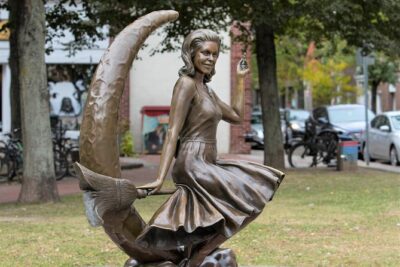
History and Hauntings of Salem Guided Walking Tour
Read our review →
New Orleans Premier Ghost, Voodoo and Vampire Walking Tour
Read our review →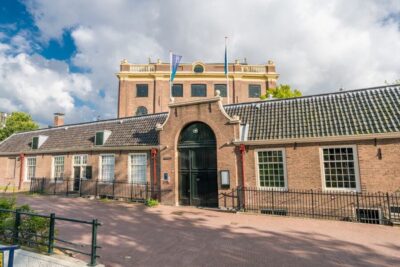
Amsterdam Anne Frank: Small-Group Walking Tour & Local Guide
Read our review →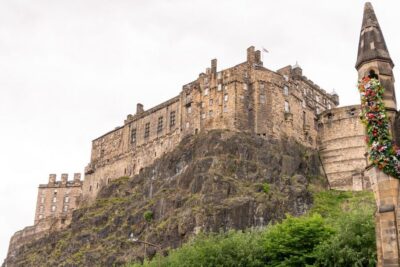
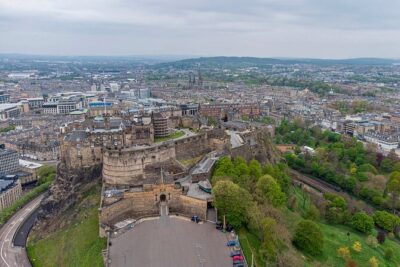
Edinburgh Castle: Guided Walking Tour with Entry Ticket
Read our review →