
REVIEW · MARRAKESH
Marrakech Guided Souks Tour with a Local Insider
Marrakech’s souks make far more sense once someone who grew up in the medina leads you past the obvious shopping lanes. This tour takes you into lesser-known alleys and old foundouks, where leather, wool, metal, wood, spices, and traditional tools are still part of daily work.
I like the practical side: you learn where different crafts are made and how to bargain without making a fool of yourself. I also like the local detail, from sand-heated coffee and small food stops to stories about life inside the medina. Guides such as Mohammed, Mo, Abdel, and Atman have helped guests see the souks as a working neighborhood, not just a market.
The one thing to consider is the shopping focus. Most guides are helpful rather than pushy, but the route can include sales pitches at artisan shops. If you do not plan to buy anything, say so clearly at the start.
Key Points to Know Before You Go
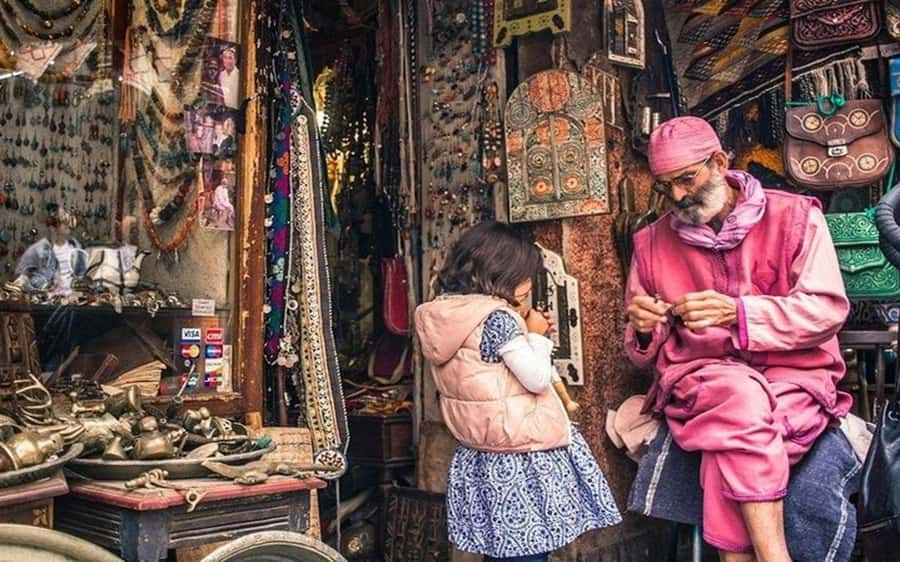
- See the souks by trade: Follow sections devoted to leather, wool, textiles, spices, copper, silver, wood, and traditional tools.
- Go beyond the main lanes: The route includes lesser-known passageways and historic foundouks, former inns for merchants arriving from distant regions.
- Get useful buying advice: Your guide can explain bargaining etiquette and help you judge where to shop for carpets, leather, clothing, spices, and metalwork.
- Expect a personal style of guiding: The route can be adjusted around your interests, with private tours available as well as shared groups.
- Meet at Café de France: The standard meeting point is in front of Café de France on Jemaa el-Fna, with pickup available only when that option is selected.
Why a Guide Helps in Marrakech’s Souks
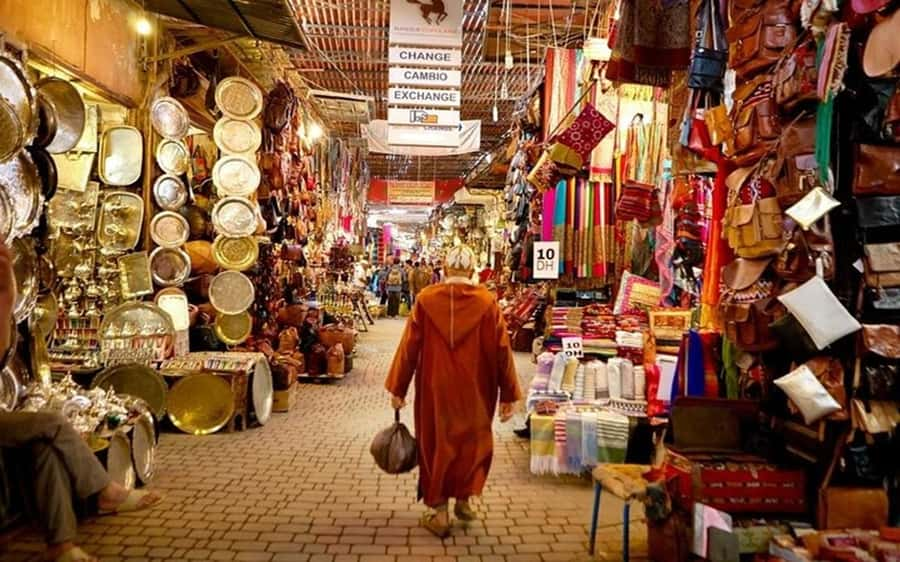
The Marrakech medina is not a tidy open-air shopping street. It is a working district of narrow lanes, covered passages, small workshops, food stalls, homes, and shops packed into an old urban plan. Without context, you can spend hours seeing attractive goods without understanding where they came from or how the market is arranged.
This three-hour walk gives you that context. Your guide explains why one section handles leather while another deals in textiles or metalwork. You begin to notice that the souks are organized by trade, even when the lanes first appear to be one long jumble of color and movement.
I especially value the local point of view. Mohammed and Mo are names that come up often among the guides, while Abdel has been described as someone who grew up in the medina. Atman has also taken groups through the craft areas and helped with shopping. The guide assigned to you may differ, but the strongest part of the tour is the chance to ask ordinary questions about work, customs, food, and daily life.
This is not mainly a monument tour. It is a walking lesson in how an old market town functions. That makes it a useful first activity in Marrakech, particularly if you have just arrived and want to understand the medina before exploring it alone.
More Old Town Walking Tours in Morocco:
- Marrakech: Ben Youssef, Secret Garden, & Souks Walking Tour
★ 4.6 · 2,802 reviews - Marrakech: Colorful Medina Souks Guided Walking Tour
★ 4.7 · 2,470 reviews - Marrakech: Saadian Tombs & Bahia Palace, Medina Guided Tour
★ 4.6 · 1,989 reviews
Meeting at Café de France and Entering the Medina
The usual meeting point is in front of Café de France on Jemaa el-Fna, the large central square. It is a practical place to begin because it is easy to identify, but pay attention to the exact meeting instructions if you choose a pickup or another starting option.
After a short introduction, you head into the medina on foot. The first part helps you adjust to the traffic of the old city: people moving through tight lanes, shopkeepers arranging goods, and craft workers carrying supplies through spaces that were not designed for modern crowds.
The guide’s job here is not simply to point out attractive merchandise. You learn how to move through the lanes, how to recognize the different sections, and how to avoid treating every shop invitation as a purchase obligation. That basic orientation can save you time later.
The walking is easy to understand but not always easy on the feet. You are on foot for much of the three-hour visit, and the narrow streets can be crowded. Comfortable shoes and a willingness to walk at a steady pace matter more than dressing up for the evening.
Souk Semmarine: The Main Market With More Behind It
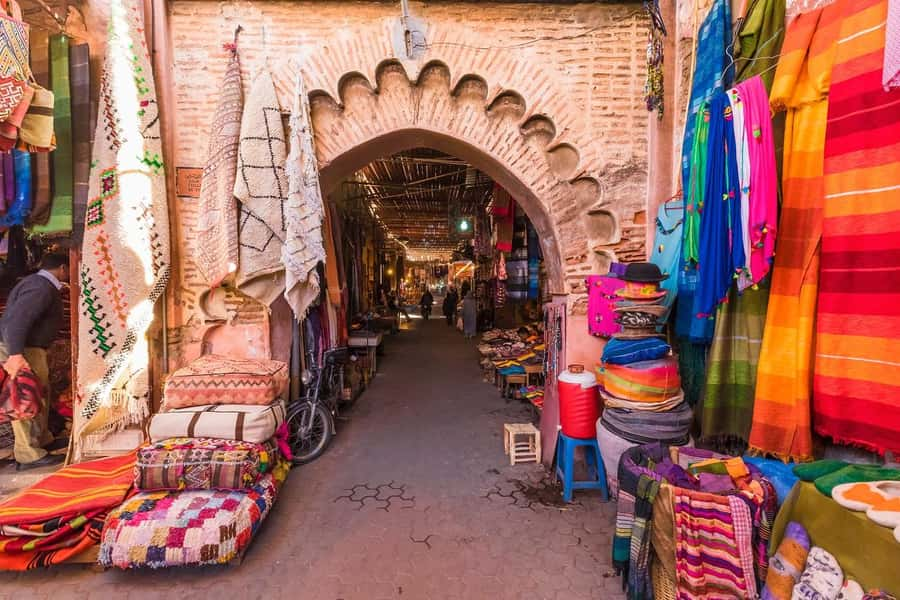
Souk Semmarine is the central shopping stretch and the part most people picture when they think of Marrakech. It is full of textiles, clothing, leather goods, lamps, rugs, spices, and decorative objects. This can be an exciting introduction, but it can also feel like a lot at once.
A guide gives the merchandise some order. Instead of seeing a wall of color and trying to guess what is worth examining, you can ask where an item was made, what materials were used, and how the price is usually discussed. The guide may also point out the difference between handmade work and goods that simply look traditional.
Shopping advice is one of the strongest reasons to book this walk. The guide can show you places to look for leather, wood, copper, silver, clothing, and spices. If you want a carpet, you can say so. If you only want to understand the craft and not buy, you can say that too.
Bargaining is part of the market culture, but it works best when handled with patience and good humor. The tour helps you understand the etiquette rather than charging in with an aggressive opening offer. I would still set your own budget before entering a shop. A guide can help you compare and communicate, but the final decision remains yours.
Some people may find this section too commercial. The route can include visits to shops where an artisan explains the work and where you are invited to browse. That is useful if you want a purchase, especially a larger one such as a rug, but it can feel like a sales stop if you are only sightseeing.
Foundouks and the Old Commercial Network
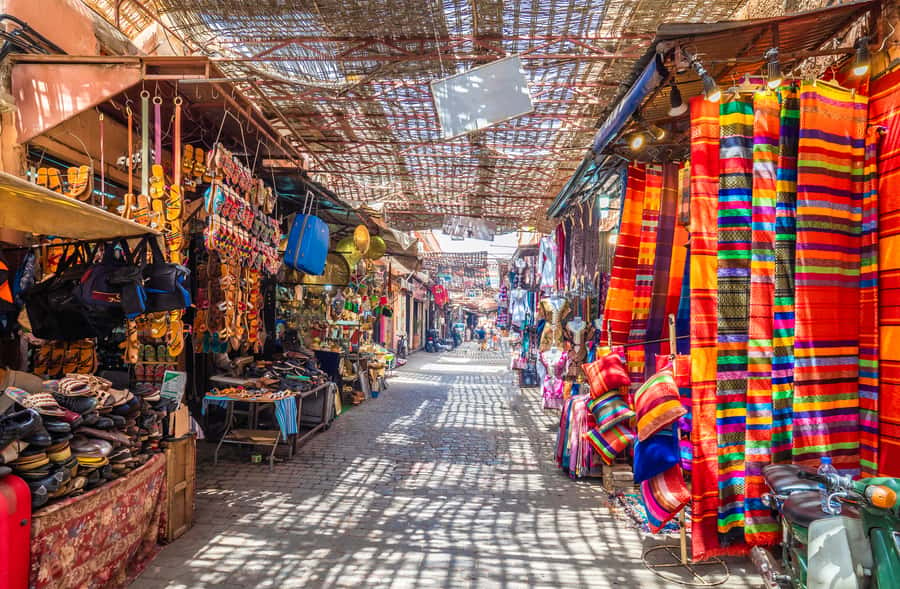
One of the most worthwhile parts of the route is the look at foundouks. These historic buildings once offered lodging and storage for merchants who came to Marrakech from other regions. They formed an important part of the old trading network.
A foundouk helps explain why the souks are arranged as they are. Trade was not just a row of stalls. Goods, raw materials, animals, tools, merchants, and craft workers all needed places to meet and work. Inside these old spaces, you may see a quieter side of the medina than the main shopping lanes provide.
The visit also adds architecture and history to the tour. One guide has explained Marrakech’s story from the 12th century onward, while others focus more on the working life of the market. Either way, you get more than a shopping list. You see how the city’s commercial past still shapes the streets under your feet.
Foundouks are especially useful for anyone who has already wandered through the central souks and felt that every lane looked alike. Once you understand the old trade system, the medina becomes easier to read. You begin to recognize why certain workshops sit near one another and why some passages feel more focused on making than selling.
More Guided Tours in Morocco:
- Explore Fes: Unforgettable Guided Walking Tour of the Medina
★ 4.7 · 1,339 reviews - Exclusive Fez Medina Walking Tour with Private Guide
★ 5.0 · 392 reviews - Fez: Guided Walking Tour of the Historic Medina
★ 5.0 · 359 reviews - Fez Medina 4-Hour Guided Walking Tour
★ 4.5 · 248 reviews
Souk Cherifia and the Craft Areas
The route includes Souk Cherifia, another stop where you can continue walking through craft and retail sections. The precise order may change according to the group and guide, but the aim is to show you more than the main corridor.
This is where the local-insider idea matters most. Guides have taken people to see leather being traded, wool being dyed, and artisans working in backstreets that are difficult to locate without help. You may also see traditional tools, metalwork, woodwork, textiles, and other goods in the places connected to their production.
I like this approach because it puts the finished object in context. A leather bag is more interesting when you understand something about the trade behind it. A woven item means more when you have seen the materials and heard how the work fits into local life.
The tour can also be adjusted to your shopping goals. If you are looking for a carpet, clothing, spices, or leather, tell the guide early. If you want a broad introduction, ask to see a bit of everything. One group specifically asked for souks, foundouks, artisan goods, and architecture, and the guide shaped the walk around those interests.
You should not expect a formal demonstration at every stop. The details depend on which shops and workshops are open and what your guide can arrange. Still, the chance to see craftspeople at work is a major advantage over wandering through sales stalls alone.
Medina Walk, Food Stops, and Everyday Life
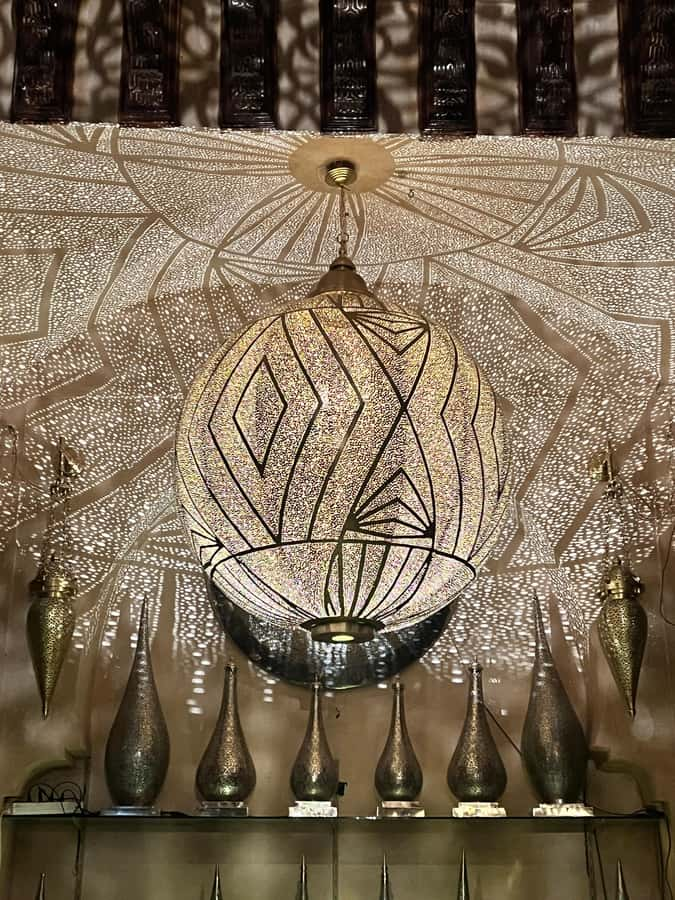
The final part of the walk brings the market experience back to the wider medina. This may include photo stops, free time, architecture, and a clearer look at how the neighborhood operates beyond shopping.
Some guides add small local touches. Mohammed has taken people to food spots, while other outings have included olives, Moroccan tea, sand-heated coffee, juice, or a simple meal such as lamb kebabs with bread and beans. Food is not included in the tour price, so treat these moments as optional purchases unless your guide tells you otherwise.
A coffee heated in sand is the kind of detail that makes the walk memorable, but the bigger value is the chance to see how people use the souks as part of ordinary life. This is not a museum display. Merchants work, residents pass through, and craft skills are tied to income and family tradition.
A roof terrace overlooking the lanes has also been part of one private outing. That sort of pause can give you a welcome break from the close quarters below, though you should not book expecting a guaranteed terrace visit or meal. The route is flexible, and the exact stops vary.
The tour ends with drop-off at two listed locations, Marrakech and Hôtel Restaurant Café de France. If you arrange hotel pickup, check the selected option carefully. Pickup and drop-off are not included in every booking.
Shared Tour or Private Walk?
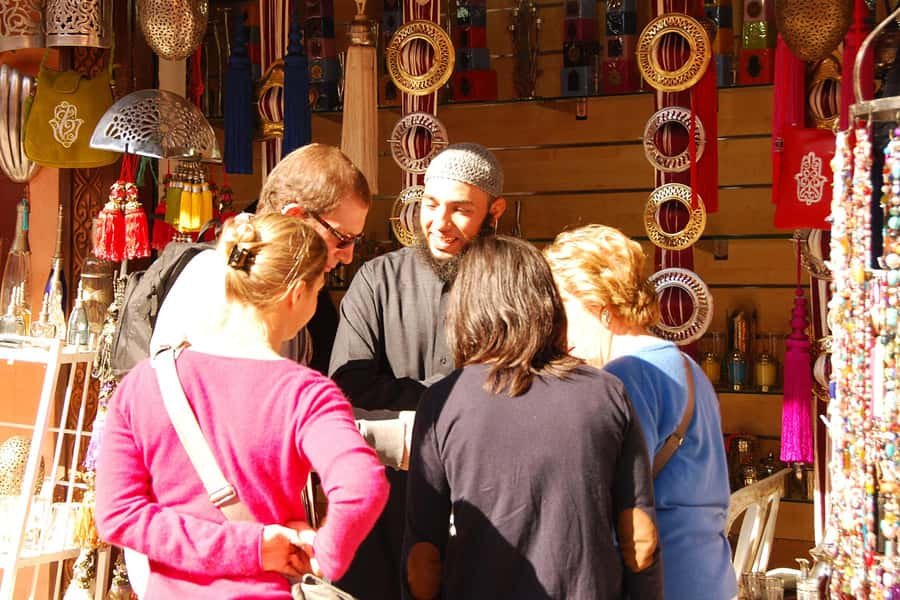
At $19 per person, the shared option is a strong value if you want orientation, history, and practical shopping help in one short visit. You are paying less than many private sightseeing walks, yet the route covers a large part of the medina and can save you from wasting time while lost.
The private option costs more depending on the chosen booking, but it may suit you better if you have a clear shopping list or want to ask many questions. A private group can move at your pace, spend longer with a craft, or skip areas that do not interest you.
One private group found that the guide could take them far deeper into the souks than they would have managed alone. Another group appreciated having the route tailored around food and shopping. That flexibility is the main reason to choose private rather than shared.
A shared outing may be better if you like hearing other questions and want a lower price. A private walk is better for families, couples, or shoppers who already know they want a carpet, leather goods, or textiles. If you are not buying anything, tell the guide before the walk begins so the shopping stops do not dominate your afternoon.
English and French are available. The guides named in the feedback have been praised for clear English, humor, patience, and first-hand knowledge of the medina. The person leading your tour may be different, so treat those names as examples rather than a guarantee.
What to Know About Shopping Pressure
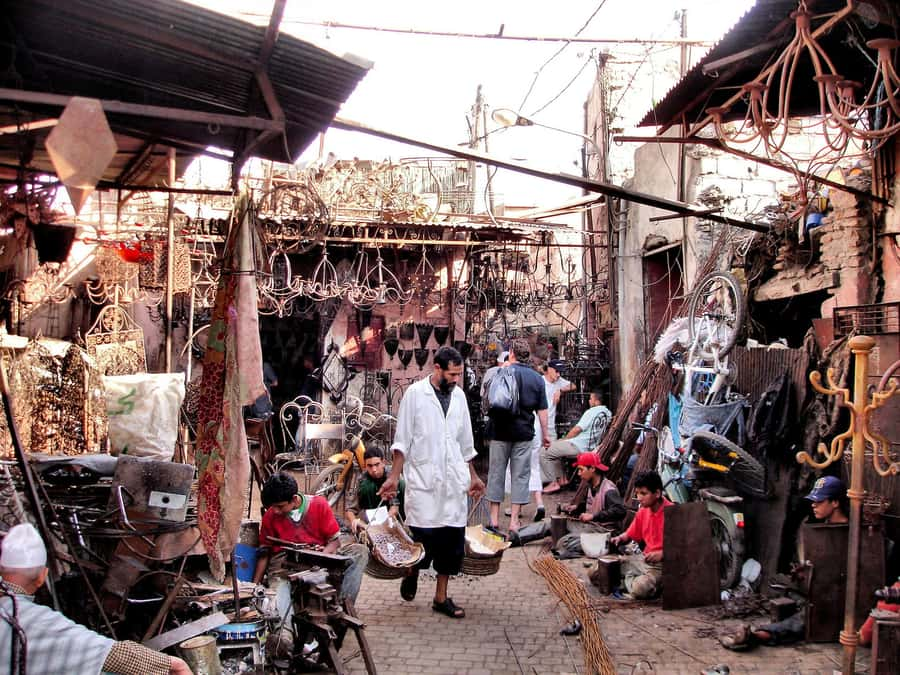
Most of the useful shopping help comes from having a local person explain where to look and how to bargain. A guide may help you compare quality, speak with a seller, or steer you toward an artisan who is more interested in showing the craft than making a quick sale.
Still, shopping is part of the design. You may be invited to sit down, hear a sales explanation, or look at goods after saying that you are only browsing. One person felt the experience became more like a personal shopping trip than a sightseeing walk, although the guide accepted a clear refusal.
That is not necessarily a flaw. If you want high-quality handmade goods, the buying assistance may be exactly what you need. If you want only architecture and history, say so early and ask for fewer shop visits.
Set three rules for yourself: decide what you want, decide what you can pay, and do not buy simply because a guide has helped you reach a shop. You can thank the merchant and leave. The guide’s help should make you more confident, not less free to say no.
Is Three Hours Enough?
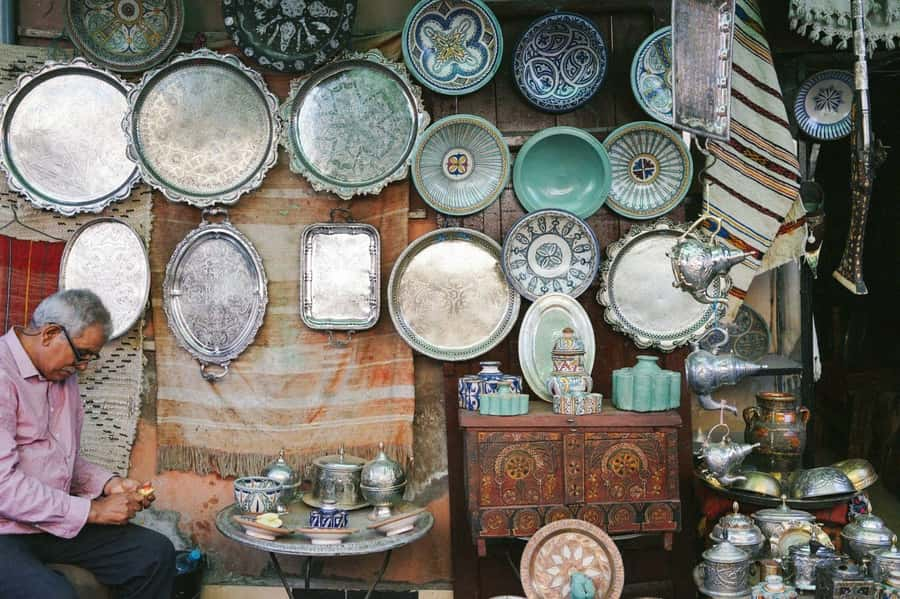
Three hours is a sensible length for a first look at the medina. It is long enough to cover the central market, smaller lanes, foundouks, and craft areas without turning the day into an exhausting march.
It is not enough to study every trade or visit every historic building. The route is best seen as an introduction. Afterward, you can return to the sections that interest you, now with a better sense of direction and a clearer idea of what you are seeing.
The walking portions include Café de France, Souk Semmarine, Souk Cherifia, and other parts of the medina. The schedule may vary because the guide can shape the route around questions, purchases, and the pace of the group.
I would book this early in a Marrakech stay. That way, you can use the guide’s advice during later independent walks and avoid spending your first day circling the same few lanes.
Should You Book This Marrakech Souks Tour?
Book it if you want to understand how the medina works, see craft areas beyond the main shopping lanes, or buy traditional goods with better local guidance. The $19 shared price is especially appealing for a three-hour introduction, and the private option adds useful flexibility for serious shoppers.
Skip it if you strongly dislike market shopping or want a quiet history walk with no commercial stops. The route may include artisan shops and repeated invitations to browse.
For most first-time visitors, I would choose the shared walk unless I had a specific shopping goal. The best outcome is not simply bringing home a bag of souvenirs. It is leaving Marrakech able to read the souks, recognize the work behind the goods, and explore the medina with much more confidence.
FAQ
Where does the tour meet?
The standard meeting point is in front of Café de France on Jemaa el-Fna, in the heart of the Marrakech medina. The exact starting location can depend on the option selected.
How long does the tour last?
The walking tour lasts three hours. Check the available starting times when booking.
Which languages are available?
Live guiding is available in English and French.
Is hotel pickup included?
Hotel pickup is available only if you choose an option that includes it. Pickup and drop-off are not included in every booking.
Can I book a private tour?
Yes. You can choose a private group option instead of a shared walking tour.
Are food and drinks included?
No. Food and drinks are not included. Some guides may suggest food, tea, coffee, juice, or other local stops, but you should expect to pay separately.
Just added around Morocco
- Private walking tours Fez Medina★ 4.5 · 164 reviews
- Private Guided Walking Tour in Fez Medina★ 5.0 · 117 reviews
- Exclusive Fez Medina Walking Tour with Private Guide★ 5.0 · 392 reviews
- Walking Tour in Old Medina Fez with Official Guide★ 5.0 · 77 reviews
- Half-Day Private Guided Walking Tour Of Fez Medina★ 5.0 · 136 reviews
- Fez Tour Medina Private Walking Tour With Local Guide★ 5.0 · 107 reviews
- Fez Medina 4-Hour Guided Walking Tour★ 4.5 · 248 reviews
- Private walking tour of Chefchaouen (The blue city)★ 5.0 · 225 reviews
Old Town Walking Tours, compared.
Underground Vaults Walking Tour in Edinburgh Old Town
Read our review →
3-Hour Walking Tour of Old Town & Prague Castle
Read our review →
Old Town and Jewish Quarter Guided Walking Tour
Read our review →
Marrakech: Ben Youssef, Secret Garden, & Souks Walking Tour
Read our review →Browse the lists this tour appears in