REVIEW · WALKING TOURS
Kigali: Walking Tour with a Local Guide
Kigali comes into focus quickly on this 150-minute city walk, which mixes food, art, memorials, local streets, and short rides across town. Guide Gloria is the name most often associated with the experience, and her warm, practical approach makes this a useful first look at Rwanda’s capital.
I especially like the chance to see Kigali through several lenses: the solemn Belgian Peacekeepers Memorial and the everyday life of Biryogo and Downtown. I also like that the route can change around your interests, though the motorbike or taxi transfer between Inema Arts Centre and the memorial costs extra and means this is not a walk from start to finish.
Key points at a glance

- Start beside Kigali Heights: Meet at the roundabout near the Radisson, the fountain, and the statue.
- Taste the city as you go: Biryogo Car Free Food Street and local snacks add flavor beyond standard sightseeing.
- Hear Rwanda’s difficult history: The Belgian Peacekeepers Memorial is a quiet, serious stop.
- See Kigali’s art scene: Inema Arts Centre brings local creativity into the route.
- Expect short vehicle transfers: A motorbike or taxi connects some stops, especially between the art centre and memorial.
- Best for first-time visitors: You get useful orientation, local advice, and a manageable amount of walking for $30.
Why this is a smart first look at Kigali
Kigali can feel easy to navigate, yet its neighborhoods and hills make it more layered than a quick drive through town suggests. This tour gives you a human guide to the city rather than asking you to piece it together from isolated landmarks.
The format is simple. You meet your guide at Kigali Heights, walk through selected parts of the city, stop for food, crafts, art, and history, and use a short motorbike or taxi ride where needed. The experience is conducted in English, and guides may help with basic Kinyarwanda translations.
Gloria receives especially strong praise for making the tour feel friendly without losing its useful information. She explains history and culture, answers questions, offers tips for getting around, and adjusts the route when you have already visited certain places. That flexibility matters if you have only one free afternoon or are using the walk to fill a gap between larger Rwanda trips.
At $30 per person, I see this as a fair orientation price. You are paying for a local guide, not just transport between sights. The value is strongest if you want context, conversation, and help getting comfortable in Kigali. Keep extra cash for snacks, crafts, and the motorbike or taxi transfer, since those costs are not listed among the included features.
More Guided Tours in the world:
- Magical London: Harry Potter Guided Walking Tour
★ 4.7 · 22,044 reviews - History and Hauntings of Salem Guided Walking Tour
★ 5.0 · 14,564 reviews - Amsterdam Anne Frank: Small-Group Walking Tour & Local Guide
★ 4.8 · 12,789 reviews
Meeting at Kigali Heights
The tour begins at the roundabout of Radisson and Kigali Heights, marked by a fountain and statue. This is a practical starting point because it puts you near a recognizable modern part of the city and makes it easy to meet your guide before heading into older and more local areas.
The opening conversation is important. You can tell your guide what you have already seen, what interests you, and how much walking feels comfortable. Past tours have included people arriving on their first evening in Kigali, as well as visitors who had already been to the Genocide Memorial and wanted more help understanding the country.
I would book this early in your Kigali stay if possible. You can use the walk to ask where to eat, how to use motorbike taxis, and which parts of town deserve more time. It also gives you a clearer sense of how the city’s different areas fit together.
Biryogo Car Free Food Street: food, crafts, and local rhythm
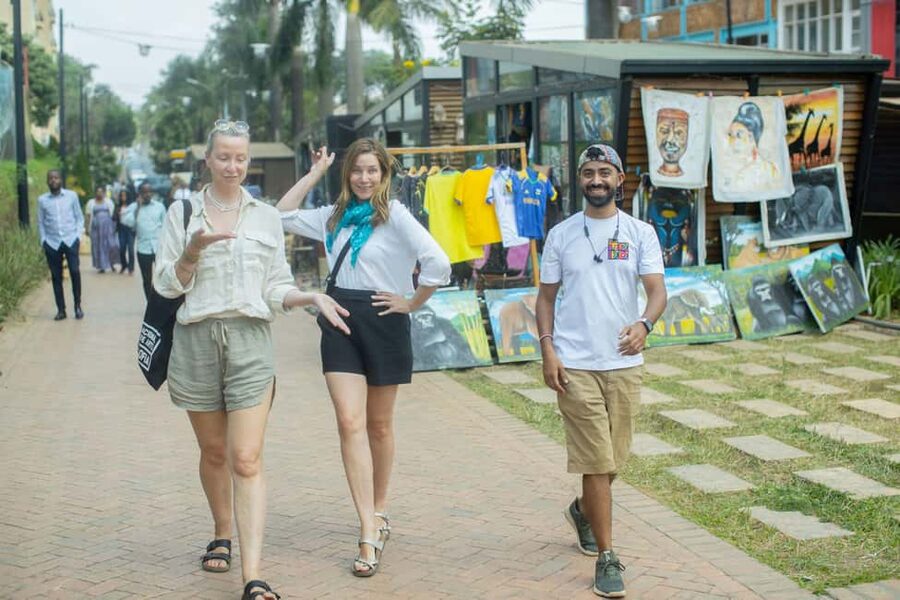
Biryogo Car Free Food Street offers one of the most approachable parts of the experience. Instead of beginning with a formal museum or long historical lecture, you get a feel for daily Kigali through food, shops, street activity, and local crafts.
The stop lasts about 20 minutes, so think of it as an introduction rather than a full food tour. You can take photos, ask questions, and look at local delicacies and handmade goods. If you want to buy something, this is one reason to carry cash in Rwandan francs or another accepted form of payment.
The car-free setting also makes the area easier to enjoy on foot. You can pay attention to the guide and your surroundings without the constant pressure of traffic. The best use of this stop is to ask specific questions: what people eat, how the area is changing, and where you might return for a longer meal.
Because the time is short, do not expect an extensive market visit. Some people will find 20 minutes enough for a taste, while food-focused visitors may wish the route allowed more time. Still, it adds a useful everyday dimension that a landmark-only tour would miss.
The Belgian Peacekeepers Memorial and a serious change of mood

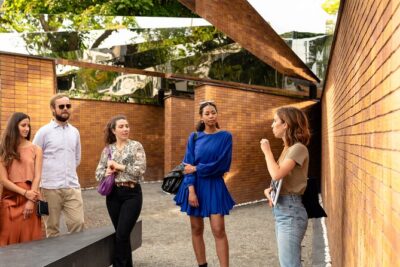
The Belgian Peacekeepers Memorial is the most solemn stop. It honors ten Belgian soldiers killed during the 1994 genocide against the Tutsi, and its presence gives the tour an important historical weight.
The scheduled visit lasts about 30 minutes. You may have time for photos, an explanation from the guide, and a look at nearby arts and crafts. The tone here is different from Biryogo. Give the site your attention and avoid treating it as just another photo stop.
This is also where the transport detail matters. The guide uses a motorbike or taxi to move from the art centre to the Belgian memorial, so you will not simply walk the entire distance. Several people have enjoyed the motorbike ride as part of the Kigali experience, especially after the guide explains how to use this common form of transport.
If you are uneasy about riding on a motorbike, say so before setting off. The supplied details do not promise a single transport method for every person, so asking your guide about a taxi is sensible. You should also budget for the fare, since transport is not included in the stated inclusions.
The memorial may be difficult for some people, particularly early in a trip. That is not a reason to skip it, but you should know the subject before booking. The guide’s role is valuable here because she can place the site within Rwanda’s past and present instead of leaving you with only a brief plaque.
A few more walking tours around the world worth a look
- Reykjavik Food Walk – Local Foodie Adventure in Iceland
★ 5.0 · 18,952 reviews - New Orleans Premier Ghost, Voodoo and Vampire Walking Tour
★ 4.5 · 12,856 reviews - Edinburgh: Harry Potter Magical Guided Walking Tour
★ 4.8 · 11,944 reviews - Edinburgh Castle: Guided Walking Tour with Entry Ticket
★ 4.7 · 11,699 reviews
Inema Arts Centre: Kigali’s creative side
Inema Arts Centre adds color and energy after the memorial. The stop lasts about 30 minutes and includes time for photos, sightseeing, local snacks, and free time.
The centre is a strong fit for anyone who wants to see how Kigali presents itself through contemporary art. You can look around, ask about local artists, and use the stop to understand the city as a place that is still growing and changing.
I like this part because it does not treat Kigali only as a destination of history and remembrance. The art centre points toward the capital’s forward-looking side. The experience may include local snacks, and past routes have included drinks such as ginger-lemon refreshments, though you should not assume every departure will offer the same item.
This is another stop where your interests can shape the visit. Art lovers may want time to browse and speak with artists. Others may prefer to keep moving toward Downtown. The 30-minute limit gives you a useful sample, but not enough time for a slow gallery visit.
The transfer after this stop is worth planning for. The guide may arrange a motorbike or taxi to the memorial, and the ride itself can be an engaging part of learning how people move around Kigali. It is also the main reason to bring cash and weather protection.
Downtown and the city’s wider view
The Downtown section lasts about 30 minutes and returns the focus to the city as a working place. You will walk, sightsee, and hear more about Kigali’s development, organization, and daily life.
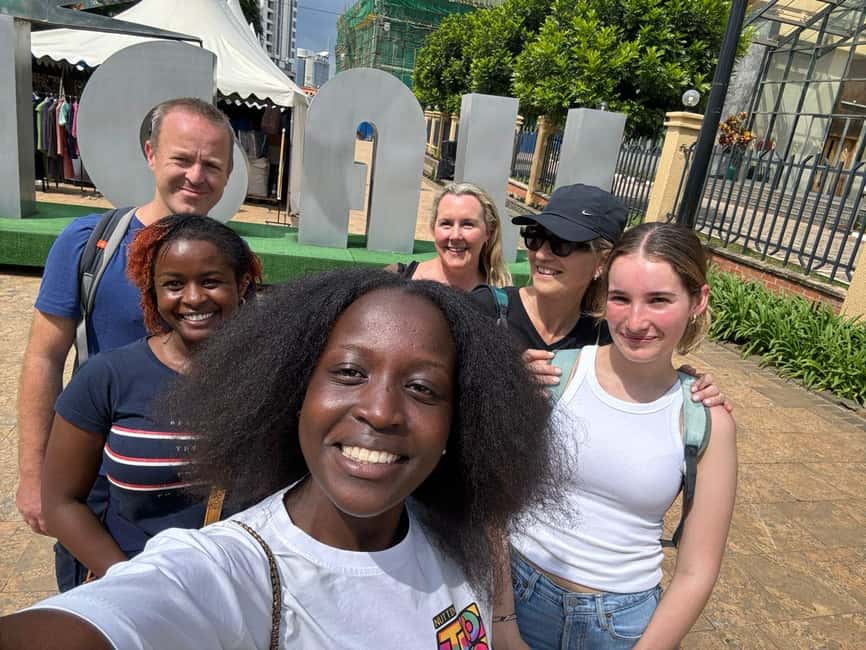
This is less about one grand monument and more about getting your bearings. You can ask about places to eat, neighborhoods to revisit, and practical ways to continue exploring on your own. A final photo by a Kigali sign may also be possible, depending on the route and timing.
The supplied route description also points to surrounding hills and city views. Kigali’s setting is one of the pleasures of exploring on foot, especially when your guide can explain what you are seeing rather than simply pointing toward it.
Do not expect Downtown to provide a full survey of Kigali. One past visitor wanted a wider overview of the city as a whole, and that is a fair limitation for a 150-minute tour. This works best as a primer. You see a few contrasting areas, then decide where to return with more time.
Optional changes and how much flexibility to expect
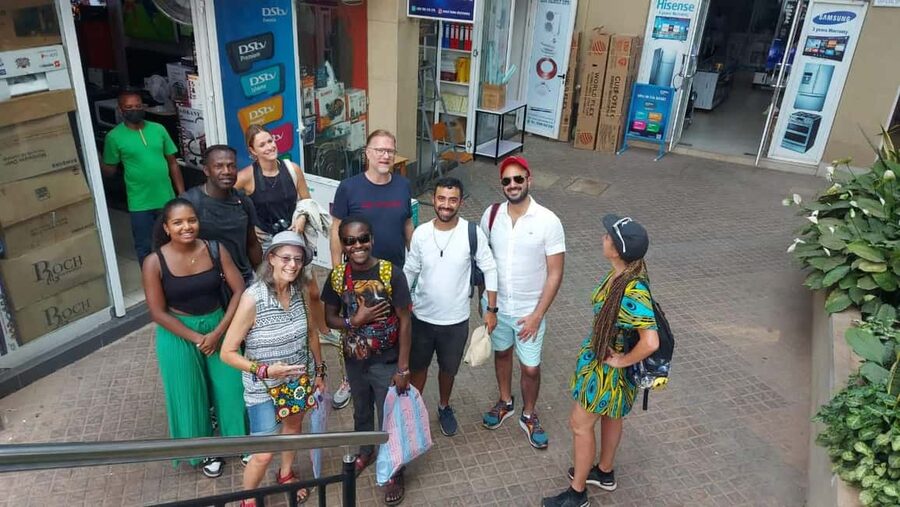
The route is described as customizable. Depending on your interests, your guide may include the Kigali Genocide Memorial, Nyarutarama Lake, Nyamirambo, local galleries, or other viewpoints and cultural stops.
That does not mean every place can be added to one short departure. The listed stops already fill the 150 minutes, and some alternatives are in different parts of Kigali. Think of customization as choosing emphasis, not creating a completely new full-day tour.
Nyamirambo is a good option if you want neighborhood life, alleyways, local food, and views across the hills. Nyarutarama Lake suits someone looking for a calmer outdoor setting. Art lovers can ask for more gallery time, while history-focused visitors may prefer the Genocide Memorial and Belgian memorial.
Tell Gloria or your assigned guide what you have already visited. One useful feature of the experience is that the route can avoid repeating sights and instead answer the questions you brought from elsewhere in Rwanda.
What the guide adds
The strongest feature is the guide’s personal connection to Kigali. Gloria is repeatedly described as warm, clear, patient, and easy to talk to. She also compares Rwandan life with the experiences of people in the group, which can turn a standard explanation into a real conversation.
That matters most when the tour moves between serious history and ordinary city life. You can ask about customs, transport, food, safety, neighborhoods, and the changes taking place in Kigali. The result is less formal than a museum visit and more useful than walking around without context.
Solo women may find the guided introduction reassuring. One person who joined alone felt comfortable and gained confidence about continuing to explore Kigali. I would not treat that as a promise about every situation, but a local guide can certainly make your first hours in the city feel less uncertain.
The tour is in English. Basic Kinyarwanda translation help may be available, but you should not book it expecting a multilingual tour.
Walking, weather, and practical comfort
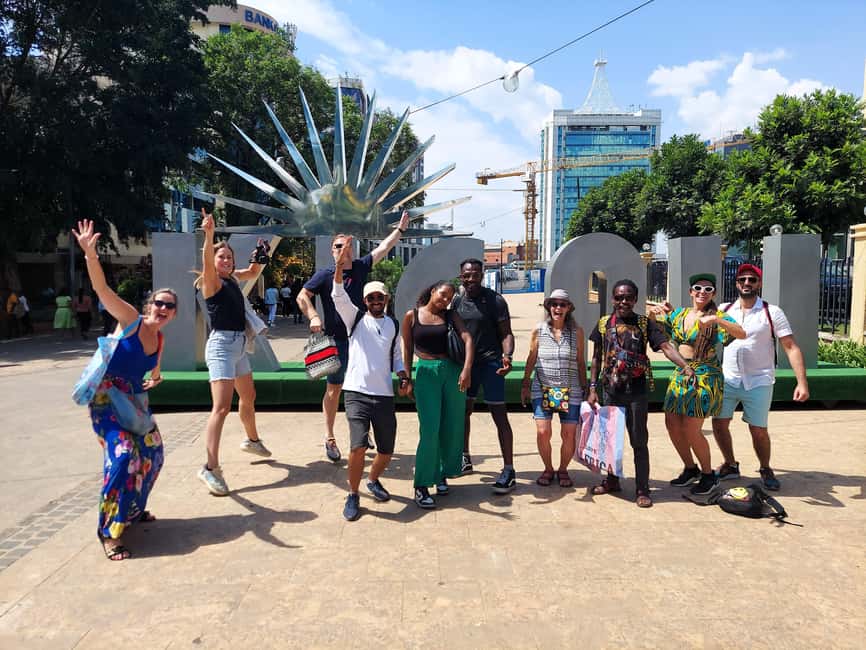
Bring comfortable shoes, water, a hat, weather-appropriate clothes, and a camera. Kigali’s streets, markets, and hillside setting make sensible footwear more important than stylish footwear.
The tour runs rain or shine. Check the forecast and carry rain protection if showers are possible. A little rain has not necessarily stopped people from enjoying the experience, but wet streets and an open-air walk will affect your comfort.
Bring cash for snacks, crafts, and motorbike or taxi fares. The tour price covers the professional guide, walking tour, and customizable route, but not personal purchases or the short transfers mentioned in the instructions.
The activity is not suitable for children under 10 or people over 70. That age guidance suggests the operator wants participants who can manage a moderate city walk, changing surfaces, and the practical demands of getting around town.
Who will get the most from this tour?
I would choose this for a first visit, a solo trip, or an extra day after visiting Rwanda’s major memorial and wildlife sites. It is also useful if you want to learn how motorbike taxis work with someone beside you before trying them alone.
It suits curious visitors who ask questions and enjoy switching between food, art, history, and ordinary streets. It is less suitable if you want a long museum visit, a dedicated food crawl, or a purely pedestrian route with no vehicle transfers.
The tour also works well for people who dislike rigid sightseeing. Gloria has adjusted routes for people who had already seen certain attractions, and that kind of flexibility can make the short format feel personal rather than repetitive.
Should you book this Kigali walking tour?
Book it if you want a friendly introduction to Kigali with real local conversation, a serious historical stop, local art, food streets, and practical help getting around. At $30, the guide and orientation make it good value, especially early in your stay.
Skip it if you need a fully walking route, want every transport cost included, or prefer to spend two or three hours at one major attraction. Also remember that the Belgian memorial is a solemn visit, not light sightseeing.
For most first-time visitors, I would put this near the start of the Kigali schedule. It gives you enough structure to feel oriented, while leaving plenty of room to return to the places that catch your attention.
FAQ
Where does the Kigali walking tour start?
It starts at the roundabout of Radisson and Kigali Heights, near the fountain and statue.
How long does the tour last?
The tour lasts 150 minutes, or two and a half hours.
What language is the tour conducted in?
The live tour is conducted in English. Guides may assist with basic translations in Kinyarwanda.
Does the tour include motorbike or taxi transport?
The guide uses a motorbike or taxi to move between some stops, including the route from Inema Arts Centre to the Belgian Peacekeepers Memorial. Transport costs are not listed among the included features, so bring cash.
What places are included on the main route?
The main route begins at Kigali Heights and includes Biryogo Car Free Food Street, the Belgian Peacekeepers Memorial, Inema Arts Centre, and Downtown.
Can the route be changed?
Yes. The itinerary is customizable, with possible additions such as the Kigali Genocide Memorial, Nyarutarama Lake, Nyamirambo, local galleries, and viewpoints.
What should I bring?
Bring comfortable shoes, a hat, water, weather-appropriate clothing, a camera, and cash. The tour operates rain or shine.
Just added around the world
- Fira: Guided Foodie Walking Tour with Tastings★ 4.9 · 474 reviews
- Fez: Guided Walking Tour of the Historic Medina★ 5.0 · 359 reviews
- Fez: Walking Tour in the Ancient City of Fez★ 4.8 · 73 reviews
- Faro: Old Town Guided Walking Food Tour★ 4.9 · 94 reviews
- Feel like a local – Walking Tour in Mykonos Town 2hours★ 4.4 · 77 reviews
- Fes: A Guided Walking Tour Through the Historic Medina★ 4.4 · 97 reviews
- Fez: Half-Day City Private Walking Tour with a Guide★ 4.6 · 114 reviews
- Fanal / Assobiadores – Levada Walk★ 4.6 · 93 reviews
Walking Tours, compared.
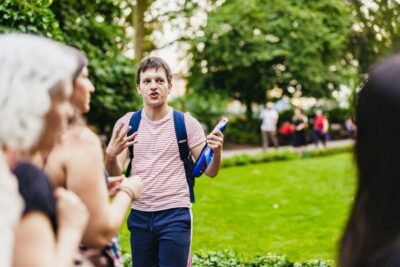
Magical London: Harry Potter Guided Walking Tour
Read our review →
Reykjavik Food Walk – Local Foodie Adventure in Iceland
Read our review →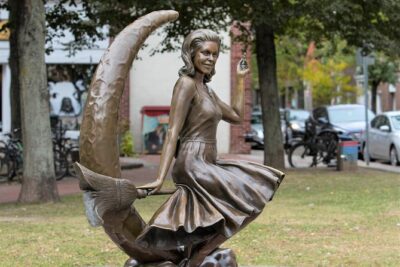
History and Hauntings of Salem Guided Walking Tour
Read our review →
New Orleans Premier Ghost, Voodoo and Vampire Walking Tour
Read our review →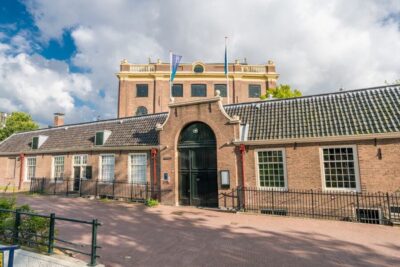
Amsterdam Anne Frank: Small-Group Walking Tour & Local Guide
Read our review →
Edinburgh Castle: Guided Walking Tour with Entry Ticket
Read our review →