
REVIEW · NEW ORLEANS
French Quarter Historical Sights and Stories Walking Tour
New Orleans history is packed into a few walkable blocks, and this tour helps you read the clues. In two hours, you move from the French Market to Jackson Square, St. Louis Cathedral, Royal Street, and the Mississippi River while your guide explains how architecture, religion, food, politics, and culture shaped the city. The stories are the main attraction, not simply the buildings.
I like the small-group limit of 12 because it makes it easier to hear the guide and ask questions. I also like the practical advice folded into the walk, including where to eat, shop, and continue exploring after the tour. Guides include Scott, Tim, Libby, Renée, Yvonne, and Lesley, so the tone may vary, but the focus stays on local stories and clear explanations.
The main drawback is pace. With so much ground to cover, you may see only selected parts of the French Quarter rather than every notable street or building. One guide adjusted the route around a parade, and another visitor wished the walk had covered more sights, so this is best viewed as an introduction, not a complete survey of the neighborhood.
Key points at a glance
- Two hours through the oldest part of New Orleans: The route connects six central sights without requiring a full day.
- A small group capped at 12 people: You should have a better chance of hearing stories and getting answers.
- History beyond the standard postcard stops: Guides explain French, Spanish, American, Caribbean, religious, architectural, and political influences.
- Useful advice for the rest of your visit: You can ask about restaurants, shopping, and places to see on your own.
- Three daily departure times: This makes it easier to fit the walk around meals and other plans.
- A practical first-day activity: The route can help you get your bearings before exploring the French Quarter independently.
Why this walk works best early in your New Orleans visit
I would schedule this tour near the start of your stay. The French Quarter can look like a maze of balconies, courtyards, bars, galleries, restaurants, and narrow streets. A guide gives those places a framework, so later walks become more rewarding.
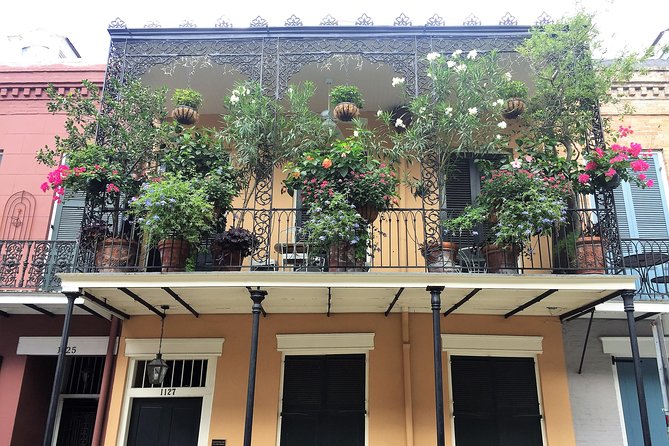
The tour also helps separate appearance from meaning. A wrought-iron balcony is not just decoration. A church is not just a pretty landmark. A market is not just a place to browse. The guides connect buildings and streets with the people, customs, and governments that shaped them.
That wider view is one of the strongest parts of the experience. The most praised guides, including Scott, Tim, Libby, Renée, and Yvonne, are described as engaging, friendly, funny, and easy to question. The emphasis is not only on dates. You hear stories that explain how the city works and why it feels different from other American cities.
A repeat visitor can still find value here. One person who had visited New Orleans many times learned new details about the Quarter. That is a useful sign for anyone who thinks the neighborhood is already familiar.
A few more walking tours around New Orleans worth a look
- New Orleans Premier Ghost, Voodoo and Vampire Walking Tour
★ 4.5 · 12,856 reviews - New Orleans Food Walking Tour of the French Quarter with Small-Group Option
★ 5.0 · 6,118 reviews - St. Louis Cemetery No. 1 Official Walking Tour
★ 4.5 · 3,941 reviews
Starting at 400 Dumaine Street
The tour begins at the listed meeting point at Instrument Men, 400 Dumaine Street. From there, the group enters the French Quarter, the city’s oldest neighborhood and the setting for most of the walk.
Expect a street-level orientation rather than a museum-style lecture. You will walk, stop, listen, look up at buildings, and have chances to ask questions. The route is public, so there is no admission charge for the listed stops.
The walking itself is manageable for most people, but comfortable shoes matter. New Orleans streets can be tiring, especially in warm weather, and the tour operates in all weather conditions. Bring water, particularly during the hotter months, and dress for the forecast.
The tour is offered in English and includes a professional guide. Three daily departures give you some flexibility, but the exact time you choose may affect the feel of the Quarter, the weather, and your plans afterward.
French Market: stories amid the old market district
The French Market stop lasts about 15 minutes. It gives the tour a useful change of setting, moving from grand landmarks to a place tied to commerce and everyday city life.
Here, the guide explains New Orleans through the activity of buying, selling, eating, and gathering. The market is a good place to hear how the city’s cultures met in practical ways. You are not simply being pointed toward stalls. You are given background that helps make sense of the market’s role in the neighborhood.
The short stop means you should not expect extended shopping time. If you want to browse at length, plan to return after the walk. That is true of much of the tour: the guide provides context, then you can revisit places on your own.
This is also a useful point to ask about local food. Dining recommendations are part of the informal advice guides provide, and several guides are praised for suggesting places to visit after the tour.
St. Louis Cathedral and the Quarter’s religious story
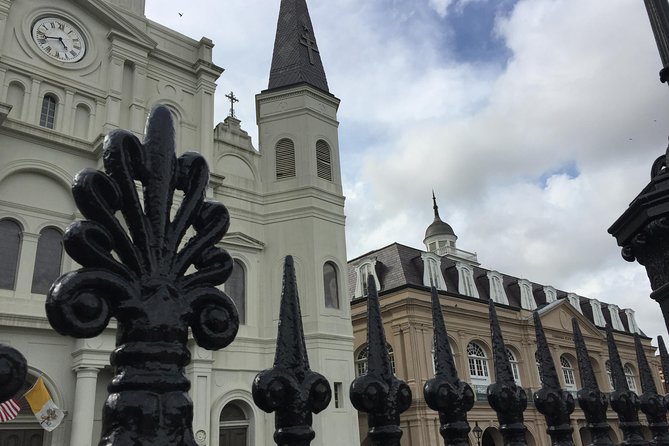
The tour spends about 15 minutes at St. Louis Cathedral, the large basilica facing Jackson Square. Built in the late 18th century, it has witnessed both difficult and celebratory moments in New Orleans history.
The value here is not just a photograph of the façade. The cathedral helps explain the continuing role of religion in the city and the way French and Spanish influences remain visible in the Quarter. The guide places the building within the broader story of New Orleans rather than treating it as an isolated landmark.
Architecture is a major theme throughout the walk. A particularly strong guide will help you notice how different influences appear in balconies, façades, courtyards, ironwork, and public buildings. One person especially appreciated learning how architectural styles reflected the priorities and cultures of the people who built them.
The itinerary gives the cathedral a short stop, so do not expect an extended interior visit or a detailed art lecture. The emphasis is on the building’s place in the city’s story.
Same streets, a different route:
- New Orleans French Quarter, Voodoo and Culture Walking Tour
★ 4.5 · 2,961 reviews - New Orleans Garden District History Walking Tour
★ 5.0 · 2,879 reviews - Ghost and Vampire Walking Tour Of The French Quarter
★ 4.5 · 2,406 reviews - New Orleans Adults-Only True Crime and Ghost Walking Tour
★ 5.0 · 1,666 reviews
The Mississippi River and the city’s uneasy relationship with water

The Mississippi River stop lasts about 15 minutes. The river gave New Orleans its reason for being, linking the city to trade, transport, and the wider continent. It also presents an ongoing challenge, and the tour addresses that tension directly.
This stop broadens the walk beyond the Quarter’s streets. You see why the neighborhood developed where it did and why the river remains central to New Orleans identity. The guide describes the Mississippi as one of the world’s largest rivers and connects it with the city’s daily life.
Do not expect a river cruise or a long waterfront outing. This is a viewing and storytelling stop. If the weather is hot, the open setting may feel more demanding, so water and sun protection are sensible.
The river also provides a pause from close street detail. After hearing about buildings and public squares, you get a wider view of the force that helped create the city.
Royal Street: shopping, restaurants, performers, and stories
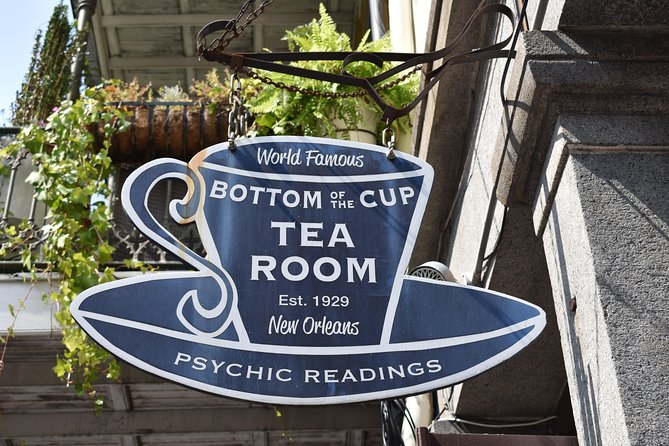
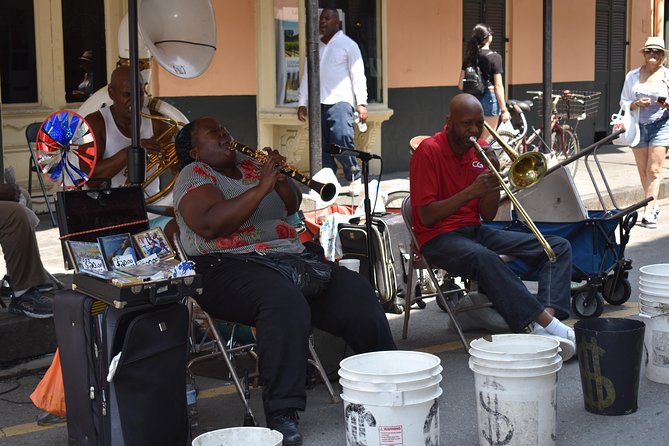
About 30 minutes are devoted to Royal Street, one of the tour’s longer stops. This thoroughfare brings together shopping, street performers, restaurants, and more architecture.
The mix makes Royal Street a strong place to see how the French Quarter functions as both a historic district and a living commercial neighborhood. The guide can point out details you could easily pass without noticing, then add suggestions for shopping and dining.
This part is especially useful if you want more than a history lesson. You can ask where to return later, what areas suit your interests, and which places fit your schedule. The advice is not a substitute for researching a restaurant, but it gives you a local starting point.
Royal Street can also be a little distracting. There is plenty to watch, and the group may pause while pedestrians, performers, or ordinary street activity continue around you. That is part of the charm, but it means you need to stay close enough to hear the guide.
Jackson Square: where the city’s cultures meet
The tour ends in Jackson Square after about 15 minutes there. This is an appropriate finish because the square brings together many of the themes introduced along the way.
The guide uses Jackson Square to explain a city that is French and Spanish, American and Caribbean. Those influences are not presented as a neat timeline. They overlap in language, religion, buildings, food, music, customs, and public life.
The square is also a practical ending point. From here, you can continue exploring the Quarter, return to the French Market, seek out a restaurant, or follow up on a recommendation from your guide. The ending location is listed as 701 Decatur Street, and the tour finishes in the heart of the French Quarter.
Because the walk ends here, you do not need to retrace the route to reach your next activity. If you are new to New Orleans, this makes the tour a useful launch point for the rest of the day.
What the guides add to the experience
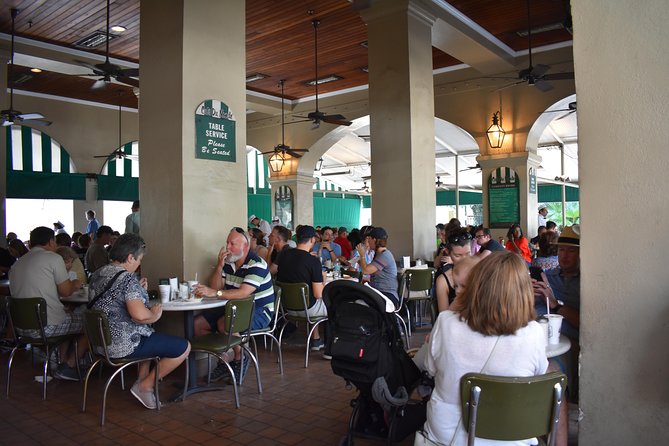
The guide is the key variable. The company uses several guides, including Scott, Tim, Libby, Renée, Yvonne, and Lesley. Their styles differ, but the strongest pattern is clear: the walk depends on storytelling, questions, and local interpretation.
Scott is repeatedly described as funny, engaging, and well prepared. He is also noted for communicating before and after the tour, which may help solo visitors feel more comfortable. Tim is praised for being friendly and clear, with strong knowledge of history, architecture, and local culture.
Libby is described as passionate and especially strong at telling the story of New Orleans. Renée is noted for practical recommendations, while Yvonne is praised for helping first-time visitors understand a great deal in a short period. Lesley is associated with history, food, architecture, and culture.
You should not expect every guide to deliver the same jokes or follow the same exact route. That is normal for a walking tour. What matters is that the format leaves room for questions and connects the famous sights with less obvious details.
The guides also discuss modern New Orleans, including local politics. That can add personality and help you see the city as a living place rather than a preserved set of façades.
Price, group size, and practical value
At $35 per person, this is a reasonable price for a two-hour guided walk, especially if you use the advice afterward. You are paying for interpretation, local knowledge, route planning, and the chance to ask questions, not for entry tickets or food.
The price is strongest for first-time visitors who would otherwise spend the same two hours wandering without context. It also works for repeat visitors who want to look at the Quarter differently. The value is less clear if you prefer to explore alone, move quickly, or stop inside every building along the route.
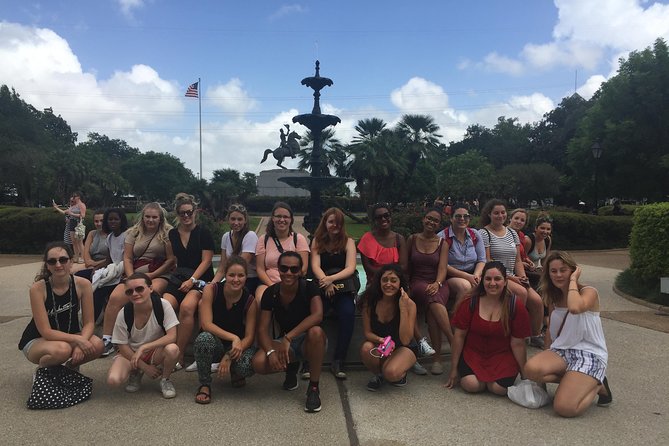
The group maximum is 12 people. That is a meaningful advantage on city streets, where a large group can block views and make questions awkward. One account described a group of about 18, but the stated maximum for this activity is 12, so I would rely on the official limit when deciding what to expect.
Food, drinks, hotel pickup, and drop-off are not included. You need to reach the meeting point yourself and plan your own meal afterward. The tour is near public transportation, but no specific transport arrangement is included.
Confirmation arrives at booking. Service animals are allowed, and most people can take part, though the walk requires enough comfort with standing and walking for about two hours.
Who should book this French Quarter walk?
I would choose it for:
- First-time visitors who want a clear introduction to New Orleans
- Solo visitors who prefer a structured way to get oriented
- Families looking for history with stories and room for questions
- Repeat visitors who want architecture and lesser-known details
- People who want restaurant and shopping ideas before exploring independently
- Anyone who prefers a small walking group over a large sightseeing crowd
I would think twice if you need extensive indoor time, dislike walking in heat or rain, or want a tour focused on one narrow subject such as food, music, ghosts, or cocktails. This experience covers many subjects, so its strength is range rather than deep specialization in one theme.
Book it early in your stay if possible. You can use the rest of your visit to follow up on the streets, buildings, restaurants, and shops that catch your attention.
Should you book it?
Yes, if you want a well-priced introduction to the French Quarter that explains what you are seeing instead of simply naming it. The best reasons to book are the small group, the practical local advice, and the guides’ ability to connect architecture, religion, food, politics, and culture.
Keep your expectations realistic. You will not see every corner of the Quarter, and some stops are brief. But for $35 and about two hours, this is a sensible way to get your bearings, learn the city’s main story, and begin exploring with better questions.
You can cancel up to 24 hours before the experience for a full refund. That gives you some flexibility if your New Orleans plans change.
FAQ
How long does the French Quarter Historical Sights and Stories Walking Tour last?
The tour lasts approximately two hours.
How much does the tour cost?
The listed price is $35 per person.
What language is the tour offered in?
The tour is offered in English.
Where does the tour begin?
The listed starting point is Instrument Men at 400 Dumaine Street, New Orleans, Louisiana 70116.
Where does the tour end?
The walk ends at 701 Decatur Street in Jackson Square, in the heart of the French Quarter.
Which sights are included?
The route includes the French Quarter, the French Market, St. Louis Cathedral, the Mississippi River, Royal Street, and Jackson Square.
Is food included?
No. Food and drinks are not included in the tour price.
Is hotel pickup included?
No. Hotel pickup and drop-off are not included.
How large is the group?
The activity has a maximum of 12 travelers.
What should I bring?
Bring water, especially during warmer months, and wear comfortable walking shoes. The tour operates in all weather conditions, so dress appropriately for the forecast.
Just added around New Orleans
- New Orleans Cocktail History Walking Tour in the French Quarter★ 5.0 · 604 reviews
- One Hour Saint Louis Cemetery Number One Walking Tour★ 4.5 · 642 reviews
- New Orleans Vampire Walking Tour★ 4.5 · 664 reviews
- New Orleans Original Craft Cocktail Walking Tour★ 4.5 · 675 reviews
- New Orleans: French Quarter Food History Walking Tour★ 4.9 · 713 reviews
- New Orleans City and Cemetery Tour with Garden District Stroll★ 4.5 · 766 reviews
- French Quarter Walking Tour With Comp 1850 House Museum Admission★ 5.0 · 781 reviews
- New Orleans Cemetery Walking Tour★ 5.0 · 901 reviews
Walking Tours, compared.

Magical London: Harry Potter Guided Walking Tour
Read our review →
Reykjavik Food Walk – Local Foodie Adventure in Iceland
Read our review →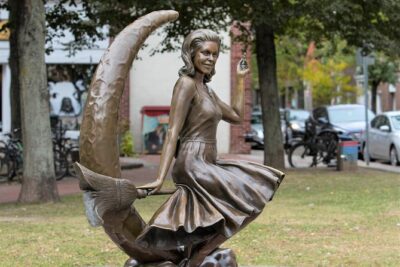
History and Hauntings of Salem Guided Walking Tour
Read our review →
New Orleans Premier Ghost, Voodoo and Vampire Walking Tour
Read our review →
Amsterdam Anne Frank: Small-Group Walking Tour & Local Guide
Read our review →

Edinburgh Castle: Guided Walking Tour with Entry Ticket
Read our review →
Anne Frank’s Story – Guided Walking Tour through Amsterdam
Read our review →Browse the lists this tour appears in