
REVIEW · BUDAPEST
Budapest 3-Hour Walking Tour in Italian
Budapest’s story makes the most sense when you see Pest’s grand center and Buda’s fortified hill in one sweep. This three-hour walk links St. Stephen’s Basilica with the Royal Palace, Matthias Church, and Fishermen’s Bastion, while an Italian-speaking guide explains how Hungary changed from medieval kingdom to modern democracy.
I like the efficient route and the fact that it includes both sides of the Danube. I also like the personal feel of a private or small-group option, with guides such as Katalin, Caterina, and Elisabetta praised for clear Italian and warm, detailed explanations. The main consideration is pace: three hours covers a lot, and the castle district includes uphill walking, public transport, and plenty of standing.
Key points to know before booking

- Two sides of Budapest in three hours: Begin near St. Stephen’s Basilica in Pest, then cross the Danube to the Buda Castle area.
- Strong Italian-language focus: Guides including Katalin, Caterina, and Elisabetta have been described as friendly, well prepared, and fluent in Italian.
- Major landmarks rather than museum time: You see the Royal Palace, Matthias Church, Fishermen’s Bastion, and other sights from the outside.
- Public transport is part of the route: Bring 1,400 HUF per person for four tickets covering the metro and bus connections.
- A useful first look at Budapest: The tour gives you the city’s main historical framework before you explore on your own.
- Dress and footwear matter: Wear comfortable shoes, and avoid shorts and sleeveless shirts.
Why this route works for a first look at Budapest
Budapest can feel like two cities until somebody explains the connection. Pest spreads across the flatter east bank of the Danube, while Buda rises on the western side, crowned by the castle district. This tour uses that contrast as its basic structure.
You meet beside St. Stephen’s Basilica, in front of the California Coffee Company. That is a practical starting point because the basilica sits in the center of Pest and gives you an immediate sense of Budapest’s scale and style. From there, the walk moves through the central part of the city before using public transport to cross the river.
I like this arrangement because you do not spend the whole morning looking at one neighborhood. You get the broad picture first: imperial-looking Pest, the Danube crossing, and medieval Buda. Later, you can return to the places that deserve more time.
The tour lasts three hours, so think of it as an orientation with substance, not a leisurely architectural study. You will see a strong collection of landmarks and hear the main political and cultural story, but you should not expect long interior visits or extended stops at every monument.
More Three-Hour Tours in Budapest:
- 3-Hour Orientation Walking Tour of Buda and Pest
★ 4.8 · 1,834 reviews - Budapest: 3-Hour Grand City Tour and Castle Walk
★ 4.3 · 1,437 reviews - Budapest: 3-hour City Tour with Castle Walk + 1-hour Cruise
★ 4.1 · 204 reviews
St. Stephen’s Basilica and the grand center of Pest
St. Stephen’s Basilica is the first major sight, and it sets a high bar. Its large dome and formal design show the confidence of modern Budapest, while its name recalls Stephen I, Hungary’s first king and the ruler who helped establish the Christian Hungarian state.
Your guide uses the basilica as more than a photo stop. It is a useful place to begin the story of the Hungarian kingdom and to explain how religion, royal power, and national identity shaped the capital. The tour description promises attention to roughly 1,100 years of Hungarian history, from the conquest of the country through recent democratic changes.
That broad span is one of the tour’s best features. Budapest’s monuments are not isolated pieces. A church, palace, or fortress can reflect several different periods because the city has faced invasions, political upheaval, rebuilding, and changes in government.
You should expect to admire St. Stephen’s Basilica from the route rather than spend a large block of time touring its interior. If you want a detailed look inside, plan a separate visit. The walking tour’s job is to connect the basilica to the city around it.
The central Pest section also gives you a chance to ask questions early. If you are curious about Hungarian independence, the country’s relationship with larger European powers, or the transition to democracy, this is a good point to raise it. A private guide can shape the explanation more closely around your interests.
Crossing the Danube from Pest to Buda
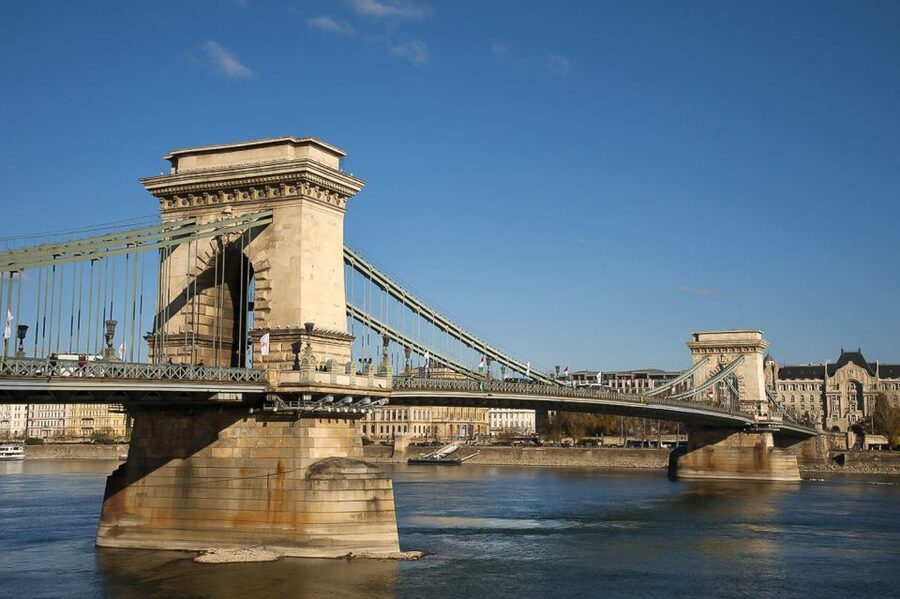
The river crossing is not just a transport detail. It is the moment when the character of the tour changes. You leave the broad central streets of Pest and head toward the older, fortified Buda Castle area.
Four public transport tickets are needed per person, at a stated total of 1,400 HUF. That cost is not included in the $41 tour price, so keep the extra money ready. The use of metro and bus services also means this is not a pure walking route, although most of the experience takes place on foot.
I see the public transport section as a sensible choice. A three-hour tour would lose too much time if every connection had to be covered on foot. It also gives you a small taste of how Budapest functions as a real city rather than as a set of monuments arranged for sightseeing.
The guide manages the route, but you should still wear shoes that can handle several hours of walking and some uneven or uphill sections. Comfortable footwear is specifically recommended. The castle district is the part of the tour where poor shoe choices tend to become a personal debate.
Buda Castle and the Royal Palace
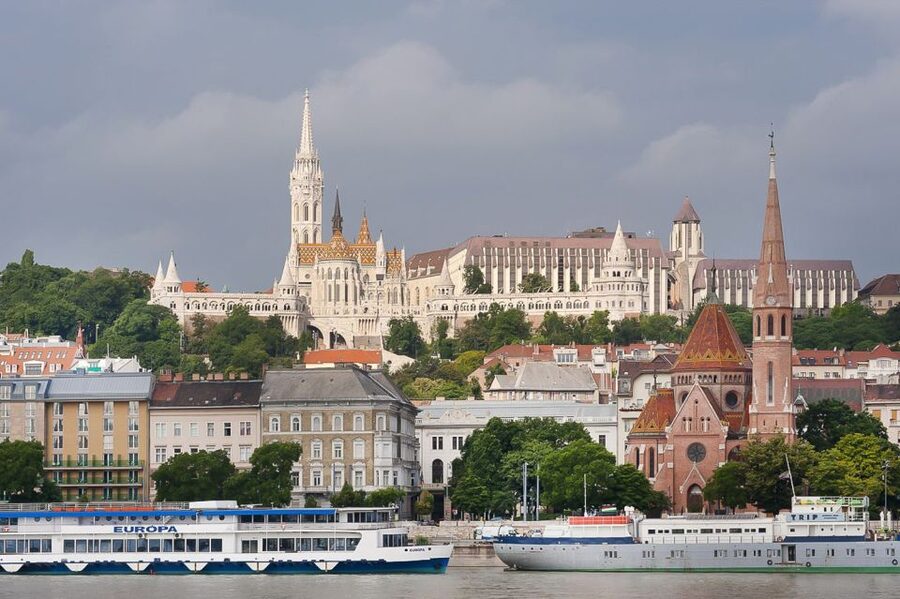
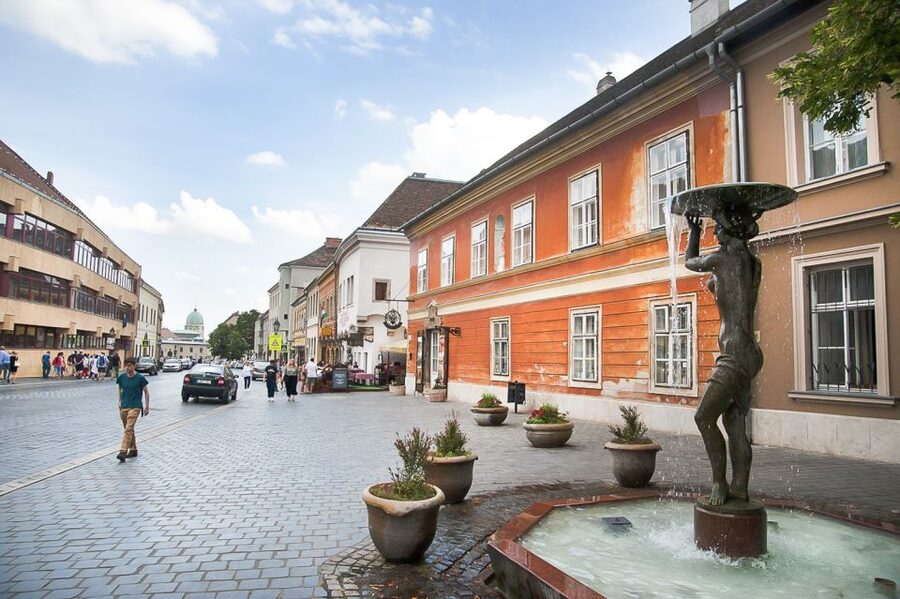
The Buda Castle area carries the weight of Hungary’s royal and military past. The fortified hill has served as a center of power for centuries, and the Royal Palace gives the tour one of its clearest links to the Hungarian monarchy.
You will learn how the castle area fits into the larger story rather than simply stopping for a picture. The guide explains the changing fortunes of the Hungarian kingdom and the forces that shaped its capital. This is especially useful if you know little about Hungary before arriving, since the city’s monuments can otherwise seem impressive but disconnected.
The Royal Palace is also one of the places where expectations matter. This tour is designed around viewing the major sights and understanding them through explanation. It is not presented as an interior palace tour, and there is no promise of museum admission.
That can be a drawback for anyone who wants a slow, object-by-object cultural visit. For a short stay, though, the outside view and historical setting may offer better value than spending the entire tour inside one building. You can decide later which museums or interiors deserve your time.
The Buda section is also a good place to ask your guide to separate the medieval story from later rebuilding. Budapest has changed repeatedly, and the castle quarter reflects that mix. A strong explanation helps you understand why the area feels old even when parts of what you see belong to later periods.
A few more walking tours around Budapest worth a look
- Budapest: Buda Castle Walk with Saint Stephen’s Hall
★ 4.5 · 3,012 reviews - Big Bus Budapest Hop-On Hop-Off Bus and Walking Tour
★ 3.5 · 2,206 reviews - Budapest: Buda Castle District Walking Tour
★ 4.6 · 2,108 reviews - Budapest City Landmarks Walking Tour in 2 Hours
★ 5.0 · 2,048 reviews
Matthias Church and the Castle Quarter
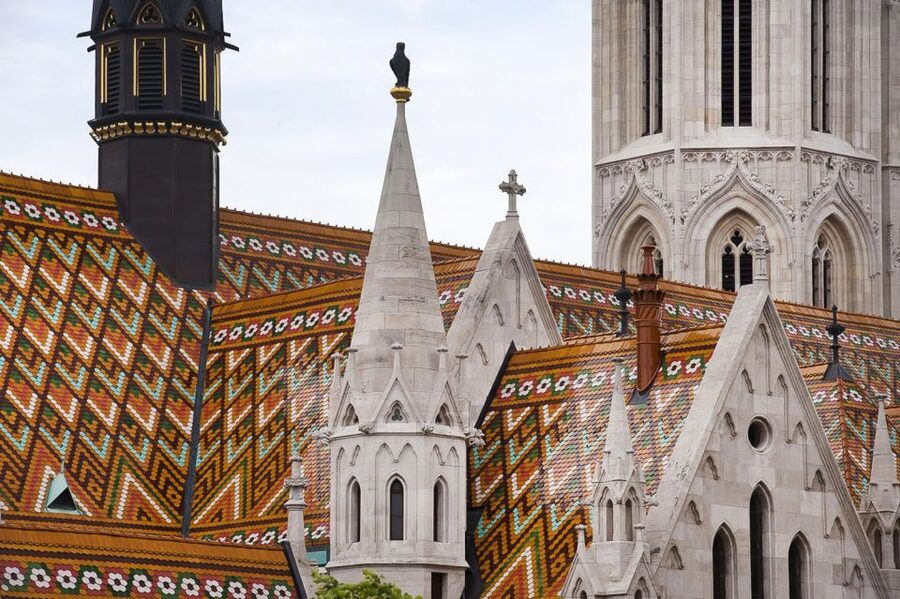
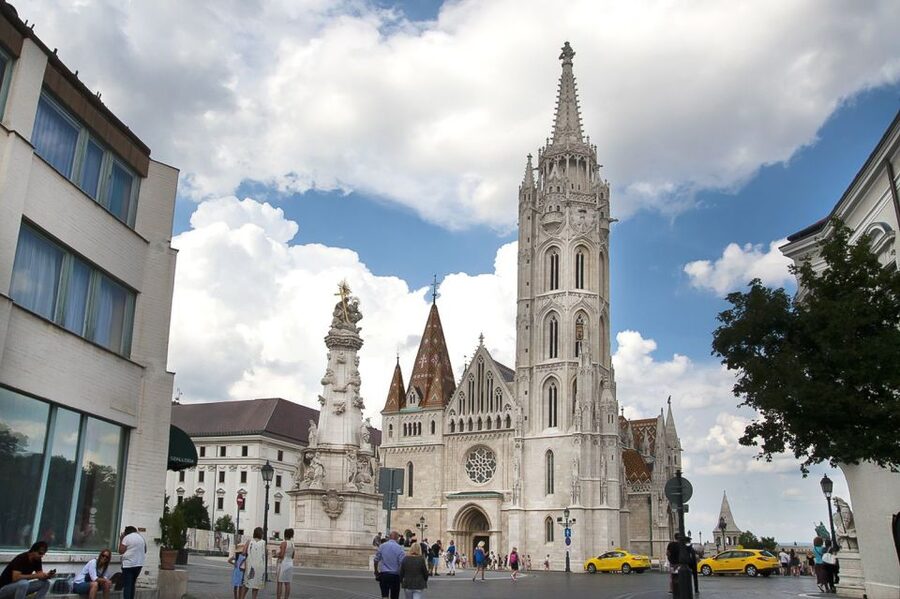
Matthias Church is one of the most memorable stops on the Buda side. Its Gothic appearance gives you a sharp contrast with the grander, more formal style of St. Stephen’s Basilica in Pest.
The church is tied to the royal story of Hungary and to the Castle Quarter around it. Your guide can place the building within the history of the kingdom, helping you see why this part of Buda mattered as both a religious center and a seat of power.
I would pay close attention here to the details your guide points out. The value of a walking tour is often not the fact that you saw a famous building. You can do that with a map. The value is learning why the building is important, how it changed over time, and how it connects to the street or square around it.
The Castle Quarter also brings more walking and standing. The description says the experience suits all ages and types of visitors, but the practical reality remains a three-hour route with public transport and hilltop sights. If you have limited stamina, a private booking may make it easier to request a slower pace or spend more time at fewer stops, though the exact adjustments should be confirmed when booking.
The dress code is worth taking seriously. Shorts and sleeveless shirts are not allowed, so choose longer, comfortable clothing from the start. That is particularly important if you hope to enter religious sites or want to avoid having to change plans during the walk.
Fishermen’s Bastion and the city views
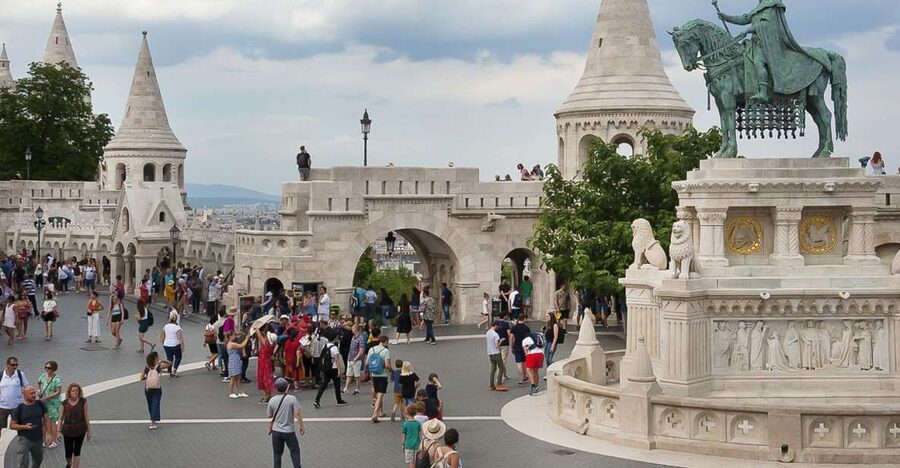
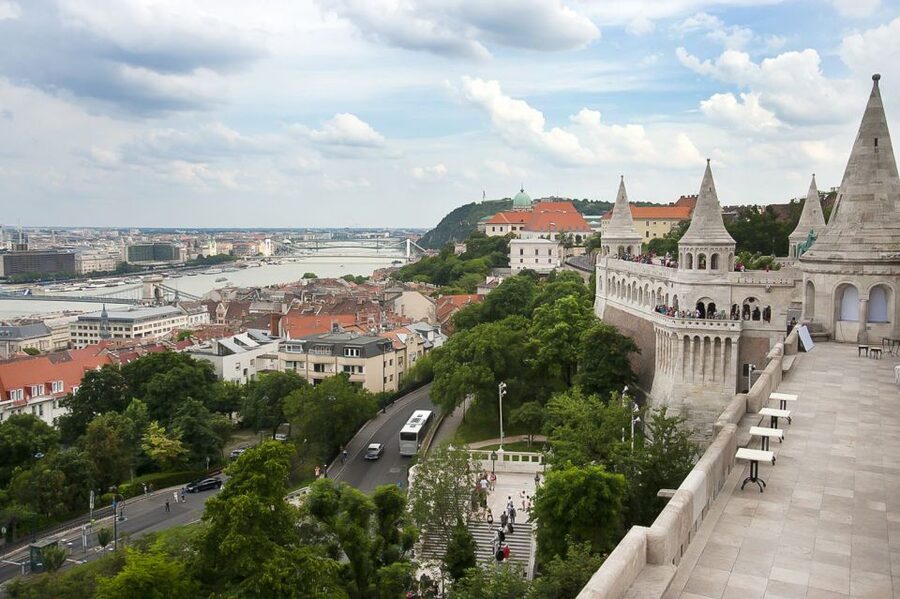
Fishermen’s Bastion is the visual payoff of the Buda Castle section. Its terraces offer some of the finest views in the city, looking across the Danube toward Pest and its grand buildings.
This is where the two halves of the route come together. From the high ground, you can look back toward the area where the tour began and understand Budapest as one city divided by a river and shaped by hills, bridges, churches, and royal buildings.
The stop is valuable even if you have already seen photographs. A guide can point out what you are looking at and explain how the river and central districts fit together. That turns a wide view into a readable view.
Fishermen’s Bastion is also the kind of place where the group size matters. In a private or small-group tour, you may have more room to ask questions and more freedom to linger briefly for photographs. In a larger group, the guide may need to keep the schedule tighter.
Do not expect a quiet, empty viewpoint. The attraction is one of Budapest’s best-known sights, and the tour is built around seeing it as part of a city route. Still, it is a fitting final highlight because it lets you review the whole journey at a glance.
The Italian-speaking guides and what they add
For this experience, language is not a small detail. The tour is specifically led in Italian, so it suits you best if you want historical explanations and questions handled in your own language rather than through a general English tour.
Several guides are associated with the experience. Katalin has been praised for being prepared, kind, and welcoming while explaining the story of both Buda and Pest. Caterina is described as especially available and clear while covering the main sights in detail. Elisabetta is noted for her excellent Italian and the large amount of information she provides.
Those details give you a useful sense of the guiding style: personal, warm, and focused on explanation. One particularly appealing description compares the atmosphere to walking with a close friend. That is the right expectation for a private or small-group format, rather than a formal lecture delivered from a script.
The guides also appear to be comfortable with short-stay visitors. The route is designed to show the key sights quickly, and the historical explanation helps you make decisions about what to revisit later.
I would use the guide actively. Ask about the monument in front of you, but also ask for practical advice about the rest of your time in Budapest. The experience includes an insider perspective and time for questions, so you gain more by treating it as a conversation.
What $41 covers, and what it does not
The price is $41 per person. That is reasonable if you want a three-hour introduction in Italian and prefer not to work out the Pest to Buda route yourself.
The value depends on what you need. If you only want landmark photographs, you can see several of these places independently for less. If you want the story connecting St. Stephen’s Basilica, the royal district, Matthias Church, and Fishermen’s Bastion, the guide adds the part that a map cannot provide.
The price includes the Italian-speaking guide. It does not include four public transport tickets, listed at 1,400 HUF per person. There is no stated admission package for museums or interiors, so budget separately if you plan to enter places beyond the outdoor sightseeing route.
Private and small-group choices are available. I would consider paying for the private version if you are short on time, want to ask many questions, or are traveling with family members who need a flexible pace. The standard price may be the better fit if you mainly want a clear overview at a controlled cost.
Free cancellation up to 24 hours before the start gives you some useful flexibility, and you can reserve now and pay later. Those terms help if your Budapest schedule is still moving around.
Who should book this three-hour walk
I would recommend it most strongly for first-time visitors staying only a short while. You see both Pest and Buda, learn the main historical sequence, and finish with one of the city’s best viewpoints.
It also fits Italian-speaking visitors who want more than a translated list of names. The guides are there to explain, answer questions, and connect the sites into a story. That makes the language choice a central benefit, not a minor convenience.
Families and mixed-age groups may also find the format useful because it offers a clear route without requiring you to plan every transfer. Still, everyone should be ready for walking, standing, and some uphill movement around the castle district.
I would choose something else if your main goal is extended time inside museums, a food-focused outing, or a slow architectural study of one neighborhood. This tour favors range and context. It gives you a strong first map of Budapest, then leaves you to return to the places that caught your eye.
Should you book the Budapest Italian walking tour?
Book it if you want to cover the city’s essential historical sights in three hours, need an Italian-speaking guide, and like the idea of moving between Pest and Buda rather than staying in one district.
The strongest reasons are the efficient route, the personal guide format, and the clear focus on major landmarks. Guides such as Katalin, Caterina, and Elisabetta bring a friendly, detailed approach, which matters when the subject spans 1,100 years.
Before booking, allow for the extra 1,400 HUF transport cost, wear suitable clothing, and accept that this is an overview rather than a full interior tour. If those limits suit your plans, this is a practical way to get your Budapest bearings quickly and understand what you are seeing.
FAQ
How long is the Budapest walking tour in Italian?
The tour lasts three hours.
Where does the tour meet?
The meeting point is next to St. Stephen’s Basilica, in front of the California Coffee Company coffee shop.
Which language is the tour conducted in?
The live tour guide speaks Italian.
Which Budapest sights are included?
The route includes St. Stephen’s Basilica, the Royal Palace, the President’s Palace, the Castle Quarter, Matthias Church, and Fishermen’s Bastion.
Does the tour use public transportation?
Yes. The group uses public transportation to cross the Danube from Pest to Buda.
How much do the public transport tickets cost?
Four tickets per person cost 1,400 HUF. This amount is not included in the tour price.
Is the tour private or shared?
Private and small-group options are available.
What should I wear or bring?
Bring comfortable shoes. Shorts and sleeveless shirts are not allowed.
Can I cancel the booking?
Yes. You can cancel up to 24 hours in advance for a full refund. You can also reserve now and pay later.
Just added around Budapest
- Budapest: Castle District Walking Tour★ 4.8 · 223 reviews
- Budapest Guided Food Walking Tour with Drinks Included★ 4.8 · 472 reviews
- Budapest: Walking Tour to the Shoes Memorial and Parliament★ 4.7 · 151 reviews
- Budapest: Jewish History Guided Walking Tour with Historian★ 4.8 · 205 reviews
- Budapest: Walking Tour in the Buda Castle District★ 4.9 · 113 reviews
- Budapest: Walking Tour and Photoshoot with Digital Photos★ 4.7 · 82 reviews
- Budapest: 3-Hour Walking Tour of Pest with a Historian★ 4.9 · 81 reviews
- Budapest: Hungarian Cooking Class and Market Walk★ 5.0 · 91 reviews
Walking Tours, compared.

Magical London: Harry Potter Guided Walking Tour
Read our review →
Reykjavik Food Walk – Local Foodie Adventure in Iceland
Read our review →
History and Hauntings of Salem Guided Walking Tour
Read our review →
New Orleans Premier Ghost, Voodoo and Vampire Walking Tour
Read our review →
Amsterdam Anne Frank: Small-Group Walking Tour & Local Guide
Read our review →

Edinburgh Castle: Guided Walking Tour with Entry Ticket
Read our review →
Anne Frank’s Story – Guided Walking Tour through Amsterdam
Read our review →Browse the lists this tour appears in