REVIEW · WALKING TOURS
Bridgetown: A Guided Walking Tour of The History of a City
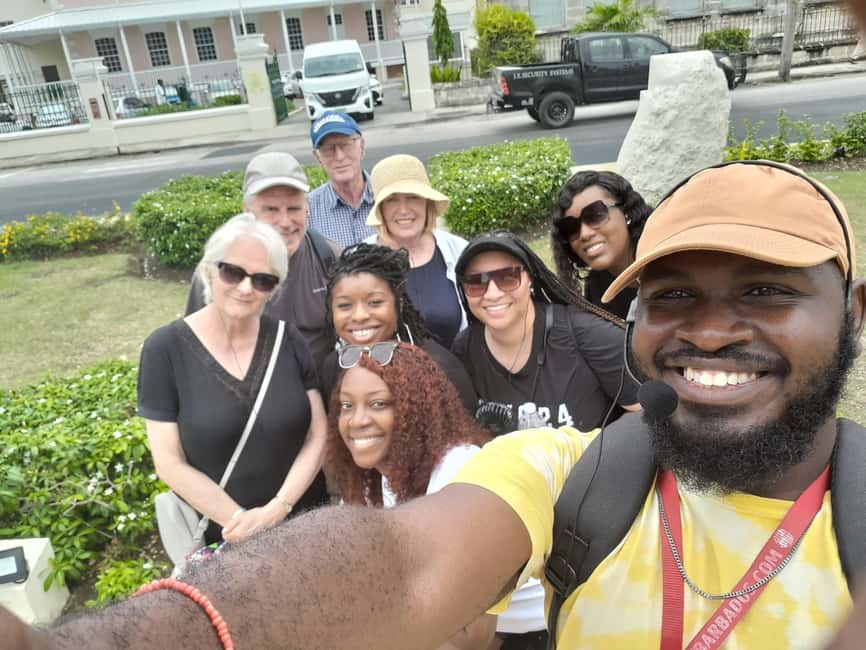
Bridgetown’s story is packed into a compact walk, from the place where enslaved people first landed to the bridges, Parliament Buildings, rum trade, Jewish heritage, and the road to independence. The highlight is not simply seeing old buildings. It is learning how each place fits into the city’s story.
I like the personal guiding and the headsets, which help you hear even when town noise picks up. I also like the small practical touches: water, a light snack, and time for questions. The main drawback is the heat. There is shade along the way, but you are still walking outdoors in Barbados, and the tour can be affected by bad weather.
Key points to know before you book
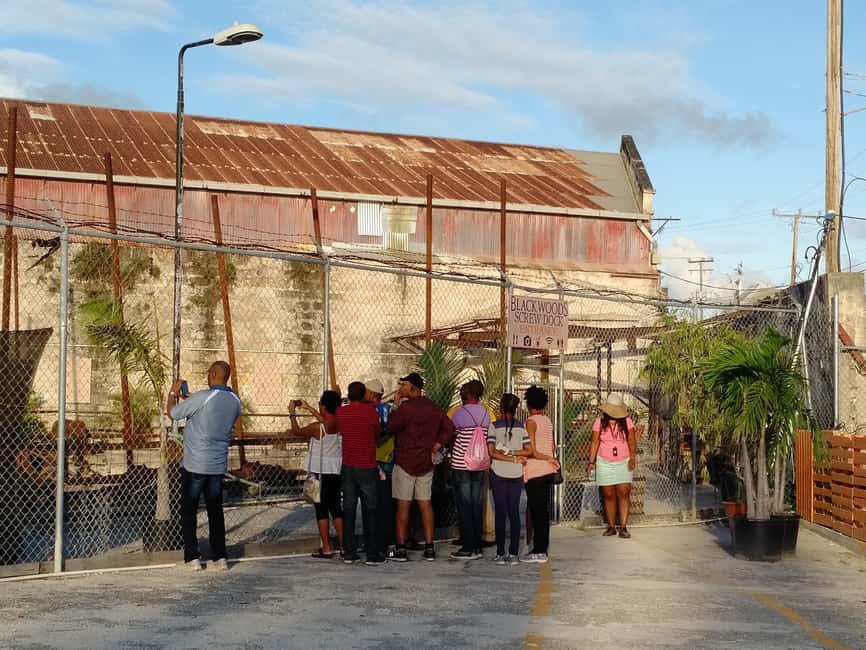
- The Blackwood Screw Dock is a rare stop: You see the only remaining screw dock of its kind in the world.
- The route covers Bridgetown’s full story: The walk begins with the city’s name and ends with independence.
- Headsets make the guide easier to hear: This matters on busy streets and near the waterfront.
- Guides bring different strengths: Evan, Zachary, Deborah, Christian, and others have led the walk, with special praise for clear explanations and friendly conversation.
- Water and snacks are provided: The snack includes nut products, so plan accordingly.
- The pace is manageable: A past group including people in their 80s completed the walk with ease, though comfortable shoes and sun protection remain wise.
A city story that begins at Independence Square
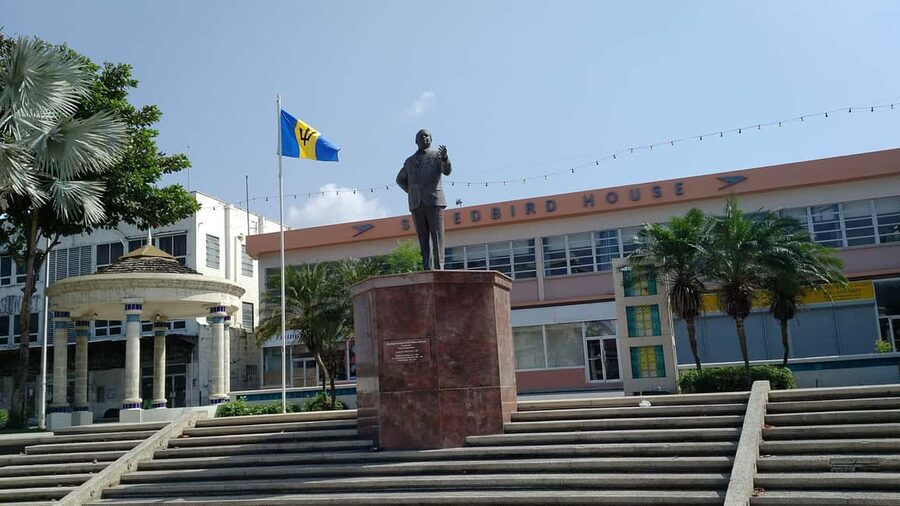
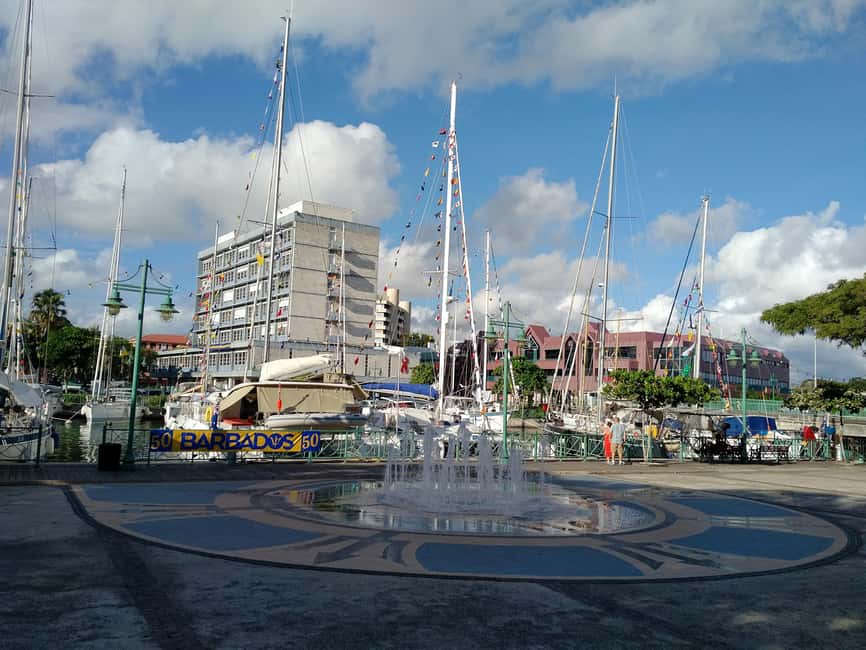
You meet at the Errol Barrow Statue in Independence Square, Bridgetown, near coordinates 13.0957448, -59.6134232. This is a useful central starting point because the tour can begin with the space around you rather than with a rushed march toward the first landmark.
The opening sets the scene for Bridgetown. You hear how the city got its name and how the area around the square changed over time. The guide then turns to the less comfortable parts of the island’s past, including the unceremonious burial ground associated with enslaved people arriving in Barbados.
That early stop matters. This is not a tour that treats history as a string of pretty buildings and dates. You are asked to consider the people whose labor, suffering, trade, and ambition shaped the city. Guides have been praised for handling this material with care while still keeping the walk conversational.
Your guide may be Evan, Zachary, Deborah, Christian, or another member of the team. The individual style can vary, but the useful pattern is clear: expect a live guide who welcomes questions rather than a fixed recording that you simply follow from stop to stop.
More Guided Tours in the world:
- Magical London: Harry Potter Guided Walking Tour
★ 4.7 · 22,044 reviews - History and Hauntings of Salem Guided Walking Tour
★ 5.0 · 14,564 reviews - Amsterdam Anne Frank: Small-Group Walking Tour & Local Guide
★ 4.8 · 12,789 reviews
The Blackwood Screw Dock and Bridgetown’s working waterfront
The Blackwood Screw Dock is one of the strongest reasons to choose this particular walk. It is described as the only remaining screw dock of its kind in the world, giving the tour a distinctive piece of engineering as well as a story about ships and commerce.
The dock helps you see Bridgetown as a working port. A city’s history can feel abstract when it is told only through dates. Here, the machinery and waterfront setting give the story a physical shape. You can better picture the ships, repairs, trade, and movement that made the port important.
The stop also shows why a walking tour can be more useful than a simple city-center stroll. You are not just being pointed toward a landmark and told its name. The guide explains what the place did and why it mattered.
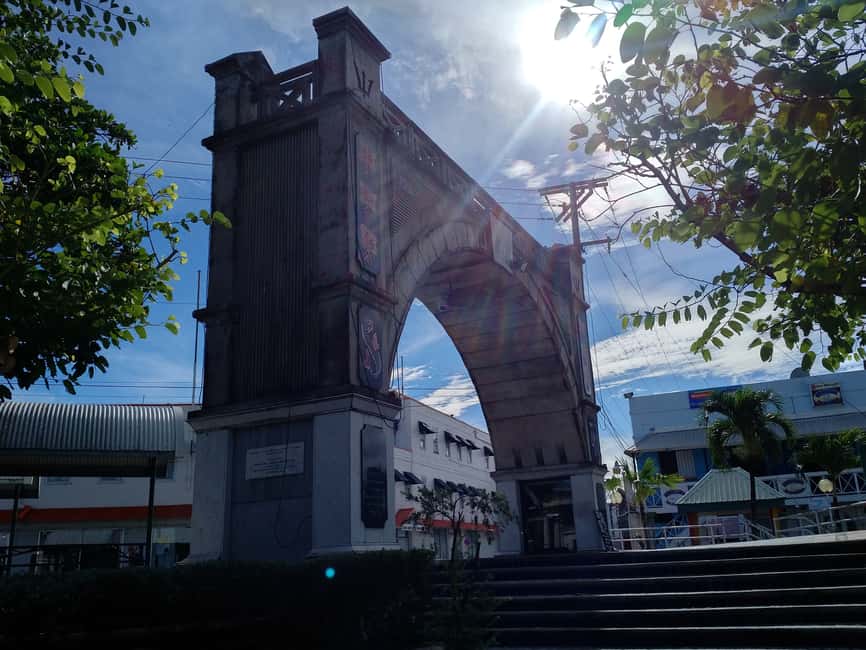
The walk continues toward one of Bridgetown’s two bridges. Bridges are central to the city’s identity, and the tour uses them to explain how the settlement developed around the water. You will hear how the city’s name connects to this setting, making the name feel less like a fact to memorize and more like a clue to Bridgetown’s beginnings.
Fountains, the Cenotaph, and the work of building a city
One stop recognizes the achievement of bringing running water into Bridgetown at the fountain. It is an easy detail to overlook when you are focused on grand buildings, yet it tells you something important about everyday urban life.
Infrastructure rarely gets the same attention as Parliament or churches, but it changes how a city functions. A fountain can represent public health, civic ambition, and the practical work needed to support a growing town. The guide uses this kind of detail to move the story beyond famous names and grand political events.
The Cenotaph brings a different mood. Here, the tour remembers the men of the two world wars and the sacrifices connected to them. The stop gives the walk a pause for reflection before the route moves on to the political heart of Bridgetown.
The pace is one of the tour’s strengths. You are not expected to sprint from one plaque to another. Guides have allowed time for photographs, questions, and brief stops, while still keeping the route within roughly two hours. One reported walk lasted about 90 minutes of movement, with conversation and questions extending the total closer to two hours. That suggests a useful distinction: this is not two hours of nonstop marching.
Parliament Buildings and the island’s political story
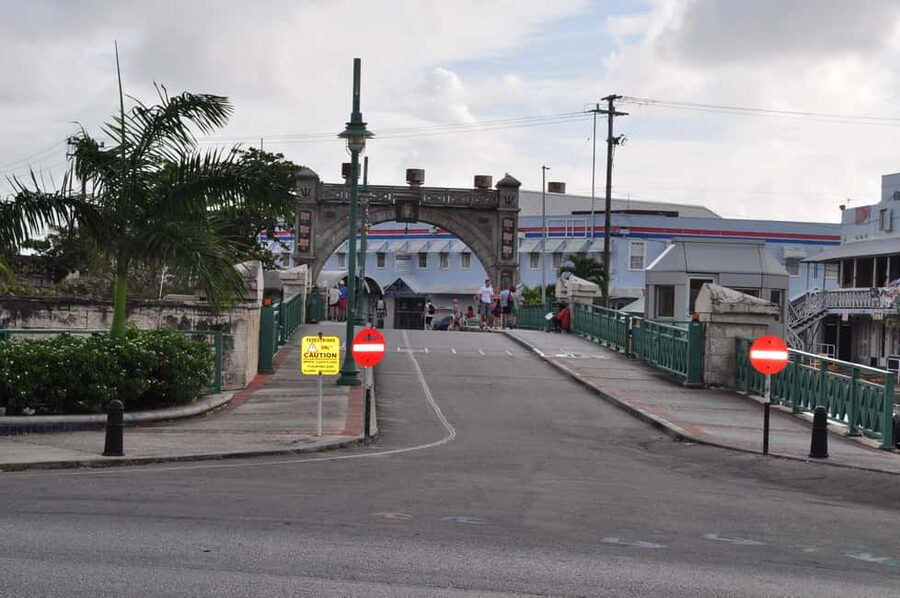
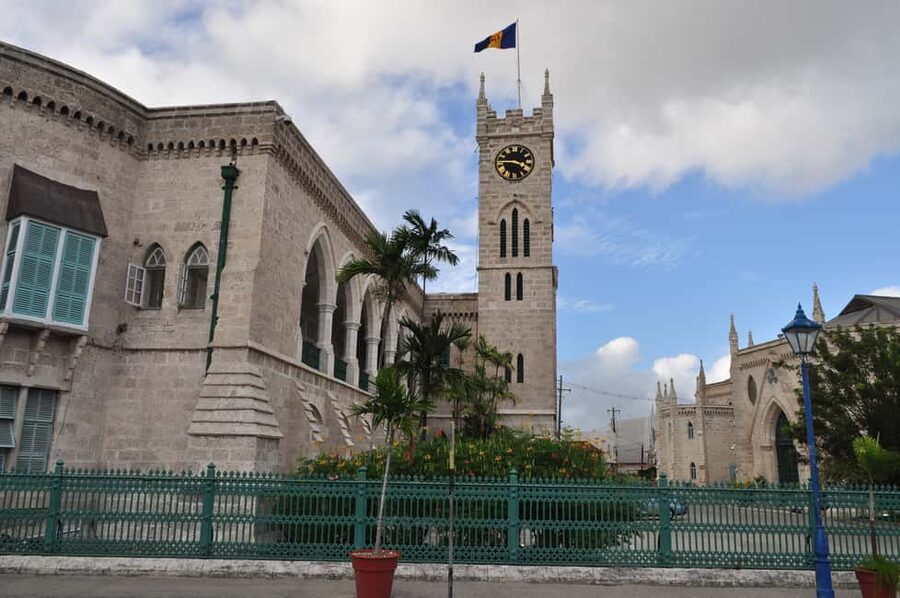
The Parliament Buildings are presented after the bridge and the earlier civic stops, which gives the building more context. You learn about one of the oldest continuing Parliaments in the Commonwealth as the guide explains its place in Barbados’s political story.
The building itself is stately, but the real value comes from hearing what it represents. Government buildings can seem remote if you only take a photograph from outside. A guide can connect the architecture to the people, institutions, and changes that shaped modern Barbados.
This is also where the tour’s broad time span becomes clear. The route does not stop at colonial Bridgetown. It carries the story through social change and eventually to independence 50 years ago, as described in the tour information.
If you enjoy political and civic history, this section may be one of your favorites. If you prefer a tour focused only on architecture, some of the spoken detail may feel denser. The audio equipment helps you stay with the explanation, especially if you are standing a little apart from the group.
A few more walking tours around the world worth a look
- Reykjavik Food Walk – Local Foodie Adventure in Iceland
★ 5.0 · 18,952 reviews - New Orleans Premier Ghost, Voodoo and Vampire Walking Tour
★ 4.5 · 12,856 reviews - Edinburgh: Harry Potter Magical Guided Walking Tour
★ 4.8 · 11,944 reviews - Edinburgh Castle: Guided Walking Tour with Entry Ticket
★ 4.7 · 11,699 reviews
Rum, Jewish heritage, and the people behind the port
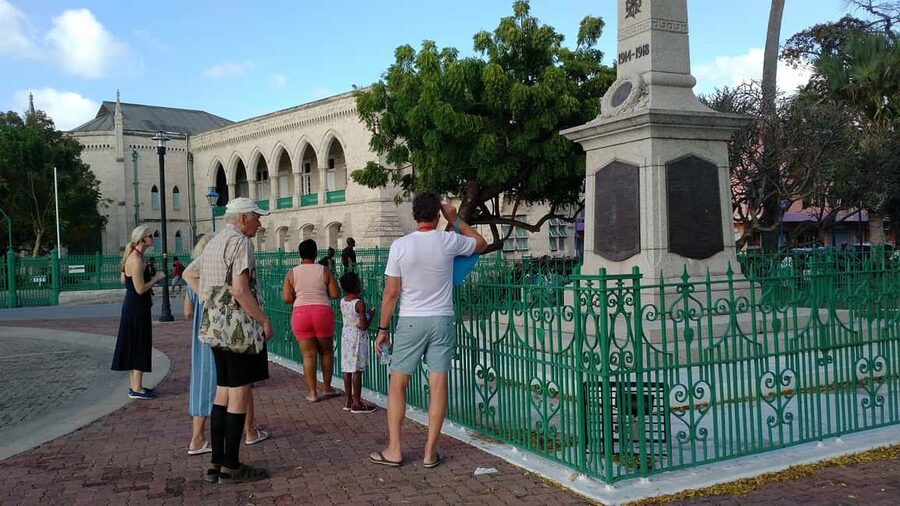
The next section turns toward the birth of rum. Barbados is closely tied to rum production, and the guide explains the story of how rum began rather than treating it as a simple tasting theme.
That distinction is useful. You are learning about production, trade, and the economic life of the island, not just being handed a drink. The subject adds a lively change of pace after the political discussion and helps explain why Barbados became important within wider Atlantic commerce.
The tour also recognizes the island’s Jewish ancestors. This is another reason the walk feels broader than a standard list of colonial landmarks. Jewish history is included as part of Bridgetown’s social and commercial story, giving you a better sense of the communities that helped shape the city.
The guides have been praised for answering questions about the people of Barbados as well as its buildings. That makes this section a good opportunity to ask about the communities, trades, and customs connected to the places you pass.
Swan Street and the oldest streets in Bridgetown
Swan Street brings you into the commercial side of the city. It is described as the oldest street in Bridgetown, and the guide explains its continuing importance as you walk through an area tied to trade and daily business.
This part of the route helps balance the grander stops. Parliament and memorials tell you about institutions and national events. Swan Street shows you the ordinary movement of goods and people that kept Bridgetown going.
You should expect a city walk rather than a museum visit. Shops, traffic, pedestrians, and street noise are part of the setting. The headsets are valuable here, since you can keep listening while standing near an active commercial area. Several guides have been singled out for clear speech, calm pacing, and the ability to keep the group together without making the walk feel stiff.
The route then reaches the oldest church and the Town Hall. These stops add religious and civic layers to the story. The guide provides the meaning behind the buildings, which is especially helpful if you are not familiar with Barbados before arriving.
The Mutual Building and another commercial street
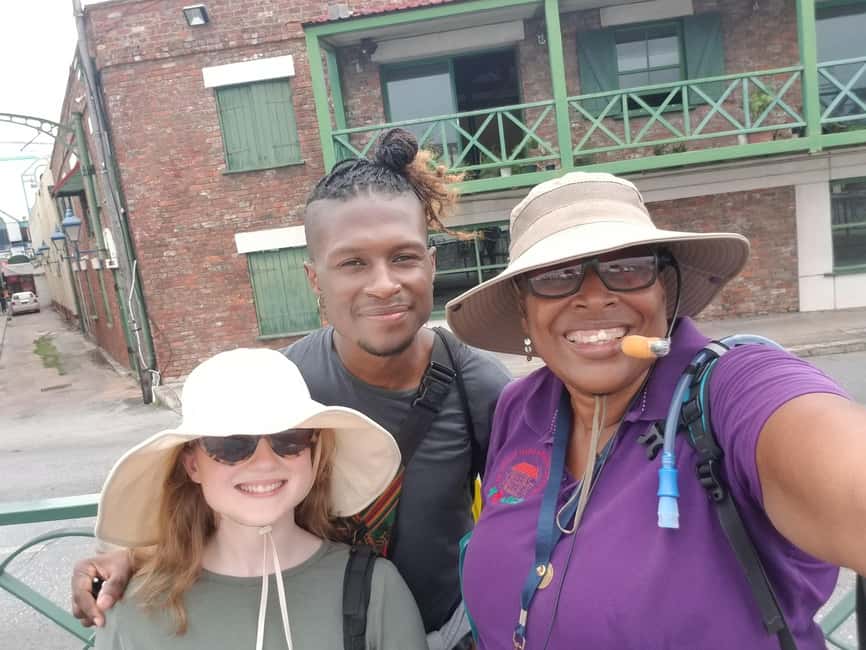
The Mutual Building receives its own section of the story. The building is described as magnificent, but the point is not simply to admire its exterior. It has stories to tell about Bridgetown’s financial and commercial development.
Afterward, attention turns to another street with commercial importance. This shift keeps the tour grounded in the way the city actually worked. Bridgetown was shaped by trade, offices, shops, shipping, public works, politics, and neighborhood life, not by monuments alone.
I appreciate this kind of route because it gives you an initial map of the city. After the walk, you can return to the streets that interested you, shop with more context, or use the guide’s food suggestions. One guide offered a lunch recommendation at the end, and guides have also helped people with directions for the rest of their day.
Do not expect an elaborate building-entry tour. The emphasis is on walking, listening, and understanding what you see from the streets. For most people, that is a good trade at this price, but anyone wanting long interior visits should choose a museum-focused experience instead.
The Spirit Bond and the walk back along the boardwalk
The Spirit Bond is connected with the wharf and the movement of goods. The name may sound unusual, but that is part of the appeal. The guide explains the story behind the term and uses it to bring the waterfront section into focus.
The final stroll along the boardwalk takes you back toward the starting point. It is a calmer way to finish than simply ending on a busy street corner. Along the water, the guide returns to the subject of independence and closes the story of Bridgetown’s development.
Ending with independence gives the route a clear shape. You begin with the city’s name and early foundations, move through trade, public works, war memorials, Parliament, religion, commerce, and the waterfront, then arrive at the modern nation. It is an ambitious amount of ground for two hours, but the walk works because the stops are linked by a single narrative.
The boardwalk section also gives you a chance to look around and take photographs. The tour remains outdoors, so sun and heat are real considerations. Guides have found shaded places for explanations, but you should still wear light clothing, bring sun protection, and choose comfortable shoes.
What the $25 price buys you
At $25 per person, this is a good-value introduction to Bridgetown if you want context rather than a quick orientation. The price includes the guide, English audio equipment, and a light snack with nut products. Water has also been provided on recent walks, sometimes in a small souvenir drawstring bag with snacks and mints.
The audio equipment is more than a decorative extra. Bridgetown has active streets and waterfront noise, so being able to hear the guide clearly makes the tour less tiring. It also allows the group to spread out slightly while still following the story.
The guides are the biggest part of the value. Evan has been especially praised for his clear dates, friendly manner, patience, and useful local suggestions. Zachary has been noted for his kindness, good pacing, questions, water, and snack bags. Deborah has been praised for keeping the history engaging and finding shade in hot weather. Christian has been described as professional and detailed.
That does not mean every walk will feel identical. Live guiding always depends partly on the person leading your group. Still, the repeated strengths are clear: clear English, strong preparation, time for questions, and a relaxed pace.
Who will enjoy this walk most
I would choose this tour for a first visit to Bridgetown, especially if you want an introduction before exploring on your own. It also suits returning visitors who want to understand the city’s political, commercial, and social background rather than simply revisit the same shops.
The walk can work for older participants. One group noted that people in their 80s completed it with ease, and several comments describe the pace as gentle rather than strenuous. That is encouraging, but you should still account for outdoor heat, pavement, and the full time on your feet.
Families may appreciate the compact length and the changing subjects. History-minded visitors will get the most from the sequence of civic, religious, commercial, and waterfront stops. Food-focused visitors should note that the tour includes a light snack, not a meal, though the local recommendations at the end may help you plan lunch.
The tour is less suitable if you want air-conditioned transport, a private vehicle, or extensive time inside buildings. It is also not the right choice if you dislike walking in hot weather. Bad weather can affect the experience, with rescheduling offered where possible.
Practical details before you set out
Wear comfortable shoes. That is the one item specifically requested, and it is sensible advice for a route that includes streets, bridges, the waterfront, and a boardwalk.
The tour is in English, with both a live English-speaking guide and English audio equipment. Smoking is not allowed. Transportation to and from the meeting point is not included, so you need to arrange your own way to Independence Square.
The snack includes nut products. If you have a nut allergy or avoid nuts, ask about the contents before accepting it. The tour lasts two hours, though the exact starting time depends on availability.
You can cancel up to 24 hours in advance for a full refund, and the reserve-now, pay-later option lets you keep plans flexible. Those terms are useful if your Bridgetown visit depends on a cruise schedule or changing weather, but check the exact availability when booking.
Should you book the Bridgetown history walk?
I would book it if you want a well-priced, human introduction to Bridgetown with more substance than a quick photo stop. The route covers rare engineering, politics, rum, Jewish heritage, commerce, war memorials, churches, and independence in a manageable two-hour format.
The strongest reasons to go are the Blackwood Screw Dock, the clear headsets, the broad historical range, and the guides’ habit of answering questions rather than rushing you along. The main caution is simple: this is an outdoor walking tour in Barbados. Bring comfortable shoes, expect heat, and be ready for weather to affect the schedule.
For $25, it gives you a useful framework for the rest of your time in the city. If you want Bridgetown to feel like more than a collection of streets and old facades, this is a sensible first step.
FAQ
Where does the Bridgetown walking tour meet?
The meeting point is the Errol Barrow Statue in Independence Square, Bridgetown, St Michael. Transportation to the meeting point is not included.
How long does the tour last?
The tour is scheduled for two hours. The walking portion may take less time, with questions and conversation making up part of the overall experience.
What language is the tour in?
The live tour guide and audio equipment are provided in English.
What is included in the price?
The $25 price includes the guide, use of audio equipment, and a light snack. The snack includes nut products. Water has also been provided on recent tours.
What should I bring?
Bring comfortable shoes. Since the tour takes place outdoors and may include hot weather, sun protection is also a practical choice.
Can bad weather affect the tour?
Yes. Inclement weather may affect the tour, and rescheduling will be arranged where possible. You can cancel up to 24 hours in advance for a full refund.
Just added around the world
- Fira: Guided Foodie Walking Tour with Tastings★ 4.9 · 474 reviews
- Fez: Guided Walking Tour of the Historic Medina★ 5.0 · 359 reviews
- Fez: Walking Tour in the Ancient City of Fez★ 4.8 · 73 reviews
- Faro: Old Town Guided Walking Food Tour★ 4.9 · 94 reviews
- Feel like a local – Walking Tour in Mykonos Town 2hours★ 4.4 · 77 reviews
- Fes: A Guided Walking Tour Through the Historic Medina★ 4.4 · 97 reviews
- Fez: Half-Day City Private Walking Tour with a Guide★ 4.6 · 114 reviews
- Fanal / Assobiadores – Levada Walk★ 4.6 · 93 reviews
Walking Tours, compared.

Magical London: Harry Potter Guided Walking Tour
Read our review →
Reykjavik Food Walk – Local Foodie Adventure in Iceland
Read our review →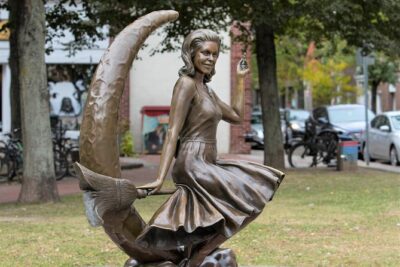
History and Hauntings of Salem Guided Walking Tour
Read our review →
New Orleans Premier Ghost, Voodoo and Vampire Walking Tour
Read our review →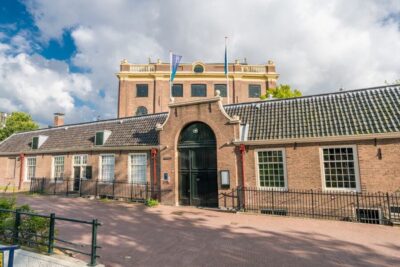
Amsterdam Anne Frank: Small-Group Walking Tour & Local Guide
Read our review →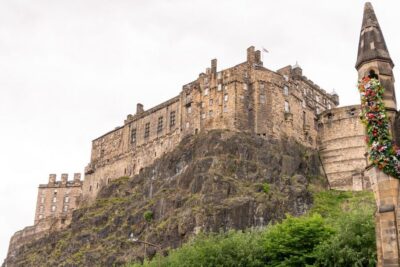
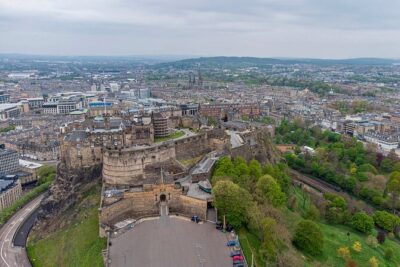
Edinburgh Castle: Guided Walking Tour with Entry Ticket
Read our review →