
REVIEW · HO CHI MINH CITY
Ho Chi Minh City private walking tours with young local volunteers
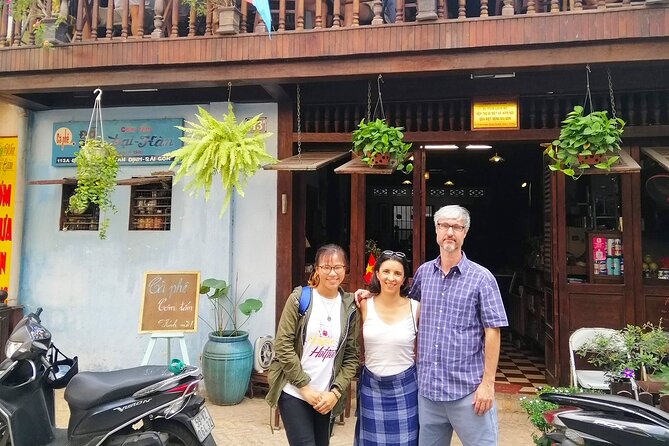
Ho Chi Minh City is easiest to understand from street level, and this private walk puts a local student beside you as you cross districts, slip into markets, sample coffee, and sort out the city’s layers. I like the one-to-one format and the chance to ask practical questions without holding up a group.
I also like the freedom to choose your focus. You can see the classic District 1 sights, explore Chinatown, follow a District 3 route filled with old cafés and wartime sites, or spend an evening around markets and local food. Guides such as Linh, Huy, Duyen, and My My have been praised for adapting plans to individual interests.
The main thing to consider is that this is a volunteer-led walking experience, not a polished sightseeing bus tour. Transport, drinks, and entrance fees cost extra, and guide availability can affect confirmation, so you should book with some flexibility.
Key points to know before you book
- Choose your own city angle: Pick central landmarks, Chinatown, offbeat District 3, or a night food route.
- Meet a young local guide: Guides including Linh, Huy, Duyen, Nhi, Minh Anh, and My My have led visitors through the city.
- Expect a private experience: Only your group takes part, allowing an easy pace and plenty of questions.
- Look beyond the main sights: Routes can include old coffee shops, apartment buildings, markets, secret war-era sites, and local churches.
- Budget for extras: The $36 price covers the guide service, but coffee, tea, transport, and attraction admission are not included.
- Allow for city conditions: The experience depends on good weather and a minimum number of participants.
A young local guide changes the way you see Saigon
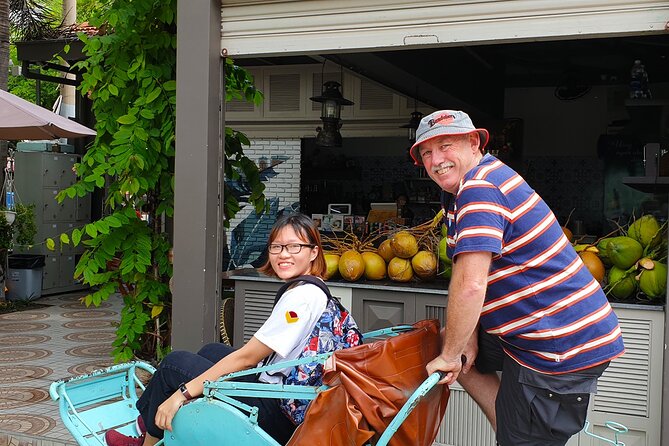
The strongest reason to choose this experience is the person walking beside you. A student guide can explain daily life in a direct, personal way that a standard sightseeing script often misses. You might ask how young people use a particular district, what a coffee shop means to local residents, or why one neighborhood feels different from the next.
The guides are not presented as professional historians, so you should expect a conversational city introduction rather than a formal lecture. That is part of the appeal. Linh, for example, has taken visitors to major sights while also helping them try Vietnamese coffee and local food. Huy has accompanied visitors through local markets, where the practical help of a patient guide matters as much as the facts.
Duyen has been praised for answering detailed questions about Ho Chi Minh City and the Vietnam War. Minh Anh and Thu Nhi have led visitors to an old café, a market known for its chessboard-like layout, and concealed wartime storage spaces. My My has adapted a very long day around District 1, Landmark 81, and the city’s evening bar area.
Those examples show the range of the service. You are not locked into a single script. Tell your guide what interests you, how much walking feels comfortable, and which places you have already seen. A good guide can then spend more time on the parts that feel fresh.
More Private Walking Tours in Ho Chi Minh City:
- Private Walking Grand Tour of Copenhagen
★ 5.0 · 3,953 reviews - Vienna: Private Walking Tour with a Local
★ 4.6 · 1,446 reviews - Barcelona Helicopter, Sailboat & Old Town Private Walking Tour
★ 5.0 · 1,395 reviews
District 1 gives you the classic first look
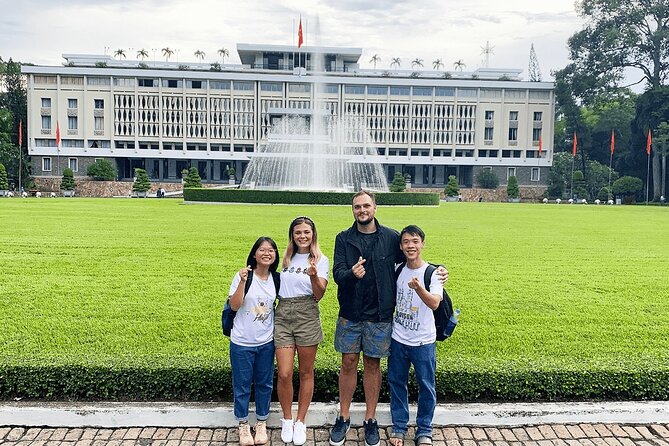
If this is your first time in Ho Chi Minh City, the District 1 option is the sensible starting point. The route can include the Independence Palace, Notre Dame Cathedral of Saigon, the Central Post Office, and other central sights.
The Independence Palace gives you a useful entry point into modern Vietnamese history. It is also a practical place to begin because it is the stated meeting point. From there, your guide can help you connect major sights instead of treating them as isolated photo stops.
Notre Dame Cathedral of Saigon and the Central Post Office sit within the same central sightseeing area. The cathedral is an important visual marker in the city, while the post office remains one of the most recognizable colonial-era buildings in central Saigon. You can see both from outside if you want to keep the walk moving, or ask about entrance arrangements where applicable.
Admission fees are not included, and some attractions may have their own operating rules. Ask your guide early which stops you plan to enter and which you will simply view from the street. That small conversation helps you avoid surprise costs and keeps the timing under control.
District 1 is the best choice if you want orientation, famous landmarks, and a manageable introduction. Its weakness is also clear: it is the most familiar route, so it may feel less personal if you have already spent time in the center. In that case, ask for District 3 or Chinatown instead.
Chinatown brings temples, old neighborhoods, and a different cultural rhythm
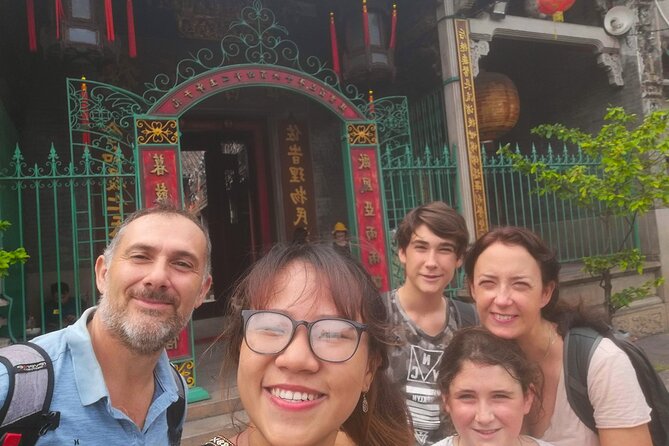
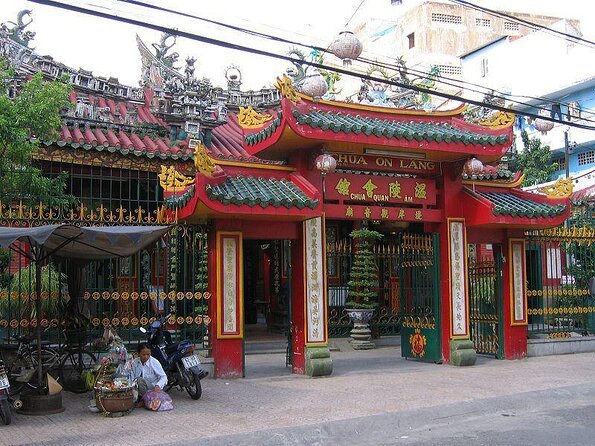
The Chinatown option centers on District 5, also known as Chợ Lớn. This part of the city offers a change in architecture, religious traditions, food, and street life. You can visit Ba Thien Hau Temple, Ong Bon Pagoda, Father Tam Church, and other places in the area.
Ba Thien Hau Temple is one of the route’s strongest cultural stops. A local guide can help you understand what you are looking at and explain how Chinese traditions remain part of the city’s identity. The value here is not just seeing an old building. It is noticing how worship, commerce, family life, and neighborhood history meet in the same streets.
Ong Bon Pagoda and Father Tam Church add contrast. You are not simply moving from one landmark to another in the same style. The route gives you a chance to see how several cultural traditions share the city.
Chinatown is a good choice for repeat visits or for anyone who prefers neighborhood character to famous postcard views. It can also be more demanding than the central route because you may spend longer on foot among markets and side streets. Wear comfortable shoes, carry water, and tell your guide if you need regular breaks.
The guide’s local connection matters here. A student such as Linh or Huy can make the area easier to read, especially when you want to ask about food, family customs, or the meaning of a temple rather than simply take photographs.
District 3 is the choice for old cafés and wartime stories
The District 3 route is called the Inside Out option, and it is likely the most distinctive choice for anyone who wants the city beyond its standard landmarks. Possible stops include Cheo Leo and Do Phu cafés, the Secret Weapon Cellar, and Tan Dinh Church, often called the pink church.
Cheo Leo Café is associated with old-style Saigon coffee culture. A stop here gives you a place to sit, cool down, and ask your guide what coffee means in everyday city life. Coffee and tea are not included, so budget for your own drink. That is a small extra cost, but it can be one of the more memorable parts of a walking day.
The Secret Weapon Cellar adds a serious historical dimension. The experience can include concealed spaces connected with wartime activity, including hidden trap doors and storage areas. This is the kind of stop that gives physical shape to history. You are not only hearing about the war in a museum setting. You are seeing how ordinary-looking buildings could have served another purpose.
Tan Dinh Church brings a striking architectural pause to the route. Its pink exterior makes it easy to recognize, but your guide can help place it within the wider story of District 3 rather than leaving it as a quick photo stop.
Duyen has been praised for handling detailed questions about Ho Chi Minh City and wartime history. If that subject matters to you, make it clear when you book or when you first meet your guide. The student-led format works best when you arrive with curiosity and specific questions.
This option may suit you more than District 1 if you have already seen the cathedral, post office, and palace. It is also a good match for visitors who prefer small cafés, local streets, and historical details to a standard list of major attractions.
A few more walking tours around Ho Chi Minh City worth a look
- Private Street Food Evening Walking Tour in Ho Chi Minh City
★ 5.0 · 3,175 reviews - Super Niche Walking Street Food Tour in Ho Chi Minh City
★ 5.0 · 1,636 reviews - Ho Chi Minh City: Walking Food Tour with 13 Tastings
★ 5.0 · 469 reviews - Ho Chi Minh City: Super Niche Walking Street Food Tour
★ 5.0 · 438 reviews
District 10 turns the walk into an evening food outing
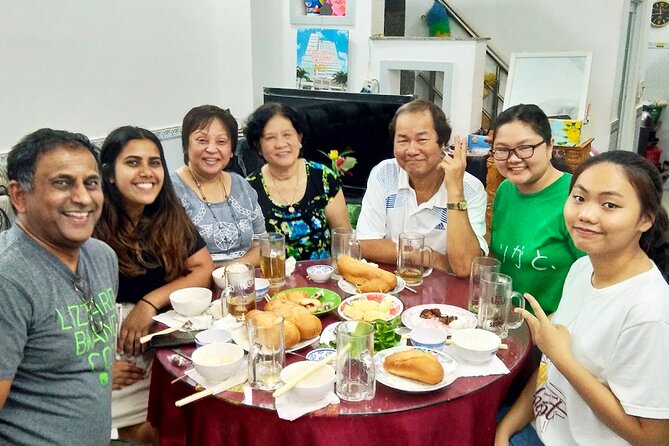
The District 10 option is built around food and nighttime city life. Stops can include Ho Thi Ky Flower Market, the apartment buildings on Nguyen Thien Thuat, and local dishes chosen with your guide.
Ho Thi Ky Flower Market gives the route a different mood from the central sights. Flowers, market activity, and evening movement create a setting where you can watch ordinary city commerce rather than simply visit a monument. Your guide can help you navigate the area and point out foods worth trying.
Nguyen Thien Thuat’s apartment buildings offer another look at how people live in the city. The interest here is architectural and social. Older apartment blocks can reveal how limited space, shops, homes, and shared areas fit together in daily life.
The food itself is not included, so you should expect to pay directly for anything you eat or drink. That is not a flaw, but it does mean the final cost depends on your choices. Ask about prices before ordering if you want to keep spending predictable.
This route makes the most sense after the heat of the day has eased, although the experience operates from 9 a.m. to 9 p.m. and exact timing depends on the arrangement. If your priority is Vietnamese coffee, street food, and local markets, District 10 may be the most rewarding option. If you want major historical sights, choose District 1 or District 3.
Private pacing is the real luxury here
The advertised price is $36, which is appealing for a private city introduction, especially when you value flexibility more than a fixed group route. The fee covers the guide service. It does not cover private transportation, drinks, or attraction entrance fees.
That distinction matters. You may pay very little beyond the guide fee if you stay on foot and visit places from the outside. You will spend more if you use taxis, enter paid attractions, or stop for coffee and meals. Confirm how the $36 applies to your booking, since the supplied details do not make clear whether the amount is per person or for the whole group.
The private format means only your group participates. You can pause for photographs, change a stop, ask for a food break, or skip a place you have already seen. Several guides have adjusted routes in response to personal interests, including Landmark 81, book streets, parks, markets, and evening entertainment areas.
Pickup is offered, but the stated start point is Independence Palace in Ben Thanh, District 1. Confirm the meeting arrangement before the day of the walk. Private transport is not included, so a hotel pickup does not necessarily mean a private vehicle is provided.
The experience can last from about two to eight hours, with the listed route choices described as roughly three hours. Some arrangements may run much longer when you request several districts or a full day. My My, for example, has accompanied a group from morning into the evening. Do not book an evening commitment too tightly against the end time.
What to expect from student-led service
The guides are young local volunteers, and that affects the tone. You are likely to get enthusiasm, personal stories, and a willingness to adjust the day. You should not expect the same depth or consistency you would get from a senior licensed guide with a fixed professional script.
English ability can vary by guide, but Linh has been described as speaking excellent English, and several guides have been praised for clear conversation and patience. If you have complex historical questions, ask them directly and give your guide time to answer. The best results come from treating the walk as an exchange rather than a one-way lecture.
This arrangement can also be meaningful on both sides. You learn about the city, while your guide gains practice speaking with people from other countries and hearing different views. That does not replace quality, but it helps explain why the most successful walks feel relaxed and personal.
There has been at least one serious concern involving a last-minute cancellation. Since availability depends on volunteers and a minimum number of participants may be required, confirm your booking promptly and keep an eye on messages before the tour. The overall satisfaction rate is high, but no booking is entirely free of scheduling risk.
Practical advice for a smoother walk
Start by choosing one clear theme. District 1 works for first-time orientation. District 5 suits temples and Chinese-Vietnamese culture. District 3 fits cafés and wartime history. District 10 is best for food and evening markets.
Wear comfortable shoes and bring water. The city is warm, traffic is heavy, and even a short route can feel tiring when you stop often or cross several neighborhoods. A private guide can slow the pace, but the streets remain the streets.
Tell your guide about food preferences before a market or dinner-focused walk. One booking was arranged around preferred foods several days in advance, which is a useful example of what early communication can achieve. If you want vegan food, coffee, local sweets, or a particular regional dish, say so before the meeting.
If you have already seen one of the main sights, tell your guide at once. The flexible format has its greatest value when you avoid repeating places and use the time for something new. You might ask for an old café, a local market, a park, a book street, or a neighborhood you would not confidently reach alone.
The tour is near public transportation, and most people can participate. Still, you should be realistic about heat, pavement, traffic, and walking distance. If rain threatens, the activity may be moved or refunded. The same applies if the minimum number of participants is not reached.
Free cancellation is available up to 24 hours before the start time. Later cancellations and changes are not refunded under the stated policy.
Should you book this Ho Chi Minh City walk?
Book it if you want a flexible local introduction and like the idea of exploring with a young Vietnamese guide rather than following a fixed group script. It is particularly good for first-time visitors who need orientation, repeat visitors who want District 3 or District 5, and curious eaters who want help choosing local food.
Think twice if you need guaranteed departure, a formal historical lecture, included transportation, or a fully packaged price. The volunteer model brings warmth and adaptability, but it also brings some uncertainty around guide availability and scheduling.
For the best value, choose one district and tell your guide exactly what you want before meeting. If you are staying several days, consider taking the walk early in your visit, then returning to the cafés, markets, or food areas that caught your interest. At $36, with extras kept under control, this can be a practical way to get your bearings and see a more personal side of Ho Chi Minh City.
FAQ
Where does the tour start?
The stated meeting point is Independence Palace in Ben Thanh, District 1, Ho Chi Minh City. Pickup is also offered, so confirm the arrangement with the provider before the tour.
How long does the walking tour last?
The experience lasts approximately two to eight hours. The individual route choices are described as about three hours, while customized arrangements can last longer.
Is the tour private?
Yes. Only your group participates, allowing you to set the pace and customize the places you visit with your guide.
What does the $36 price include?
The price includes tour-guide service. Coffee, tea, private transportation, and attraction entrance fees are not included.
Can I choose which parts of Ho Chi Minh City to visit?
Yes. Available choices include District 1, Chinatown in District 5, District 3, and a District 10 night food route. You can also discuss your interests with the guide.
What happens if the weather is poor or the minimum number is not reached?
You will be offered a different date or experience, or a full refund, if the activity is canceled because of poor weather or because the minimum number of participants is not met.
Just added around Ho Chi Minh City
- Saigon’s Hidden Flavors – Private Street Food Walk with Local Students★ 5.0 · 301 reviews
- Saigon Street Food & Hidden Alleys by Scooter – 7/9/12 Tastings★ 5.0 · 235 reviews
- Vegan Walk Not Just Vegan Food★ 5.0 · 266 reviews
- Ho Chi Minh City: Highlights & Hidden Gems – Free Walking Tour★ 5.0 · 194 reviews
- Saigon Evening Walking Street Food Tour★ 5.0 · 272 reviews
- Ho Chi Minh City: Street Food Walking Tour with 12 Tastings★ 5.0 · 128 reviews
- Saigon Authentic Walking Street Food Tour 12+ Tastings Included★ 5.0 · 88 reviews
- Walking Street Food Evening Safari with 20 tastings★ 5.0 · 88 reviews
Private Walking Tours, compared.
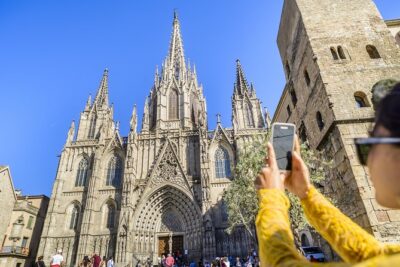
Barcelona Helicopter, Sailboat & Old Town Private Walking Tour
Read our review →
Lyon: Private Walking Tour of “Traboules” in the Old Town
Read our review →
Browse the lists this tour appears in