REVIEW · WALKING TOURS
Bogotá: Guided La Candelaria Walking Tour
La Candelaria packs Bogotá’s past into steep streets, painted walls, old churches, museums, markets, and grand civic squares. This walking tour gives you a local guide to connect those pieces, from La Concordia market and its unusual fruits to Bolívar Square and Colombia’s difficult political story.
I like the mix of history and food. You are not only looking at buildings; you are tasting fruit, coffee, chocolate, or coca tea and learning about Colombia’s biodiversity. I also like the small-group feel and the guides’ practical advice, with names such as Leslie, Juana, Luis, José, and Bernardo praised for clear English, energy, and useful recommendations. The main drawback is that the included food is a tasting, not a meal, so bring a snack if you need lunch.
Key points at a glance
- La Concordia market: Meet local life through fruit tasting and a less polished side of central Bogotá.
- Street art with context: See La Candelaria’s painted alleys while learning how art connects with Colombian society.
- Bolívar Square and Carrera Séptima: Visit major civic spaces tied to Bogotá’s social and political past.
- Several tasting stops: Expect local fruit, with coffee, chocolate, or coca tea included on some outings.
- Flexible group sizes: Small groups are available, and some departures may have only a few people.
- Strong value at $16: The price covers a guide, walking tour, and food tasting, but not a full meal or every museum admission.
Why La Candelaria is the right place to start
If you have only just arrived in Bogotá, La Candelaria is a useful first lesson. The neighborhood brings together colonial houses, Baroque details, Art Deco buildings, public institutions, museums, narrow lanes, and modern street art. You can see the city changing from block to block.
That mixture is the point. The tour does not treat Bogotá as a collection of isolated sights. Instead, your guide explains how the old center still functions as part of a living city. You get architecture, politics, art, food, and everyday life in one walk.
I would book this near the start of your stay. Guides such as Bernardo, Luis, Leslie, and José have helped visitors decide what to see and where to eat afterward. That advice can make the rest of your time in Bogotá easier to plan.
The tour is offered in English or Spanish. A small group is available, and the exact meeting point depends on the option you choose, so check your booking details carefully before setting out.
More Guided Tours in the world:
- Magical London: Harry Potter Guided Walking Tour
★ 4.7 · 22,044 reviews - History and Hauntings of Salem Guided Walking Tour
★ 5.0 · 14,564 reviews - Amsterdam Anne Frank: Small-Group Walking Tour & Local Guide
★ 4.8 · 12,789 reviews
Walking through La Candelaria’s changing architecture
The first part of the walk focuses on the visual character of La Candelaria. You will pass colonial homes and older civic buildings, then notice Baroque and Art Deco touches nearby. The appeal is not one perfect street. It is the contrast between different periods sitting close together.
Keep your camera ready, but do not spend the whole time looking through it. The guide’s explanation is what turns a collection of colorful doors and old façades into a picture of Bogotá’s growth.
The streets can be uneven and the tour involves several hours on foot. Comfortable shoes are essential. Sunscreen and water also belong in your day bag, since the outing runs in all weather and the high-altitude sun can catch you even when the air feels cool.
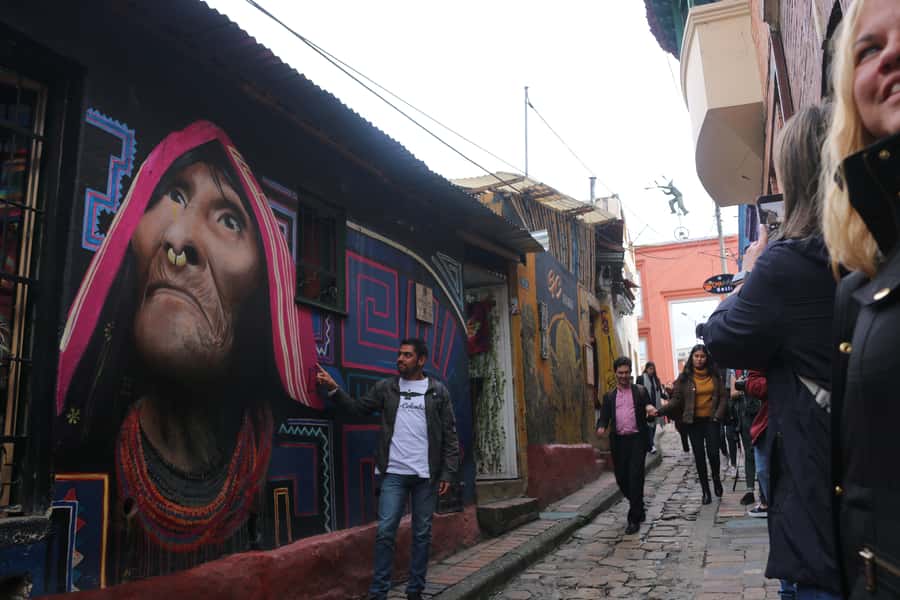
Street art is another major part of the route. La Candelaria’s walls are full of large, detailed works, and the guide explains more than what is simply visible. You may learn about artists, social issues, and the way public art has shaped the district’s identity.
This is one of the strongest parts of the experience for people who want more than a standard monument checklist. The art gives you a way to discuss present-day Colombia, not only its colonial past.
La Concordia market and the taste of Colombia
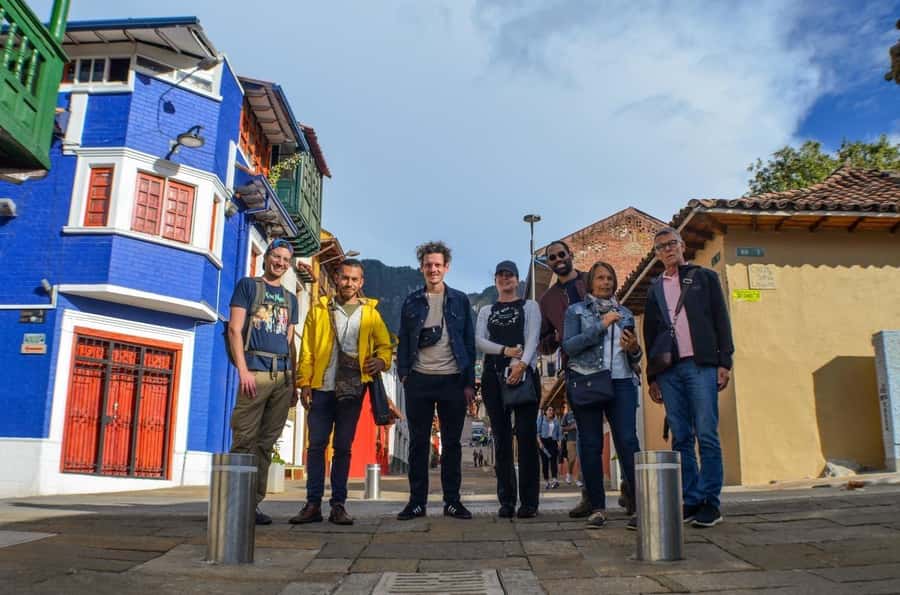
The visit to La Concordia market adds a welcome change of pace. After looking at buildings and murals, you enter a place where locals shop, talk, and handle produce. It feels less formal than a museum or square, and that makes it useful for seeing another side of central Bogotá.
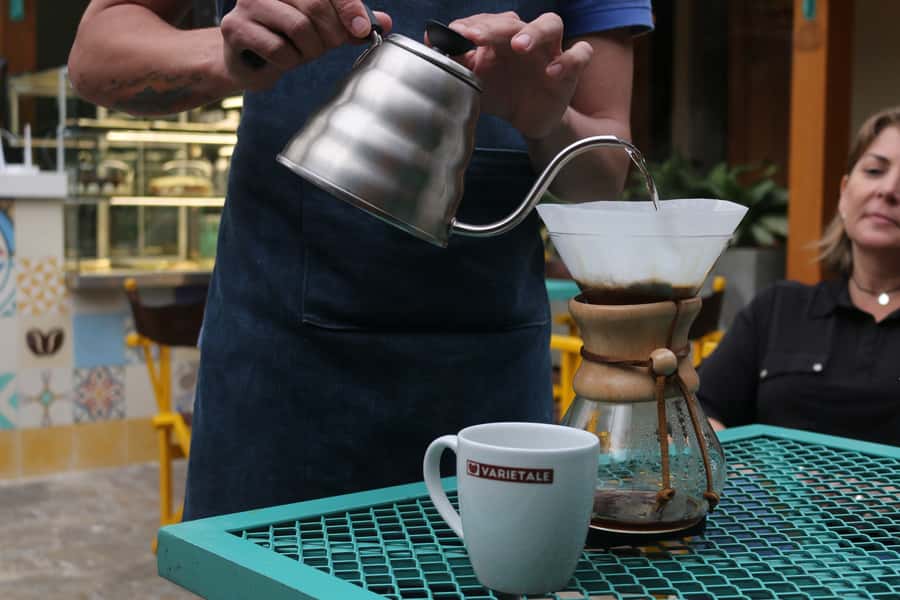
The fruit tasting is small but worthwhile. Colombia’s geography supports a wide range of produce, and the guide uses the tasting to explain the country’s climate and biodiversity. You may encounter fruit you have never seen at home, with the guide explaining what it is and how it is usually enjoyed.
Some outings also include coffee, chocolate, or coca tea. The exact selection can vary, so think of this as a set of local samples rather than a fixed meal. One practical point matters here: food is included, but the portion is light. If you are booking the three-hour version around lunchtime, carry something extra.
The market visit also gives you a chance to ask questions about ordinary life. A good guide can explain what you are seeing without turning the stop into a lecture. Christian, Juana, and Liz are among the guides praised for keeping the group engaged and making the tasting feel connected to the city.
Bolívar Square and Colombia’s complicated past
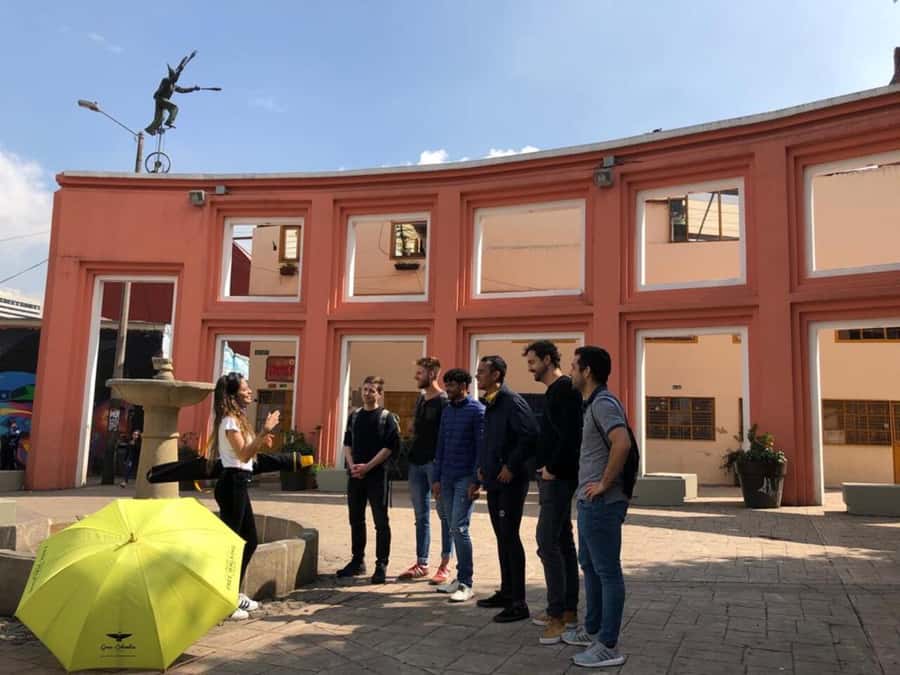
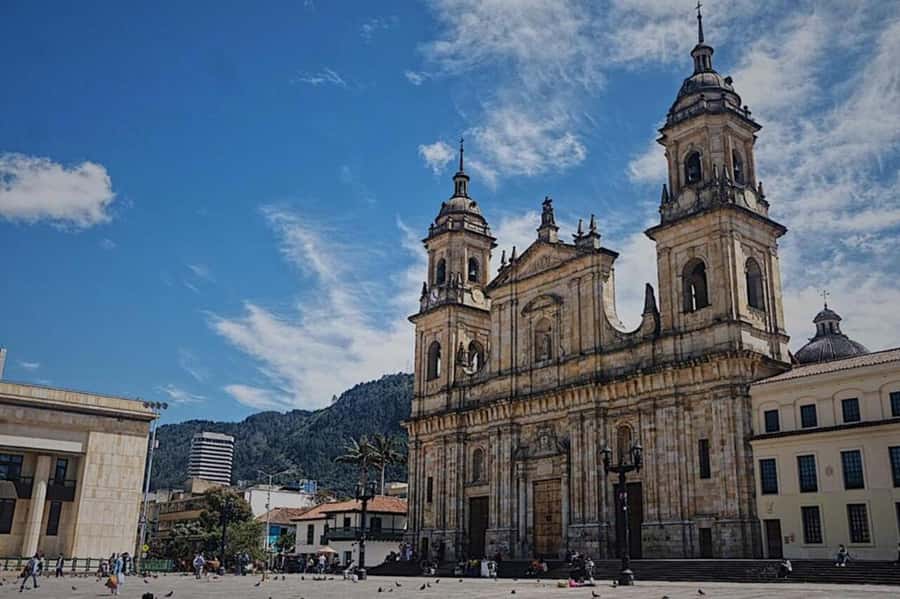
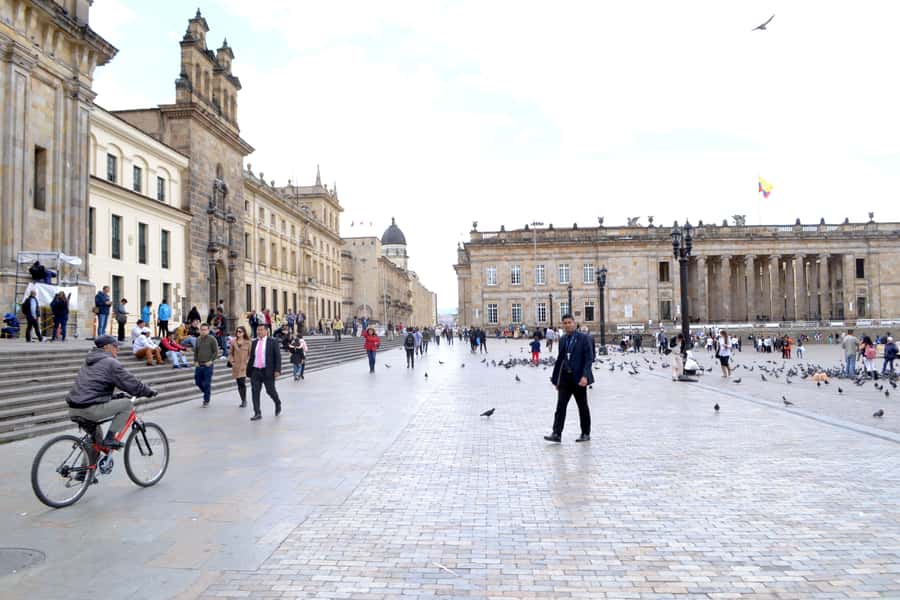
The route continues toward Bolívar Square, one of Bogotá’s key public spaces. This is where the tour shifts from neighborhood character to national events. Your guide discusses major moments in Colombia’s social and political past and explains why the square matters.
Do not expect a simple story with easy heroes and villains. Colombia’s past is complex, and the best part of this stop is the short, clear overview. Colin specifically appreciated a concise explanation of the country’s recent history, while other visitors valued guides who answered questions about people, culture, and politics.
The square also helps you understand Bogotá’s civic center. Rather than viewing it as just a photo stop, you hear how public spaces can reflect power, conflict, and national identity. The guide’s explanation is especially useful if you are new to Colombia and want basic context before visiting more museums.
The pace matters here. A rushed guide could point out the buildings and move on. Guides such as Juana, Luis, and Bernardo have been praised for allowing questions and keeping the walk relaxed. That makes the historical material easier to absorb.
A few more walking tours around the world worth a look
- Reykjavik Food Walk – Local Foodie Adventure in Iceland
★ 5.0 · 18,952 reviews - New Orleans Premier Ghost, Voodoo and Vampire Walking Tour
★ 4.5 · 12,856 reviews - Edinburgh: Harry Potter Magical Guided Walking Tour
★ 4.8 · 11,944 reviews - Edinburgh Castle: Guided Walking Tour with Entry Ticket
★ 4.7 · 11,699 reviews
Carrera Séptima, museums, and extra stops
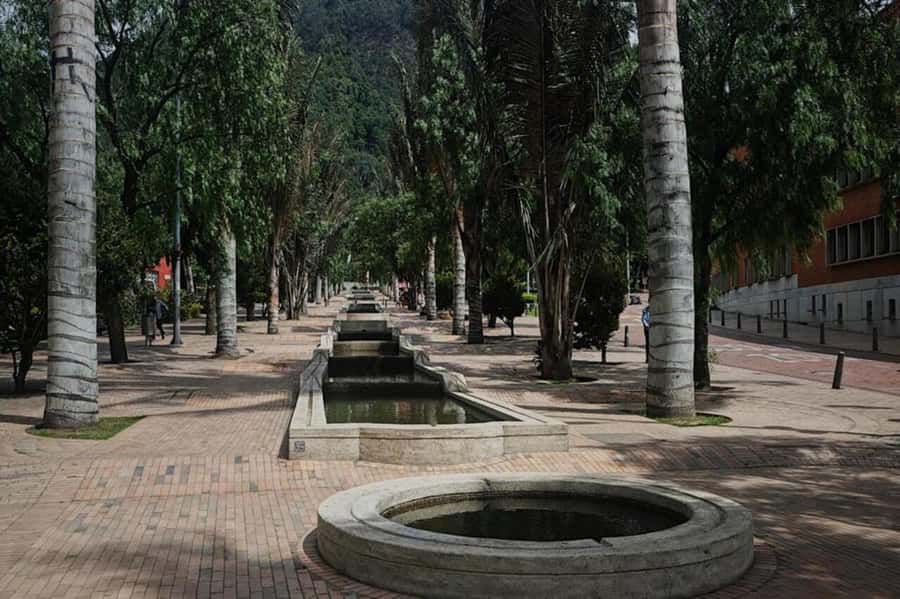
The walk includes Carrera Séptima, one of the city’s main central routes. The precise stops may vary by departure, but the itinerary links the old district with central Bogotá and places near the Gold Museum.
The Gold Museum is not necessarily an included museum visit, but the guide explains why it deserves your time. That is useful because Bogotá has many cultural sights, and it can be hard to decide which ones are worth paying for after the walking tour.
Some outings may also include an extra stop at the Botero Museum. Treat that as a possible bonus rather than a guaranteed part of every departure. If it matters to you, confirm the details when booking.
The museums and central streets add depth to the tour’s main themes. La Candelaria is not just attractive architecture. It is a place where art, indigenous culture, politics, and public memory meet. The guide helps you see those links without requiring you to spend the whole day indoors.
A three-hour outing can cover a surprising amount of ground. Several people found that the time passed quickly, which is a good sign for anyone worried about a long walking tour. The longer options can last from three to seven hours, so check the exact duration and starting time for the option you select.
The guides make the difference
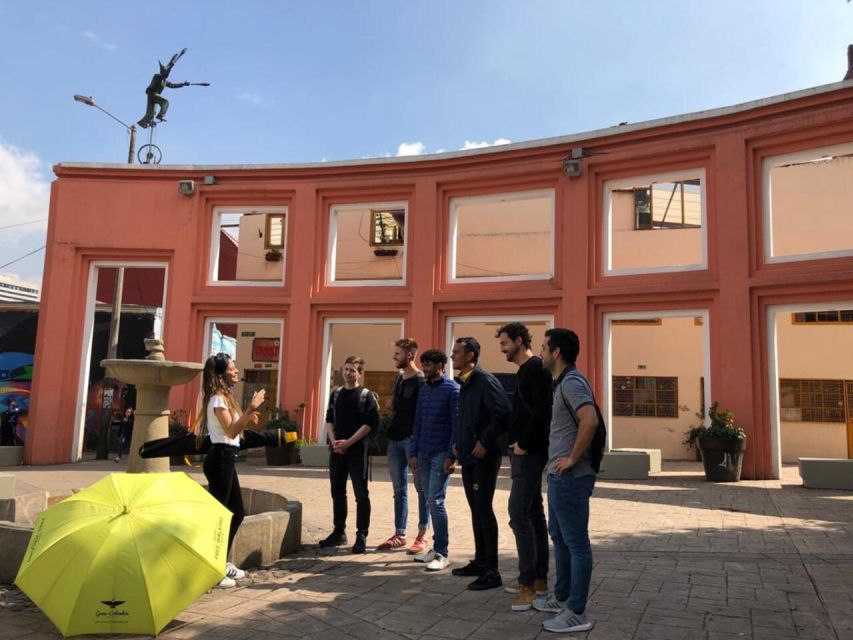
The route matters, but the guide is the heart of this experience. The strongest praise goes to guides who combine clear English with local insight and an easy way of handling questions.
Leslie has been praised for strong recommendations and for explaining Colombian culture in a small group. Luis has been noted for covering Bogotá’s main sights while adding fruit, coffee, and local context. José has been appreciated for positive energy and for linking important places to the city’s past.
Other guide names that appear in the feedback include Juana, Bernardo, Sara, Liz, Christian, Roberto, Gerard, Cris, and Lizeth. Their styles will not be identical, and your guide is assigned according to the departure you book. Still, the pattern is clear: the experience depends less on a scripted performance than on having someone who can explain Bogotá in a natural way.
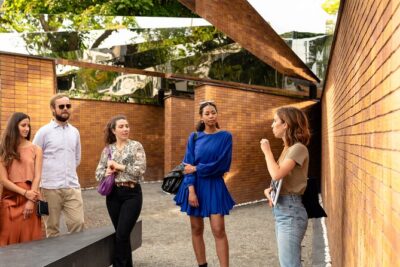
Small groups are a real advantage. You can hear the guide more easily, ask follow-up questions, and keep a reasonable pace. One outing had only three people, while another became a private-feeling walk when just one guest remained. Larger groups may feel less personal, but the small-group option is available.
How much value do you get for $16?
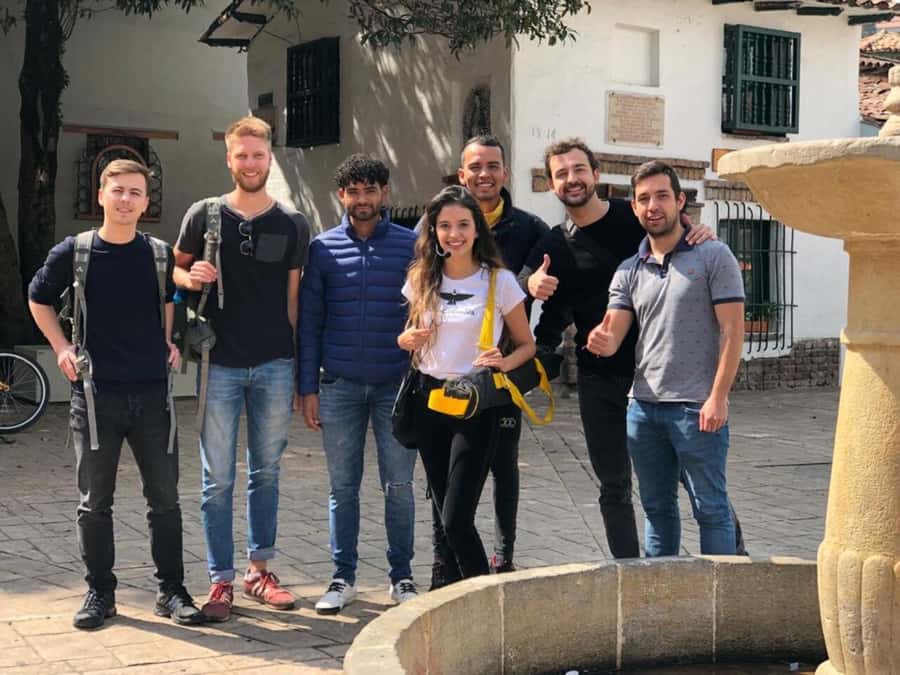
At $16 per person, this is an inexpensive way to get oriented in central Bogotá. The price includes the walking tour, guide, and food tasting. You are paying mainly for interpretation and local direction, not for expensive admissions or transport.
That distinction is important. You should not compare it with a full-day private tour that includes museum tickets, hotel pickup, and a restaurant meal. You are getting a guided introduction to La Candelaria, a few tastings, and a route through important central sights.
I consider the value strong if you are a first-time visitor. A guide can help you understand what you are seeing, point out places you might otherwise walk past, and suggest what to do next. The price also makes it easy to add to a short Bogotá stay.
The food portion is the one area where expectations need adjusting. Fruit and perhaps coffee, chocolate, or coca tea are a pleasant addition, but this will not replace breakfast or lunch. One visitor specifically wished for more food around the market. Bring a snack and you will avoid the only obvious value complaint.
Tips are not listed as included. If your guide gives you a good introduction and useful advice for the rest of your stay, budget separately for a tip.
What to bring and how to pace yourself
Wear shoes that can handle several hours of city walking. The tour takes place in all weather, so a light rain layer may be sensible, though the supplied information specifically recommends comfortable shoes, sunscreen, and water.
Bring a camera, but also leave room in your attention for the guide. The street art, market produce, architecture, and public squares all provide good photographs, yet the explanations are the reason to choose a guided walk instead of wandering alone.
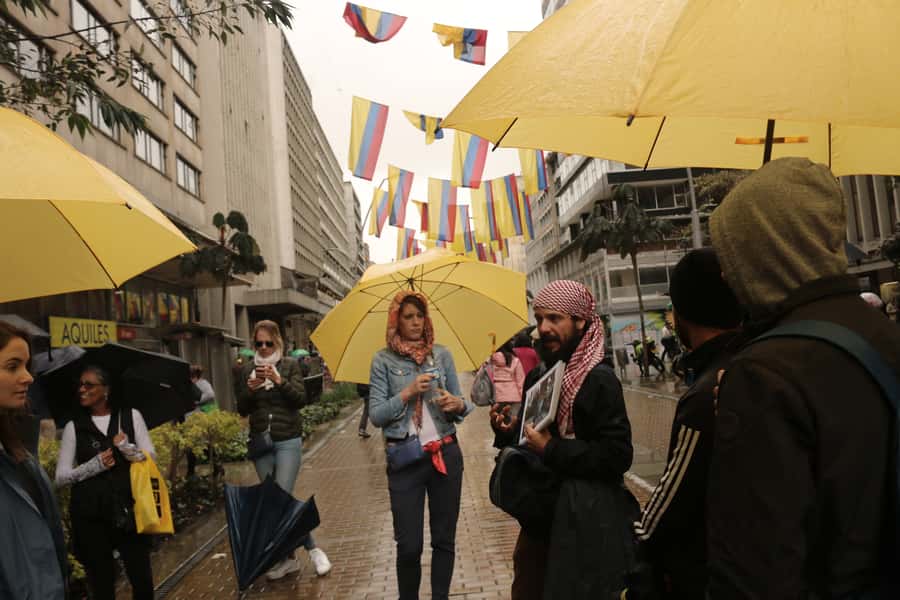
The meeting point may change with the option booked. Check it in advance, and allow enough time to find the group. Some departures are identified by a yellow umbrella, which can make the meeting easier, but do not rely on that unless your booking details confirm it.
You can also add a bike tour and do both activities on the same day. That pairing makes sense if you want a broad look at Bogotá by bicycle and a closer look at La Candelaria on foot. It will make for a long day, so consider your energy before booking both.
Who should book this walk?
I would recommend it most strongly to first-time visitors, solo travelers, couples, and anyone who wants a quick sense of how Bogotá fits together. It is also a good choice if you arrive with limited time or find yourself in the city for only a couple of nights.
The walk suits people who enjoy questions and conversation. You will get more from it if you want to understand why a building, market, mural, or square matters rather than simply photograph it.
Families with older children may like the fruit tasting and street art, though everyone in the group should be ready for several hours on foot. If you dislike walking, need a full meal, or want guaranteed museum entry, this is not the right format.
The tour also works well for returning visitors who want a different view of the center. A local guide can take you toward less touristy parts of the district and offer cultural details you might miss on a first independent walk.
Should you book the La Candelaria walking tour?
Book it if you want an affordable, friendly introduction to Bogotá that combines major sights with local food and honest historical context. The best reasons are the guides, the small-group option, the market stop, and the way the route links architecture, street art, politics, and daily life.
Go in with realistic expectations. The tastings are modest, the duration varies by option, the route can be tiring, and museum visits are not guaranteed. Bring water, sunscreen, comfortable shoes, and a snack.
For $16, I think this is a smart first-day choice. It gives you a map in your head, a better sense of La Candelaria, and useful ideas for the rest of your time in Bogotá.
FAQ
Where does the Bogotá walking tour take place?
The tour takes place mainly in Bogotá’s La Candelaria and central areas, including La Concordia market, Carrera Séptima, and Bolívar Square.
How long does the tour last?
The available duration ranges from three to seven hours. Check the available options for the exact duration and starting time.
What languages are available?
The tour is offered in English and Spanish.
Is this a private tour?
A small-group option is available. The exact group size depends on the option and departure you book.
What food is included?
A food tasting is included. The experience focuses on local fruits, and some outings also include coffee, chocolate, or coca tea.
Is the food tasting a full meal?
No. The tasting is a light food experience, so bring a snack if you expect to need a full meal during the tour.
Which main sights are included?
The route includes La Concordia market, Carrera Séptima, Bolívar Square, streets in La Candelaria, and areas near the Gold Museum.
Is entry to the Gold Museum included?
The guide passes by the Gold Museum and explains why it is worth visiting. Museum admission is not listed as included.
Can I add a bike tour?
Yes. You can add a bike tour and take both activities on the same day.
What should I bring?
Bring comfortable shoes, a camera, sunscreen, and water. The tour operates in all weather conditions.
Can I cancel the booking?
You can cancel up to 24 hours in advance for a full refund. A reserve-now-and-pay-later option is also available.
Just added around the world
- Fira: Guided Foodie Walking Tour with Tastings★ 4.9 · 474 reviews
- Fez: Guided Walking Tour of the Historic Medina★ 5.0 · 359 reviews
- Fez: Walking Tour in the Ancient City of Fez★ 4.8 · 73 reviews
- Faro: Old Town Guided Walking Food Tour★ 4.9 · 94 reviews
- Feel like a local – Walking Tour in Mykonos Town 2hours★ 4.4 · 77 reviews
- Fes: A Guided Walking Tour Through the Historic Medina★ 4.4 · 97 reviews
- Fez: Half-Day City Private Walking Tour with a Guide★ 4.6 · 114 reviews
- Fanal / Assobiadores – Levada Walk★ 4.6 · 93 reviews
Walking Tours, compared.
Magical London: Harry Potter Guided Walking Tour
Read our review →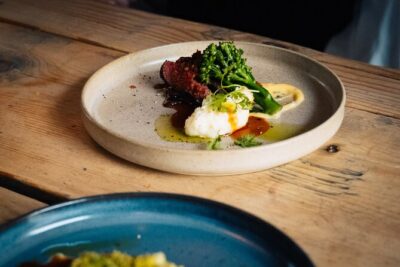
Reykjavik Food Walk – Local Foodie Adventure in Iceland
Read our review →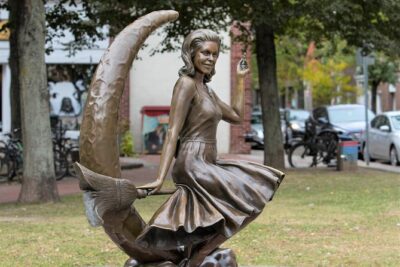
History and Hauntings of Salem Guided Walking Tour
Read our review →
New Orleans Premier Ghost, Voodoo and Vampire Walking Tour
Read our review →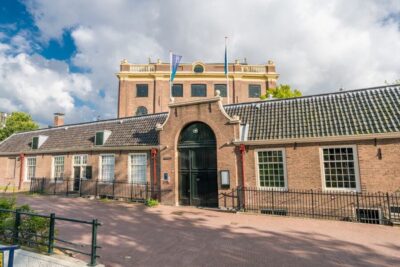
Amsterdam Anne Frank: Small-Group Walking Tour & Local Guide
Read our review →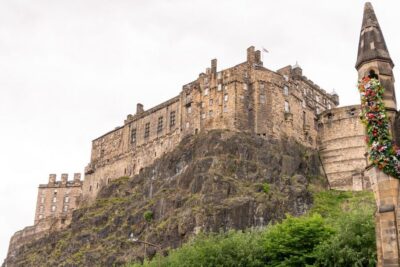

Edinburgh Castle: Guided Walking Tour with Entry Ticket
Read our review →