REVIEW · WALKING TOURS
Sofia: City Monuments Guided Walking Tour with Audio Guide
Sofia packs Roman ruins, Orthodox churches, a synagogue, grand civic buildings, and communist-era traces into a compact center. This two-hour walk lets you cover more than 20 sights without having to crowd around a guide or strain to hear beside a busy road.
I like two things in particular: you can enter several important churches, and the personal headset lets you listen in your own language while taking photographs or walking a few steps away. The main consideration is pace. You see a lot, but this is an overview rather than a long visit inside each monument.
Key points to know before booking
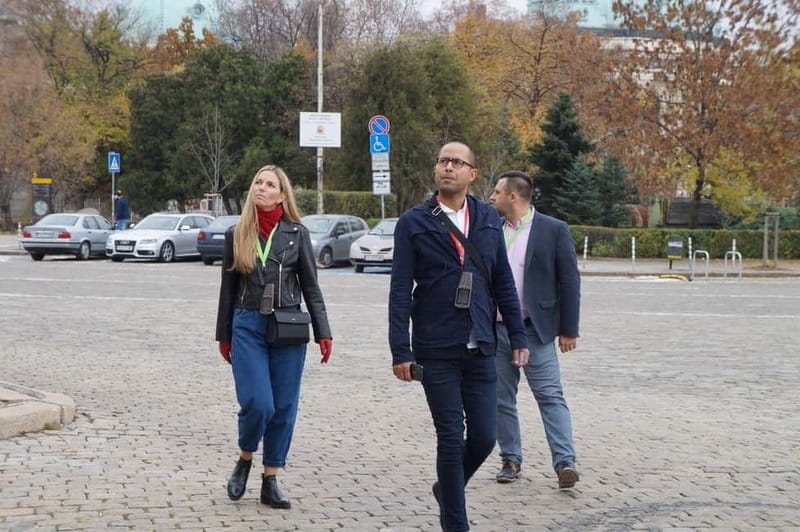
- A personal audio guide reduces street noise: You listen through headphones while the guide leads the group through central Sofia.
- Several religious buildings are visited inside: The route includes the Russian Church, Alexander Nevsky Cathedral, St. Sophia Church, and St. George Rotunda Church.
- The route ends at the Presidency: If timing lines up, you can watch and record the changing of the presidential guard.
- Seven audio languages are available: English, French, Spanish, Italian, Russian, Bulgarian, and German.
- The live guide speaks three languages: The in-person guide provides support in English, Russian, or Bulgarian.
- The $17 price is strong for a first look: You cover many central sights in two hours, though you will want a separate visit for any site that catches your imagination.
Starting beside Ivan Vazov National Theater
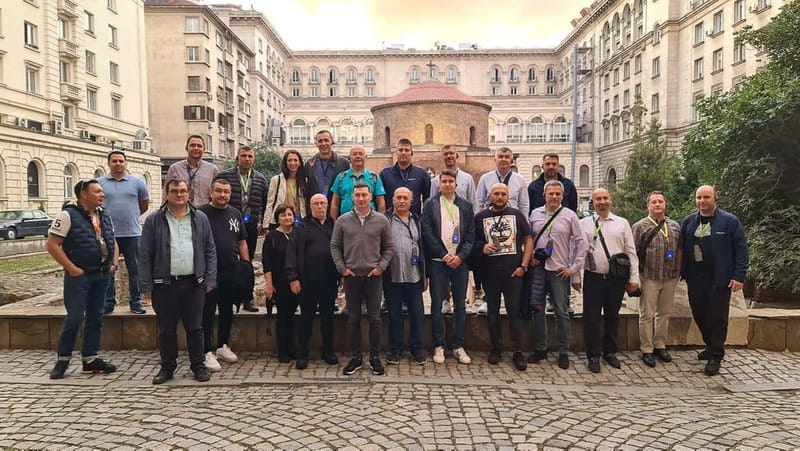
Meet near the main entrance of the Ivan Vazov National Theater. The guide carries the audio devices, making the meeting point fairly easy to spot, but arrive with enough time to collect your headset and learn how it works.
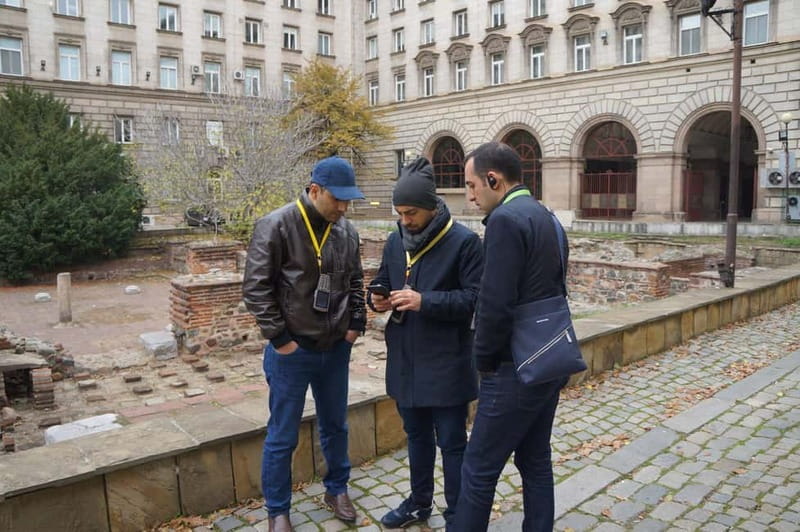
The system is one of the useful features here. At many stops, the guide indicates the correct number to press, and you listen through your own headphones rather than standing shoulder to shoulder with the group. The advertised listening range reaches up to 200 meters, which gives you room to frame a photograph or look around without losing the explanation.
That freedom also changes the feel of the walk. You are not dependent on every word from a guide speaking over traffic. At the same time, the audio format can feel a little solitary, especially if you prefer a lively conversation at every stop. The live guide remains important for keeping everyone together, answering questions, and pointing out where to stand.
Guides named in the feedback include Alex, Antonina, Toni, Joanna, Nickola, Gabrielle, Gabriel, Stephy, Sophie, and others. The experience can vary slightly with the individual guide, but the most useful pattern is clear: the guide leads the route, manages the audio system, and adds personal explanations rather than delivering every detail face to face.
More Guided Tours in the world:
- Magical London: Harry Potter Guided Walking Tour
★ 4.7 · 22,044 reviews - History and Hauntings of Salem Guided Walking Tour
★ 5.0 · 14,564 reviews - Amsterdam Anne Frank: Small-Group Walking Tour & Local Guide
★ 4.8 · 12,789 reviews
The Russian Church and the first city views
The Russian Church, formally associated with St. Nicholas, is an early highlight. Its compact scale and distinctive exterior make it a good contrast to the much larger Alexander Nevsky Cathedral later in the walk.
You are scheduled to spend about ten minutes here, including time inside. That is enough to appreciate the setting and listen to the explanation, but not enough for a slow architectural study. Keep your camera ready, but remember that active religious buildings require respectful behavior.
The group then pauses at a viewpoint for photographs before reaching the Monument to the Tsar Liberator. These short stops help break up the walk. They also show the tour’s general rhythm: a major sight, a brief explanation, time for pictures, then onward to the next part of central Sofia.
Alexander Nevsky Cathedral and the Unknown Soldier
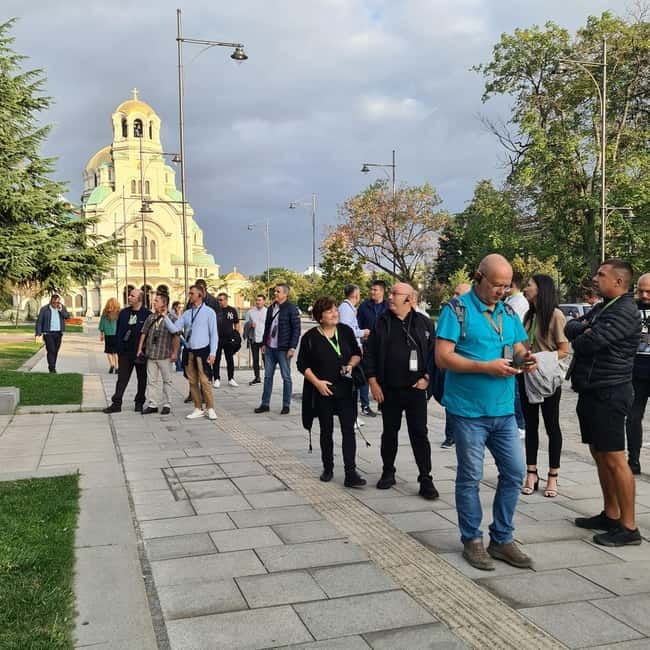
Alexander Nevsky Cathedral is the visual centerpiece of the route. Its scale, domes, and ornate decoration give you the grandest church experience of the morning or afternoon. The planned visit lasts about 13 minutes, making it one of the longer stops.
You will have time to go inside and hear the historical background through the audio guide. I would treat this as an introduction rather than a full cathedral visit. If the interior interests you, note the details that deserve a return visit, since the tour has many more stops still ahead.
Nearby, the Monument of the Unknown Soldier offers a quieter, more ceremonial pause. The stop is brief, around three minutes, but it adds political and military memory to a route otherwise dominated by churches and ancient remains.
This pairing works well. The cathedral shows Bulgaria’s national and religious identity through monumental architecture, while the Unknown Soldier focuses attention on remembrance and the modern state.
St. Sophia Church and Sofia’s older layers
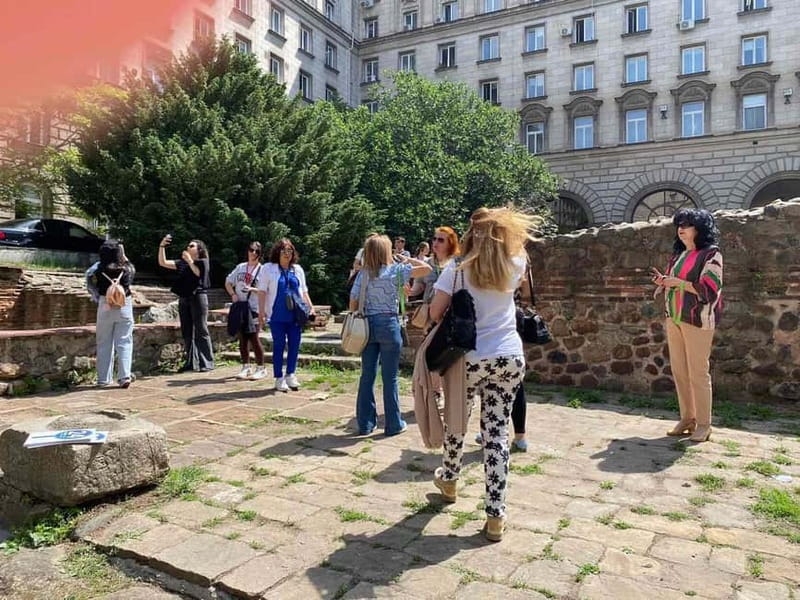
St. Sophia Church gives the tour another chance to enter a working historic church. Its name is closely tied to the city itself, and the building helps explain why Sofia has accumulated so many layers beneath its present streets.
The visit is planned for roughly six minutes. That is enough to look around and follow the audio explanation, though you may feel rushed if you want to examine every detail. The tour’s strength is the connection between places. You are not simply moving from one attractive building to another. You are seeing how religious, civic, and ancient remains share the same small central area.
From here, the route turns toward the remains of ancient Serdica. Sofia’s earlier names and identities are part of the story, and the audio guide helps connect the Roman city to the modern capital you are walking through today.
A few more walking tours around the world worth a look
- Reykjavik Food Walk – Local Foodie Adventure in Iceland
★ 5.0 · 18,952 reviews - New Orleans Premier Ghost, Voodoo and Vampire Walking Tour
★ 4.5 · 12,856 reviews - Edinburgh: Harry Potter Magical Guided Walking Tour
★ 4.8 · 11,944 reviews - Edinburgh Castle: Guided Walking Tour with Entry Ticket
★ 4.7 · 11,699 reviews
Roman Serdica at street and underpass level
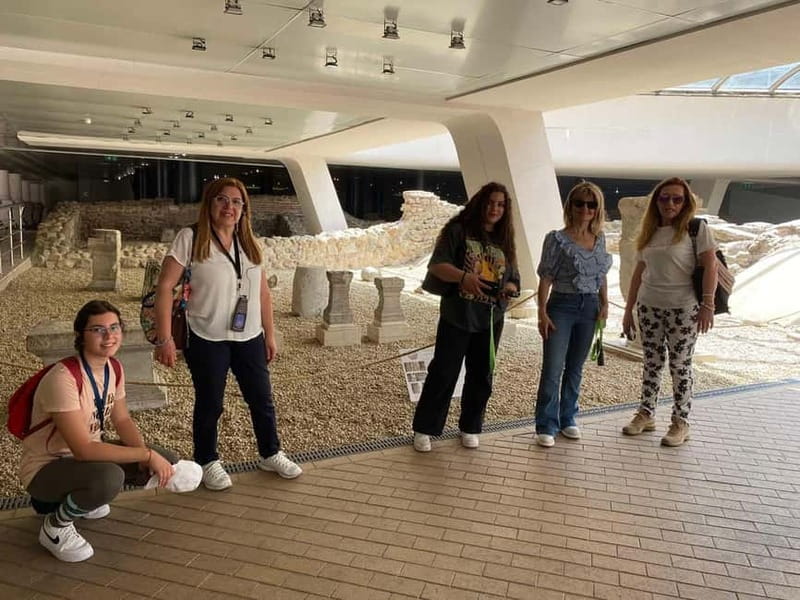
The Amphitheater of Serdica is one of the most unusual stops because ancient remains appear alongside modern city life. The scheduled explanation lasts about five minutes. Do not expect a long archaeological visit, but do expect a useful snapshot of Sofia’s Roman past.
The Eastern Gate of Serdika, viewed at underpass level, adds another angle. Instead of seeing history only in a museum, you encounter it as part of the daily route through the city. The contrast between old stone and modern traffic is part of the appeal.
Several shorter stops follow. The supplied route identifies them by sightseeing time but does not name each location, so you should expect a sequence of brief explanations rather than long periods at one monument. This is where the audio system earns its keep. You can listen while moving instead of stopping the entire group in one noisy spot.
If Roman archaeology is your main reason for coming to Sofia, plan extra time on another visit. This walk gives you orientation and context, not a specialist archaeological tour.
Religious variety in the city center
The route continues through central Sofia’s mix of religious and civic buildings. St. George Rotunda Church is the key stop here, with about eight minutes for a visit and explanation.
The rotunda is especially effective on a first walk because it feels tucked into the modern city rather than isolated behind a large complex. Its presence makes Sofia’s age easy to grasp. You can move through contemporary streets and suddenly find an ancient religious structure surrounded by later buildings.
The tour also takes you past the Sofia Synagogue. The planned stop is short, about three minutes, and the route information identifies it as sightseeing rather than a full interior visit. Even from the outside, it helps show the city’s long religious and cultural variety.
One point is worth keeping clear: the tour includes churches and the synagogue area, but it does not promise a mosque visit. If seeing Sofia’s mosque is important to you, you should arrange separate time for it.
Short stops, photographs, and the value of the audio system
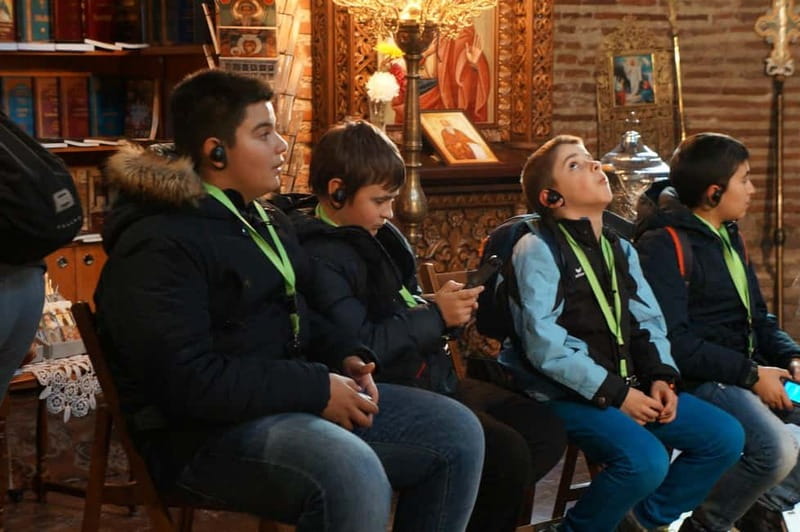
The route includes several unnamed or very brief sightseeing points, often two or three minutes each. That can sound rushed on paper, but these pauses serve a purpose. They let you gather the main facts, take a photograph, and keep moving through the compact center without turning a two-hour walk into a half-day outing.
The guide may ask you to press a number as you reach each place. Pay attention during the first explanation, because the system works best when you know which track matches the building in front of you.
The audio guide is offered in English, Italian, Spanish, Russian, German, French, and Bulgarian. This is useful for mixed-language groups, and it means you are not forced to follow the live guide’s language. The live guide speaks English, Russian, or Bulgarian and remains available for practical help.
There is a tradeoff. One person specifically found that the next description was sometimes activated before the previous one had finished. Another felt the walk would have benefited from more comments from the guide between stops. If you prefer a story-led walk with constant conversation, a traditional small-group tour may feel warmer. If clear sound and personal space matter more, this format is likely a better fit.
Finishing at the Presidency
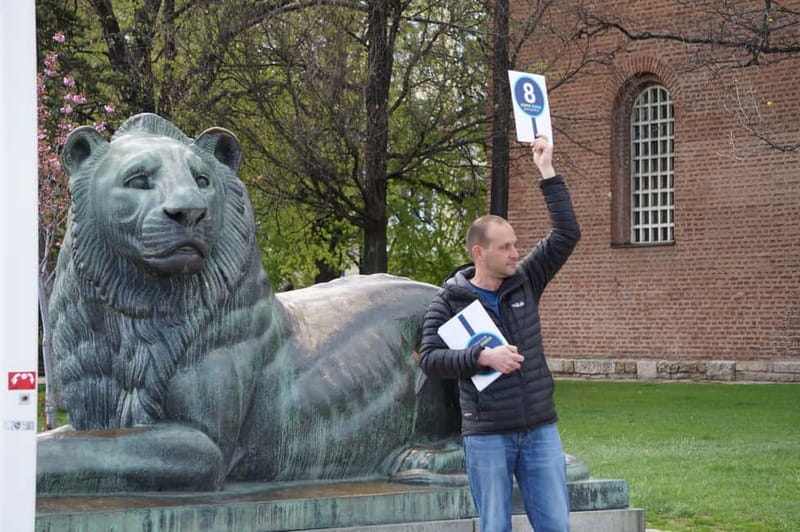
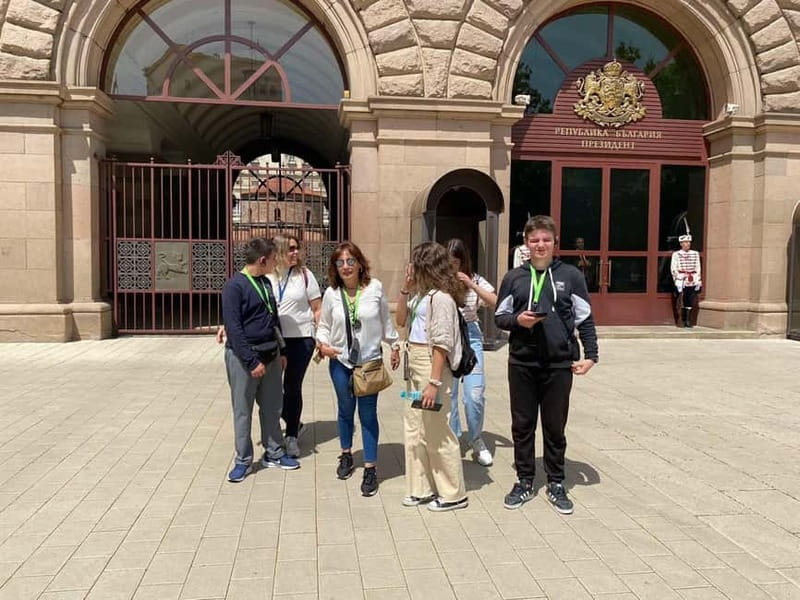
The final section leads to the Presidential Palace, usually called the Presidency, where the tour ends. You have a short photo stop and the chance to watch the changing of the presidential guard.
The guard ceremony is timing-sensitive, so it should be treated as a welcome possibility rather than the sole reason to book. When it works with the schedule, it gives the ending a clear sense of occasion and a good chance for video.
Ending here is practical. You finish in the heart of Sofia rather than being returned to the theater, and the Presidency is a useful reference point for continuing on your own. The tour does not include transport between stops because the entire route is walked.
Pace, comfort, and what to wear
The distance is manageable for many people who are comfortable walking for two hours, but this is not suitable for wheelchair users or people with mobility impairments. Baby strollers are not allowed, so families should consider that restriction before booking.
Wear sensible shoes. High heels are not allowed, and the route includes ordinary city streets, short pauses, church entries, and places where you may need to walk at a steady pace. Shorts and short skirts are also not allowed, reflecting the dress expectations at the religious sites.
Weather affects the comfort of the experience. Guides have adjusted the pace and added shaded breaks during very hot days, but you should still bring water and dress for the conditions. In poor weather, the audio system remains useful, though standing outside at monuments is less pleasant.
The tour is not designed around long food or restroom breaks. One suggestion was for a short pause during the two hours. If you need a break, use facilities before meeting and carry water with you.
Is $17 a good value?
At $17 per person, this is a good-value orientation walk. You receive a live host or guide, headphones, an audio device, and access to a route covering roughly 20 or more important sites. The price is especially appealing if you have only one day in Sofia or want help finding the city center’s major buildings.
The value comes from coverage and organization, not from extended time inside each monument. A guide keeps you moving, identifies the right audio track, and prevents you from missing places that are easy to walk past. Several people also found the pace relaxed enough for photographs, and some were able to return to favorite buildings later with better bearings.
You should not expect a private tour or detailed art lecture. The group format and short stops mean the information stays at an introductory level. For $17, that is a fair exchange, provided you understand what you are buying.
Free cancellation up to 24 hours before the start and a reserve-now, pay-later option make the booking flexible. Check the available start times because the changing of the guard depends on the schedule.
Who should book this Sofia walk?
I would recommend it to first-time visitors, solo travelers, business travelers with limited free time, and anyone who wants a clear introduction before exploring independently. It also suits mixed-language groups because everyone can listen in a preferred language.
You will get the most from it if you like seeing many places in one outing and do not need to spend 30 minutes inside each church. The audio guide lets you pause for photos and walk at your own pace within the group, while the guide keeps the route organized.
I would choose another format if you want a slow architecture tour, extensive time at Roman remains, or constant personal storytelling. The audio system is practical, but it can create distance between you and the guide.
Should you book it?
Book this tour if you want to understand Sofia quickly, see the main central monuments, and enter several significant churches for about $17. The combination of personal audio, a relaxed walking route, and a possible guard change at the Presidency gives you a lot for two hours.
Skip it only if you already know Sofia’s center well or prefer a small, conversation-heavy tour. For most first visits, it is a sensible way to get your bearings fast, then return on your own to the cathedral, Roman remains, synagogue area, or church that deserves more time.
FAQ
How long does the Sofia monuments walking tour last?
The tour lasts two hours.
Where does the tour begin?
It begins near the main entrance of the Ivan Vazov National Theater. The guide waits there with the audio guides.
Where does the tour finish?
The tour ends at the Presidential Palace of the Republic of Bulgaria, also known as the Presidency.
Which languages are available on the audio guide?
The audio guide is available in English, Italian, Spanish, Russian, German, French, and Bulgarian.
Which languages does the live guide speak?
The live guide speaks English, Russian, or Bulgarian.
Can I see the changing of the presidential guard?
The tour ends at the Presidency, where you can watch and record the changing of the presidential guard when the timing allows.
Is the tour suitable for wheelchair users or people with mobility impairments?
No. The activity is not suitable for wheelchair users or people with mobility impairments. High heels, shorts, short skirts, and baby strollers are also not allowed.
Just added around the world
- Fira: Guided Foodie Walking Tour with Tastings★ 4.9 · 474 reviews
- Fez: Guided Walking Tour of the Historic Medina★ 5.0 · 359 reviews
- Fez: Walking Tour in the Ancient City of Fez★ 4.8 · 73 reviews
- Faro: Old Town Guided Walking Food Tour★ 4.9 · 94 reviews
- Feel like a local – Walking Tour in Mykonos Town 2hours★ 4.4 · 77 reviews
- Fes: A Guided Walking Tour Through the Historic Medina★ 4.4 · 97 reviews
- Fez: Half-Day City Private Walking Tour with a Guide★ 4.6 · 114 reviews
- Fanal / Assobiadores – Levada Walk★ 4.6 · 93 reviews
Walking Tours, compared.
Magical London: Harry Potter Guided Walking Tour
Read our review →
Reykjavik Food Walk – Local Foodie Adventure in Iceland
Read our review →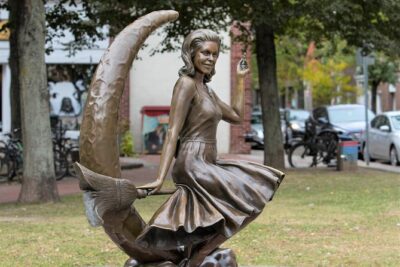
History and Hauntings of Salem Guided Walking Tour
Read our review →
New Orleans Premier Ghost, Voodoo and Vampire Walking Tour
Read our review →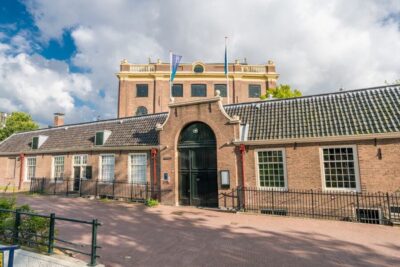
Amsterdam Anne Frank: Small-Group Walking Tour & Local Guide
Read our review →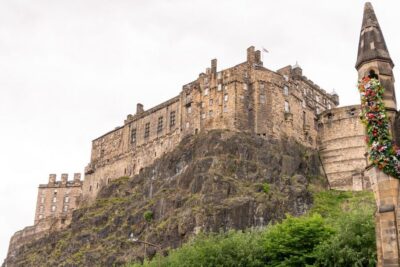
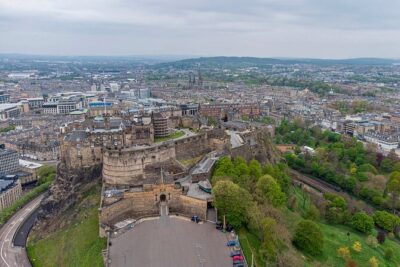
Edinburgh Castle: Guided Walking Tour with Entry Ticket
Read our review →