
REVIEW · SPAIN
Madrid: Guided Walking Tour of Monasterio de las Descalzas
The most striking part of the Descalzas Reales is that its treasures are tucked inside a working monastery of cloistered nuns, just off one of central Madrid’s busiest squares. You move from a plain exterior into quiet rooms filled with royal art, murals, carved doors, and one famously grand staircase.
I like the short 75-minute route, which keeps this visit focused, and I like the chance to see the cloister and main staircase with a live guide rather than simply passing through silent rooms. The main drawback is that photography is forbidden, there are no public restrooms inside, and the tour requires at least seven passengers to operate.
Key points to know before you book
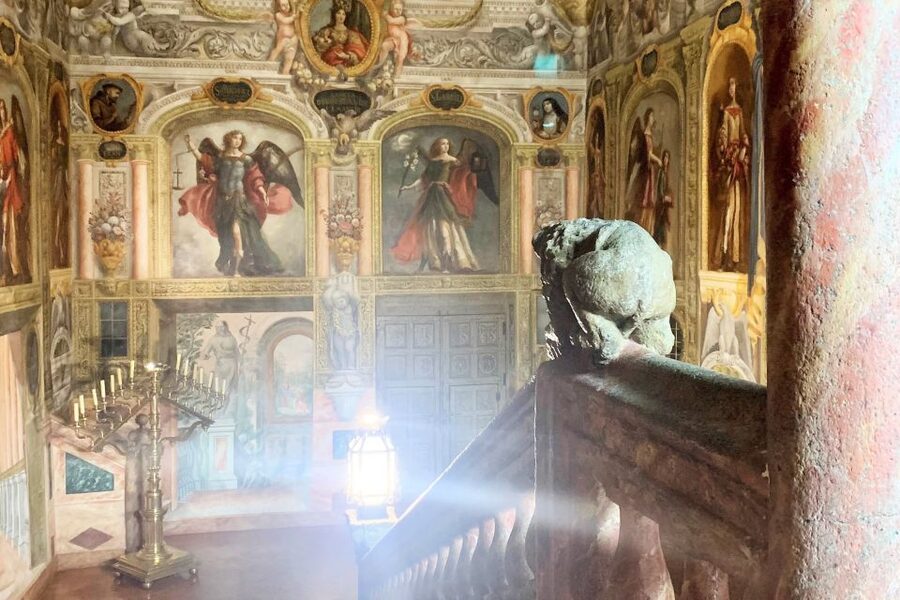
- The main staircase is the architectural highlight: Look up for a ceiling painting attributed to Claudio Coello.
- The collection reaches far beyond religious decoration: You may see works associated with Zurbarán, Antonio Moro, Luca Giordano, and other major painters.
- The tour begins outside: Meet at Plaza de las Descalzas, 3, beside the benches and statues in front of the entrance.
- The experience lasts 75 minutes: That is enough time for the key rooms without taking over half your day.
- Your guide may lead in English, French, or Spanish: Check the selected departure and language when booking.
- Plan for a no-photo visit: Bring your eyes, not your camera. The monastery is experienced in the old-fashioned way.
Why the Descalzas Reales feels different from a standard museum
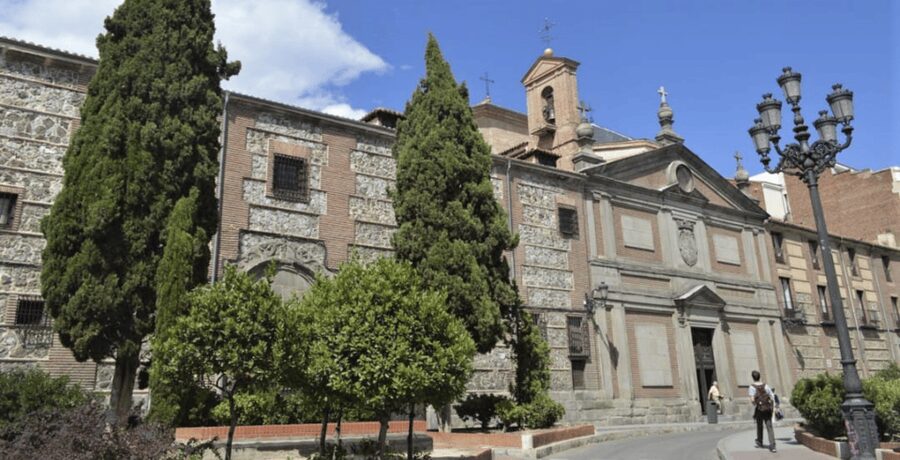
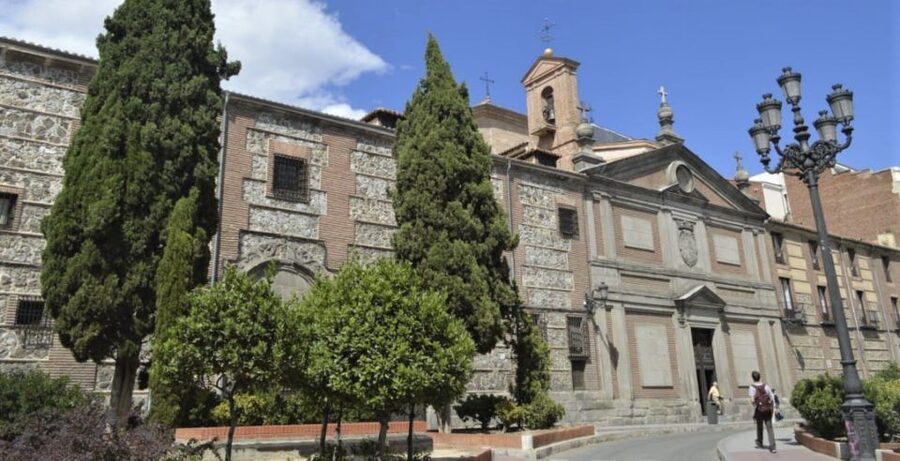
The Descalzas Reales is not just a gallery housed in an old building. It is a former royal foundation that became a convent, and its rooms still carry that unusual mix of courtly wealth and religious restraint. The building’s outside gives little away. Inside, the decoration becomes much grander.
That contrast is part of the appeal. You are not walking into a huge palace with room after room of furniture and portraits. Instead, the tour takes you through selected spaces where art and architecture do the talking. The effect is more intimate, and the guide’s explanations matter because many of the rooms are easy to misread at first glance.
The convent was once considered the richest in Europe. That claim helps explain why such a seemingly quiet religious house contains paintings, murals, fine doors, elaborate staircases, and valuable works collected or donated over many years. The stories and legends connected with the building give the artwork a human setting.
I would not choose this tour if you want a long, unhurried art lecture. The 75-minute format is brisk. But if you want one concentrated look at an important Madrid monument, it gives you a useful introduction without consuming your morning or afternoon.
More Guided Tours in Spain:
- Granada: Albaicín and Sacromonte Guided Sunset Walking Tour
★ 4.9 · 2,962 reviews - Madrid: Tapas & Wine Tasting Tour with Local Guide
★ 4.8 · 2,171 reviews - Madrid: Royal Palace Skip-the-Line Guided Tour
★ 4.5 · 2,140 reviews
Meeting your guide at Plaza de las Descalzas
The meeting point is easy to identify: Plaza de las Descalzas, number 3, directly in front of the monastery entrance. Look beside the benches and statues for a guide holding a sign or an IBE TOURS umbrella.
Arrive with enough time to find the entrance. The tour begins with an explanation of the facade and exterior, so you do not simply rush indoors. That opening matters because the outside sets up the story of the building, while the inside reveals the wealth that accumulated there.
The operator provides skip-the-line admission, which is especially useful when you have a tight Madrid schedule. It means you can spend your limited time looking at the building instead of sorting out entry. Food and drinks are not included, and there is no hotel pickup, so plan to reach the plaza on your own.
The tour runs in rain or shine. Since the first part takes place outside, bring suitable clothing for the forecast. The meeting area is central, but the tour information does not include a transport service or a restroom stop, so handle those needs before you arrive.
The facade and the story behind the convent
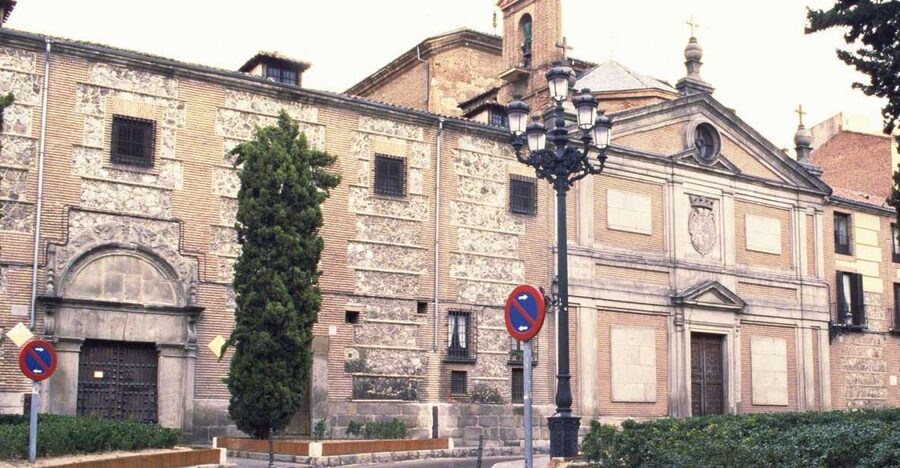
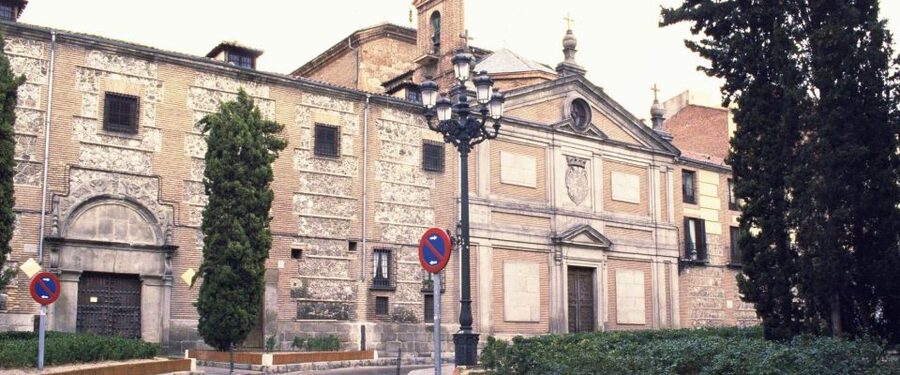
Before entering, your guide explains the monastery’s facade and exterior. This part is brief, but it gives you a frame for what follows. Religious foundations in Madrid can look severe from the street, and the Descalzas Reales is no exception. Its real drama is kept inside.
The building’s past as a royal convent is central to the visit. Women connected to powerful families entered the religious community, bringing status, money, and objects of great value with them. That background helps make sense of the artistic quality inside. The convent was spiritual in purpose, but it also had close ties to Spain’s royal and aristocratic world.
You will hear legends and stories linked with the building. A good guide can make these details useful rather than turning the visit into a string of spooky tales. The best moments come when a story explains why a room looks as it does, why a religious procession uses a particular route, or why a painting occupies a certain place.
The guide is an important part of the experience. The tour is offered in English, French, and Spanish, and the available feedback points to friendly, clear explanations. One French-language comment praised the well-documented and pleasant content, while other short comments singled out the guide’s kindness, strong command of the subject, and personal remarks. The exact guide can vary, so do not expect a particular person by name.
Walking through the cloister
The cloister is one of the tour’s essential stops. It gives you a calmer sense of the monastery and shows how the building worked as a religious community, not merely as a display of old art.
The route of the annual Good Friday Procession of the Holy Burial passes through this space. That detail turns the cloister from a pretty architectural feature into a place still tied to religious practice. You can picture the procession moving around the enclosed space, with the surrounding walls providing a quiet setting for one of Madrid’s important Holy Week observances.
Look at the relationship between the open central area, the surrounding walkways, and the decorated walls. The cloister is not presented as a single isolated object. It connects the monastery’s daily life, ceremonies, and art. Your guide can provide the context that a quick solo walk might miss.
The pace here is likely measured but not leisurely. You will have time to look, listen, and take in the setting, but you should not expect to sit for a long period or study every surface. If you like architectural detail, stay near the guide and keep your attention moving upward and along the walls.
A few more walking tours around Spain worth a look
- Barcelona Tapas and Wine Experience Small-Group Walking Tour
★ 5.0 · 5,804 reviews - Barcelona: Tapas Walking Tour with Food, Wine, and History
★ 4.8 · 4,261 reviews - Madrid Tapas & Wine Tasting Walking Tour – Small Group Local Bars
★ 5.0 · 3,644 reviews - Toledo Tour & Vineyard Walk with Wine Tasting from Madrid
★ 5.0 · 2,546 reviews
The main staircase and its remarkable ceiling
The main staircase is widely regarded as the monument’s true jewel, and it is easy to see why this section receives special attention. Staircases are often treated as a way to get from one room to another. Here, the staircase itself is a major artistic space.
The walls carry mural paintings from different periods. Look closely at how the decoration changes across the area, then look up at the ceiling. The painting there is attributed to Claudio Coello, one of the most important painters associated with the Spanish court in the late seventeenth century.
This is a place where the guide’s timing helps. A quick glance upward will not tell you much, especially if you are trying to follow a group at the same time. The explanation draws your eye to the parts that matter and gives the staircase a place in the wider story of the monastery.
Photography is not permitted inside. That may disappoint anyone who likes to record architectural details, but it also keeps the visit quieter and less distracted. If the ceiling is a priority for you, take a moment to stand still and study it before the group moves on.
Murals, Plateresque doors, and the art collection
The tour continues through rooms and passageways decorated with murals from different periods. This variety is worth noticing. The monastery did not receive one single decorative treatment and remain frozen in that moment. Its walls show layers of artistic taste and changing periods.
You will also see Plateresque doors, a style known for detailed ornament and finely worked surfaces. These doors can be easy to overlook when larger paintings draw your attention, so watch for them as you move between rooms. They help show that the building’s craftsmanship is not limited to its canvases.
The collection includes paintings connected with major names such as Francisco de Zurbarán, Antonio Moro, and Luca Giordano. The tour information describes thousands of works of art across the monastery, though the guided route focuses on the important areas that can be visited during the 75-minute session.
Do not expect a conventional museum layout with large labels and wide galleries. The art is part of the monastery’s rooms, walls, stairs, and devotional spaces. That makes the setting memorable, but it also means the visit may feel less straightforward than walking through a purpose-built museum.
If you already know Spanish art, you may want more time with individual works. If you are new to the subject, the guide’s commentary will help you understand why these artists matter and how their work fits into the convent’s history.
The Tapestry Room and Choir Room
The Tapestry Room is another major stop. The name alone suggests a change from the staircase and cloister, and the room adds another layer to the monastery’s decorative program. The tour allows you to see it as part of the building’s wider collection rather than as a separate museum exhibit.
The Choir Room provides a different view of convent life. It connects the building’s art with worship and music, giving you a sense of how the residents used the monastery. The precise details of the room’s furnishings and layout are not specified, so I would listen closely to the guide here rather than arrive with fixed expectations.
These rooms are valuable because they show how the monastery balanced private religious life with an extraordinary level of artistic decoration. The result is not simply a line of famous paintings. It is a set of spaces shaped by prayer, ceremony, status, and craftsmanship.
The route includes both the building’s interior and an explanation of its exterior. That makes the tour more satisfying than an art-only visit. You see how the monument presents itself to the city, then how different it becomes once you cross the threshold.
How the 75-minute format affects the visit
Seventy-five minutes is a sensible length for this experience. It gives you a solid introduction to the cloister, staircase, murals, Tapestry Room, Choir Room, and selected artwork, while leaving time for another Madrid sight afterward.
The tradeoff is depth. You will not have unlimited time to stand in front of every painting or inspect every door. The tour is best understood as a guided overview of the monastery’s most important areas, not as a slow research visit.
I like this format for a first visit. A guide keeps the route moving and explains the building’s oddities, legends, and artistic details. A second visit, if available to you, would be better for lingering over specific works.
Small groups can make a big difference. The tour requires a minimum of seven passengers, but the size of the group may vary. A July booking once resulted in only two people on the tour, creating a private-tour feel and allowing the guide to add personal comments. You cannot count on that lucky arrangement, but a smaller group would make it easier to see the murals and hear the explanation.
Is $28 a fair price?
At $28 per person, the cost is reasonable if you value skip-the-line entry and live interpretation. You are paying for admission plus a 75-minute guided route through a monument that can be hard to appreciate without context.
The price is less compelling if you prefer to move at your own speed, take photographs, or spend a long time with individual paintings. Photography is not allowed, and the tour follows a set route. For an independent museum visitor, those limits may matter more than the guide’s added context.
For most people, I think the value is good because the monastery is not an obvious building from the street. A guide helps reveal why the staircase matters, how the cloister is used during the Good Friday procession, and why the convent once held such enormous wealth.
The tour is also a practical choice for a busy Madrid itinerary. Seventy-five minutes leaves room for nearby sights, lunch, or a later museum visit. Just remember that food, drinks, and hotel transfers are not included.
Who should book this monastery tour?
I would recommend it to you if you enjoy religious art, royal history, old architecture, and stories tied to real places. It also suits first-time visitors who want a clear introduction without committing to a half-day museum experience.
Art students and experienced museum visitors may find the route too short for close study. You may still appreciate the building, but you might prefer more time alone with the collection if independent access is available.
Families can consider it if everyone can manage a quiet, guided interior visit. The no-photo rule and 75-minute length make it easier to keep the group focused, though younger children may not care much about the paintings and architectural details.
The tour is also a good fit for visitors who want a guide in English, French, or Spanish. Clear explanations are a central part of the experience, and the available feedback gives particular weight to friendly guides, well-presented information, and personal comments that make the visit feel less formal.
Practical tips for a smoother visit
Meet at the exact entrance on Plaza de las Descalzas, 3. Look for the guide with a sign or IBE TOURS umbrella beside the benches and statues.
Use a restroom before arriving, since there are no public restrooms in the monument. Bring water for before or after the visit, but do not plan on food or drinks being part of the tour.
Arrive ready for a weather-proof start. The tour operates in rain or shine, and the opening explanation takes place outside.
Do not bring the visit into focus through your phone. Photography is forbidden inside, so plan to remember the spaces by paying attention to the guide and looking carefully at the details.
The tour offers free cancellation up to 24 hours before the start, and you can reserve now and pay later. Check the available departure times and language before booking, since the starting time is not fixed in the tour details.
Should you book the Descalzas Reales tour?
Book it if you want a concise, guided look at one of Madrid’s most unusual religious monuments, especially if you value the main staircase, the cloister, and art by important Spanish and European painters.
Skip it if your top priorities are photography, complete independence, or extended time with each artwork. The strongest reasons to go are the setting, the stories, and the guide’s help in making sense of rooms that could otherwise seem closed-off or mysterious.
At $28, this is a fair, focused introduction. It gives you the building’s essential sights in 75 minutes and leaves you with a better sense of why the Descalzas Reales was once such a wealthy and influential convent.
FAQ
How long does the Descalzas Reales tour last?
The guided tour lasts 75 minutes.
Where is the meeting point?
Meet at Plaza de las Descalzas, 3, directly in front of the monastery entrance, beside the benches and statues.
How do I identify the guide?
Look for a guide holding a sign or an IBE TOURS umbrella.
What languages are available?
The tour is offered with a live guide in English, French, or Spanish.
Is admission included?
Yes. Skip-the-line tickets to the Descalzas Reales Monastery are included.
What areas does the tour visit?
The route includes the cloister, main staircase, Tapestry Room, Choir Room, murals, Plateresque doors, and selected artworks inside the monastery.
Can I take photographs inside?
No. Photography is not allowed inside the monument.
Are food, drinks, or hotel transfers included?
No. Food, drinks, hotel pickup, and hotel drop-off are not included.
Does the tour run in bad weather?
Yes. The tour operates rain or shine. There are no public restrooms in the monument, and the tour requires a minimum of seven passengers.
Just added around Spain
- Walking tour in Alhambra, Nasrid Palaces and Generalife★ 3.0 · 135 reviews
- Sunset Walking Tour in Albaicín & Sacromonte★ 5.0 · 95 reviews
- Granada’s Hidden Treasures: Albayzin and Sacromonte Walking Tour★ 4.5 · 575 reviews
- Albayzin and Sacromonte Guided Walking Tour in Granada★ 4.5 · 98 reviews
- Albaicín & Sacromonte Walking Tour★ 4.5 · 87 reviews
- Girona History, Legends, and Food Walking Tour with food tasting★ 5.0 · 195 reviews
- Game Of Thrones Walking Tour in Girona★ 5.0 · 406 reviews
- Cordoba Walking Tour with Arabian Baths Experience★ 4.0 · 93 reviews
Walking Tours, compared.

Magical London: Harry Potter Guided Walking Tour
Read our review →
Reykjavik Food Walk – Local Foodie Adventure in Iceland
Read our review →
History and Hauntings of Salem Guided Walking Tour
Read our review →
New Orleans Premier Ghost, Voodoo and Vampire Walking Tour
Read our review →
Amsterdam Anne Frank: Small-Group Walking Tour & Local Guide
Read our review →

Edinburgh Castle: Guided Walking Tour with Entry Ticket
Read our review →
Anne Frank’s Story – Guided Walking Tour through Amsterdam
Read our review →Browse the lists this tour appears in