
REVIEW · WALKING TOURS
Jakarta Walking Tour: Explore Jakarta as the Locals do
Jakarta is easiest to understand from street level, and this tour puts you there quickly. You ride commuter trains and TransJakarta buses, walk through Kota Tua and Glodok, eat local snacks, and take a short wooden boat ride around Sunda Kelapa Harbor. The most memorable part may be the contrast between old Dutch buildings, Chinese temples, working docks, and modern Jakarta in one long outing.
I like the public transport because it saves you from Jakarta traffic and shows you how the city really moves. I also like the variety: the tour combines history, religion, food, city views, and a harbor trip instead of staying inside the usual sightseeing circuit.
The main caution is the timing. It is advertised as three hours, but the route often takes four to five hours, and sometimes nearly a full day. Expect crowded transport, periods of standing, plenty of walking, and changes to the route when a site is closed.
Key points to know before booking
- Ride like a local: Your guide provides transport cards, so you can use Jakarta’s commuter train and TransJakarta bus without buying a card first. You need about Rp.10,000 per person for credit.
- Sunda Kelapa is the adventure stop: A small boat takes up to five people and costs Rp.100,000 per boat, split among the people aboard.
- Glodok brings the food: You can browse the traditional market, visit Vihara Dharma Bhakti, and stop for snacks or lunch.
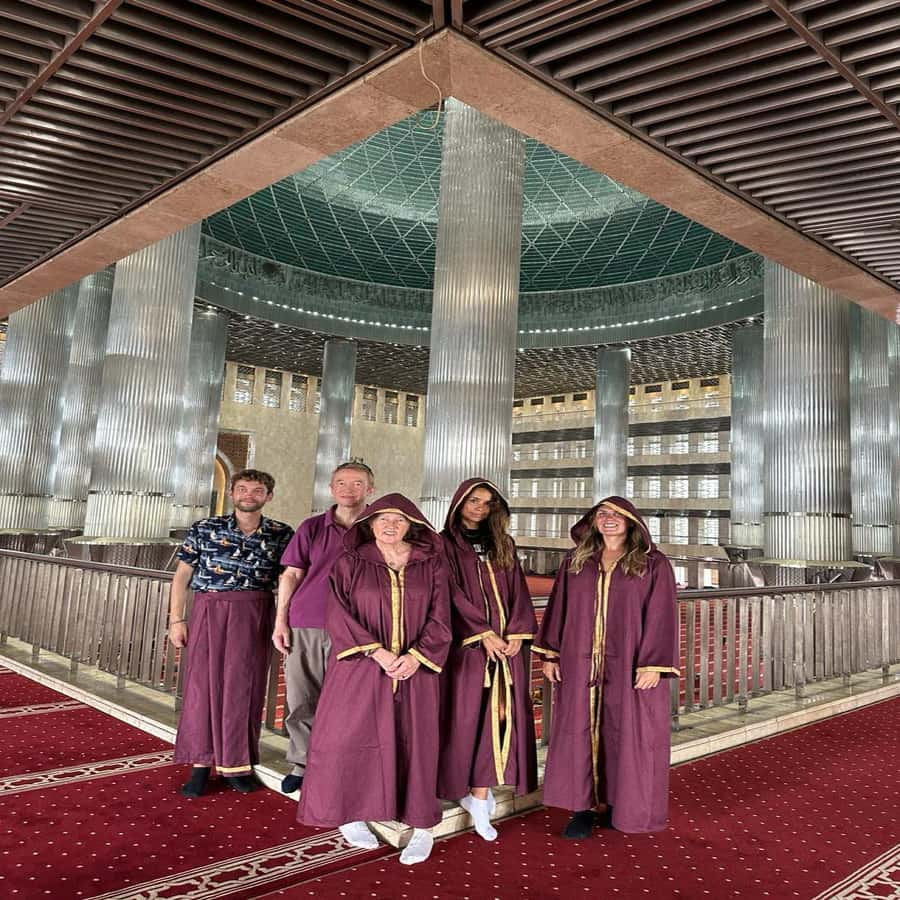
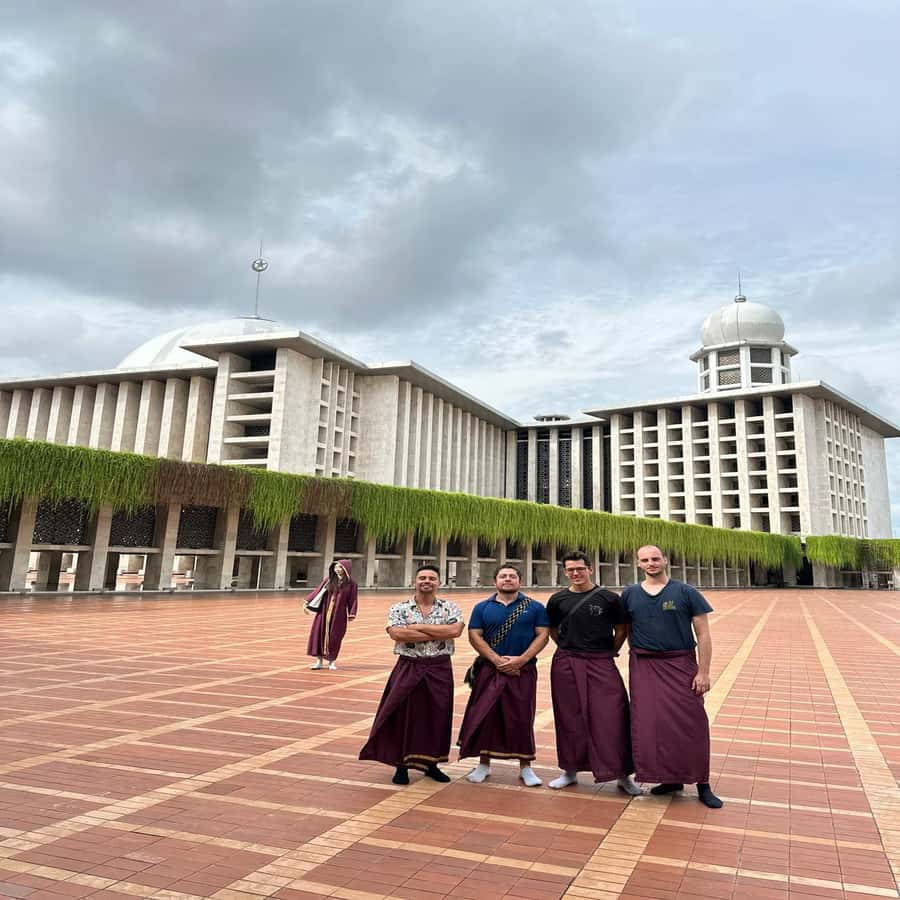
- Istiqlal Mosque is a highlight: A mosque guide supplies suitable clothing and leads a visit of about 30 minutes.
- The schedule is flexible: The route can change on Fridays, Mondays, or when access to the harbor or other sites is restricted.
- Good shoes matter: This is an active city tour, not a short stroll between parked vehicles.
Why this Jakarta tour feels different
Many Jakarta sightseeing trips rely on private cars, which can leave you watching traffic through a window. This one makes public transport part of the experience. You board at or near Cikini, travel toward Jakarta Kota, and then continue by foot, bus, train, or boat.
That matters in Jakarta. The city is spread out, and road traffic can make short distances take a long time. Public transport gives you a practical look at daily life, though it also means crowds, waiting, and standing. On a holiday, trains and buses may still be busy, and the pace can slow when connections do not line up.
Fajar has guided around Jakarta and Bogor since 2017. Depending on the departure, you may meet Fajar, Fajz, Faz, or another member of his guiding team, including Erni. The strongest part of the guiding style is the personal explanation of Jakarta’s history, culture, religion, and daily routines. The tour is not just a series of photo stops.
The meeting point is the lobby of Capsule Hotel New Batavia in Cikini, Central Jakarta. A cafe in the Cikini area may also be used. Arrive about 10 minutes early, since the first train or bus connection affects the rest of the day.
A few more walking tours around the world worth a look
- Magical London: Harry Potter Guided Walking Tour
★ 4.7 · 22,044 reviews - Reykjavik Food Walk – Local Foodie Adventure in Iceland
★ 5.0 · 18,952 reviews - History and Hauntings of Salem Guided Walking Tour
★ 5.0 · 14,564 reviews
From Cikini to Jakarta Kota by public transport
The opening ride is short on paper, about 15 minutes, but allow extra time for walking through stations, waiting, and getting a group together. Your guide lends you the required transport cards, which removes one small hassle for first-time visitors.
You may use the commuter line or TransJakarta during the tour. The exact mix can change. The point is not simply to reach the next stop. You are learning how to move through Jakarta in the same basic way as local commuters.
You should expect a less polished experience than a private vehicle. There may be crowds, standing-room-only sections, and pauses at stations. If you prefer a quiet, tightly timed tour, this will feel loose. If you want to understand the city beyond its monuments, the transport is one of the best parts.
Kota Tua and the Dutch-era buildings
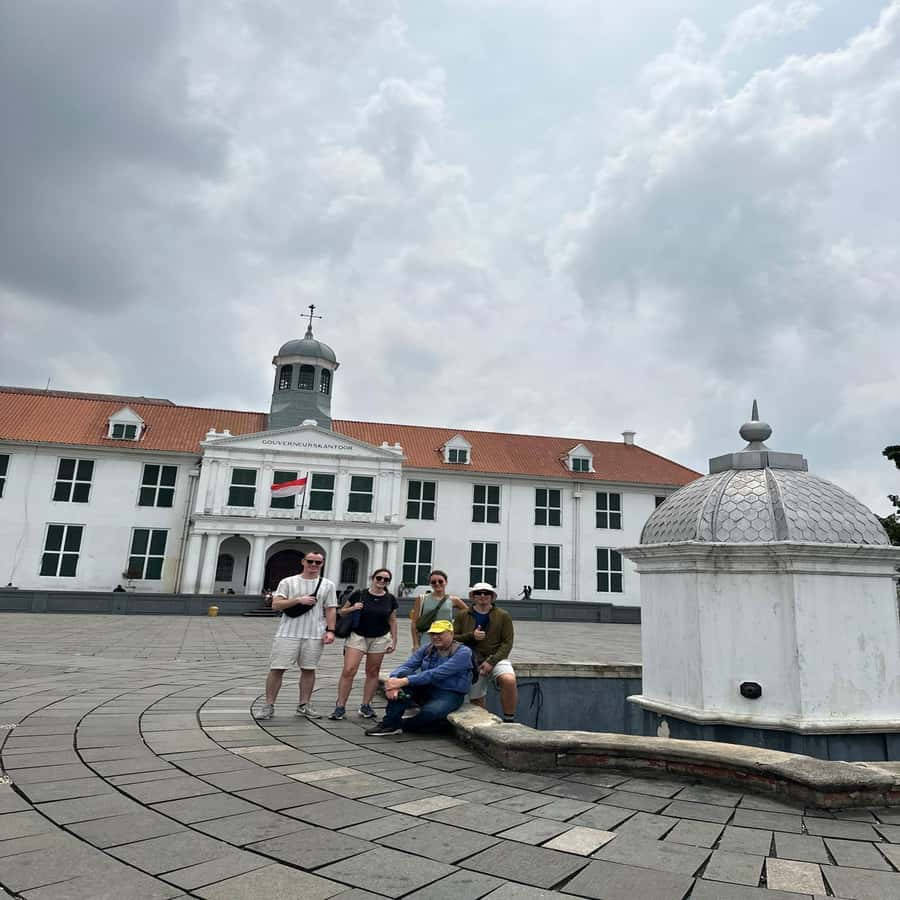
Jakarta Kota station leads you toward Kota Tua, the Old Town square in West Jakarta. The walking route takes you through one of the city’s clearest reminders of its colonial past.
Around the square, your guide explains the old Dutch buildings and the role of the area in Jakarta’s development. This is a good early stop because it gives you historical context before the tour moves into the market streets and harbor.
The first sightseeing portion is relatively gentle, with time to walk and listen. The square itself can be lively, and the architectural details are easier to appreciate when someone points out what you are looking at. You are not left to photograph a facade without understanding its purpose.
The route may include a short visit around Jakarta Kota station, followed by roughly 35 minutes of guided walking and sightseeing. The exact order can change, particularly if a site is closed or access is limited.
Glodok Chinatown, snacks, and Vihara Dharma Bhakti
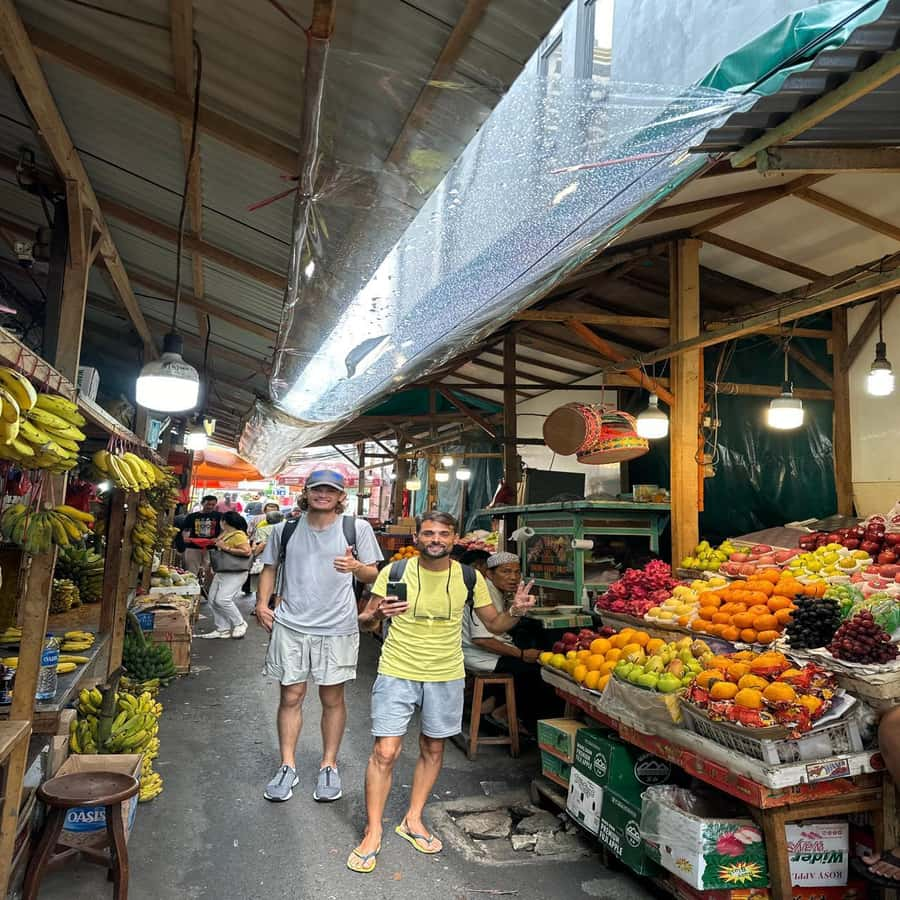
From the Old Town, you continue on foot toward Glodok Chinatown. This is where the tour becomes more sensory and less formal. You pass through the traditional market, look at local food stalls, and visit Vihara Dharma Bhakti, a Buddhist temple.
The temple visit adds an important religious and cultural layer to the day. It also helps explain why Glodok feels different from the open colonial square nearby. Your guide can connect the neighborhood’s buildings, food, worship, and street life rather than treating each as a separate attraction.
Food is another reason to take this route with a local guide. Included in the price are local snacks and a bottle of water, while lunch is purchased separately. You may stop at a cafe or restaurant in Chinatown or the Old Town.
I would use this stop for an early lunch if you are hungry. The schedule can stretch, and the harbor and mosque visits still follow. You can taste something new without needing to plan a restaurant in advance, but tell your guide about dietary needs before ordering since no specific menu is promised.
The Glodok section is listed at about one hour, including guided sightseeing, market time, and food tasting. It is one of the strongest portions for anyone who wants more than monuments and museums.
Same streets, a different route:
- New Orleans Premier Ghost, Voodoo and Vampire Walking Tour
★ 4.5 · 12,856 reviews - Amsterdam Anne Frank: Small-Group Walking Tour & Local Guide
★ 4.8 · 12,789 reviews - Edinburgh: Harry Potter Magical Guided Walking Tour
★ 4.8 · 11,944 reviews - Edinburgh Castle: Guided Walking Tour with Entry Ticket
★ 4.7 · 11,699 reviews
Sunda Kelapa Harbor by small boat
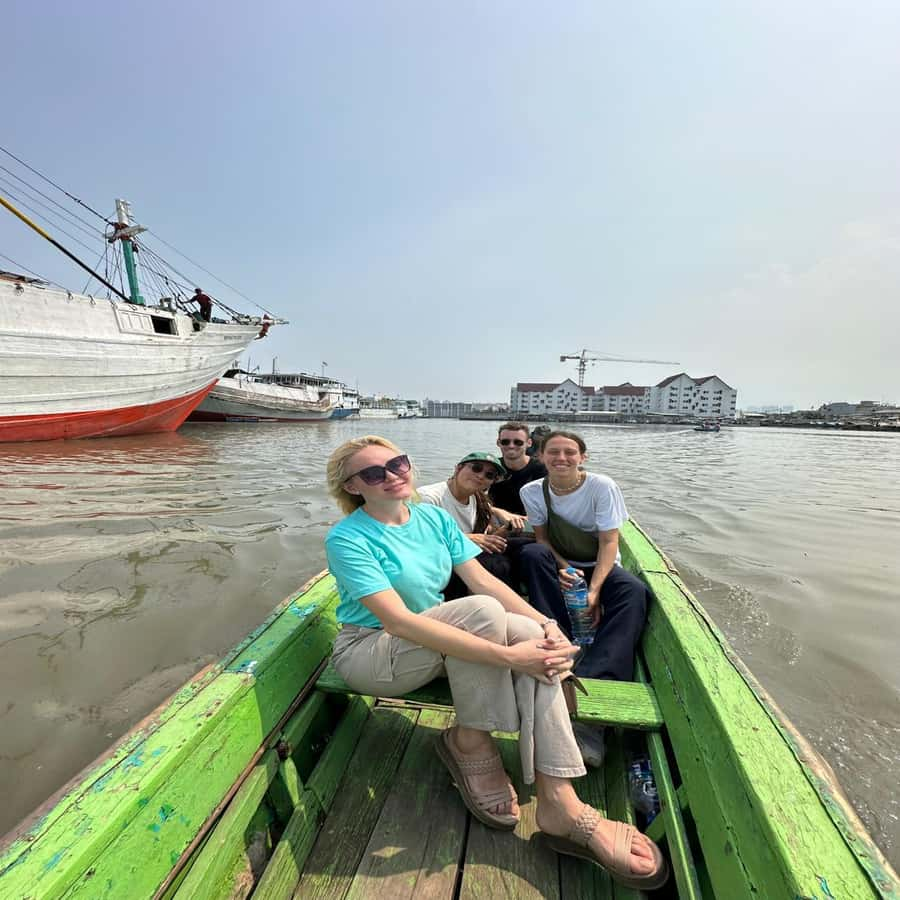
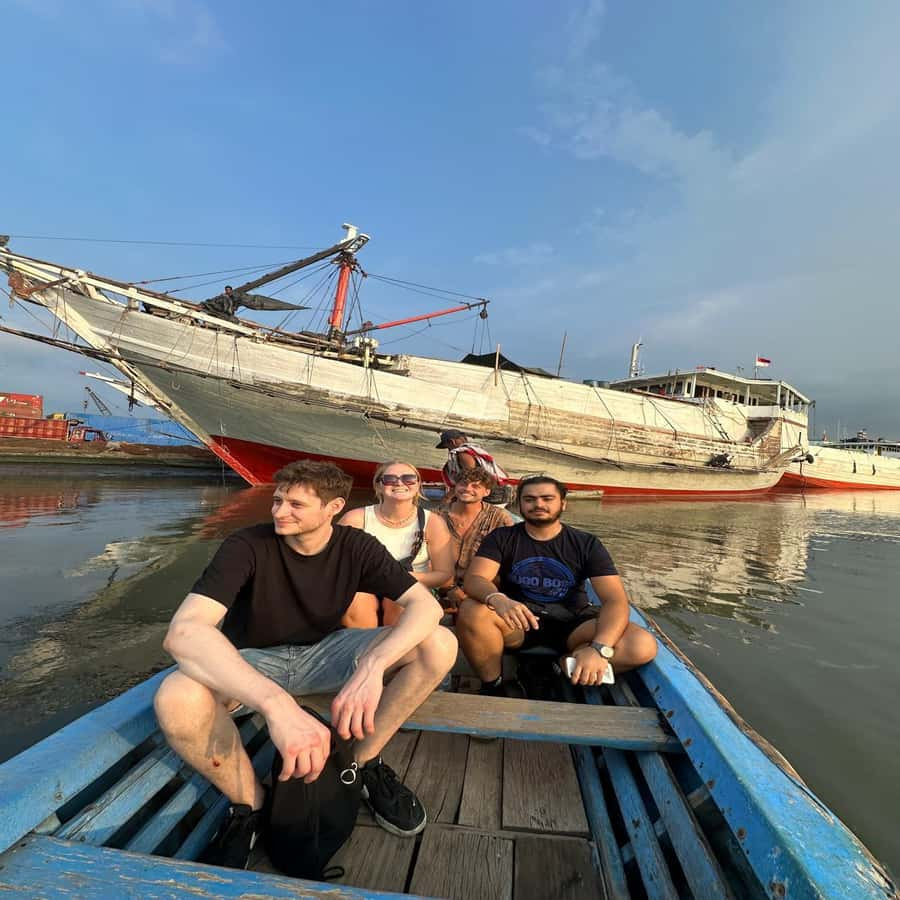
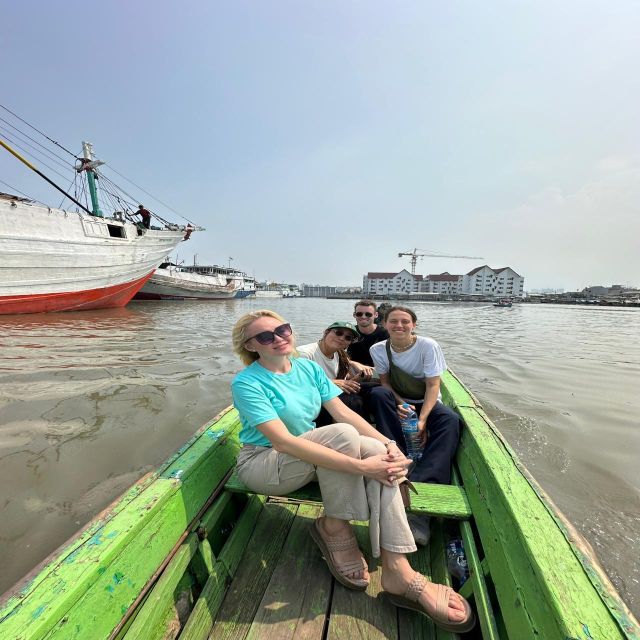
Sunda Kelapa is Jakarta’s old harbor, reached after the Old Town and Chinatown section. The route information includes a short vehicle transfer, then a harbor visit lasting about an hour, while the boat itself runs for around 20 to 30 minutes.
The boat is small, with space for up to five people. The total cost is Rp.100,000 per boat, not per person, so the price becomes modest when several people share it. You pay this separately from the tour fee.
This is not a luxury cruise. It is a simple harbor ride, and that is the appeal. You may see working cargo boats and the less polished side of the waterfront. One outing included a look at a cargo boat and monitor lizards along the banks, though those sightings are not guaranteed.
Harbor access can change. Building work or local restrictions have sometimes closed parts of the area, but the guide may be able to adjust the visit. Do not book this expecting a fixed cruise with guaranteed access to every pier. Book it for the chance to see Jakarta’s old port at close range, with someone who knows how to manage changing conditions.
The boat is also a good example of why this tour can take longer than advertised. Finding the boat, waiting for departure, and returning to the route all take time. The extra minutes are worthwhile, but you should not schedule a tight airport transfer afterward.
Istiqlal Mosque and the Cathedral nearby
After the harbor, the route returns toward central Jakarta by train or bus before reaching Istiqlal Mosque. This is one of the most meaningful stops, especially if you want to see a major religious building rather than only historic streets.
Istiqlal is described as the largest mosque in Southeast Asia. Inside, the mosque has its own guide, who lends visitors suitable clothing and explains the building for about 30 minutes. That arrangement is useful because it removes uncertainty about what to wear and how to behave during the visit.
Expect the pace to become quieter here. You will walk inside, listen to the mosque guide, and learn about its history and design. The visit is more structured than the market or harbor sections.
The mosque is closed to visitors every Friday, so the route changes on that day. If you are particularly interested in entering Istiqlal, check the available date before booking. In front of the mosque, you may also visit the Cathedral Church if time and access allow. The pairing gives you a clear look at Jakarta’s religious setting in one compact area.
The National Library and Monas
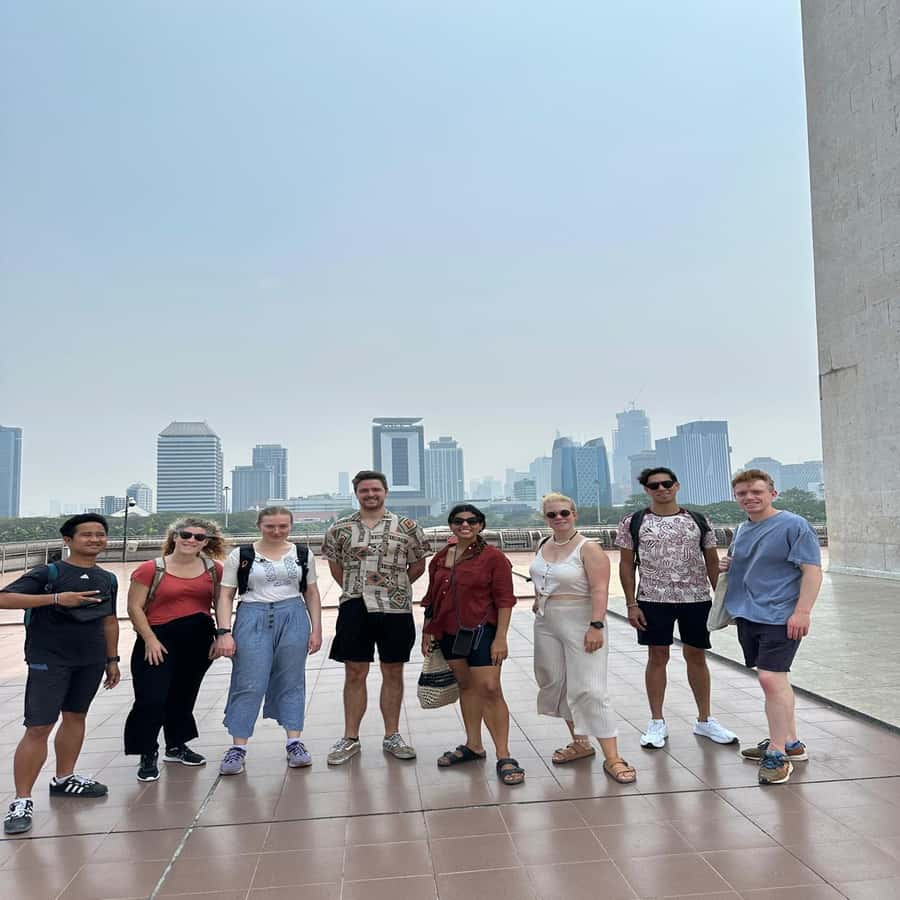
The route may continue by bus to the National Library of the Republic of Indonesia. A visit of about 40 minutes is listed, and the building can provide a high city view. One useful local tip is heading to the top of the library, where you may get broad views without an entrance fee or long queues.
This is a smart stop because it gives you a break from street level while helping you understand Jakarta’s size. The view is not guaranteed to be available at every departure, so treat it as a useful possibility rather than the central promise of the tour.
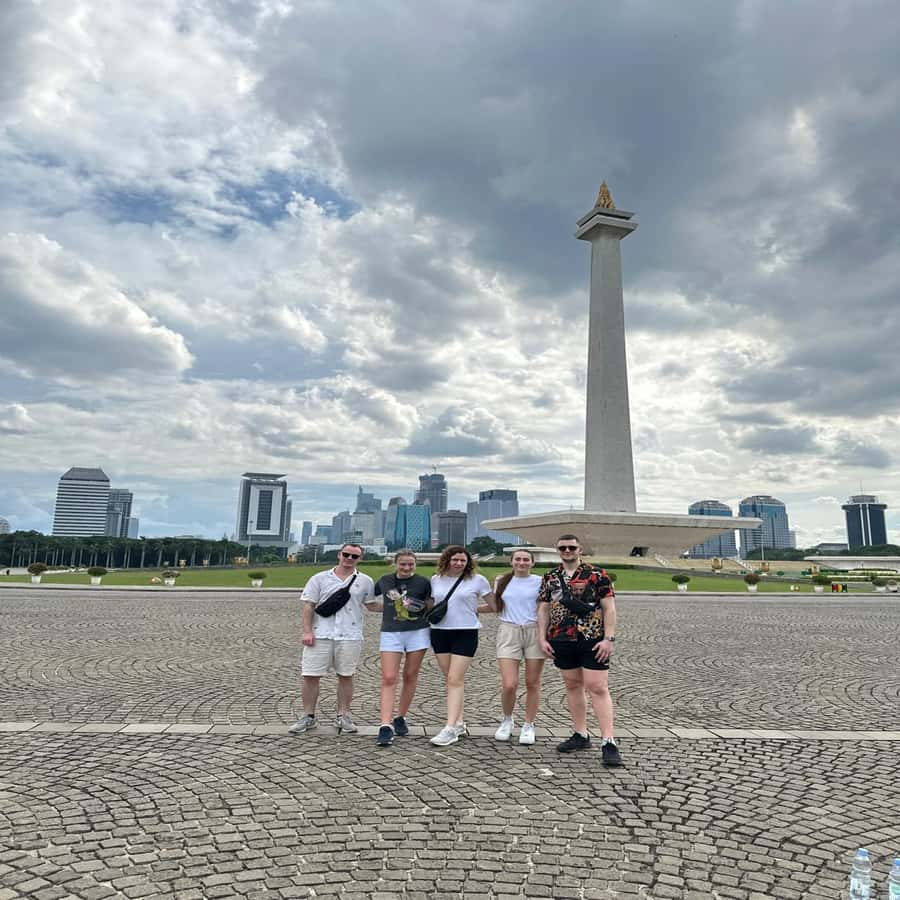
The final major stop is Monas, the National Monument. The monument’s interior includes a diorama museum about Indonesian history, and entry costs Rp.8,000 per person. You may walk around the monument and, if access and timing permit, enter the museum.
Monas and Jakarta’s museums are closed every Monday. That closure can change the order of the day or remove the stop entirely. The guide may rearrange the first visit or adjust the route to make the most of the places open that day.
How much walking and waiting should you expect?
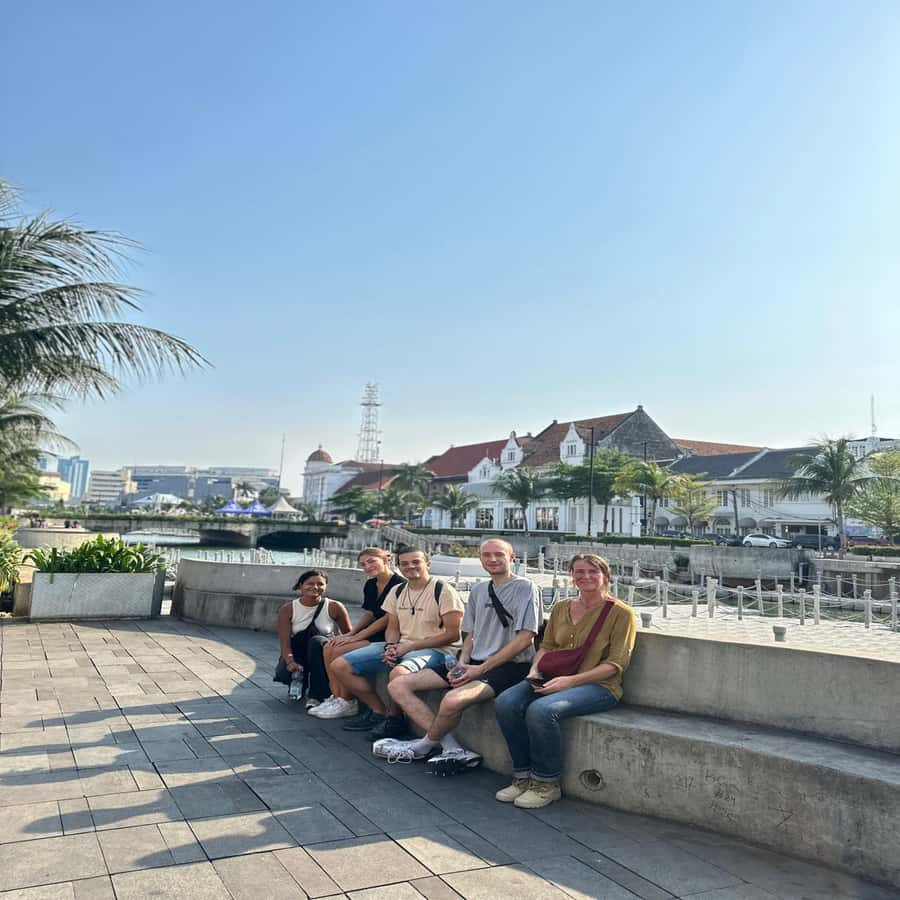
The name walking tour is accurate. The route includes walks of five, 15, and 20 minutes between major points, plus time on station platforms, in markets, around the harbor, inside the mosque, and at Monas.
The walking pace is generally manageable, but the full outing can be tiring because the activity is not limited to flat, easy pavement. Streets can be crowded, and public transport adds standing time. Wear comfortable shoes, carry an umbrella, and bring water beyond the included bottle if you expect the tour to run long.
The experience is not suitable for people with mobility impairments, pregnant women, people with altitude sickness, people over 95, or people over 70. That final age limit is unusually strict, so older adults should check directly before booking even if they feel fit.
What the $43 price really covers
At $43 per person, the value depends on how much of the full route takes place. The fee covers the guide, local snacks, a bottle of water, and a face mask if needed. It does not cover lunch, transport-card credit, or the harbor boat.
Plan for these extra costs:
- About Rp.10,000 per person to add credit to the transport card
- Rp.100,000 total for the harbor boat, split among up to five people
- Your own lunch and any additional snacks
- Rp.8,000 per person if you enter Monas
The price is reasonable if you want a guide to handle the connections, explain the history, arrange the boat, help with mosque access, and lead you through areas that are not always simple to organize alone. It is less attractive if you only want the Old Town and Monas, since those can be visited separately for less.
The strongest value comes from the range of experiences packed into one day: commuter transport, colonial history, Chinatown, a working harbor, a temple, a mosque, local food, the National Library, and Monas. The cost also buys flexibility. The guide can sometimes adjust the route when the harbor is restricted or an event affects mosque access.
Who should book this experience?
I would choose this tour if you have limited time in Jakarta and want a broad first look at the city. It is also a good fit if you enjoy public transport, local food, religious sites, and real neighborhoods more than air-conditioned sightseeing.
It suits solo visitors particularly well because navigating Jakarta’s transport and harbor alone can take extra effort. Couples and small groups should enjoy the shared boat cost, while larger groups may need to confirm how the boat and guide arrangements work.
You should skip it if you need a strict three-hour schedule, dislike crowded public transport, or want a slow museum-focused day. The tour can stretch to four or five hours, and sometimes longer. It is also not the right pick if long walks or standing are difficult.
Practical details before you go
The tour is conducted in English. Cancellation is free up to 24 hours before the start, and you can reserve now and pay later. The supplier asks you to notify them about cancellation two hours before the start, so follow both time limits carefully.
Bring an umbrella. Jakarta weather can change, and several sections take place outdoors. Arrive 10 minutes early at the Capsule Hotel New Batavia lobby in Cikini, where the guide will be waiting.
Friday is a poor choice if entering Istiqlal Mosque is your priority. Monday is a poor choice if you want Monas or Jakarta museums. Ask about the planned route before departure because the first stop can change with opening days, events, construction, and local access.
Should you book the Jakarta walking tour?
Book it if you want Jakarta presented as a lived-in city rather than a checklist of monuments. The public transport, Glodok food stop, small harbor boat, and mosque visit create a varied day, and Fajar’s local connections can matter when conditions change.
I would not book it for a guaranteed three-hour program. Think of the advertised duration as a minimum, not a firm finish time. With comfortable shoes, flexible plans, and a little patience for crowds, this is a strong introduction to Jakarta for $43.
FAQ
Where does the Jakarta walking tour start?
It starts in the lobby of Capsule Hotel New Batavia in the Cikini area of Central Jakarta. A cafe around Cikini may also be used as the meeting point.
How long does the tour last?
The stated duration is three hours, but the route can take four to five hours and sometimes nearly a full day. Waiting for transport, site access, boat arrangements, and opening times can extend the day.
What transport is used?
You may use the commuter line train, TransJakarta bus, local minibus, and other short transfers during the tour. The exact order and transport mix can change.
Do I need to buy a transport card?
No. The guide provides transport cards for you to borrow and use. You need to add about Rp.10,000 per person in credit for the commuter train or TransJakarta bus.
Is the Sunda Kelapa boat included?
No. The boat costs Rp.100,000 per boat and holds up to five people. The cost is shared by the people using the boat.
Is lunch included?
No. Local snacks and a bottle of water are included, but lunch is not. The group may stop at a cafe or restaurant in Chinatown or the Old Town.
Can I enter Istiqlal Mosque?
The tour includes a visit inside Istiqlal Mosque when it is open to visitors. The mosque has its own guide, who provides suitable clothing and explains the building for about 30 minutes.
Which days affect the route?
Istiqlal Mosque is closed to visitors every Friday. Monas and all museums in Jakarta are closed every Monday, so the guide may change the order or remove those stops.
What should I bring?
Bring an umbrella and comfortable walking shoes. Arrive 10 minutes before the start. You should also allow extra time and avoid scheduling a flight or other fixed appointment immediately after the tour.
Just added around the world
- Half Day Kyoto Sagano Bamboo Grove & Arashiyama Walking Tour★ 4.5 · 81 reviews
- Ubud yoga, rice terrace walk and floating Breakfast tour★ 5.0 · 85 reviews
- Ephesus: Private Tour with Skip-The-Line & Less Walking★ 5.0 · 125 reviews
- Bungle Bungle Scenic Flights, Domes & Cathedral Gorge Walk★ 5.0 · 312 reviews
- Historic Krakow : Old Town & Wawel Castle Walking tour★ 5.0 · 318 reviews
- Krakow Jewish Quarter Guided Walking Tour★ 5.0 · 247 reviews
- Kuala Lumpur Local Street Food Private Walking Tour by Night★ 4.5 · 224 reviews
- Creepy Krakow City Walking Tour★ 4.5 · 138 reviews
Walking Tours, compared.

Magical London: Harry Potter Guided Walking Tour
Read our review →
Reykjavik Food Walk – Local Foodie Adventure in Iceland
Read our review →
History and Hauntings of Salem Guided Walking Tour
Read our review →
New Orleans Premier Ghost, Voodoo and Vampire Walking Tour
Read our review →
Amsterdam Anne Frank: Small-Group Walking Tour & Local Guide
Read our review →

Edinburgh Castle: Guided Walking Tour with Entry Ticket
Read our review →