
REVIEW · MADEIRA
Funchal: Old Town Walking Tour
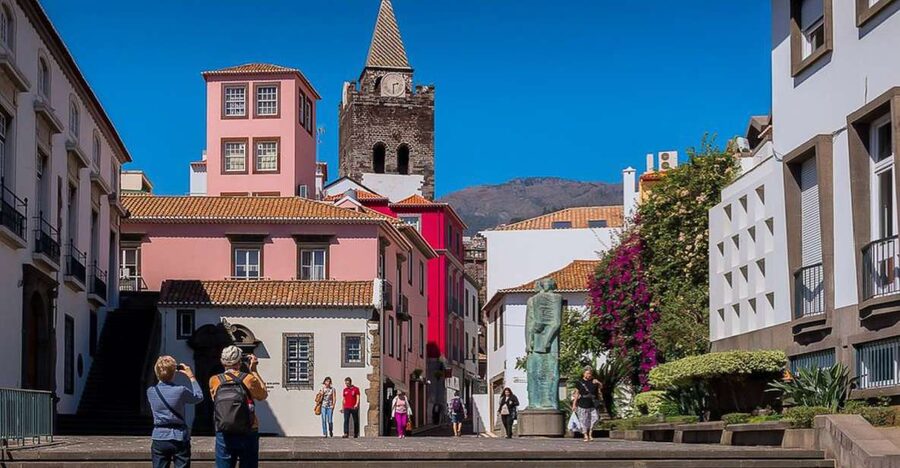
Funchal’s story comes together nicely on this two-hour city walk, where sugar, wine, embroidery, flooding, religion, and trade all connect. You move from the Jesuits’ College to the Farmers’ Market, painted-door streets, old fortifications, the cathedral, and a wine lodge, with archive images and local stories filling in the gaps.
I like the small groups, which allow guides such as Annabelle, Elias, Hannah, and Elea to answer questions and adjust the pace. I also like that your $19 supports student welfare and school programmes at the University of Madeira. The main drawback is the footing: cobbled streets and slight inclines make this less suitable if you have limited mobility.
Key points at a glance
- Farmers’ Market with context: Learn how Madeira’s produce trade fits into the city’s daily life.
- Sugar and Columbus connection: See how Madeira’s early sugar industry helped shape its fortunes and links to Christopher Columbus.
- Unusual stops: Visit a 19th-century sweet factory, old fort remains, and lesser-known spaces in the city centre.
- Churches with big stories: Enter the Jesuits’ Church and Funchal Cathedral, once the seat of a vast diocese.
- Wine at the finish: The route includes a traditional Wine Lodge and often ends with a small Madeira wine tasting.
- A useful cause: The tour helps fund educational and social support programmes for University of Madeira students.
Why this is a smart first look at Funchal
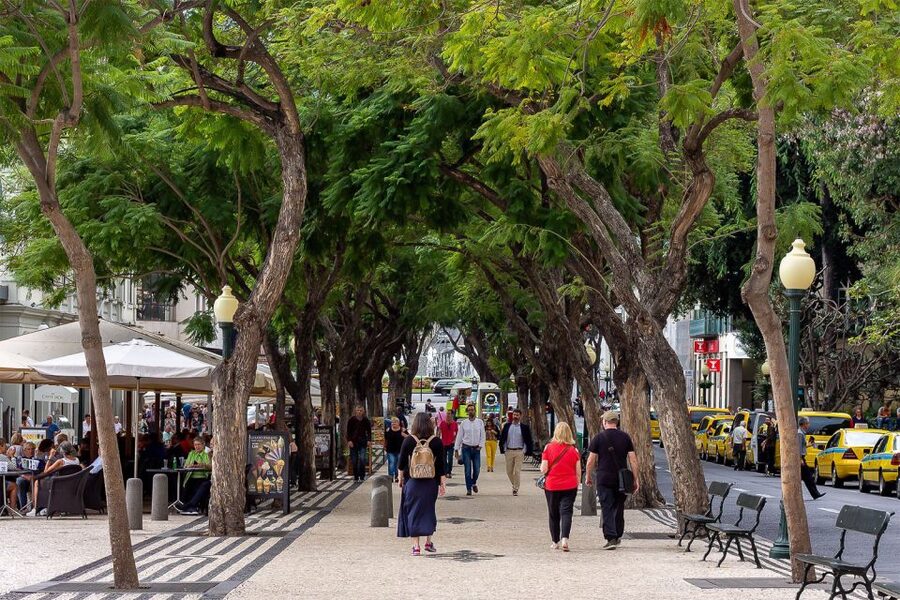
Funchal is easy to explore on foot, but its details can slip past you. A market may look like a colourful place to buy fruit. A church may seem like another ornate building. A narrow street may appear to be only a pleasant shortcut.
A good guide connects those details. On this tour, the market becomes part of Madeira’s trading story. The old riverbeds explain why walls and fortifications mattered. The sugar industry helps explain the island’s early wealth. The Jesuits’ College gives the route a strong starting and finishing point.
I would book this near the beginning of a Madeira stay. You get a useful map of central Funchal and practical ideas for what to revisit later. Several people who took the walk used the market, churches, wine shops, and food stops as a starting point for further exploring.
The price is another strength. At $19, this is not meant to replace a long private tour or a specialist wine excursion. It is an affordable orientation walk with access to places you might otherwise pass without understanding. The social purpose adds value, too, since proceeds help support University of Madeira students and educational work in local schools.
More Old Town Walking Tours in Portugal:
- Albufeira: Old Town History Walking Tour with Tapas & Wine
★ 4.7 · 96 reviews - Faro: Old Town Guided Walking Food Tour
★ 4.9 · 94 reviews - Underground Vaults Walking Tour in Edinburgh Old Town
★ 4.5 · 8,506 reviews
Finding the Jesuits’ College meeting point
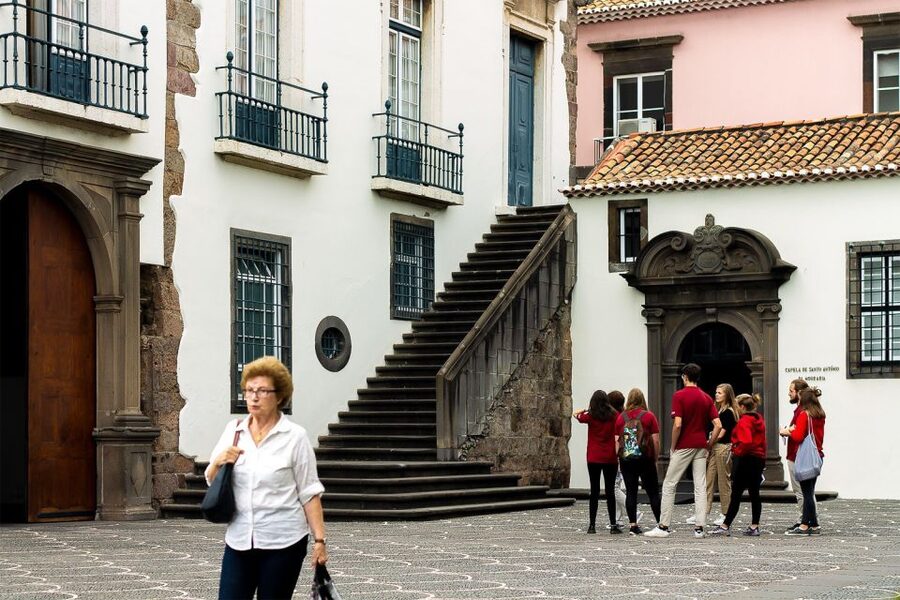
The tour begins inside the Jesuits’ College of Funchal, at the Gaudeamus Shop in the University of Madeira Rectory. The entrance is on Rua dos Ferreiros, next to D’Oliveiras Madeira Wine.
Pay attention to this detail: the meeting point is not inside or directly outside the church. Look for the university entrance with glass doors and University of Madeira signage on the street beside the Jesuits’ Church. Arrive about 10 minutes early, especially if you are coming from a cruise ship or are unfamiliar with central Funchal.
The college is more than a check-in point. It was founded in the 16th century during the reign of King Sebastian of Portugal, and the tour returns here at the end. That gives the walk a satisfying sense of place rather than treating the university as a simple meeting office.
The guides come through the Madeiran Heritage programme. Some are students or young people on study or gap-year placements, and several speak more than one language. English, German, and French are offered, but tell the organiser your preference ahead of time if language matters to you.
City Hall and the first taste of old Funchal
The first stop is a little-known area inside Funchal City Hall. It is a short visit rather than a long museum session, but it sets the tone for the walk. You begin with a detail that many independent walkers might miss, then move into the city streets with a clearer sense of how Funchal developed.
From there, the route passes along Rua Dr. Fernão de Ornelas, one of the city’s busy central streets. The guide uses this area to explain the early days of Madeira’s embroidery trade.
This part may be less photogenic than the old lanes later in the tour, but it is useful. Funchal’s story is not just churches and sea views. It also includes work, trade, small industries, and the businesses that gave the city its everyday character.
The sweet factory and Madeira’s working traditions
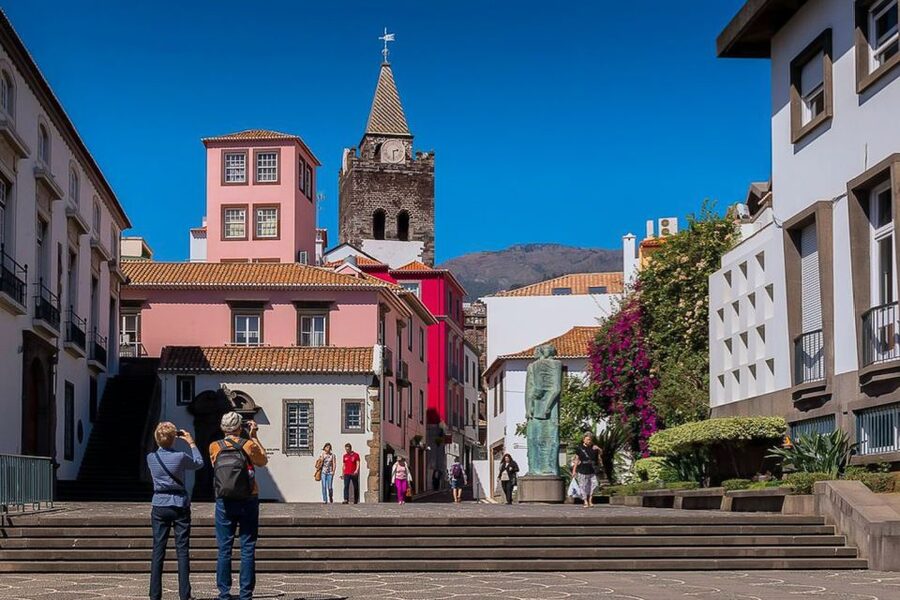
One of the route’s unusual stops is a traditional sweet factory founded in the 19th century. The visit helps you see how older food-making traditions fit into Funchal’s commercial past.
This is a modest stop, not a full cooking class or tasting menu. Food and drinks are not generally included in the tour price, so you should not book this expecting a meal. Its value lies in the setting and the explanation, especially if you enjoy seeing how local industries developed alongside tourism and trade.
The tour also gives you time to ask about Madeira’s food culture. In the reviews of the experience, guides were praised for practical tips, including where to find good bolo do caco. Treat those suggestions as a bonus: write them down, since the walk is a good time to collect ideas for the rest of your stay.
A few more walking tours around Portugal worth a look
- Lisbon: History, Stories and Lifestyle Walking Tour
★ 4.8 · 10,902 reviews - Best of Lisbon Small-Group Guided Walking Tour
★ 5.0 · 4,869 reviews - Lisbon: Food and Wine Small Group Walking Tour
★ 4.9 · 4,082 reviews - Porto Walking Tour, Lello Bookshop, River Cruise and Cable Car
★ 5.0 · 3,354 reviews
The Farmers’ Market and the city’s daily rhythm
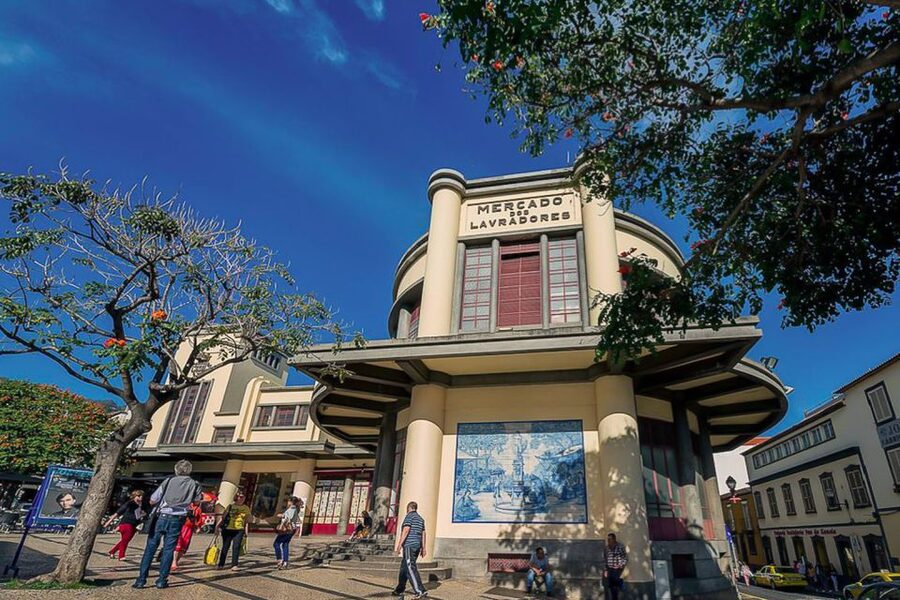
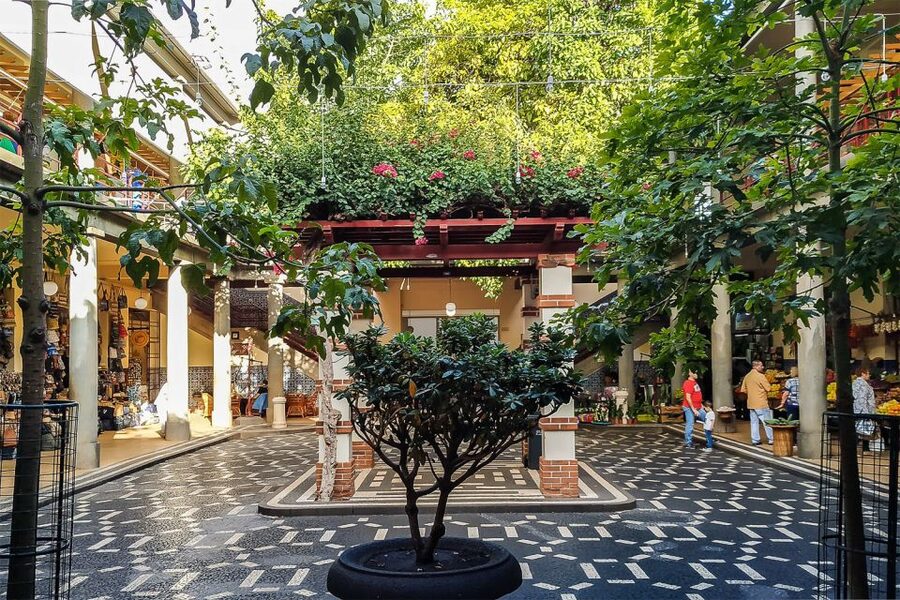
The Farmers’ Market is one of the tour’s main stops. Here, the guide helps you understand the market rather than simply pointing out fruit, flowers, and fish.
You can expect time to look around and, in some cases, a short period to explore independently after the explanation. That balance works well. A guide can explain the market’s role, then let you browse without a running commentary over every stall.
The market is also a practical stop. If you plan to return later, you will already know where it is and what to look for. The walk does not include personal purchases, food, or drinks, so bring a payment method if you want to buy something separately.
One useful tip is to avoid treating the market as the end of your market visit. The tour gives you an introduction, but you may want to return with more time to shop or sample local products. Several visitors used the tour to find their way back for produce and snacks.
Santa Maria Street, painted doors, and the old river edge
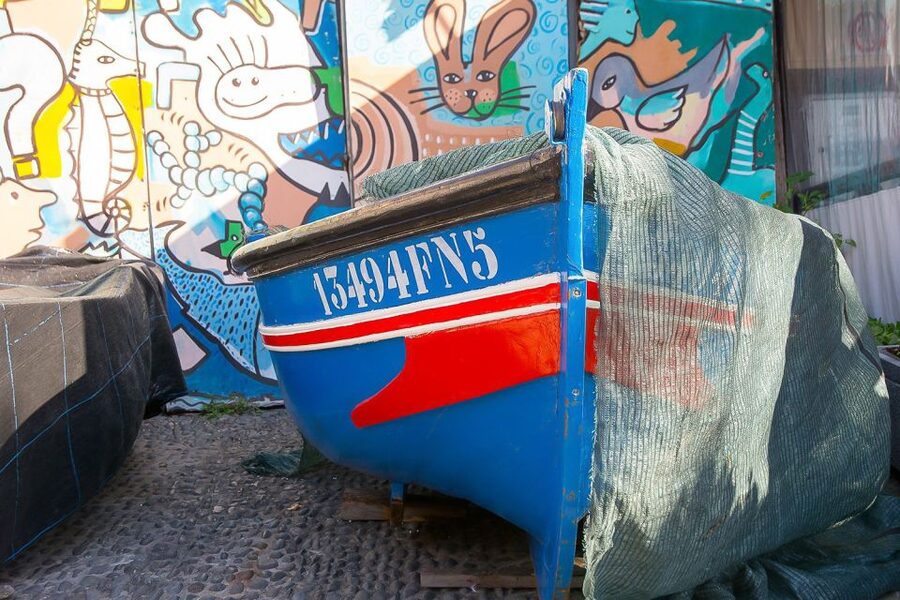
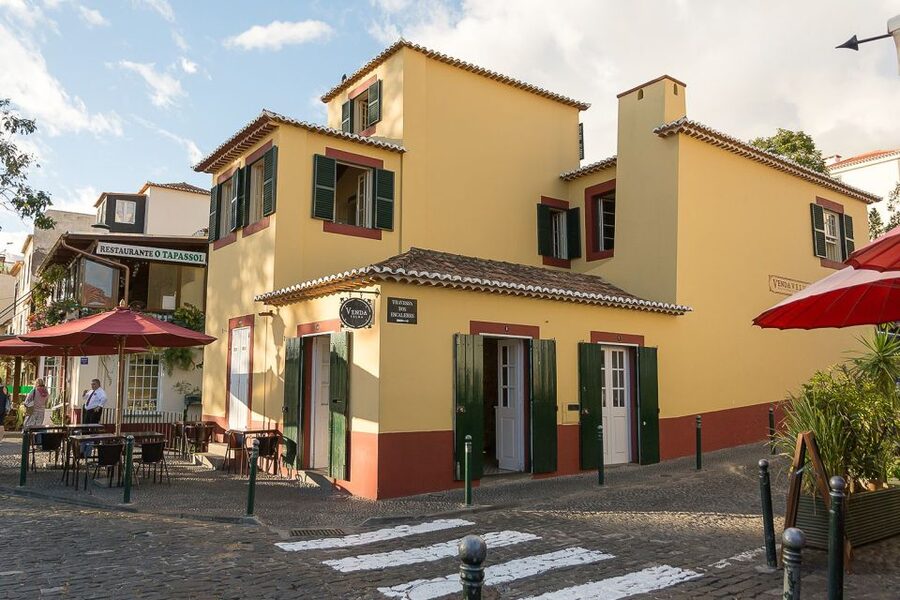
After the market, the route moves through Rua de Santa Maria, one of the most atmospheric parts of central Funchal. The street is known for its old façades and painted doors, part of the public art that has helped bring fresh attention to the area.
The walk then heads toward the Admiral’s Garden and the remains of an old fortress. The setting near the riverbeds matters. Funchal’s waterways once caused serious flooding, and parts of the city were walled and reinforced to reduce the danger.
This is the sort of explanation that makes an ordinary-looking street more interesting. You begin to notice the shape of the city, the route of the water, and the reason defensive structures appeared where they did.
The fort remains are not a huge monument, so set your expectations correctly. You are seeing fragments and learning how they fit into the city, rather than touring a complete castle. That is also what makes the stop appealing: it is brief, local, and easy to overlook.
Colombo Square and Madeira’s sugar story
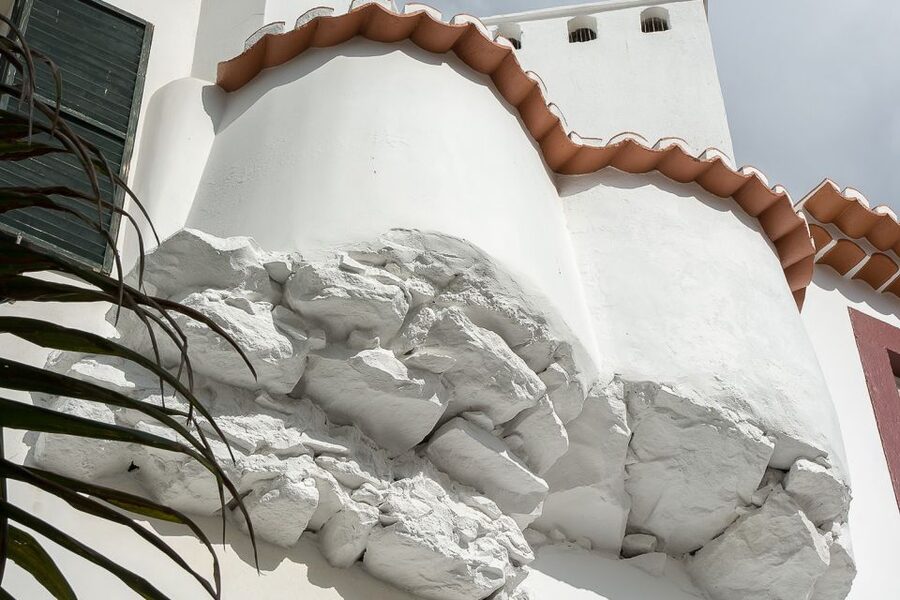
At Colombo Square, the focus shifts to sugarcane. Madeira’s sugar industry was central to the island’s early prosperity, and the guide explains how production, trade, and outside connections shaped Funchal.
The stop also explores the island’s link with Christopher Columbus, who lived in Madeira for a period. The connection is a surprising thread in the city’s story and gives the sugar discussion a wider Atlantic context.
This section is especially good for anyone who wants more than a list of dates. Sugar explains why Madeira mattered to European trade and why Funchal developed the buildings, churches, and commercial links you see today.
The tour does not claim to cover every part of Madeira’s economic history. In two hours, you get a clear introduction, not a university lecture. Still, the sugar theme gives the walk a strong backbone and helps tie together the wine, food, trade, and religious sites.
The Legislative Assembly and Funchal Cathedral
The route continues to the Regional Legislative Assembly of Madeira. This stop brings the story into the present, showing that Funchal’s old centre is also a working civic district.
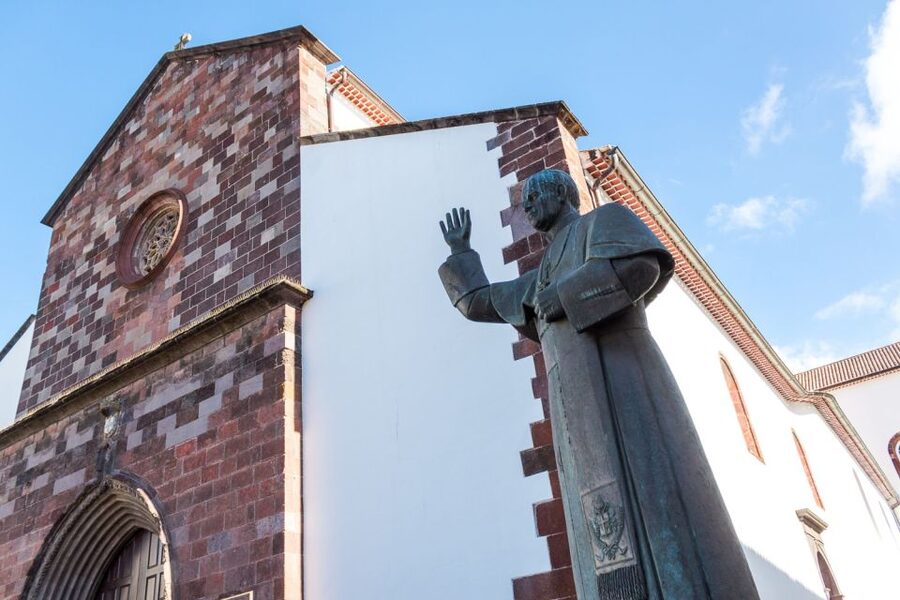
You then visit Funchal Cathedral, one of the city’s essential landmarks. In the 16th century, it served as the seat of the largest diocese in the world. That fact gives the building unusual importance beyond its appearance.
The cathedral visit is one of the stronger reasons to choose a guided walk. You can enter on your own, but a guide helps explain why this particular church mattered in the age when Madeira’s influence extended far beyond the island.
The pace is generally easy, with time for photographs and questions. Still, this is a walking tour, not a hop-on vehicle route. Wear comfortable shoes and expect cobbles, uneven surfaces, and some gentle slopes.
A short wine stop before the Jesuits’ Church
The route passes the Municipal Garden and a traditional Wine Lodge. The experience information describes a visit to the lodge, while several recent tours finished with a small Madeira wine tasting back at the university shop or nearby wine premises.
Do not treat this as a full winery visit or a long tasting session. It is a short introduction to Madeira wine, useful for deciding if you want to return later for a dedicated tasting. The small sample also gives the tour a pleasant closing note after all the history.
The walk passes the Madeira Photography Museum, Atelier Vicente’s, on the way back. This is a passing point rather than a full museum visit, so you will need a separate visit if photography is a priority.
The final major stop is the Igreja do Colégio, or Jesuits’ Church. Its connection with the college makes it a natural conclusion. After hearing about Madeira’s trade and religious institutions, you return to the building where the tour began.
What the guides do best
The strongest part of this experience is the guiding. The route itself is compact, but the quality depends on how clearly the guide explains it.
Recent guides named in the feedback include Annabelle, Elias, Elea, Hannah, Hugo, Sarah, Elena, Evelina, and others. The most praised qualities are clear storytelling, patience, a friendly manner, and a willingness to stop for questions or photos.
The guides also tend to offer practical suggestions for restaurants, food, markets, and places to revisit. That makes the tour more useful than a fixed recital of dates. You get a sense of what deserves another look during the rest of your trip.
The student-led format can produce a slightly different experience from a long-established professional guide. Many of the young guides are exceptionally prepared, but the opening check-in and allocation of groups may occasionally feel less polished. One recent participant found the start confusing. Arriving early and looking for the university signage should help.
Small groups are a real advantage. Some departures have had only a few people, and occasional one-to-one tours have gone ahead rather than being cancelled. That can make the walk feel more like exploring with a well-prepared local companion than following a large crowd.
Pace, access, and practical planning
The walk lasts two hours and is designed at an easy pace. Guides generally allow time for photos and brief independent exploration, particularly around the market and other stopping points.
You should wear comfortable shoes. The route includes cobbled streets and slight inclines, and the organisers warn that it may not suit people with limited mobility. It is described as wheelchair accessible, but the cobbles and slopes are worth discussing in advance if you use a wheelchair or have difficulty walking.
The tour runs in most weather. Madeira can change quickly, so carry sun protection on bright days and rain gear when showers are possible. Large bags and luggage are not allowed, and there is no hotel collection or return.
Children aged 10 and older are a good fit for the pace and subject matter. Younger children may attend with supervision, but keep in mind that the tour is built around history and walking rather than games or dedicated child activities.
At the end, you can finish near the Municipal Garden or return to the Jesuits’ College. That makes it easy to continue sightseeing in central Funchal, browse the wine area, or stop for lunch nearby.
Is the $19 price good value?
Yes, if you want a first look at Funchal rather than a specialist tour. The price includes the two-hour guide, entry to the Jesuits’ College, the Farmers’ Market visit, the 19th-century sweet factory, the Wine Lodge stop, and access to several historical sites.
You are not paying for a meal, transport, or a long formal wine tasting. That keeps the price low, but it also means you should budget separately for anything you buy at the market or for additional food and drinks.
The best value comes from the combination of orientation and context. You see central Funchal, learn where to return, and get a framework for understanding the city. You also support student services and school outreach, which gives the modest fee a useful purpose.
Free cancellation up to 24 hours before the start and reserve-now-pay-later booking add flexibility. These details matter if your Madeira plans depend on weather or changing cruise schedules.
Who should book this Funchal walk?
I would choose it for a first visit, a short cruise stop, or the first morning of a longer Madeira stay. It works especially well if you enjoy history, food traditions, churches, old streets, and local advice in one compact outing.
It also suits solo visitors and couples who prefer small groups. The walk has enough structure to feel worthwhile without becoming tiring, and the guides leave room for questions.
You may want a different experience if you have already spent several days exploring central Funchal or want a dedicated food, wine, photography, or architecture tour. The route offers introductions to these subjects, not specialist treatment.
Should you book it?
Book this tour if you want an affordable, well-paced introduction to Funchal with more substance than a simple sightseeing stroll. The market, sugar story, old fortifications, cathedral, Jesuits’ Church, and short wine stop create a varied route, while the student programme gives your money a clear local benefit.
Skip it only if cobbled streets are difficult for you or if you prefer to explore independently without a set route. For most first-time visitors, especially those arriving by cruise ship, this is a useful way to get your bearings and decide what deserves more of your time.
FAQ
Where does the Funchal Old Town Walking Tour start?
It starts inside the Jesuits’ College of Funchal, at the Gaudeamus Shop in the University of Madeira Rectory on Rua dos Ferreiros.
Is the meeting point inside the Jesuits’ Church?
No. The meeting point is at the university entrance on the street beside the church. Look for the glass doors and University of Madeira signage.
How long does the tour last?
The guided walking tour lasts two hours.
What languages are available?
The tour is offered in English, German, and French. If you strongly prefer one language, indicate this in advance so guide availability can be planned.
What does the $19 price include?
It includes the two-hour guided walk, entry to the Jesuits’ College, the Farmers’ Market visit, the 19th-century sweet factory, a traditional Wine Lodge stop, historical commentary, and access to lesser-known sites.
Are food and drinks included?
No. Personal food, drinks, and purchases are not included. Several departures have included a small Madeira wine tasting, but this should not be treated as a full meal or dedicated wine tour.
Is the tour suitable for wheelchair users?
The activity is described as wheelchair accessible, but the route includes cobbled streets and slight inclines. It may not suit everyone with limited mobility, so check the route before booking.
Can children join the tour?
Children aged 10 and older are suitable for the tour. Younger children may join with supervision.
What should I bring?
Wear comfortable shoes and bring sun protection or rain gear according to the forecast. Large bags and luggage are not allowed.
Just added around Portugal
- Faro: Old Town Guided Walking Food Tour★ 4.9 · 94 reviews
- Fanal / Assobiadores – Levada Walk★ 4.6 · 93 reviews
- Évora: Private walking tour with tickets to main monuments★ 5.0 · 91 reviews
- Fado: Musical Walking Tour with Food & Live Show★ 5.0 · 121 reviews
- Évora: Private & Flexible Walking Tour in Historic Center★ 4.7 · 73 reviews
- Essential Porto Walking Tour★ 4.6 · 129 reviews
- Eat & Walk Through Lisbon: A Local Food & Wine Experience★ 4.9 · 458 reviews
- Coimbra: Private & Flexible Walking Tour in Historic Center★ 4.9 · 92 reviews
Old Town Walking Tours, compared.
Underground Vaults Walking Tour in Edinburgh Old Town
Read our review →
3-Hour Walking Tour of Old Town & Prague Castle
Read our review →
Old Town and Jewish Quarter Guided Walking Tour
Read our review →
Marrakech: Ben Youssef, Secret Garden, & Souks Walking Tour
Read our review →
Prague Ghost and Legend of Old Town Walking Tour
Read our review →Browse the lists this tour appears in